
Menu
cropped Brain Chamber Logo.webp
  • Ancient Civilizations
    • The Aztec Empire
    • The Ancient Egyptians
    • The Ancient Greeks
    • The Etruscans
    • The Inca Empire
    • The Ancient Maya
    • The Olmecs
    • The Indus Valley Civilization
    • The Sumerians
    • Ancient Romans
    • Vikings
  • Historical Places
    • Fortifications
      • Castles
      • Fortresses
      • Brochs
      • Citadels
      • Hill Forts
    • Religious Structures
      • Temples
      • Churches
      • Mosques
      • Stupas
      • Abbeys
      • Monasteries
      • Synagogues
    • Monumental Structures
      • Pyramids
      • Ziggurats
      • Cities
    • Statues and Monuments
    • Monoliths
      • Obelisks
    • Megalithic Structures
      • Nuraghe
      • Standing Stones
      • Stone Circles and Henges
    • Funerary Structures
      • Tombs
      • Dolmens
      • Barrows
      • Cairns
    • Residential Structures
      • Houses
  • Ancient Artifacts
    • Artwork and Inscriptions
      • Stelae
      • Petroglyphs
      • Frescos and Murals
      • Cave Paintings
      • Tablets
    • Funerary Artifacts
      • Coffins
      • Sarcophagi
    • Manuscripts, Books and Documents
    • Transport
      • Carts
      • Ships and Boats
    • Weapons and Armor
    • Coins, Hoards and Treasure
    • Maps
  • Mythology
  • History
    • Historical Figures
    • Historical Periods
  • Generic selectors
    Exact matches only
    Search in title
    Search in content
    Post Type Selectors
  • Natural Formations
cropped Brain Chamber Logo.webp

The Brain Chamber » Ancient Civilizations » Page 176

Ancient Civilizations

All Ancient Civilizations, Cultures and People
The Ancient Egyptians
The Ancient Maya
The Romans
The Ancient Greeks
The Inca Empire
The Aztec Empire
Tang Dynasty
The Etruscans
The Sumerians
Han Dynasty
The Nabataeans
The Olmecs
Byzantine Empire
Hittite Empire
The Indus Valley Civilization
Puebloans
Achaemenid Empire
Thracians
The Phoenicians
Sasanian Empire
Vikings
Totonac culture
Zapotec civilization
Western Han Dynasty
Song Dynasty
Chichimeca people
Tiwanaku Empire
Chavin culture
Northern Wei Dynasty
Nuragic civilization
Toltec civilization
Rapa Nui
Kushite Empire
Canaanite civilization
Illyrians
The Minoans
Lima Culture
Ming Dynasty
Aksumite Empire
Otomi People
Satavahana dynasty
Berber People (Amazigh)
Huastec civilization
Assyrian Empire
The Sinagua
Mauryan Empire
Wari Empire
Khmer Empire
Gupta Dynasty
Moche culture
Yuan dynasty
Ottoman Empire
Ichma culture
Mississippian civilization
Mycenaean civilization
Phrygians
Chola dynasty
Purépecha Empire
Ancient Kingdom of Macedonia
Talayotic Culture
Commagene Kingdom
Magdalenian culture
Guanches
Numidians
Venetians
Chachapoya civilization
Persians
Yadava dynasty
Rashtrakuta dynasty
Pallava dynasty
Teotihuacan civilization
Hopewell culture
Chandela dynasty
Urartian kingdom
Kingdom of Judah
The Babylonians
Sican culture
Anuradhapura Kingdom
Parthian Empire
Muisca Civilization
Eastern Han Dynasty
The Scythians
Dilmun civilization
Matlatzinca civilization
Seljuk Empire
Vijayanagara Empire
Lycian civilization
Chimú civilization
Kerma culture
Cañari people
Norte Chico Civilization
Zagwe Dynasty
Kushan Empire
Mongol Empire
Pala Empire
Carthaginians
Western Turkic Khaganate
The Picts
Qing Dynasty
Sui Dynasty
The Arameans
Tuʻi Tonga Empire
Ozieri Culture
Mixtec Civilization
Sogdian civilization
Tibetan Empire
Akkadian Empire
Bagan Dynasty
Casma Sechin culture
Mezcala culture
Dacian kingdom
Nazca civilization
Kassite Dynasty
Elamite Civilisation
Pandya dynasty
Mataram Kingdom
Israelite
Newar People
Funnelbeaker culture
Northern Qi dynasty
Sinhalese Kingdom
The Garamantes
The Kingdom of Makurian
Gandhara Civilization
Paracas culture
Xauxa people
Celtic
Lupaca People
Median Kingdom
Ghurid dynasty
Jin Dynasty
Northern Liang Dynasty
Pagan Kingdom
Vakataka dynasty
Champa Civilization
Qin Dynasty
Western Xia Dynasty
Chamorro people
Northern Zhou Dynasty
Sabaean civilization
Ghaznavid Empire
Bagratuni dynasty
Hamangia culture
Quitu-Cara culture
The Beaker people
Bosporan Kingdom
Songhai Empire
Kingdom of Polonnaruwa
First Bulgarian Empire
Thakali people
Chinchorro Culture
Tierradentro culture
Koguryo Kingdom
Hu Xia dynasty
Nikumbha Dynasty
Teuchitlán culture
Dogon people
Sharabhapuriya dynasty
Karakhanids
Ancient Georgians
Native American Tribes
Polovtsian people
Joseon Dynasty
Solanki dynasty
Pahlavi dynasty
Konbaung Dynasty
Khwarazmian Empire
Nawat people
Majapahit Empire
Sailendra Dynasty
Ramnad kingdom
Goguryeo Kingdom
The Dahae
Monte Alto Culture
Moabite Kingdom
Tairona civilization
Kingdom of Aileach
San Agustín culture
Atacama people
The Cupisnique Culture
Oxus civilization
Mahameghavahana dynasty
Quilmes people
Ekoi people
Saudeleur dynasty
Shang Dynasty
Cupisnique culture
Liangzhu Culture
Colla Kingdom
Umayyad Caliphate
Namazga Culture
The Qulla
Ligurians
Dong Son culture
Urnfield culture
Umayyad dynasty
Castro culture
Eastern Ganga Dynasty
The Taíno
Longshan culture
Paeonian Kingdom
Mori clan
Southern Qi Dynasty
Colchian culture
The Turdetani
Newari People
Eblaite Kingdom
Histri
Western Qin Kingdom
Uyghur Khaganate
Rakhine people
Tran Dynasty
Karddamaka Dynasty
Traikutaka Dynasty
Lan Xang Kingdom
Vishnukundina Dynasty
Nguyen Dynasty
Hoysala Empire
Nanai People
Lý dynasty
Hồ Dynasty
Saami People
Guge Kingdom
Serer People
The Vettones
Diquís culture
Timurid Empire
Umm an-Nar culture
Mixe-Zoque
Capacha Culture
Yope people
Mitanni Empire
Tlatilco Culture
Ostrogoths
Western Ganga Dynasty
Chorotega people
Hammadid dynasty
Edomite kingdom
Zhou Dynasty
Seleucid Empire
Mannaeans
Bokoni people
Sabaean Kingdom
Minaean Kingdom
Silla Dynasty
Safavid Dynasty
Iberians
Kingdom of Syunik
The Carians
Dadanite Kingdom
Western Jin Dynasty
Torrean culture
fortress capidava

Fortress Capidava

Posted on

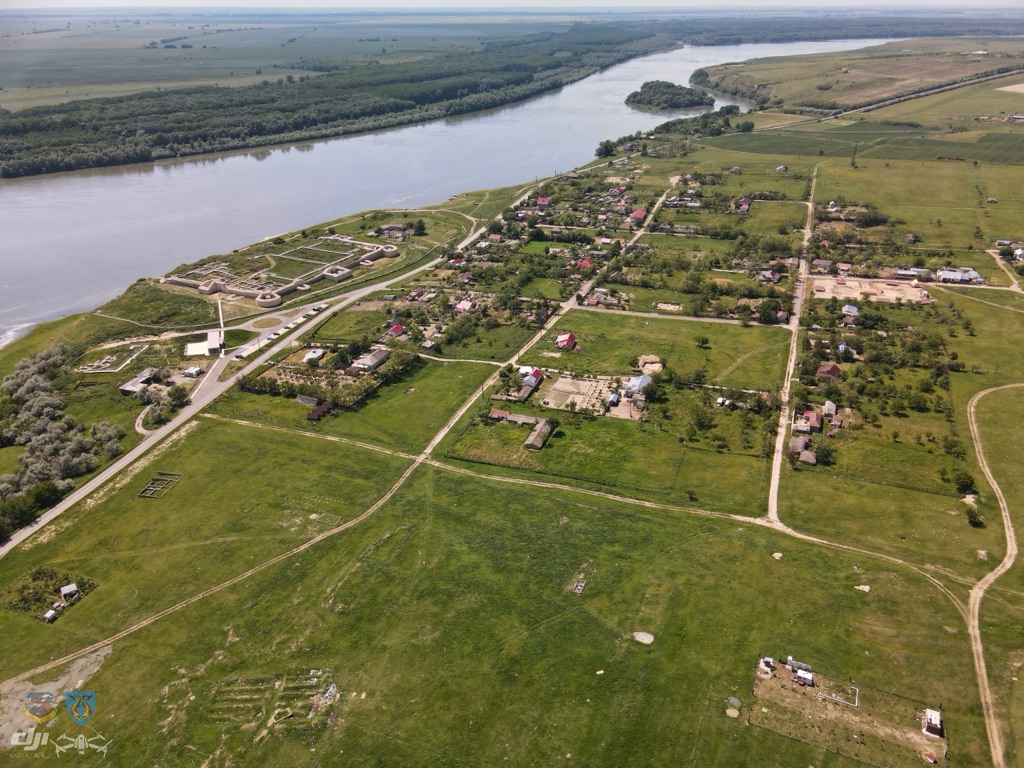
Nestled on the banks of the Danube in Romania, the Fortress Capidava stands as a testament to ancient times. It began as a Dacian settlement. Later, the Romans transformed it into a military fortress. For centuries, it guarded the frontier of the Roman Empire. The structure showcases a mix of Dacian, Roman, Byzantine, and even Ottoman influences. Its remnants tell the story of diverse cultures and turbulent history. Today, it serves as a fascinating archaeological site. Visitors can explore its ruins and learn about its past through guided tours and interactive exhibits.

the fortress of dinogetia

The Fortress of Dinogetia

Posted on

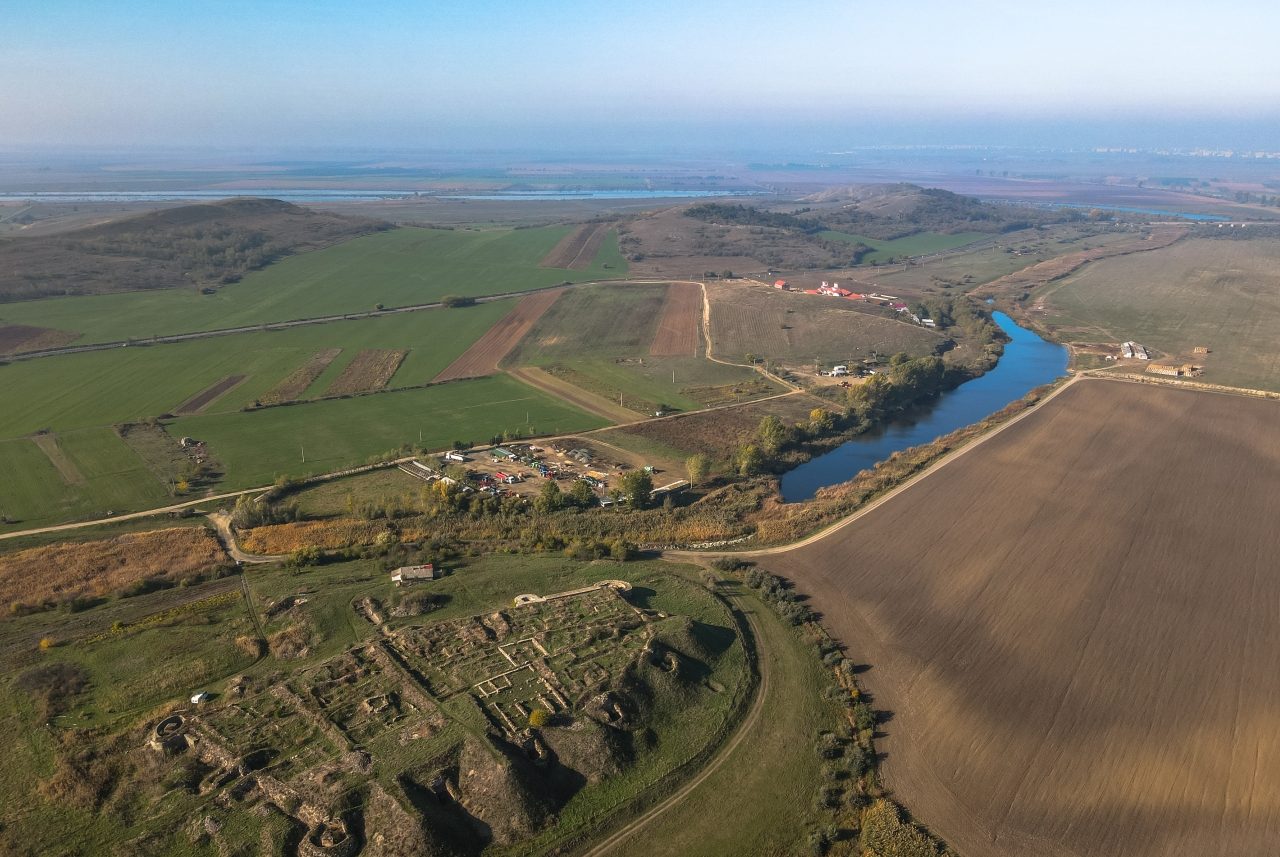
The Fortress of Dinogetia stands as a testament to the rich tapestry of history woven through the ages. Nestled in the northeast of Romania, this ancient bastion has seen the rise and fall of empires, serving as both a military stronghold and a cultural melting pot. From its initial establishment in the Roman period to the defense against invasions, Dinogetia’s walls have echoed with tales of power, resilience, and transformation. Piecing together its history provides insight into the civilizations that once thrived along the Danube’s mighty banks.
sapinuwa

Sapinuwa

Posted on

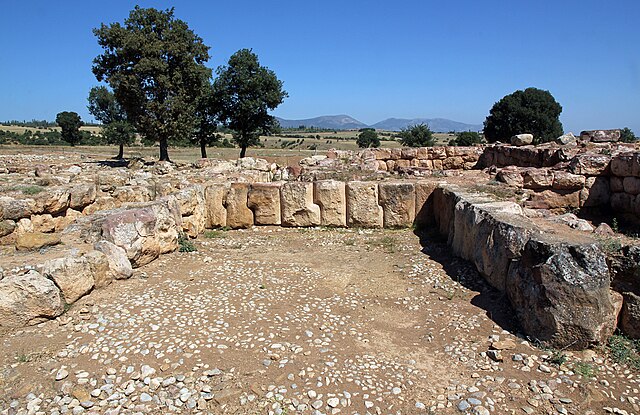
Deep in the heartland of Turkey lies the ancient city of Sapinuwa, a hidden gem that once thrived during the Bronze Age. Believed to have been a major Hittite city, Sapinuwa offers a unique glimpse into an age-old civilization. Preserved through time, the city’s ruins tell the story of a culturally rich and strategically significant metropolis. With ongoing archaeological research, Sapinuwa continues to reveal secrets of the Hittite empire, from their advanced urban planning to their enigmatic religious practices. Visitors and historians alike are drawn to its enduring legacy, making it a focal point for those passionate about ancient Near Eastern history.
hattusa

Hattusa

Posted on

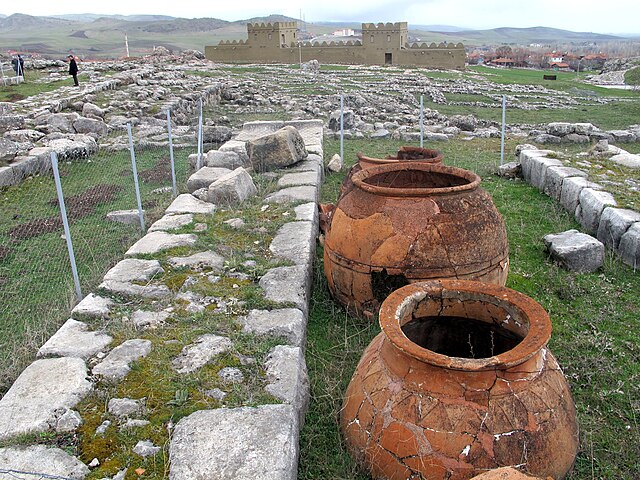
Hattusa, the ancient Hittite capital, sits in modern-day Turkey. This UNESCO World Heritage site echoes the power of a civilization that thrived over 3,000 years ago. Its impressive ruins spread across the landscape, including grand gates, temples, and towering fortifications. Visitors can connect with history by walking the ancient walls and exploring the royal archives. These contain fascinating cuneiform tablets that reveal secrets of the past. Hattusa is not just a testament to the Hittite empire; it forms a bridge between the modern world and ancient societies. Explorers and history buffs will find themselves transported to a time of innovation, conflict, and mythology.
q'enqo

Q’enqo

Posted on

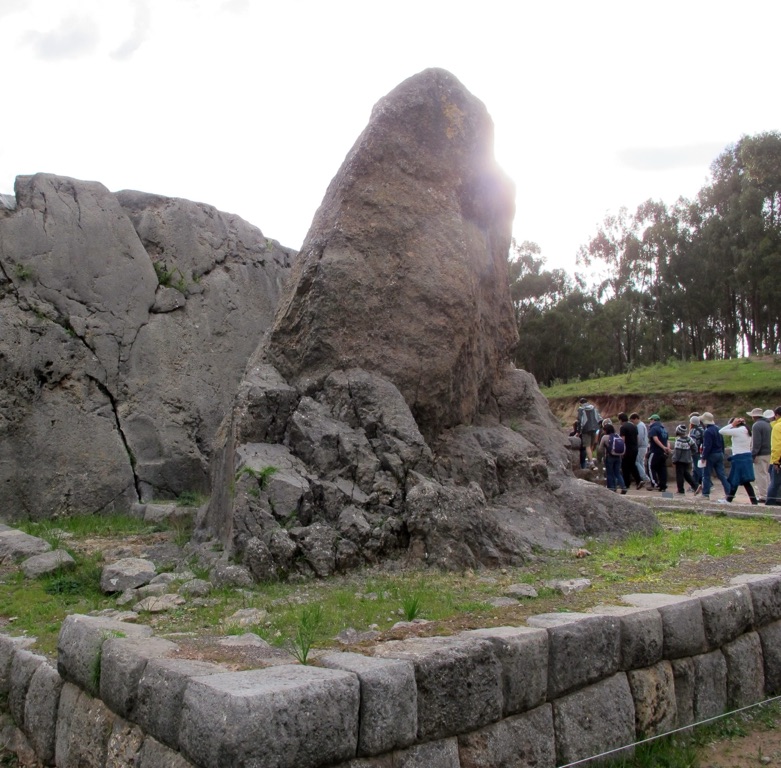
Q’enqo is a unique archaeological gem located near Cusco, Peru. This ancient Inca site, also known as Kenko, holds a deep cultural significance. As a ceremonial center, Q’enqo was a place where Incas honored the sun, moon, and stars. Its name derives from the Quechua word meaning ‘zigzag,’ possibly due to the labyrinth-like channels carved into its rocks. These channels are thought to have been used for sacred rituals involving the flow of chicha or perhaps blood during sacrifices.
puca pucara

Puca Pucara

Posted on

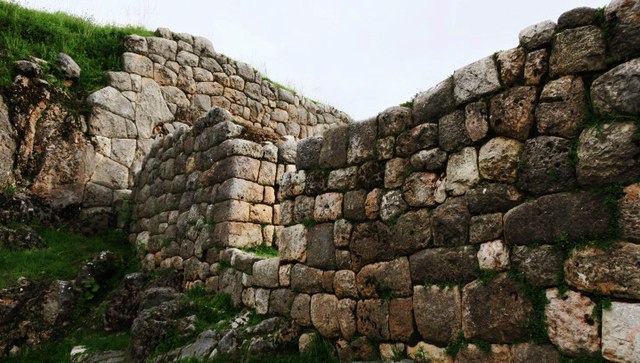
Puca Pucara stands out as a captivating historical site near Cusco, Peru. Its name, translating to ‘Red Fortress’, hints at its past military importance. Visitors marvel at the remains of walls, terraces, and staircases. They reflect the strategic design of the Incas. Scholars believe it served as a guard post along the Incan road system. It was a place to rest for travelers and an administrative center. Tales of ceremonial practices also emerge from its storied past. This site provides an invaluable window into ancient Incan civilization.

  • Previous
  • 1
  • …
  • 173
  • 174
  • 175
  • 176
  • 177
  • 178
  • 179
  • …
  • 234
  • Next
©2026 The Brain Chamber | Wikimedia Commons Contributions

Terms and Conditions - Privacy Policy