Urartian kingdom
The Urartian Kingdom, also known as the Kingdom of Urartu, thrived between the 9th and 6th centuries BCE. This ancient kingdom was in the mountainous region of what is now Eastern Turkey, Armenia, and Iran. It emerged in the Armenian Highlands around Lake Van. The Urartians were well-known for their skills in metalwork and construction. They built impressive fortresses and temples that stood the test of time. The kingdom’s capital, Tushpa, centered on the shores of Lake Van. It became a hub of craftsmanship and trade. Inscriptions and artifacts found at sites like Erebuni and Cavustepe provide a glimpse into the Urartian people’s lives. Their expertise in irrigation improved their agriculture. It helped them to prosper in the harsh landscapes they inhabited.
The Urartian Kingdom had strong kings who expanded their territory through military campaigns. They often clashed with neighboring powers like the Assyrians. Over time, Urartu developed an advanced society with a hierarchy and complex administrative systems. The Urartians worshiped a pantheon of gods. Khaldi was their chief deity, often depicted standing on a lion and holding a bow. Art and architecture flourished under the Urartians. They left behind stone sculptures, distinctive red and black pottery, and advanced metalwork. Although the Urartian Kingdom eventually declined and was absorbed by neighboring cultures, its legacy lived on. The remnants of their cities, rich culture, and the sophisticated systems they built laid foundations for the future civilizations in the region.
-
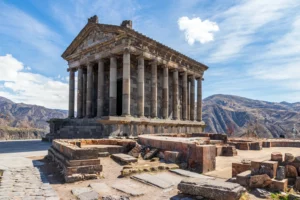
Garni
The Historical and Archaeological Significance of Garni Garni, located in modern-day Armenia, stands as a testament to the region’s rich historical and…
-
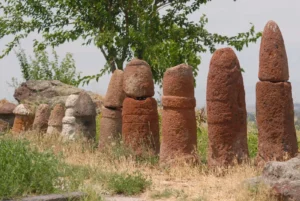
Metsamor Archaeological Site
Metsamor, located in the Armavir Province of Armenia, near the village of Taronik, is a significant archaeological site that offers a window…
-
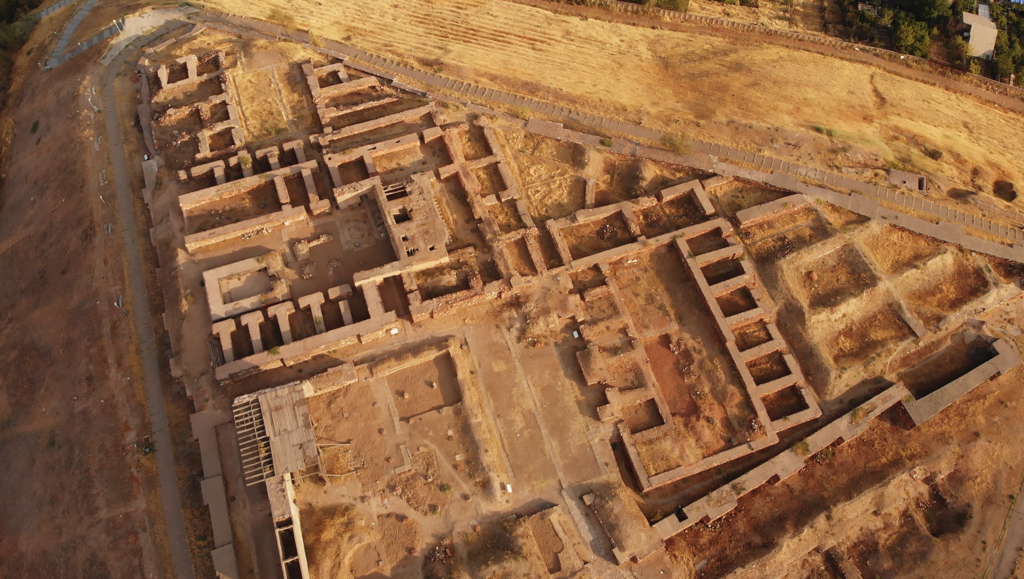
Erebuni Fortress
Delve into the past at Erebuni Fortress, a historical marvel in Yerevan, Armenia. Founded in 782 BC by King Argishti I of…
-
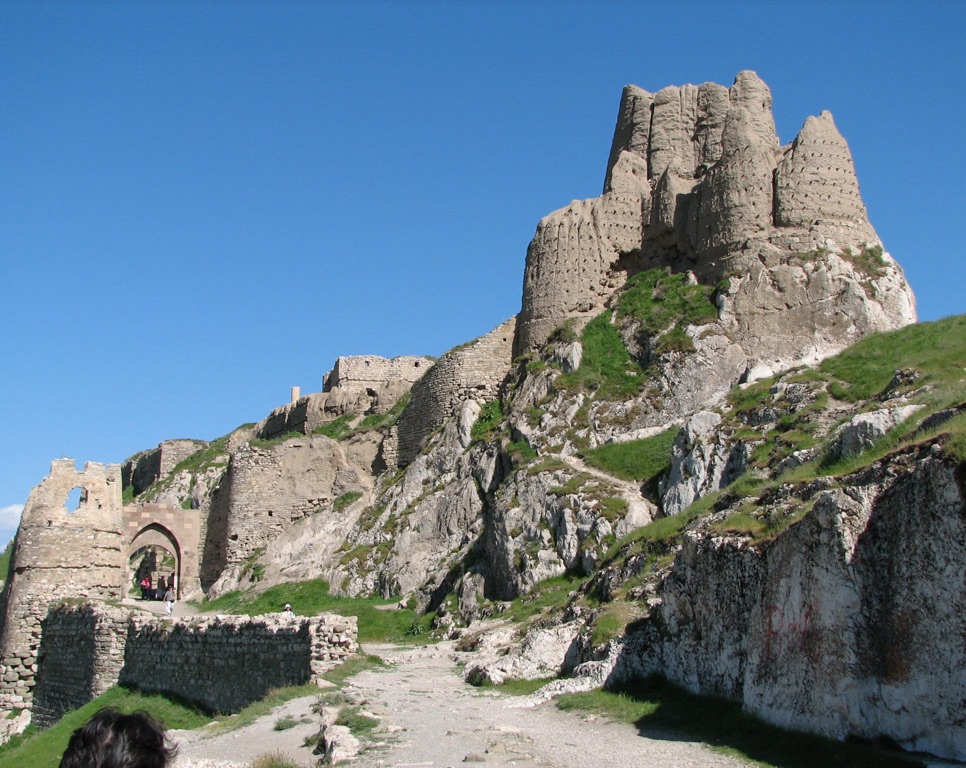
Van fortress
The ancient Van Fortress stands majestically in Eastern Turkey, telling tales of the past. It was the capital of the Urartian kingdom…