The Sinagua
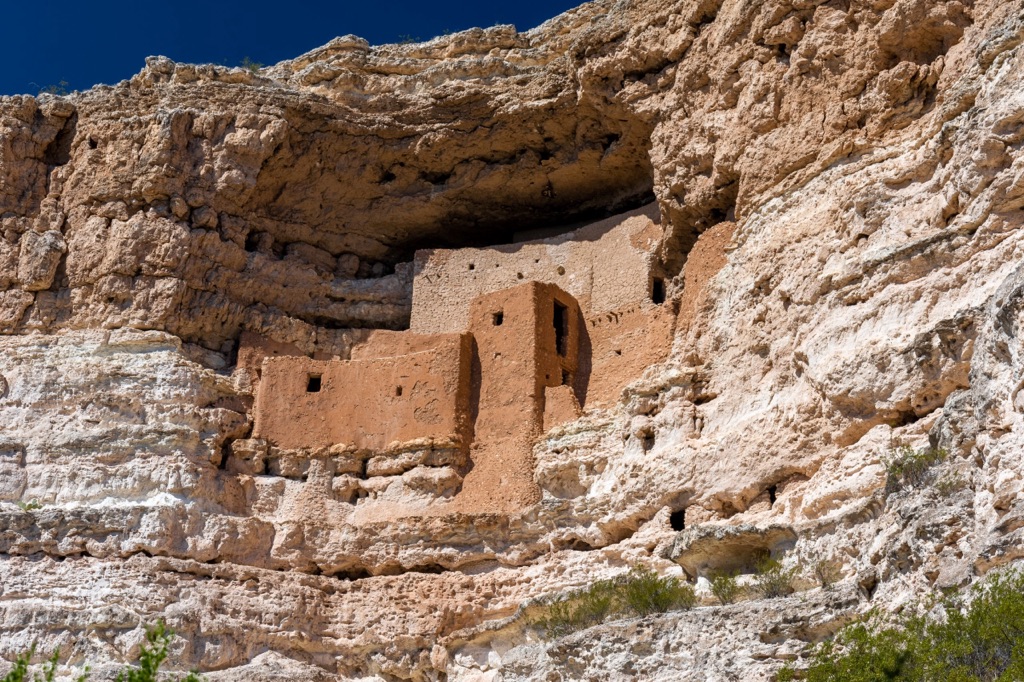
The Sinagua were a pre-Columbian civilization that thrived in what is now the southwestern United States, particularly in the region of northern Arizona, from approximately 500 AD to 1425 AD. Their name, bestowed upon them by later Spanish explorers, means “without water,” a reference to the arid environment in which they managed to cultivate a rich and vibrant culture. The Sinagua are renowned for their architectural achievements, including cliff dwellings and pueblos, which were constructed in alignment with their deep understanding of the arid landscape and its scarce water resources.
One of the major moments in Sinagua history was the construction and occupation of Montezuma Castle, a large cliff dwelling that showcases the Sinagua’s architectural sophistication and their ability to adapt to the challenging environment. This five-story structure, built into the recesses of a limestone cliff, housed about 50 to 60 people and stands as a testament to the Sinagua’s engineering skills and their communal way of life. Another significant site, Tuzigoot, a large pueblo built atop a ridge near the Verde River, further exemplifies the Sinagua’s architectural and social organization.
The religion of the Sinagua, like many aspects of their culture, is not fully understood but is believed to have been deeply intertwined with their understanding of the natural world. Archaeological evidence suggests that they practiced a form of animism, venerating the forces of nature and possibly the celestial bodies, as seen in the alignment of their constructions with astronomical events. Petroglyphs and pictographs found in the region depict various symbols and figures, which might have held religious significance, pointing to a rich spiritual life.
Social and daily life among the Sinagua was characterized by a mix of agriculture, hunting, and gathering, with maize being the cornerstone of their diet, supplemented by beans, squash, and native plants. The Sinagua were also skilled artisans, crafting pottery, textiles, and jewelry that were likely used both in daily life and in trade with neighboring cultures. Their society was presumably organized into clans or family groups, with a strong emphasis on community cooperation, especially in agricultural and construction activities.
There is little concrete evidence regarding the governance of the Sinagua or the existence of specific rulers, kings, or queens. It is possible that their society was more egalitarian or organized along communal lines, with leadership roles being more functional than hierarchical. Leadership might have been based on knowledge, skill, or spiritual authority rather than hereditary power.
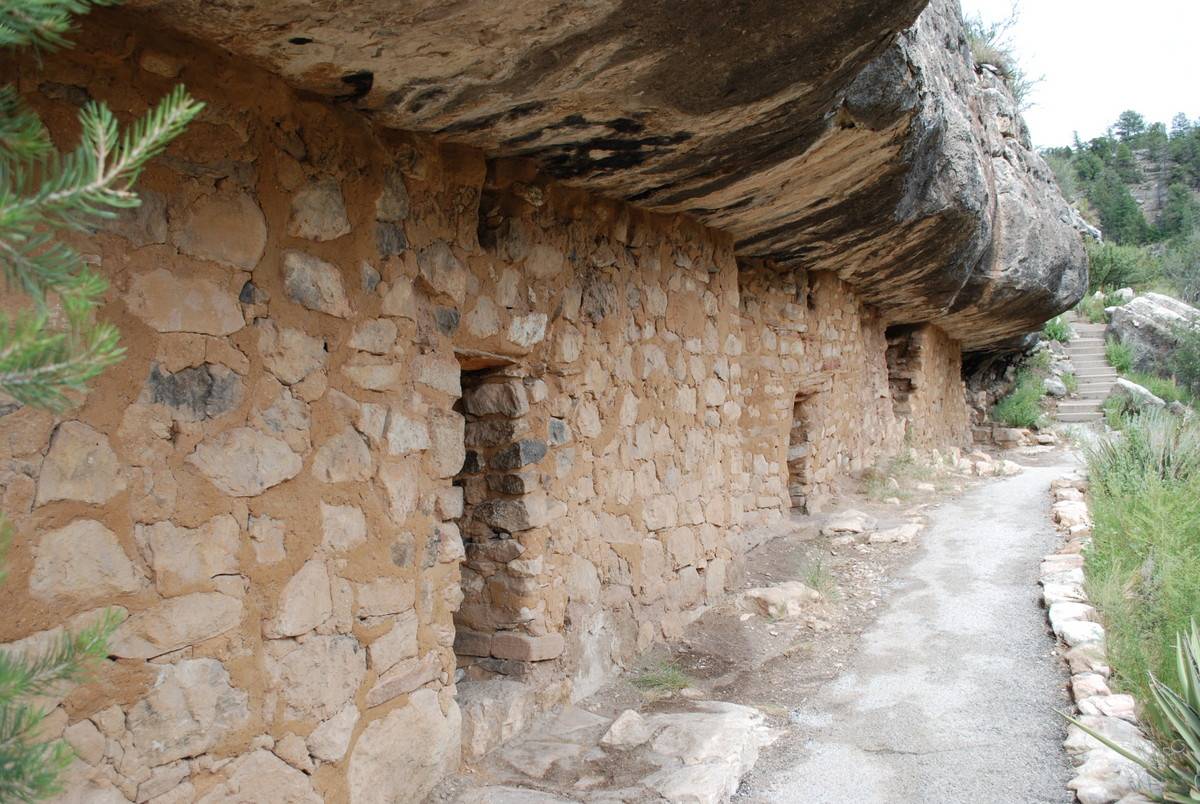
The Sinagua originated from the migrations of ancient peoples into the region, blending and evolving into the distinct culture recognized today. Their ancestors likely included the ancient Cohonina, Hohokam, and Mogollon peoples, with whom they shared many cultural traits and from whom they inherited a legacy of agriculture and pottery-making.
There is scant evidence of wars and battles involving the Sinagua. Their strategic settlements and constructions suggest a focus on adaptation and survival in a challenging environment rather than military conquest. However, interactions with neighboring cultures, such as trade and cultural exchange, were certainly part of Sinagua life, and conflicts might have arisen from these interactions or competition for resources.
The decline of the Sinagua civilization around 1425 AD remains a subject of speculation among historians and archaeologists. Factors such as climate change, overuse of resources, and social upheaval are considered possible causes. The Sinagua left behind a rich archaeological legacy, including their impressive cliff dwellings and pueblos, which continue to fascinate and offer insights into their way of life. Today, these sites are cherished for their historical and cultural significance, providing a window into the lives of a people adept at thriving in one of the most challenging environments on earth.
Explore Sinagua Archaeological Sites and Artifacts
-
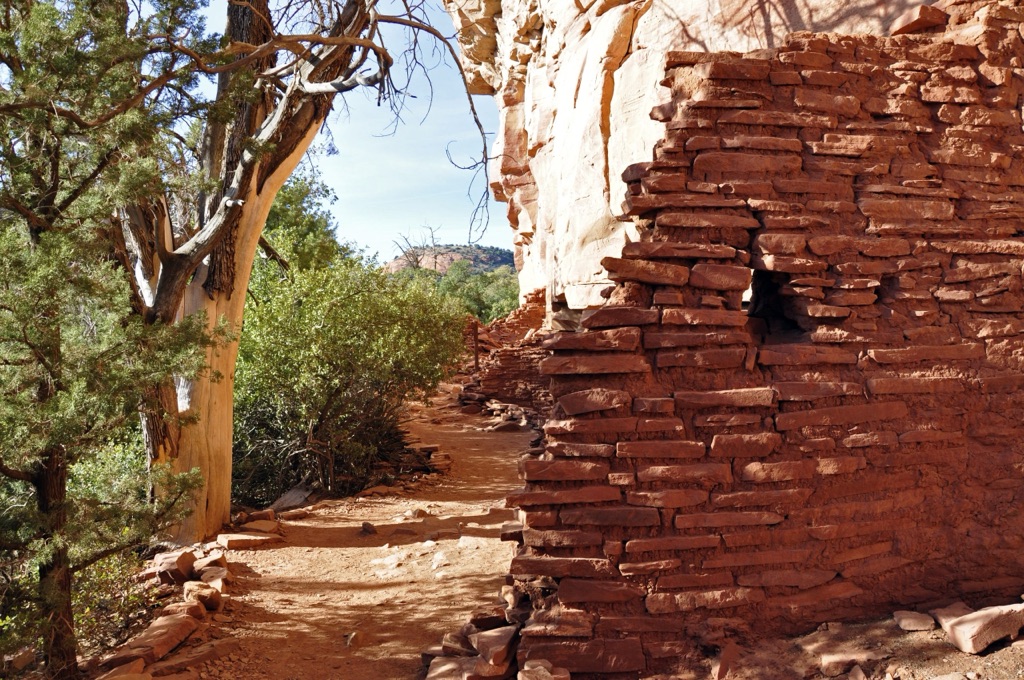
Honanki
The Honanki Heritage Site, situated within the Coconino National Forest approximately 15 miles west of Sedona, Arizona, stands as a significant archaeological…
-
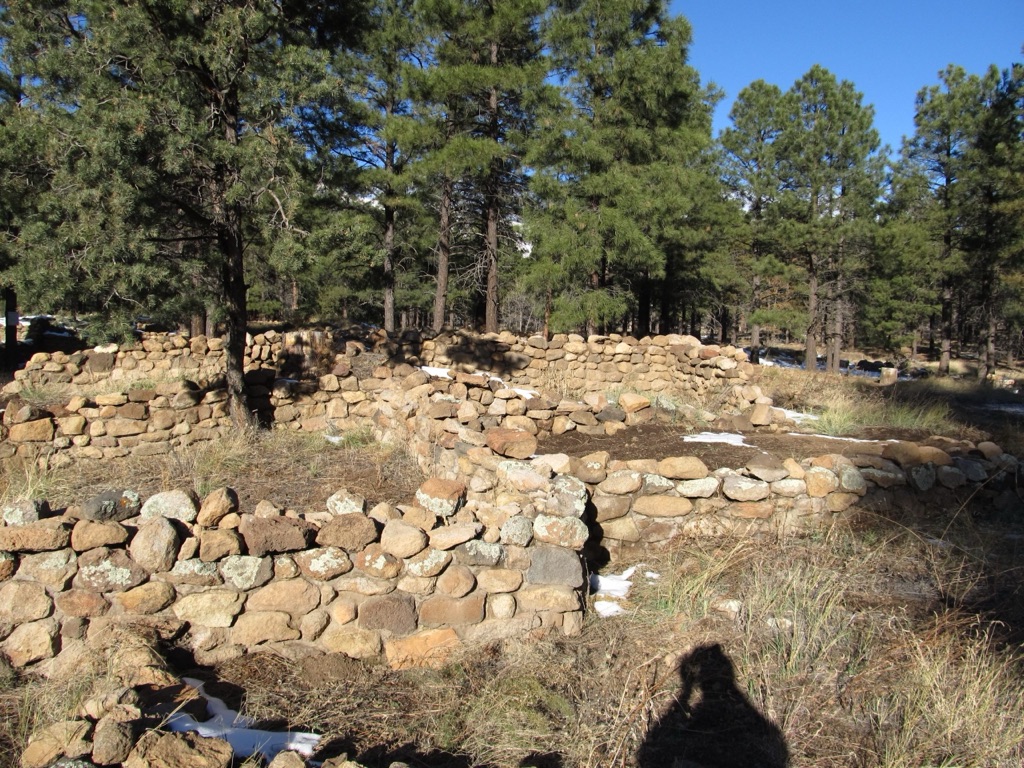
Elden Pueblo
Elden Pueblo, known in Hopi as Pasiwvi, represents a significant archaeological site located at the base of Mount Elden near Flagstaff, Arizona.…
-
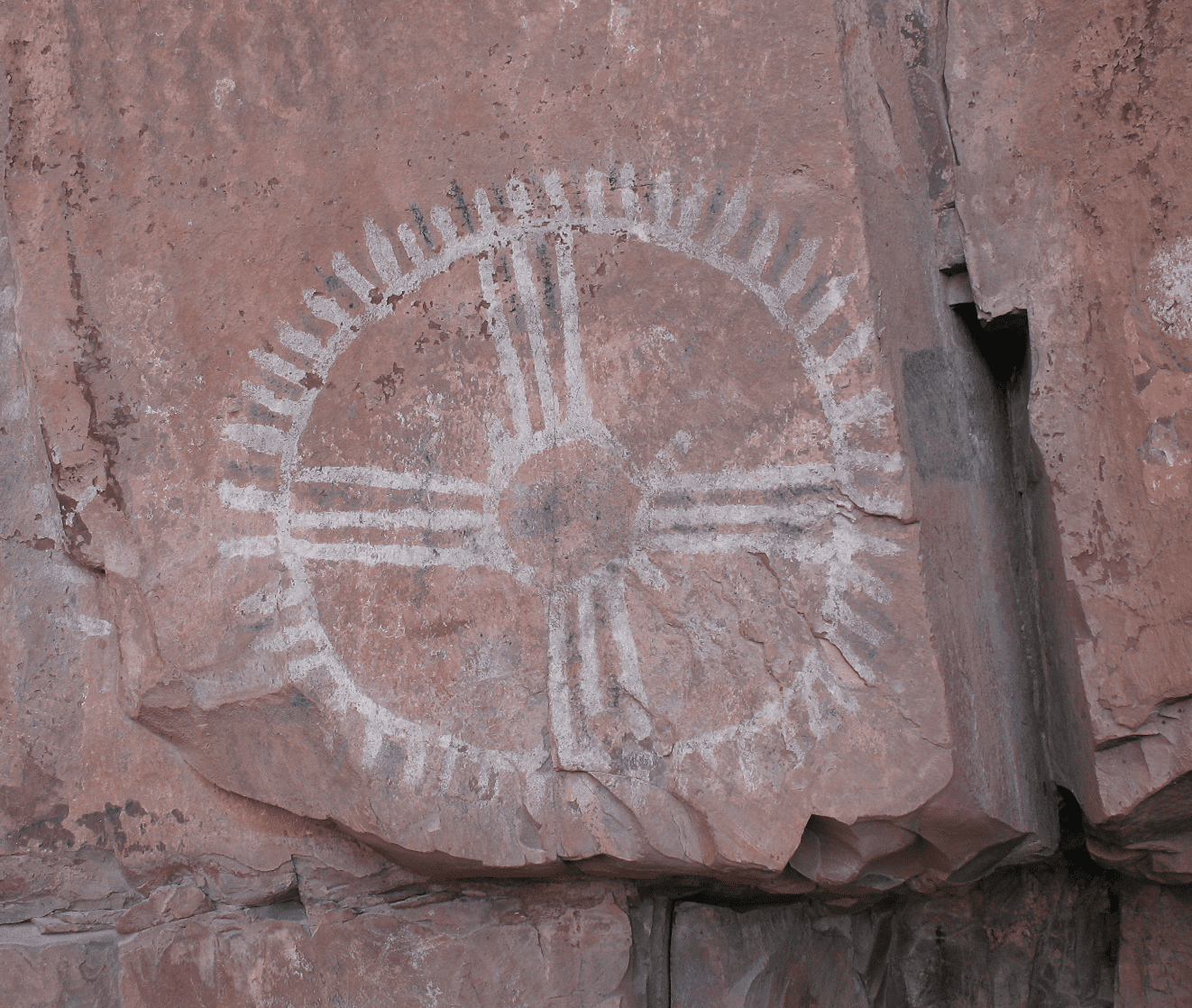
Palatki Heritage Site
The Palatki Heritage Site, located within the Coconino National Forest near Sedona, Arizona, stands as a significant archaeological and historical landmark. At…
-
Montezuma Castle National Monument
Montezuma Castle National Monument, located in Camp Verde, Arizona, stands as a remarkable example of the ingenuity and culture of the Sinagua…
-
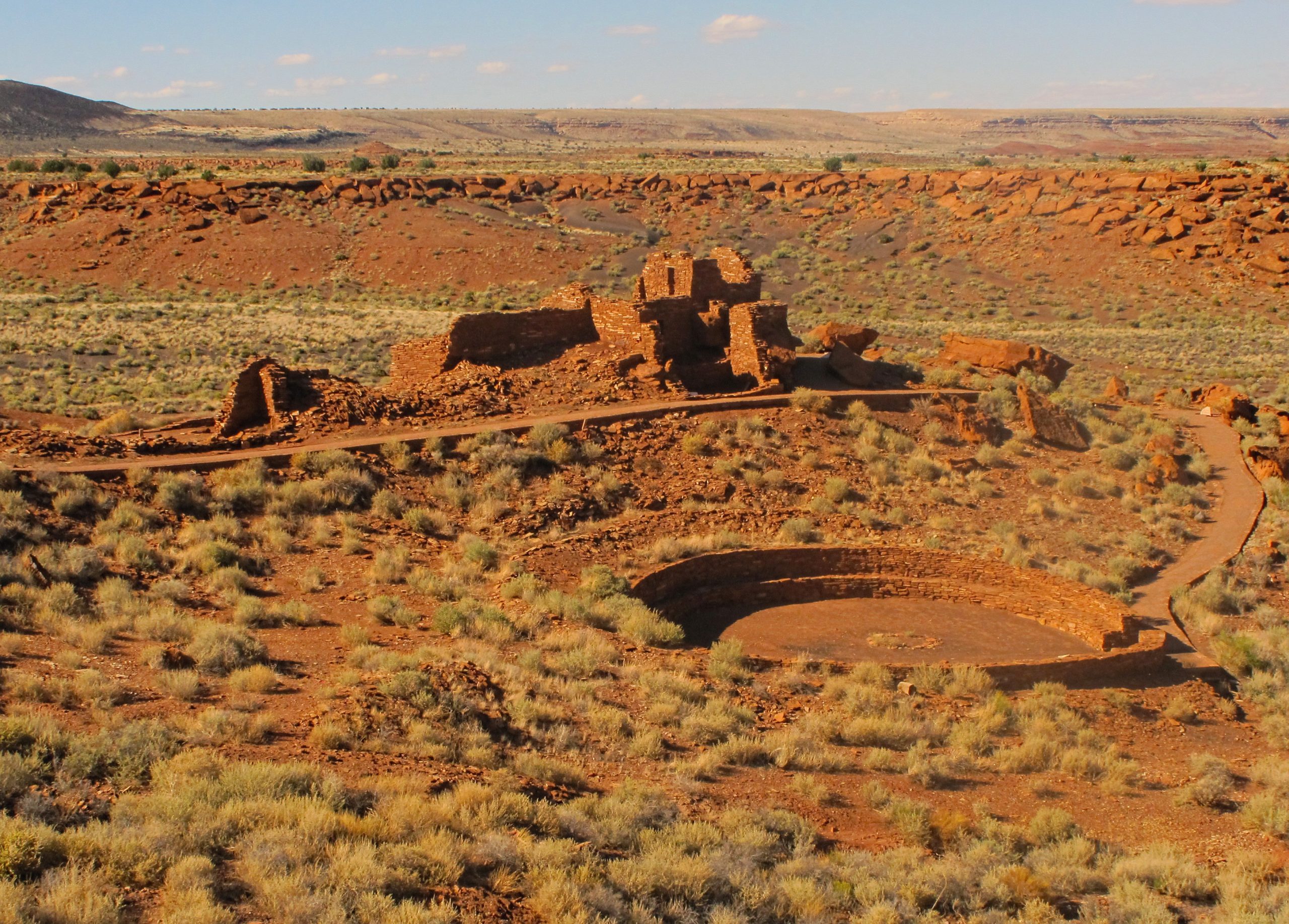
Wupatki National Monument
Wupatki National Monument, located 35 miles north of Flagstaff, Arizona, stands as a significant archaeological and historical site that offers insight into…
-
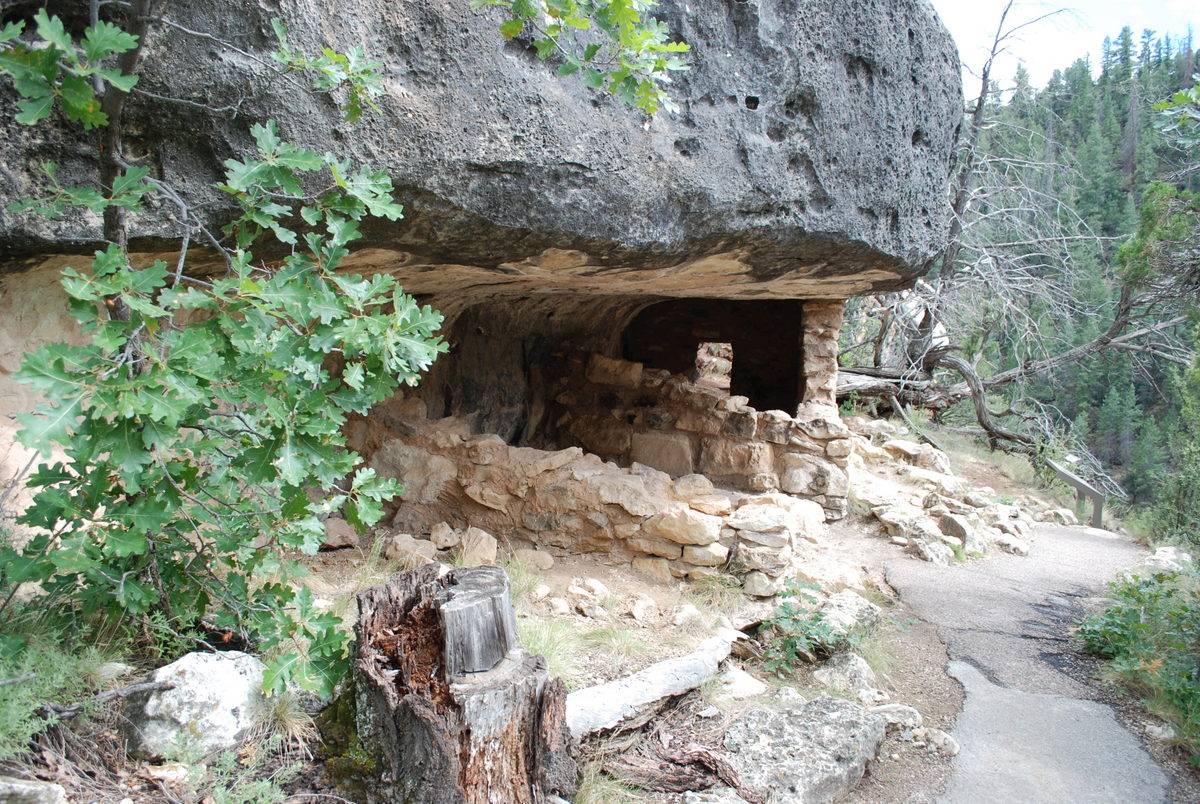
Walnut Canyon National Monument
Walnut Canyon National Monument, designated as such by President Woodrow Wilson on November 30, 1915, stands as a significant archaeological site located…