Toltec civilization
The Toltec civilization was a prominent Mesoamerican culture that thrived from the 10th to the mid-12th century CE. This ancient civilization was centered in Tula, in what is now central Mexico. The Toltecs were master builders and are best known for their monumental architecture and detailed sculptures. They built impressive temples, palaces, and pyramids decorated with columns and statues representing warriors. These architectural feats showcased their understanding of urban planning and religious significance. History often depicts the Toltecs as skilled artisans, potters, and jewelers. The remains of their art, recovered from archaeological sites, reveal a society rich in culture and craftsmanship.
The influence of the ancient Toltec civilization was vast, extending far beyond their central city of Tula. They held sway over a large portion of central Mexico through both trade and conquest. Their spiritual beliefs and cultural practices had a significant impact on later civilizations, including the Aztecs. Toltec warriors were highly regarded, and their military might played a crucial role in the expansion of their influence. The civilization had a complex social structure and believed in a pantheon of gods, Quetzalcoatl being a prominent deity. Despite the decline of the Toltec empire, which some historians attribute to invasion and internal strife, their cultural legacy persisted. The art, architecture, and mythologies of the Toltecs continue to captivate people around the world, shedding light on the pre-Columbian history of the Americas.
-
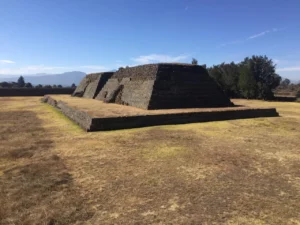
Ihuatzio archaeological site
Ihuatzio, an archaeological site located in the state of Michoacán, Mexico, stands as a testament to the rich prehispanic history of the…
-
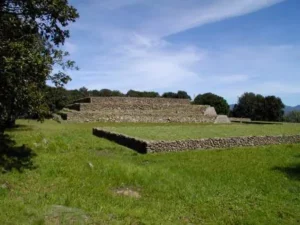
Huamango
Huamango, now known as the archaeological site of San Miguel Ixtapan, was once a flourishing pre-Hispanic city. It is located in the…
-
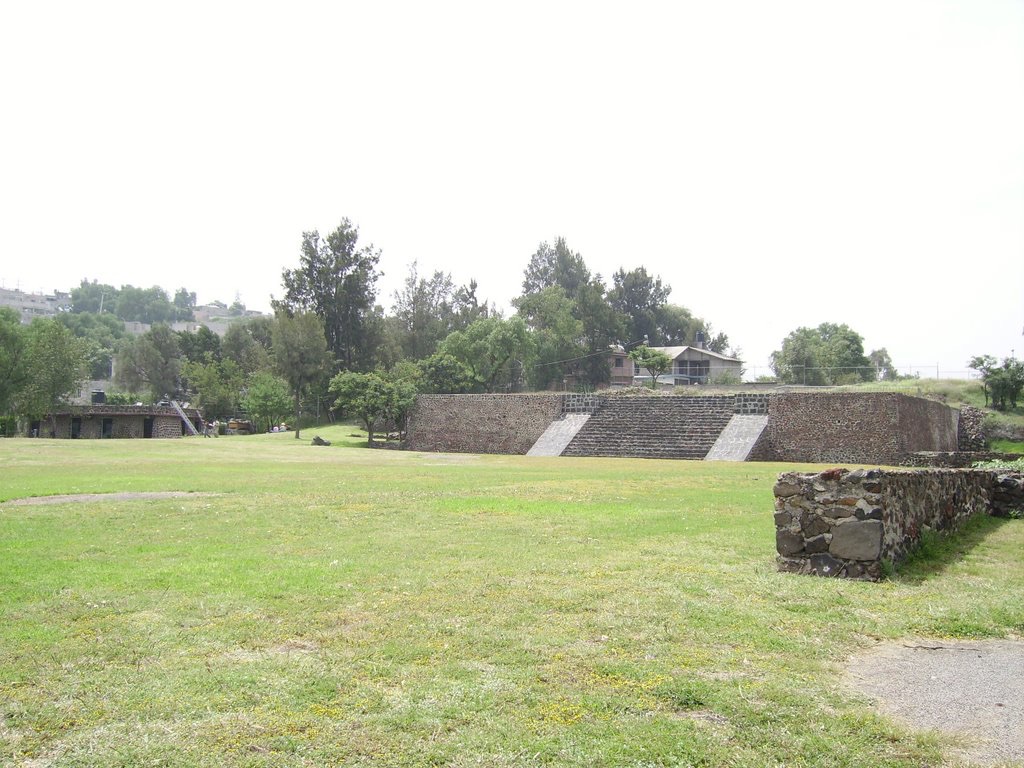
Chimalhuacán
Chimalhuacán is a city steeped in history, located in the State of Mexico. It boasts a rich pre-Columbian heritage, having been an…
-
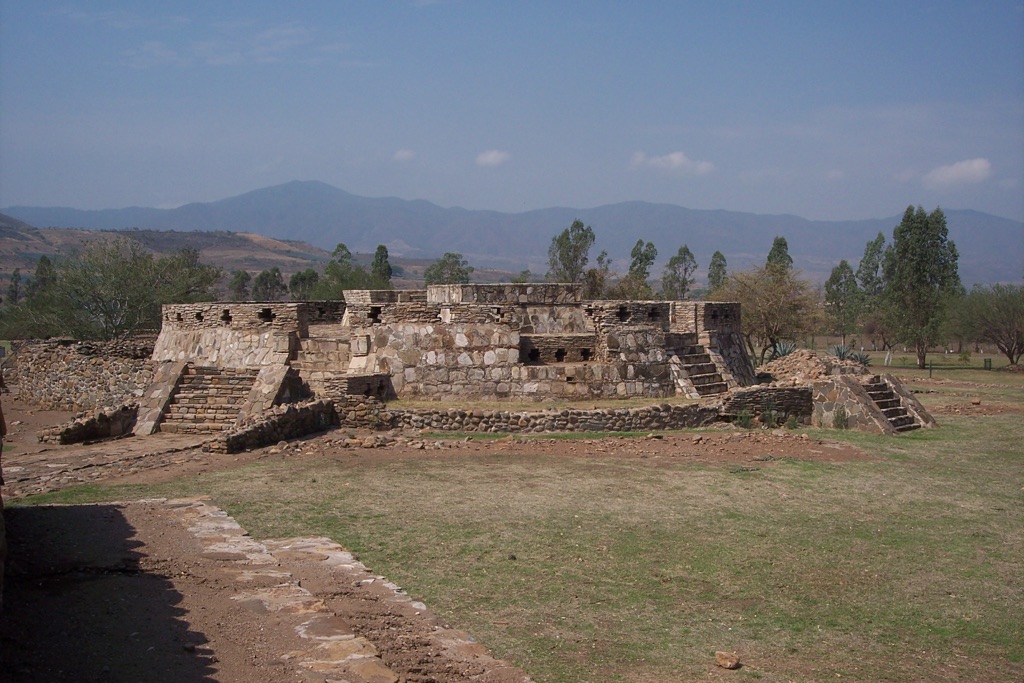
Ixtlán del Rio
Ixtlán del Rio is a significant archaeological site located in the state of Nayarit, Mexico. Known for its impressive array of stone…
-
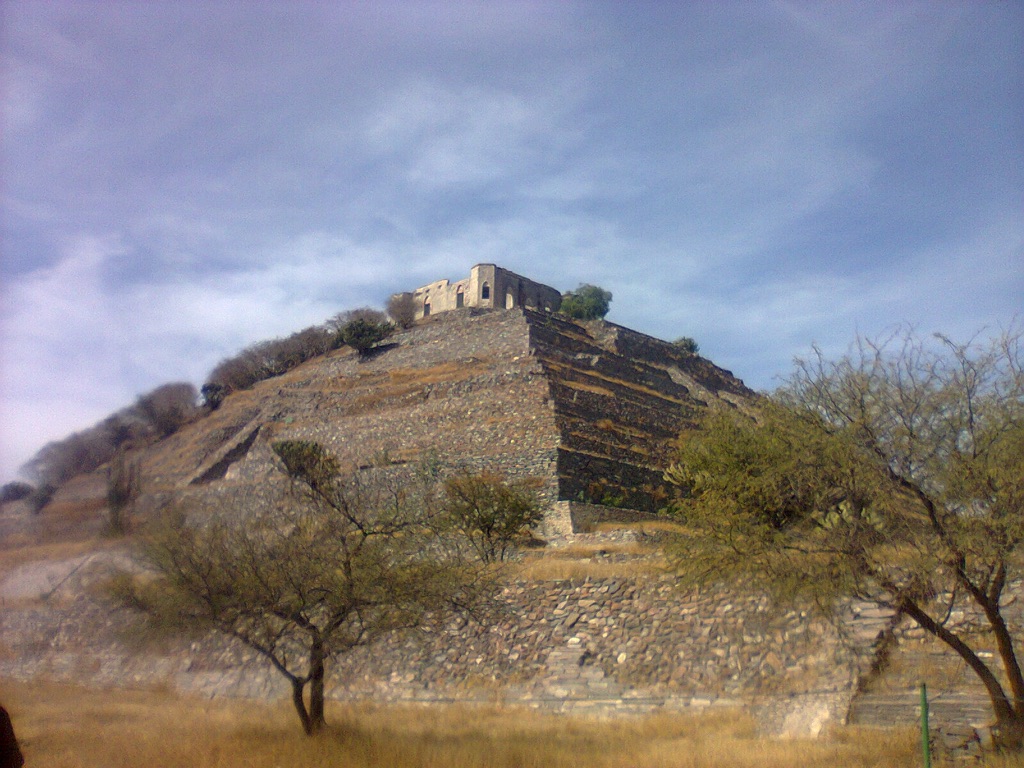
El Cerrito Archaeological Site
The El Cerrito Archaeological Site is a pre-Columbian archaeological location in Querétaro, Mexico. It showcases the remains of a temple complex that…
-
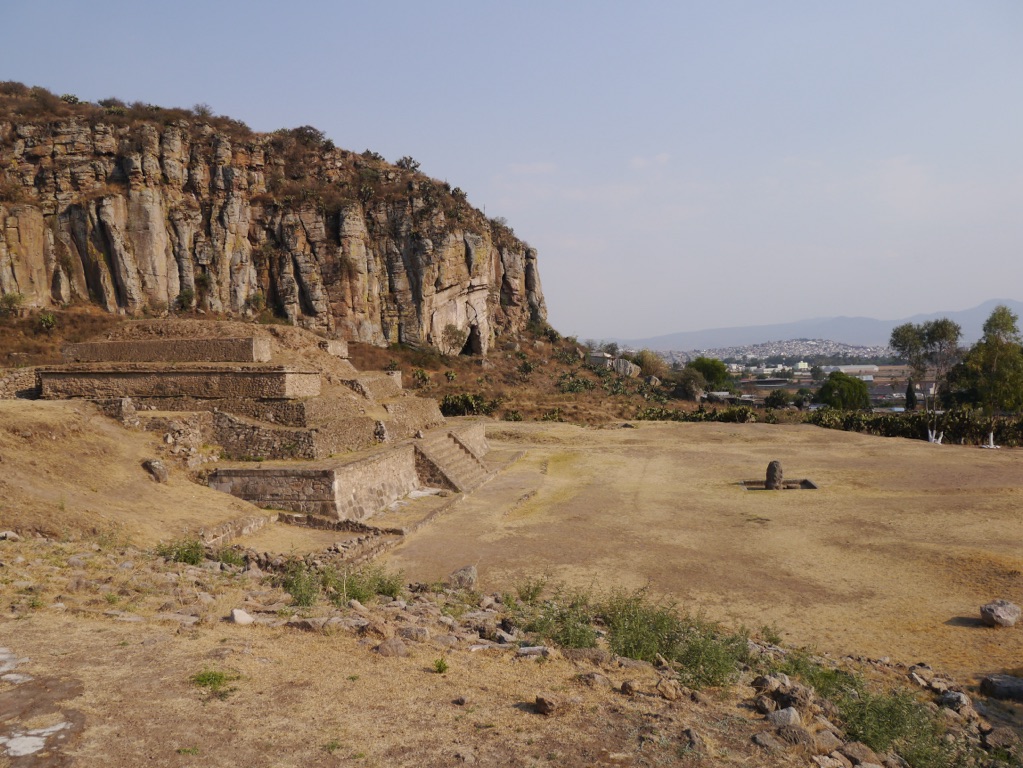
Huapalcalco
Huapalcalco, nestled in the heart of Mexico, stands as a testament to the region’s ancient civilizations. This pre-Columbian site bears the marks…