Khmer Empire
The Khmer Empire, one of the most powerful empires in Southeast Asia, ruled vast territories that encompass present-day Cambodia, Thailand, Laos, and Vietnam from the 9th to the 15th centuries. Famous for constructing the temple complex of Angkor Wat, the largest religious monument in the world, the empire’s heartland was in the region of Angkor. The Khmer empire religion was initially Hinduism, and later on, Buddhism, both of which influenced the empire’s incredible architectural achievements. Their sophisticated water management systems, like the barays and canals, supported large-scale rice agriculture, which sustained a sizable population.
The Khmer Empire’s social structure was hierarchical, with a god-king, known as the Devaraja, at its pinnacle, supported by a network of officials, priests, and commoners. Through this robust administrative system, the Khmer rulers, like Suryavarman II and Jayavarman VII, maintained control and facilitated prosperity and growth. The empire’s strategic khmer empire location at the crossroads of trade routes also facilitated cultural exchange and economic prosperity. In spite of its eventual decline, factors of which include possible climate change, invasions, and overuse of land, the Khmer Empire left an indelible mark on the region’s culture and history. Today, the remnants of the Khmer civilization attract scholars and tourists alike, seeking to understand their complex society and rich legacy.
-
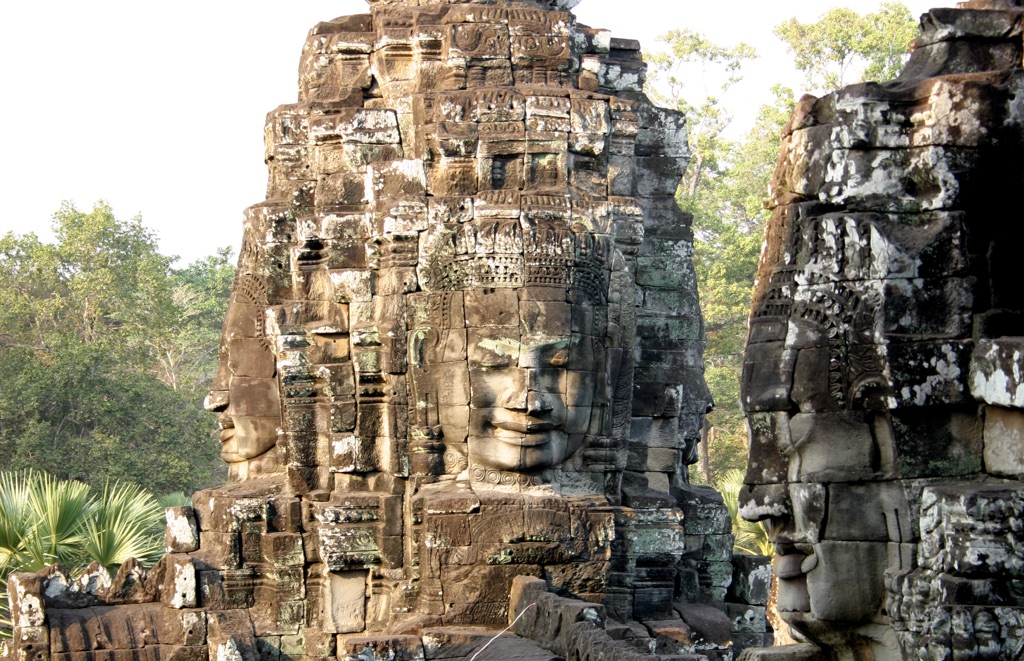
Angkor Thom
Angkor Thom, the last capital of the Khmer Empire, stands as a testament to Cambodia’s rich history. Founded by King Jayavarman VII…
-
Ak Yum
Ak Yum is an ancient temple located in the Angkor region of Cambodia. It predates the famous Angkor Wat and is one…
-
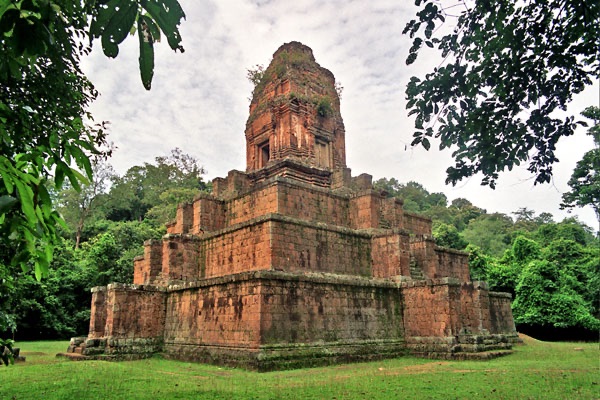
Baksei Chamkrong
Baksei Chamkrong is a towering temple located near the ancient city of Angkor in Cambodia. It stands as a testament to the…
-
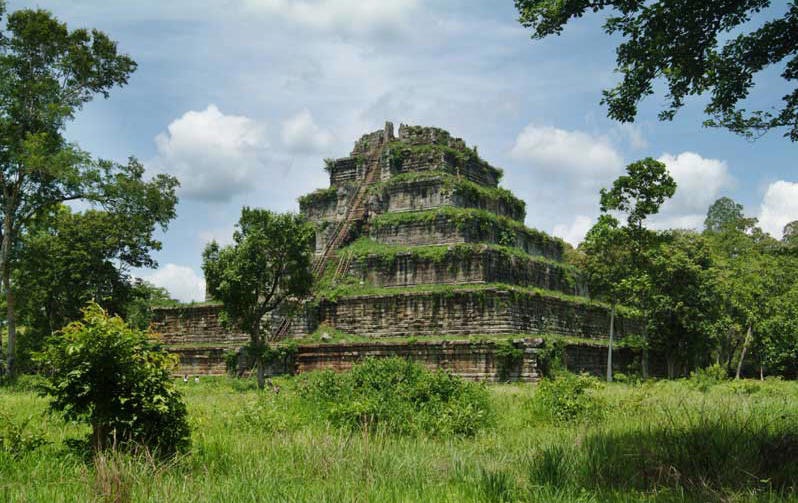
Koh Ker Pyramid
The Koh Ker Pyramid, also known as Prasat Thom, is a remarkable ancient structure located in northern Cambodia. It stands as a…
-
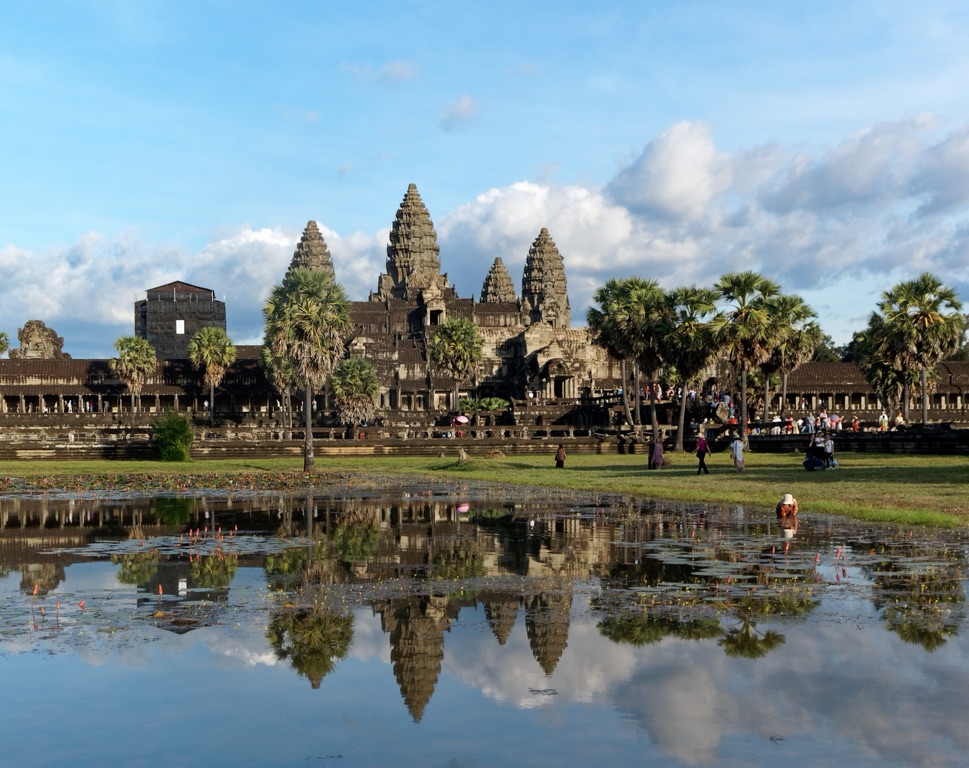
Angkor Wat in Cambodia
Angkor Wat stands as a testament to the architectural mastery of the Khmer civilization. Located in Cambodia, this temple complex was originally…
-
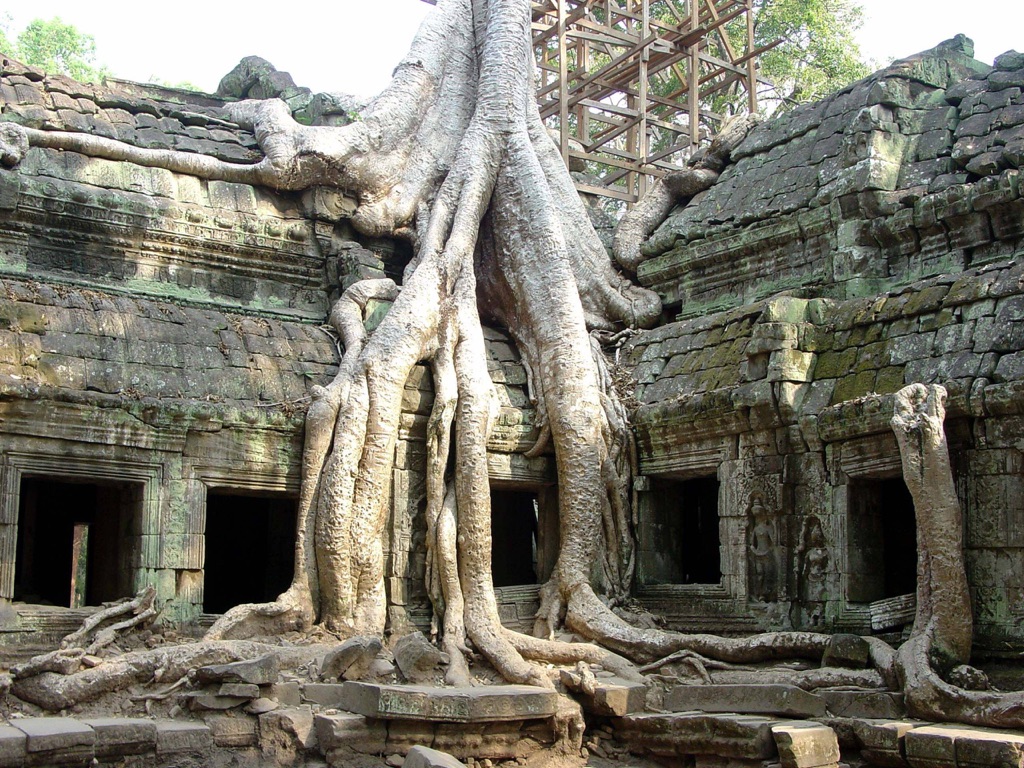
Ta Prohm Temple
Deep within the jungles of Cambodia, shrouded by the emerald foliage and the whispers of history, lies the enigmatic Ta Prohm Temple.…