Moche culture
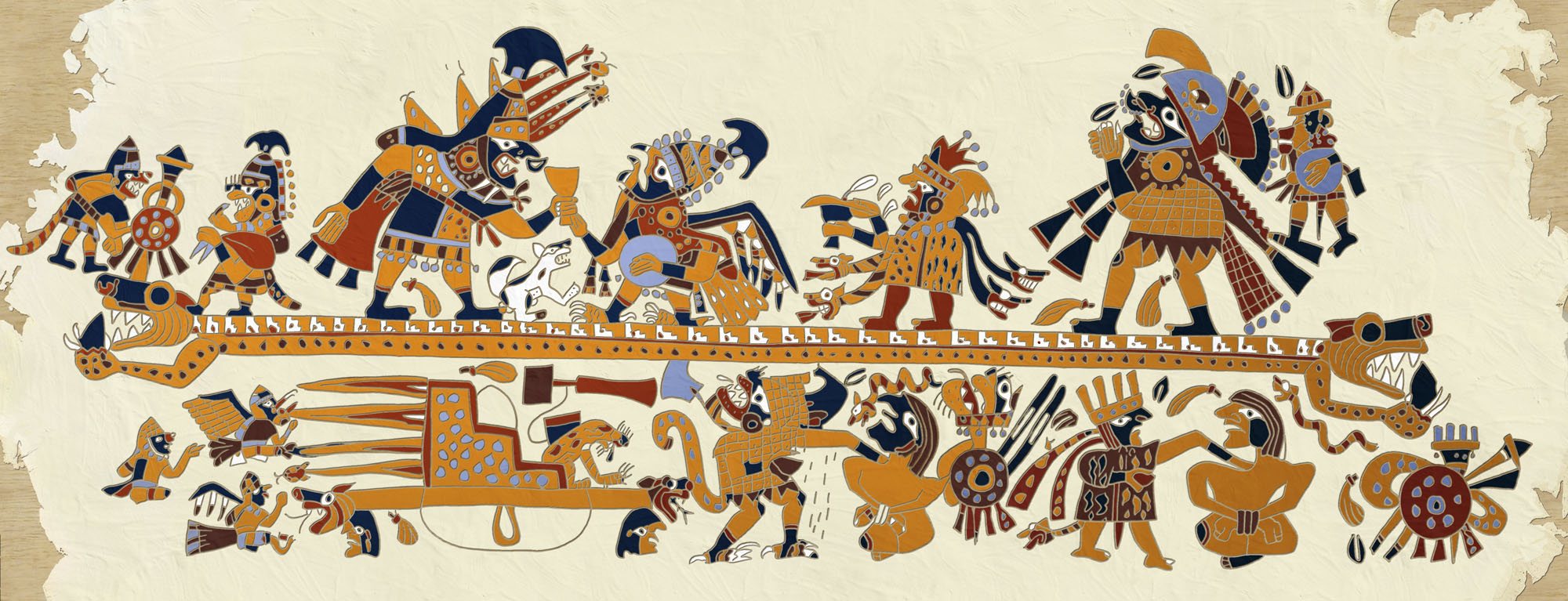
History of the Moche Culture
The Moche civilization, flourishing on the northern coast of Peru between approximately 100 AD and 800 AD, represents a significant chapter in the pre-Columbian history of South America. This period, often referred to as the Early Intermediate Period, saw the Moche culture evolve into a highly organized society, known for its sophisticated art, architecture, and complex social structures. The civilization’s development was closely tied to the valleys of the Moche and Chicama rivers, although their influence extended across various ecological zones.
The rise of the Moche culture is characterized by the construction of monumental structures and the establishment of a complex political and religious system. Their society was highly hierarchical, possibly governed by a priest-king class, which is evident from the rich iconography and elaborate burial practices. The decline of the Moche civilization around 800 AD remains a subject of scholarly debate, with theories ranging from climatic changes, such as the El Niño phenomenon, leading to catastrophic flooding and droughts, to internal conflicts and societal upheaval.
Art and Iconography
Moche art and iconography are among the most distinctive and expressive of ancient Peru. Their pottery, often in the form of stirrup spout bottles, is renowned for its fine detailing and realistic portrayal of human figures, animals, and mythical beings. These ceramics serve as a crucial window into Moche society, depicting scenes of warfare, agriculture, ritual sacrifice, and daily life.
Murals and friezes found at Moche archaeological sites further illustrate the culture’s rich mythological world and social practices. Textiles, another significant art form, display a variety of weaving techniques and intricate designs, indicating a highly developed knowledge of materials and dyes.
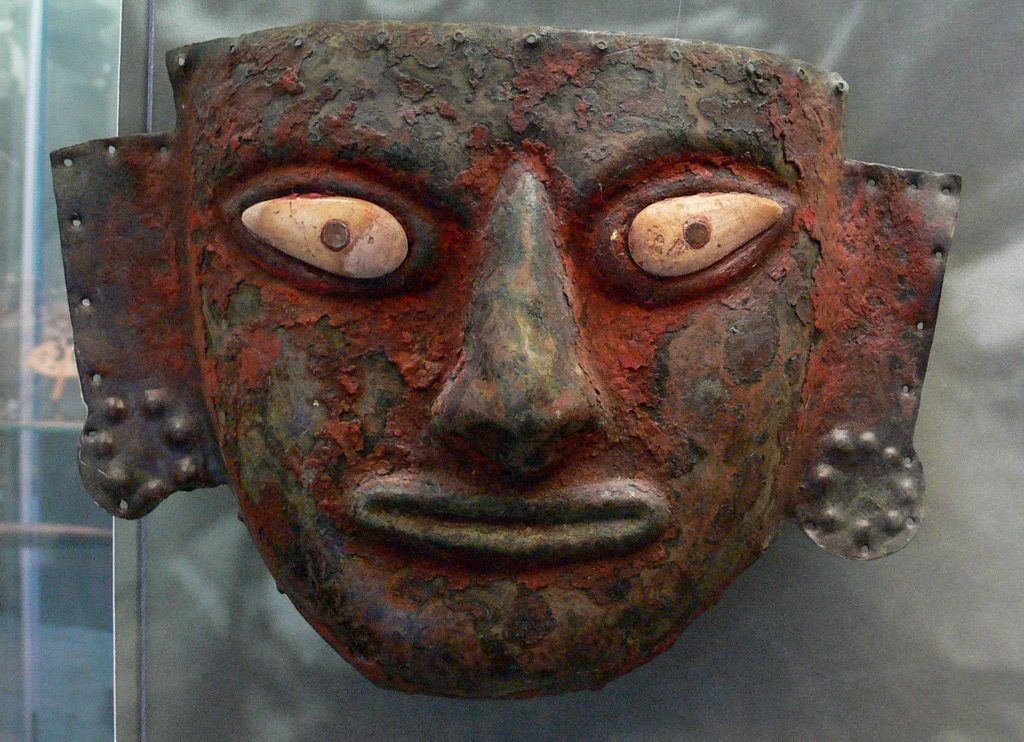
Architecture and Archaeological Sites
The Moche are perhaps best known for their monumental architecture, including the Huacas del Sol y de la Luna (Temples of the Sun and the Moon), which are among the largest adobe structures in the Americas. These pyramids served as religious and administrative centers and were likely the focal point of Moche ceremonial life. Other significant constructions include the Huaca Cao Viejo, renowned for its detailed murals, and the Huaca Rajada, where the elaborate tomb of the Lord of Sipán was discovered, shedding light on Moche burial practices and social hierarchy.
Society and Economy
Moche society was highly stratified, with an elite class that wielded significant religious and political power. This is evidenced by the opulent tombs of the Moche elite, filled with gold artifacts, ceramics, and textiles. The economy was largely based on agriculture, with sophisticated irrigation systems enabling the cultivation of crops in the arid coastal environment. Trade also played a crucial role, with evidence of exchange networks extending into the Andean highlands and beyond.
Religious Beliefs and Practices
Religion was central to Moche life, with a pantheon of gods that governed natural forces and human activities. The most prominent deity was the Ai Apaec, or the Decapitator, often depicted in Moche iconography as a fierce figure wielding a tumi (ceremonial knife). Rituals and ceremonies, including human sacrifice, were integral to Moche religious practice, believed to ensure agricultural fertility and balance within the cosmos.
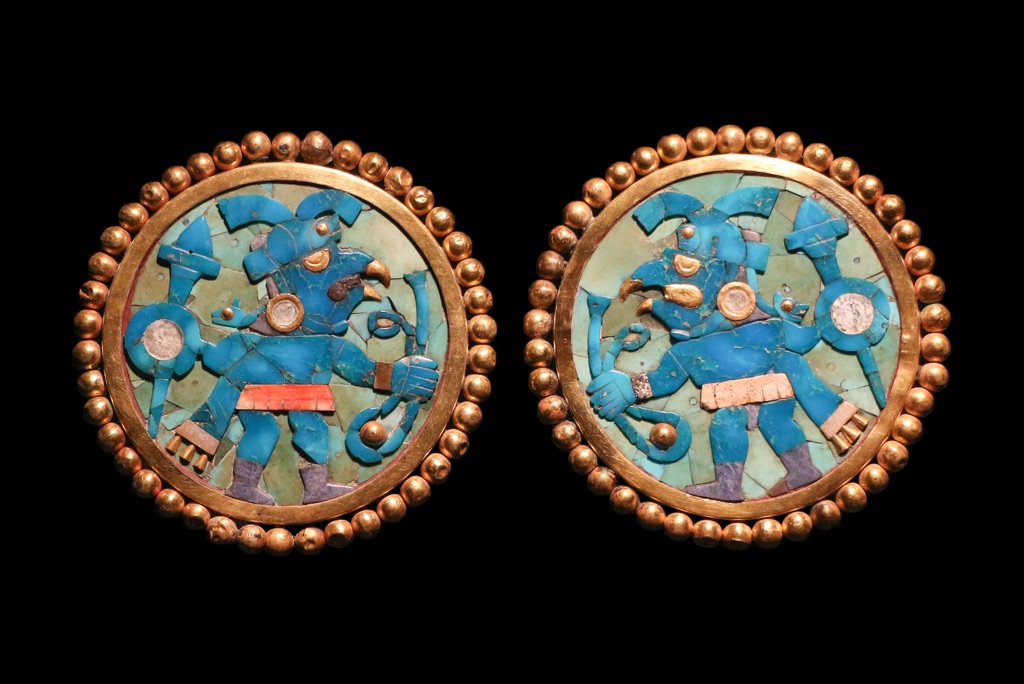
Technological and Scientific Achievements
The Moche were remarkable innovators, particularly in the fields of metallurgy, pottery, and water management. Their metallurgical skills are evidenced by the intricate gold and silver work found in elite burials, demonstrating advanced techniques such as soldering and alloying. In pottery, the Moche developed a sophisticated kiln technology that allowed for precise control over firing conditions. Water management was another area of expertise, with the construction of extensive irrigation canals and reservoirs enabling the Moche to thrive in their desert environment.
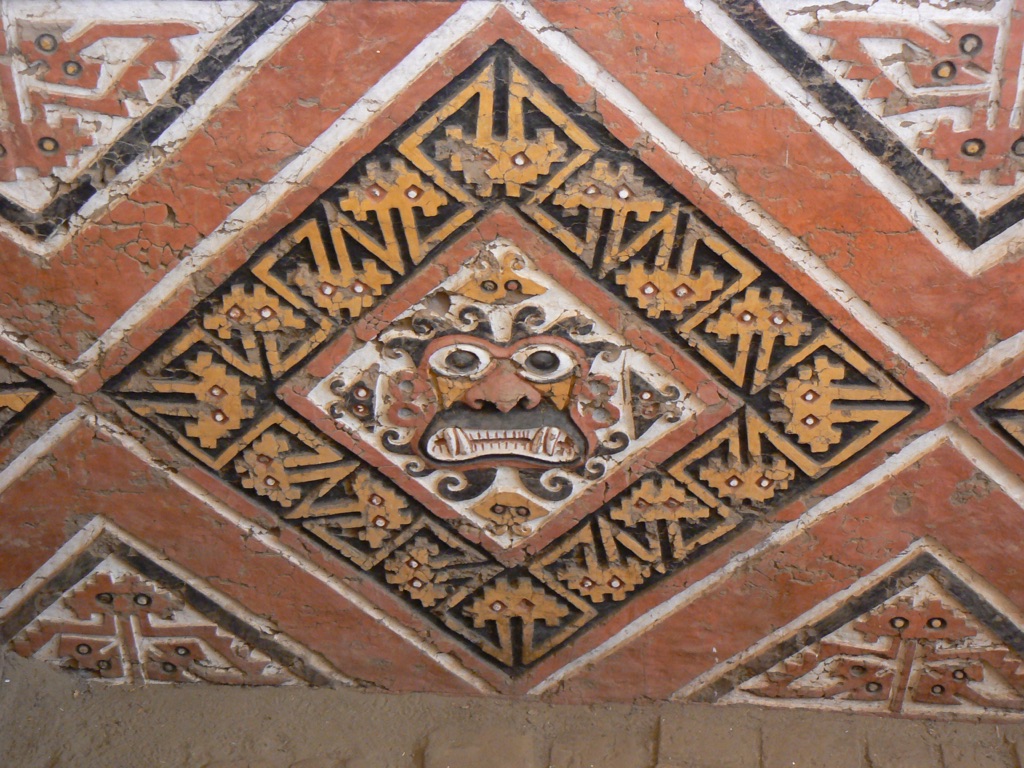
What is the Moche Culture?
The Moche culture was an ancient civilization that flourished on the northern coast of Peru between approximately 100 AD and 800 AD. Renowned for its sophisticated art, monumental architecture, and complex social structures, the Moche developed a highly organized society with a strong emphasis on agriculture, trade, and religious practices.
When Was the Moche Culture?
The Moche culture existed during the Early Intermediate Period of pre-Columbian Peru, approximately from 100 AD to 800 AD. This era is marked by the rise and fall of the Moche civilization, which spanned over seven centuries.
Where Did the Moche Culture Originate?
The Moche culture originated in the arid coastal regions of northern Peru, particularly in the valleys of the Moche and Chicama rivers. Their influence, however, extended across various ecological zones, from the desert coast to the Andean foothills.
What Happened to the Moche Culture?
The decline of the Moche culture around 800 AD is a subject of ongoing research and debate among historians and archaeologists. Several theories have been proposed, including environmental changes such as the El Niño phenomenon causing severe flooding and droughts, as well as internal societal conflicts and upheavals. Despite the decline of their civilization, the Moche left a lasting legacy through their contributions to art, architecture, and technology.
-
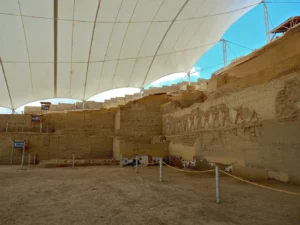
El Brujo
El Brujo Archaeological Complex The El Brujo Archaeological Complex is located in the Chicama Valley, north of Trujillo, La Libertad Province, Peru.…
-
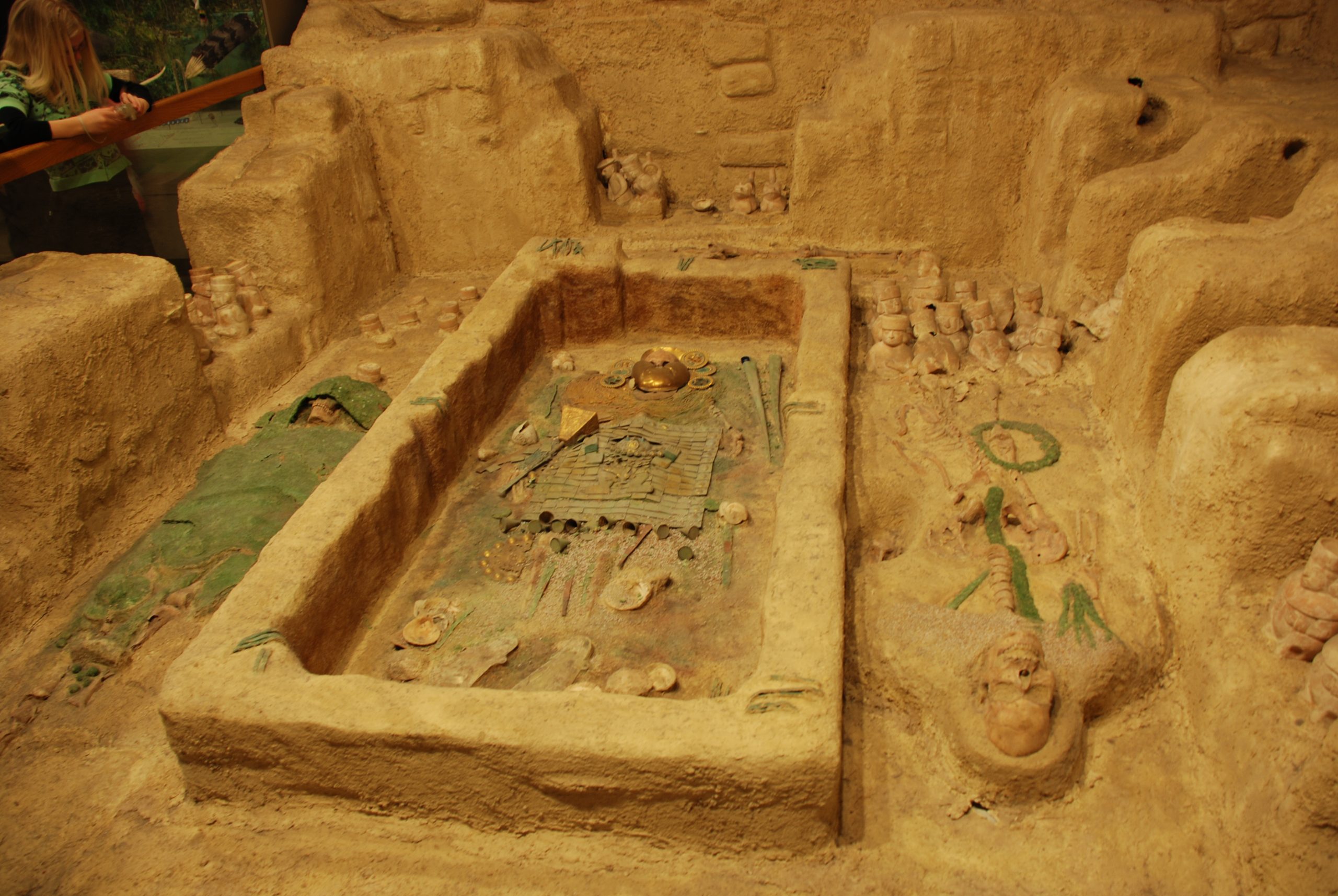
Royal Tombs Of Sipan
The Royal Tombs of Sipan are a series of pre-Columbian tombs belonging to the Moche civilization. Discovered in 1987 near the town…
-
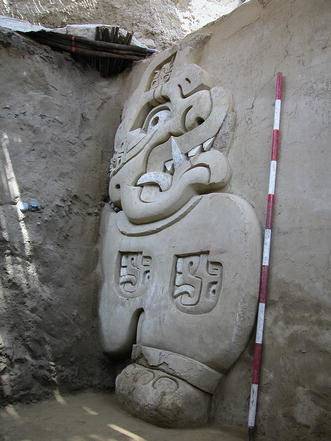
Feline of Huaca Partida
The feline of Huaca Partida is a significant artifact discovered in Peru. It represents the Moche culture, known for its pottery, architecture,…
-
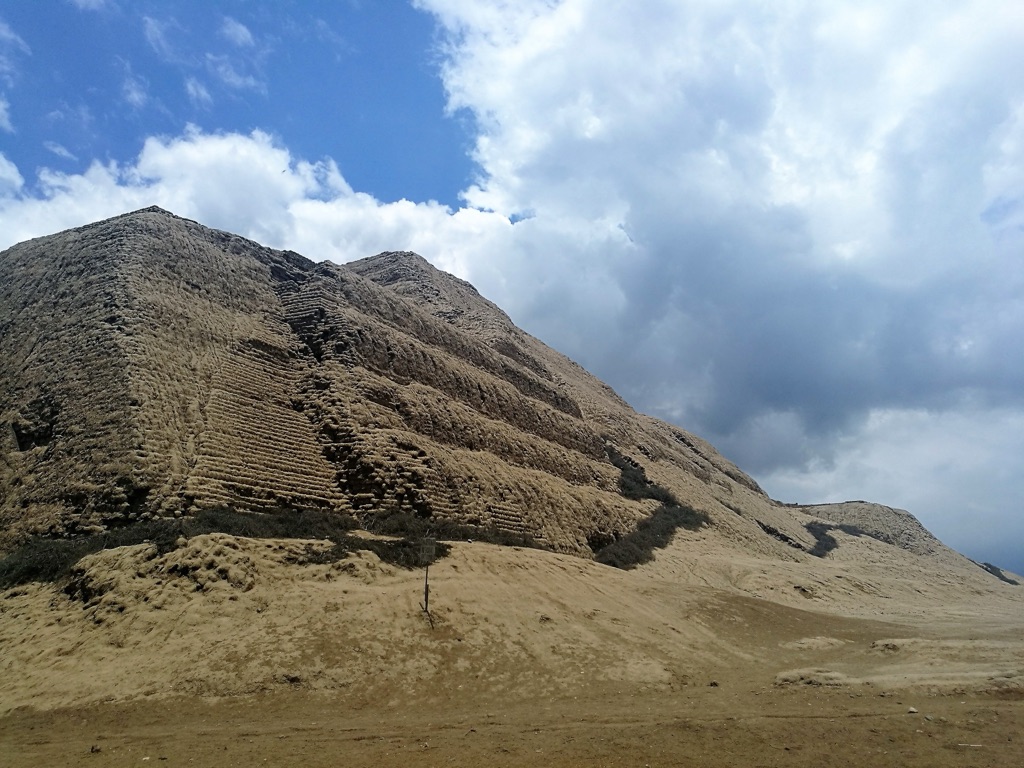
Huaca del sol
Huaca del Sol stands as a testament to the might and skill of the Moche civilization. This ancient adobe brick temple, located…
-
Huaca de la Luna
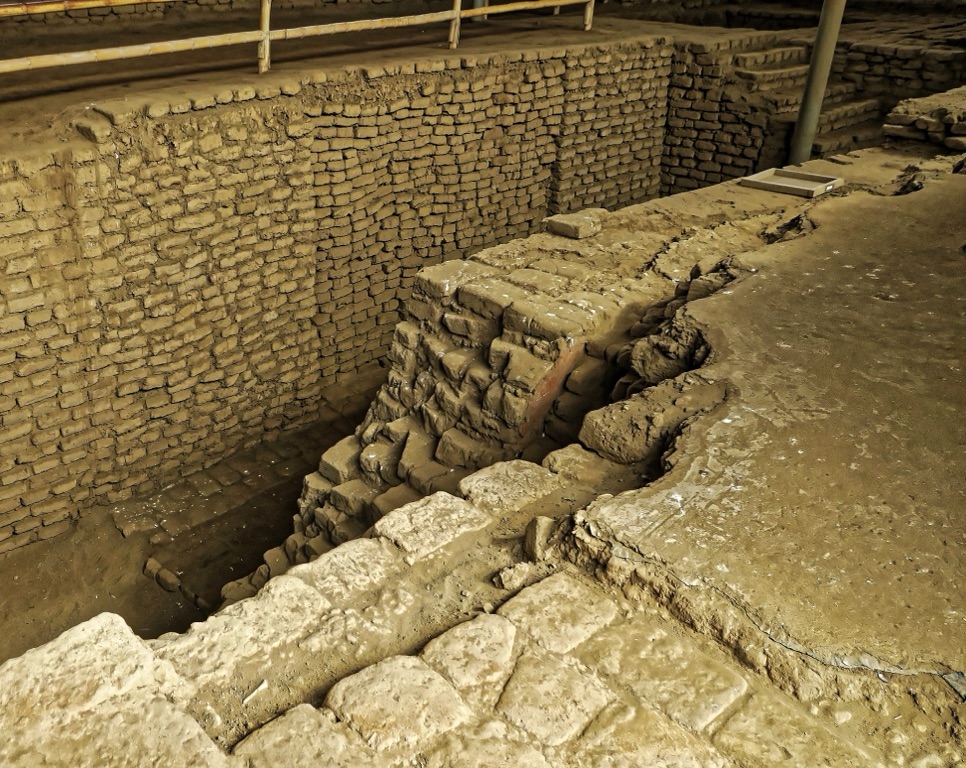
Huaca de la Luna is a mesmerizing testament to the Moche civilization, dating back to AD 100-800. Nestled in the arid coastal…
-
Huaca Toledo
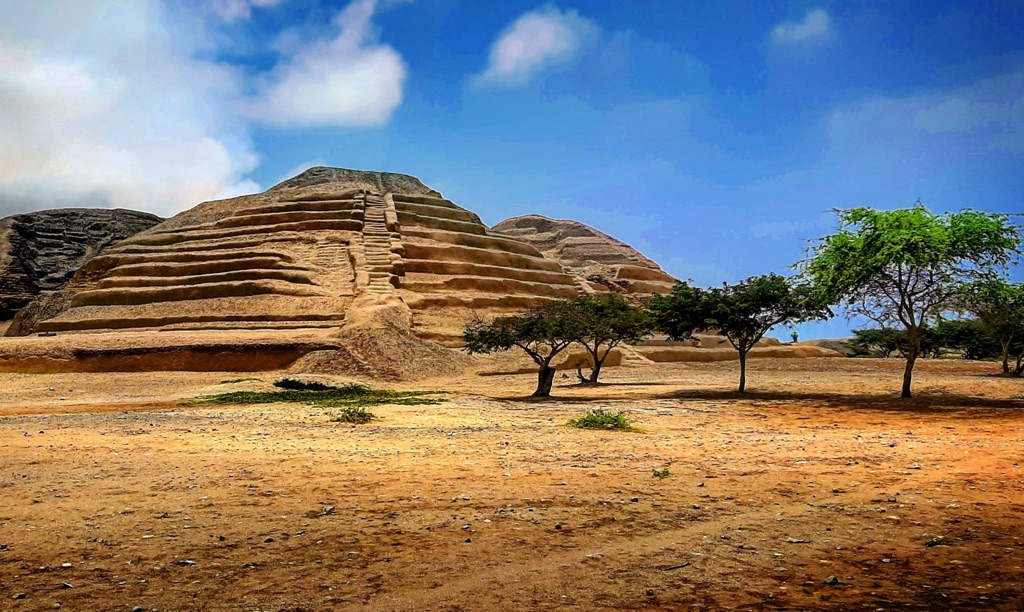
Located in the verdant valleys of Peru, Huaca Toledo stands as a testament to the rich cultural history of the pre-Inca civilisations.…