Ming Dynasty
The Ming Dynasty, lasting from 1368 to 1644 CE, was a period of orderliness and grandeur in China. It marked the resurgence of Han Chinese control after the Mongol-led Yuan Dynasty. The Ming era is well-known for strengthening the Great Wall and building the Forbidden City, which stood as the imperial palace in Beijing. The dynasty is celebrated for its cultural prosperity, including advancements in literature, philosophy, and the fine arts. With a stable government, the Ming emperors established a robust administrative structure that bolstered China’s economy and expanded its international trade, especially through the famed maritime voyages of Admiral Zheng He.
During the Ming dynasty time period, China became one of the world’s most powerful and wealthiest nations. The Ming porcelain is particularly revered, and its techniques have been passed down through generations, still coveted today. This period also saw the compilation of the monumental Yongle Encyclopedia, which represented the vast knowledge and achievements of the Chinese civilization. Ming dynasty emperors like Yongle and Wanli are key figures, each leaving distinct imprints on China’s history with their pursuits in governance, expansion, and the arts. The legacy of the Ming Dynasty continues to shape modern China and contributes significantly to the global understanding of Chinese culture and history.
-
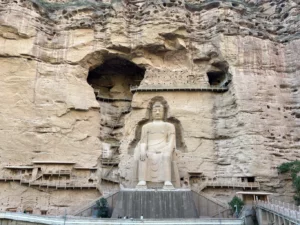 Historical Places, Ming Dynasty, Northern Wei Dynasty, Northern Zhou Dynasty, Qing Dynasty, Religious Structures, Song Dynasty, Tang Dynasty, Temples, Western Jin Dynasty, Western Qin Kingdom, Yuan dynasty
Bingling Temple Grottoes
The Bingling Temple Grottoes: A Marvel of Ancient Buddhist Art The Bingling Temple Grottoes are carved into a cliffside on the west…
-
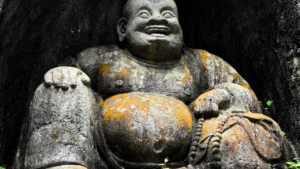
Fei Lai Feng Grottos Hangzhou
The Feilai Grottoes, also known as the Feilai Feng Caves, are a stunning collection of Chinese Buddhist art. Carved into the limestone…
-
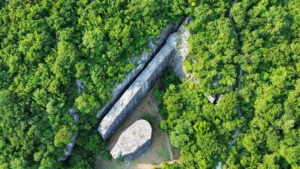
Yangshan Quarry in China
Yangshan Quarry stands as a testament to the grandeur of China’s imperial history. Nestled in the outskirts of Nanjing, this monumental site…
-
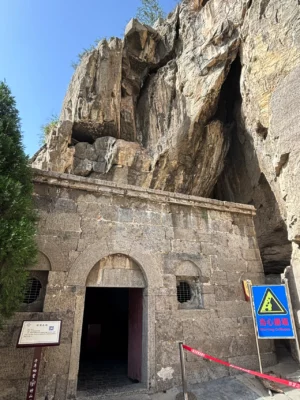
Xiangtangshan Caves
Historical Significance of Xiangtangshan Caves Artisans first carved the Xiangtangshan Caves during the Northern Qi Dynasty, between AD 550 and 577. Subsequently,…
-

Tomb of King Minglu
The Historical Significance of King Minglu’s Tomb King Minglu’s tomb, a significant archaeological site, offers a profound glimpse into China’s rich past.…
-
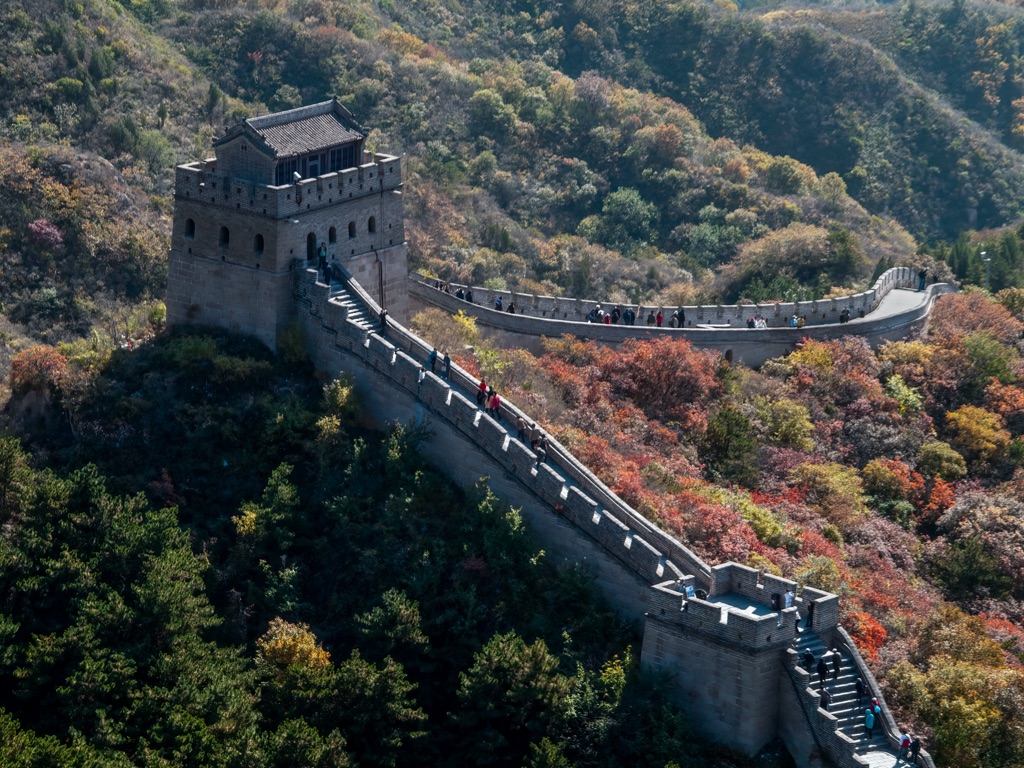
Great Wall of China
The Great Wall’s history dates back to the Spring and Autumn period when several walls were constructed. The first Emperor of China,…