Casma Sechin culture
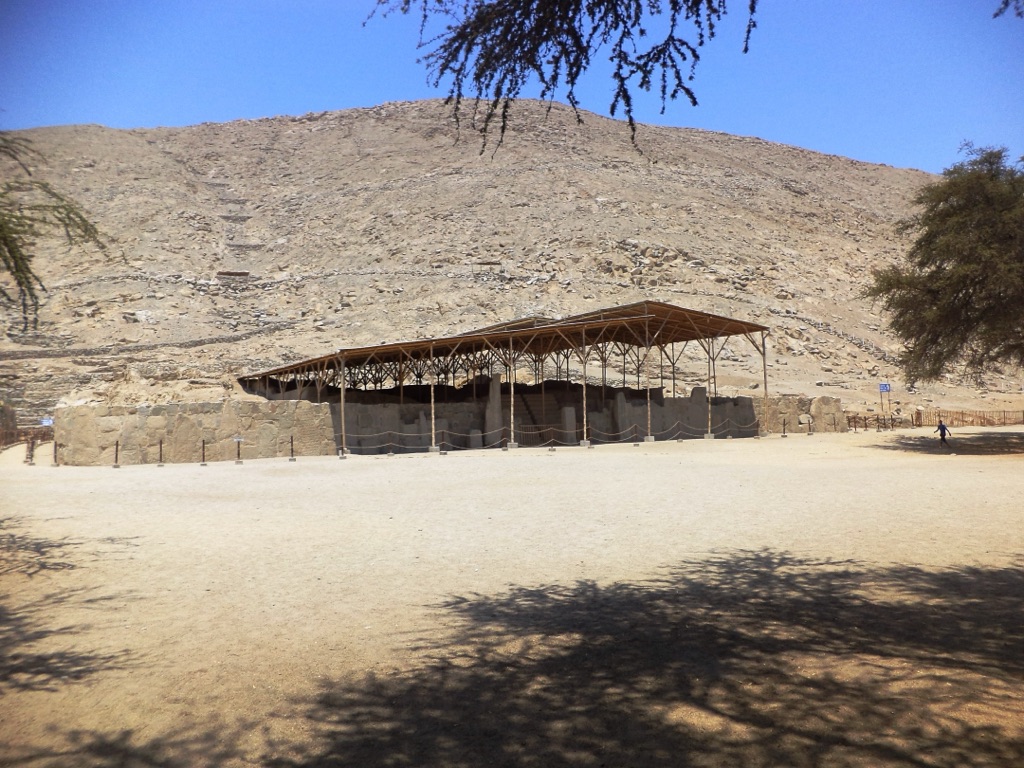
The Casma/Sechin culture, an ancient civilization that thrived in the coastal regions of what is now Peru, is one of the most fascinating yet enigmatic cultures of ancient South America. Flourishing between approximately 3600 BCE and 200 CE, this culture was centered around the Casma Valley, an area rich in resources and conducive to the development of complex societies. The Casma/Sechin people are renowned for their architectural achievements, agricultural innovations, and distinctive art, which have left a lasting legacy in the archaeological record.
One of the most remarkable aspects of the Casma/Sechin culture is their monumental architecture, exemplified by the Sechin Bajo site, which features one of the oldest known ceremonial plazas in the Americas. This plaza, along with other structures such as the Sechin Alto complex, showcases the advanced construction techniques and societal organization of the Casma/Sechin people. These sites were not only centers of religious and ceremonial activities but also served as focal points for the community, highlighting the culture’s sophisticated social structure.
Agriculture played a pivotal role in the development and sustainability of the Casma/Sechin culture. They were among the early Andean societies to implement irrigation techniques, allowing them to cultivate crops in the arid coastal environment. This agricultural innovation supported a growing population and led to the accumulation of surplus resources, which in turn facilitated the development of complex societal structures, including a distinct social hierarchy and specialized labor.
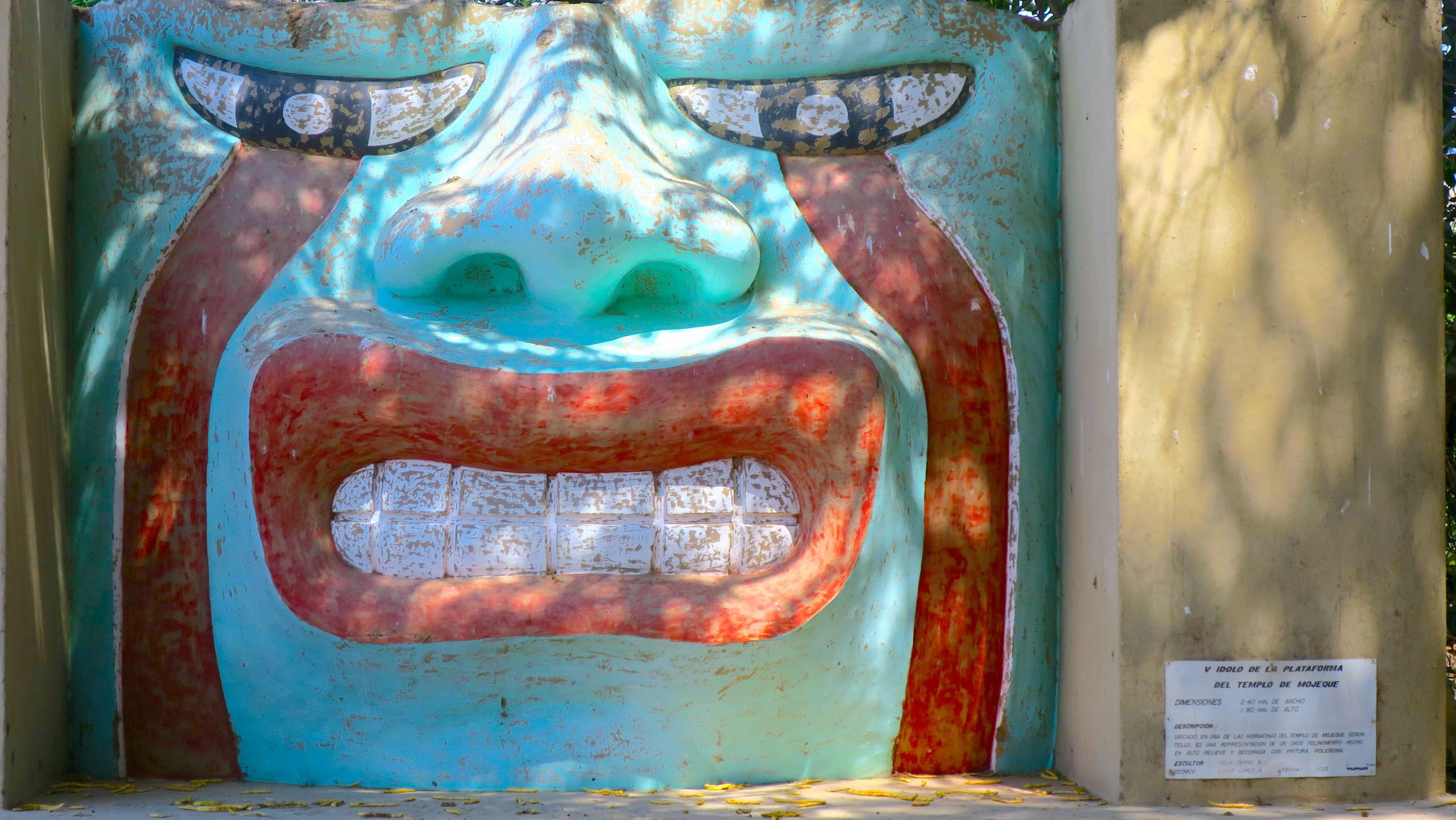
The art of the Casma/Sechin culture is another testament to their complexity and creativity. Their iconography, often depicted on stone carvings and pottery, includes intricate designs and motifs that are believed to represent cosmological beliefs and religious practices. These artworks provide valuable insights into the spiritual and daily life of the Casma/Sechin people, depicting a wide range of subjects from human figures to mythical creatures and symbols of power.
Despite their achievements, much about the Casma/Sechin culture remains a mystery. The reasons behind the decline and eventual disappearance of this civilization are still subjects of speculation and research. Some theories suggest environmental changes, while others point to internal conflicts or the influence of neighboring cultures as possible factors. Nevertheless, the legacy of the Casma/Sechin culture continues to be a subject of fascination and study, contributing significantly to our understanding of pre-Columbian societies in the Americas.
In conclusion, the Casma/Sechin culture represents a remarkable chapter in the history of ancient South America. Through their architectural marvels, agricultural advancements, and distinctive art, they have left an indelible mark on the cultural landscape of the region. As archaeological techniques advance and new discoveries are made, it is hoped that further light will be shed on this intriguing civilization, revealing more about their way of life, beliefs, and the reasons behind their decline.
-
Cerro Sechín
Cerro Sechín, an archaeological site located in the Casma Province of the Ancash Region in northern Peru, represents one of the most…
-
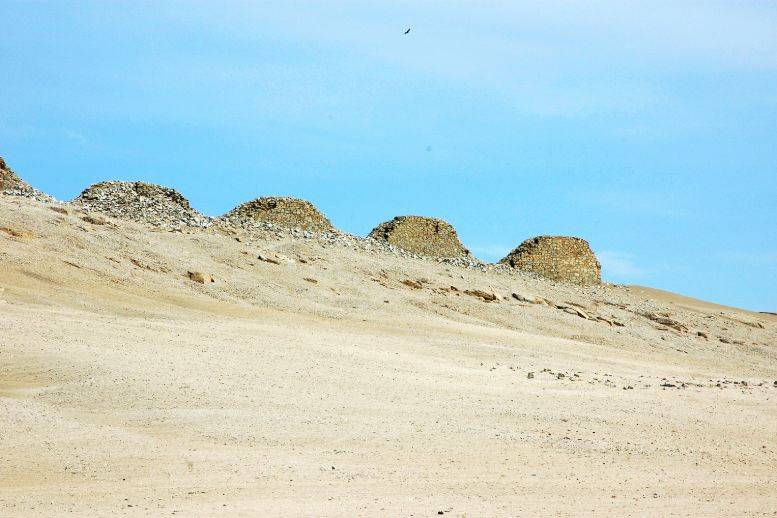
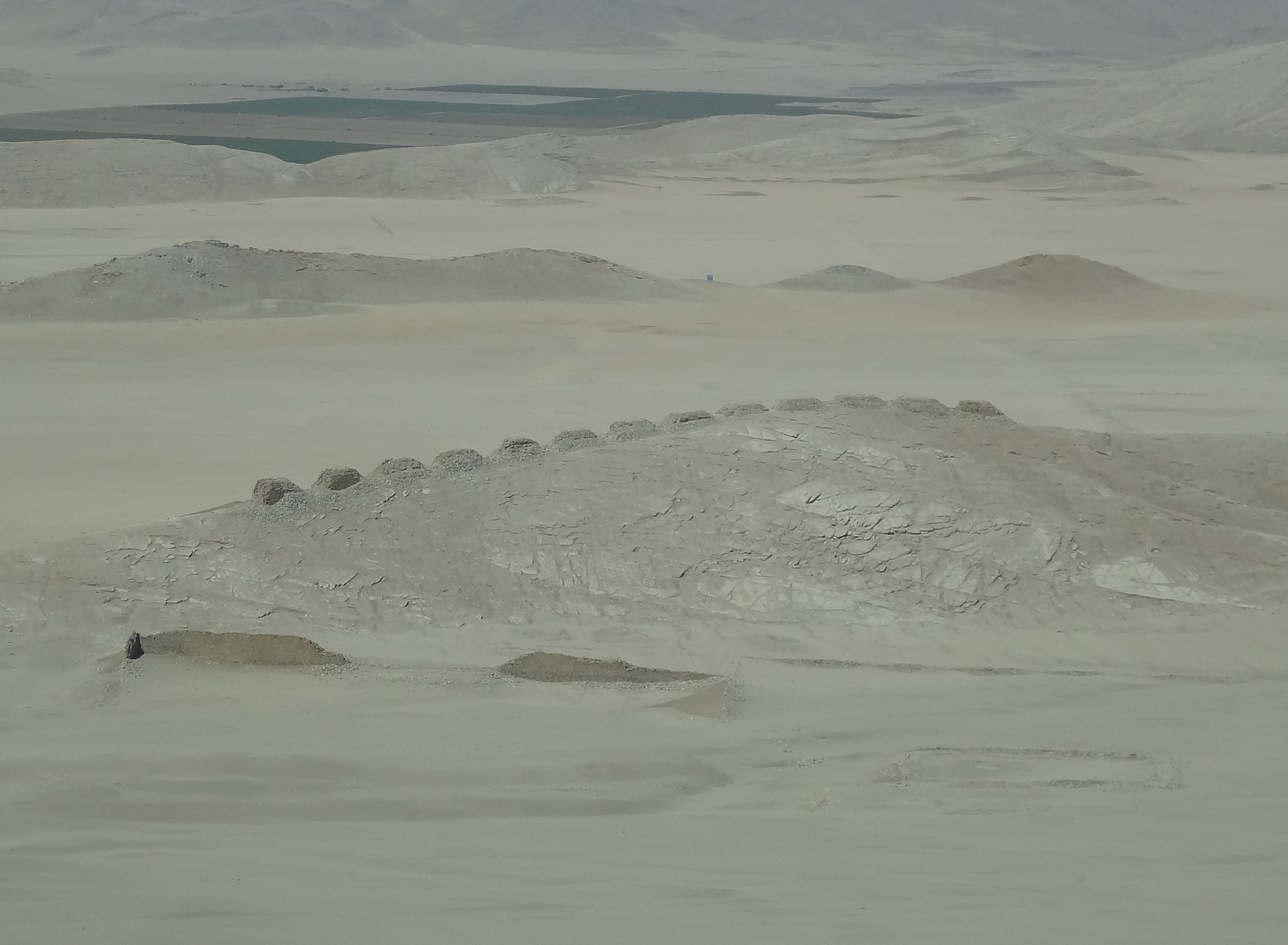
The Chankillo Archaeoastronomical Complex
The Chankillo Archaeoastronomical Complex is a prehistoric site located in the coastal desert of Peru. Dating back to the 4th century BC,…