Chachapoya civilization
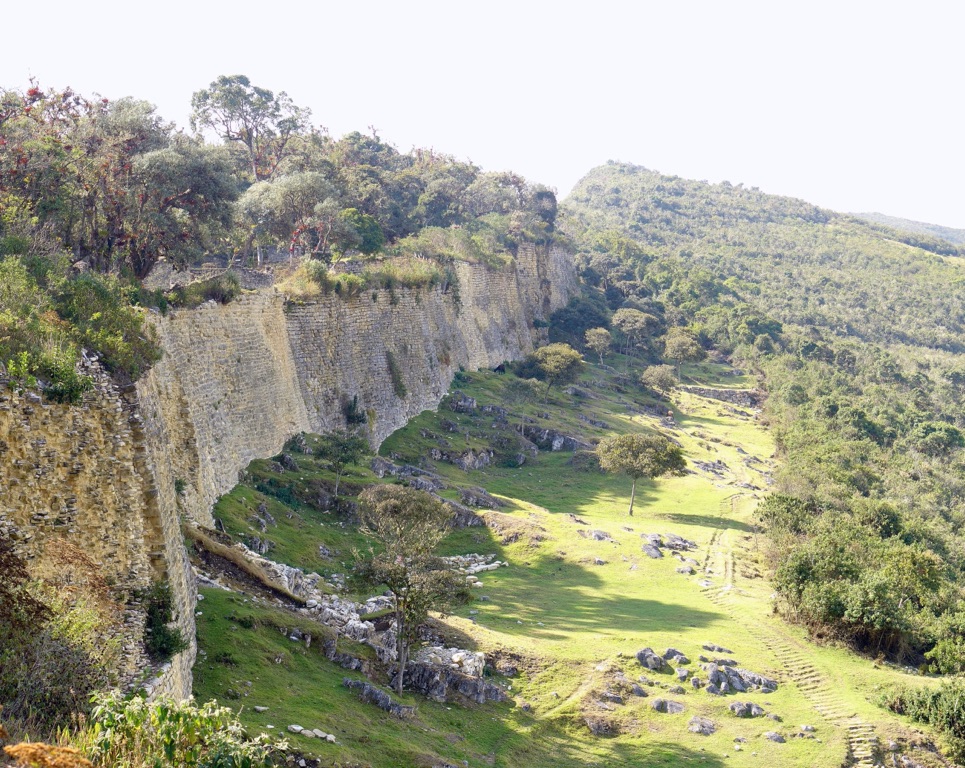
The Chachapoya civilization, also known as the Chachapoyas, were a people living high in the cloud forests of the Amazonas region in Peru. They thrived from 800 AD to around the time of the Spanish conquest in the 1500s. This civilization left behind impressive ruins that echo their prowess in engineering and architecture. The most famous site, Kuelap, features massive stone walls and hundreds of buildings blanketed in the green of the forest. Archeologists study the remnants of their culture, eager to understand their way of life. Their buildings, pottery, and textiles show a unique artistry and skill. The Chachapoyas also mummified their dead, placing them in cliffside mausoleums. These practices provide a glimpse into their beliefs surrounding death and the afterlife.
Despite their mystery, the Chachapoya civilization made a lasting impact on Andean history. They left a legacy of strong, warrior-like people who adapted to their harsh environment. Living among the clouds required remarkable survival skills and knowledge of the land. The Chachapoyas also engaged in trade with other Andean cultures. This interaction spread their influence far beyond the mountains they called home. Today, their descendants carry on some of their traditions, blending the past with the present. The remains of the Chachapoya civilization serve as sources of national pride and cultural identity for Peruvians and interest historians worldwide.
The Chachapoyas’ architectural prowess is not only evident in the grandeur of Kuelap but also in their intricate burial sites and ceremonial centers scattered throughout the Ucayali and Marañón River basins. These structures, often built with large limestone blocks, showcase a sophisticated understanding of construction and a deep connection to their environment. The sarcophagi of Karajia, towering figures built into cliff faces to house the elite dead, exemplify their unique approach to honoring those who passed. Their agricultural terraces, which still mark the landscape, highlight their innovation and adaptability in farming techniques, ensuring food security in the challenging terrain of the Andes. The Chachapoyas’ ability to thrive in such a demanding environment speaks volumes about their resilience and ingenuity.
Furthermore, the Chachapoyas culture was rich in myths and legends, which have been passed down through generations and remain a vital part of the region’s cultural heritage. Their mythology, intertwined with the natural world around them, reflects a society that revered the earth and its cycles. The cloud warriors, as they are sometimes called, are believed to have had a matriarchal society, which is a subject of fascination among historians and archaeologists. This aspect of their social organization suggests a unique approach to leadership and societal structure within the Andean cultures. As research continues, the Chachapoyas civilization’s contributions to Andean history and culture become increasingly apparent, offering new insights into the complexity and diversity of pre-Columbian societies in South America.
Chachapoya civilization archaeological sites and artifacts
FAQ: Unveiling the Mysteries of the Chachapoya Civilization
Who were the Chachapoyas?
The Chachapoyas, often referred to as the “Warriors of the Clouds,” were a civilization that flourished in the cloud forests of the Amazonas region in Peru from around 800 AD until the Spanish conquest in the 1500s. Renowned for their architectural and engineering skills, they constructed formidable structures such as Kuelap, a massive stone fortress that stands as a testament to their mastery. The Chachapoyas developed a unique culture, evident in their intricate pottery, textiles, and the mummification practices of their dead. These practices, along with their cliffside mausoleums, offer insights into their beliefs and customs surrounding death and the afterlife.
What was the Chachapoya civilization known for?
The Chachapoya civilization was known for its impressive architectural feats, particularly the fortress of Kuelap, which features high stone walls and hundreds of circular buildings, enveloped in the lush greenery of the Amazonas region. Their artistry is also evident in their pottery and textiles, which display a distinct style that sets them apart from other Andean cultures. Furthermore, the Chachapoyas are recognized for their unique burial practices, including the mummification of the dead and the construction of cliffside mausoleums, which reflect their complex beliefs about the afterlife. Despite the challenges posed by their environment, the Chachapoyas thrived, developing a society that was both resilient and interconnected with neighboring cultures through trade.
How did the Chachapoya civilization impact Andean history?
The Chachapoya civilization had a significant impact on Andean history through their contributions to architecture, art, and cultural practices. Their ability to adapt and thrive in the challenging cloud forest environment added a unique chapter to the story of human resilience and ingenuity. The trade networks they established with other Andean cultures facilitated the exchange of goods, ideas, and cultural practices, spreading their influence across the region. Even after their decline following the Spanish conquest, the legacy of the Chachapoyas continued to shape the cultural landscape of Peru. Their descendants, who preserve some of their ancestral traditions, along with the archaeological remains of their civilization, contribute to the rich tapestry of Peruvian national pride and identity. The study of the Chachapoya civilization offers valuable insights into the diversity and complexity of pre-Columbian societies in the Andes.
-
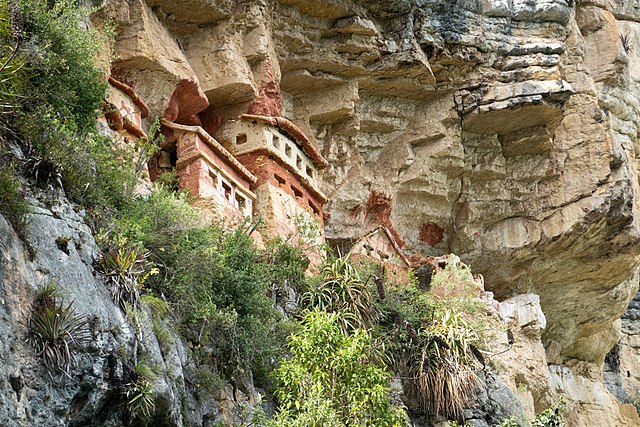
Revash – Ancient Peruvian Funerary Architecture
Revash is a historical archaeological site located in the Utcubamba Valley in Peru. Known for its striking funerary houses or mausoleums, the…
-
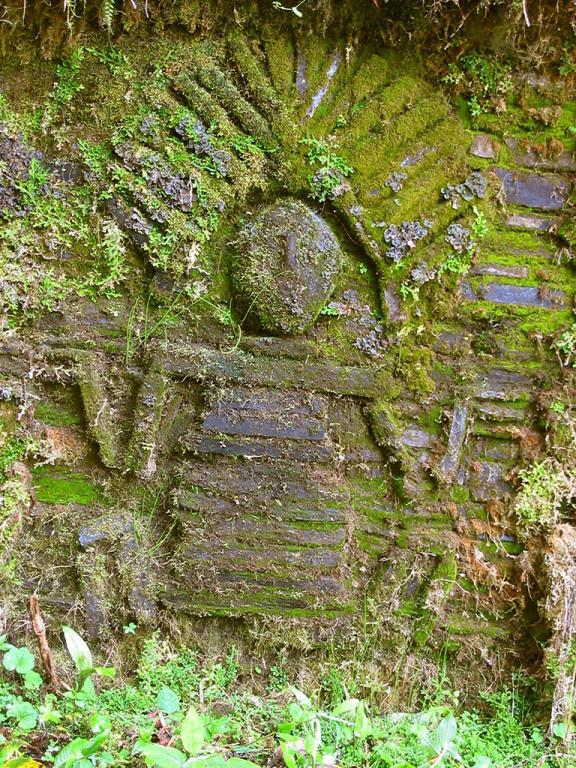
Gran Pajatén
Gran Pajatén is an archaeological site nestled in the Andean cloud forests of Peru. Discovered in 1965, it’s known for its intricate…
-
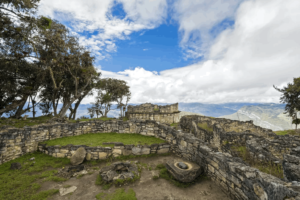
Kuélap
Kuélap, often referred to as the ‘Machu Picchu of the north’, is a historical site located in the northeastern Andes of Peru.…
-
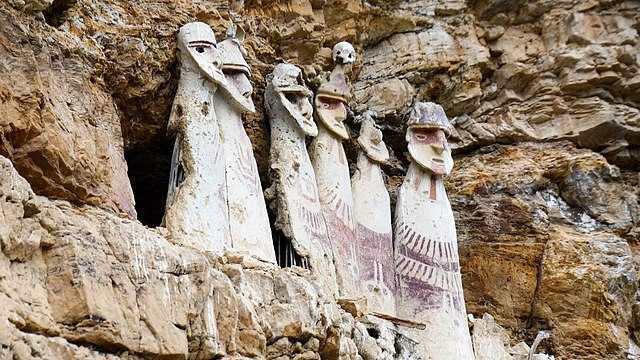
The Sarcophagi of Carajía
The Sarcophagi of Carajía (Sarcófagos de Carajía in Spanish) are a group of seven anthropomorphic wooden coffins located in the remote mountains…