Yuan dynasty

The Yuan dynasty, established by Kublai Khan, grandson of the legendary Mongol conqueror Genghis Khan, marked a significant epoch in the annals of Chinese history. It was the first time the entire realm of China was governed by non-Han rulers, stretching from 1271 to 1368. Kublai Khan, after consolidating his power, declared the inception of the Yuan dynasty in 1271, and in 1279, he completed the conquest of the Southern Song dynasty, unifying China under Mongol rule. This era was characterized by profound cultural exchanges, administrative reforms, and the expansion of the empire’s boundaries to encompass much of Eurasia.
The Yuan dynasty’s capital was established in Khanbaliq, present-day Beijing, which became a cosmopolitan center, attracting merchants, scholars, and artists from across the known world. The famed Venetian explorer Marco Polo is perhaps the most renowned Westerner to have visited China during this period, and his accounts provide invaluable insights into the wealth and sophistication of Yuan China. The dynasty fostered an environment where the Silk Road flourished, facilitating unprecedented cultural and economic exchanges between the East and West. This period saw the introduction of paper money as a government monopoly, which had a profound impact on the economy.
Administratively, the Yuan dynasty was notable for its adoption of a hierarchical system that placed Mongols at the apex of society, followed by non-Han subjects, with the Han Chinese and Southern Chinese at the bottom. Despite this, the Yuan rulers implemented several policies that integrated diverse cultures and promoted stability and prosperity. The dynasty made significant contributions to Chinese literature, theater, and the arts, with the development of the novel and drama as notable achievements. The use of the Phags-pa script as the official writing system exemplified the cultural syncretism of the era.
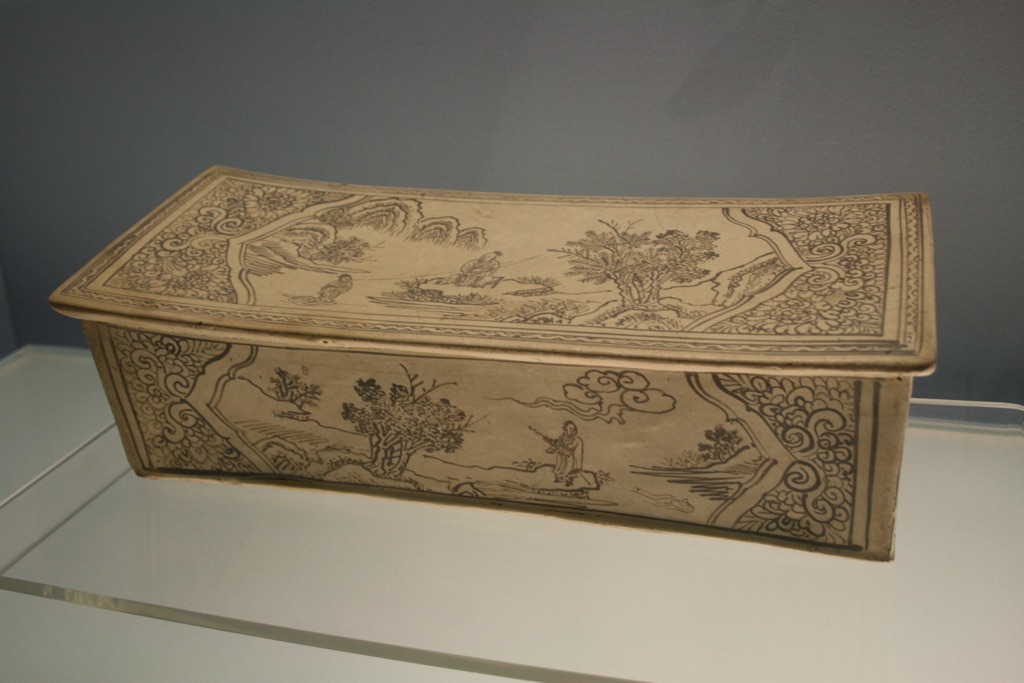
One of the most ambitious projects undertaken during the Yuan dynasty was the massive expansion of the Grand Canal, which facilitated the northward transport of grain to the capital and bolstered the dynasty’s economic foundation. Additionally, the dynasty is credited with significant advancements in science and technology, including the development of gunpowder weapons and improvements in astronomy and medicine. These innovations not only enhanced the military prowess of the Yuan but also contributed to the welfare of its citizens.
However, the Yuan dynasty faced numerous challenges, including internal strife, corruption, and natural disasters, which eroded the government’s ability to maintain control. The heavy taxation and compulsory labor projects imposed on the populace led to widespread discontent. This dissatisfaction culminated in a series of rebellions in the late 14th century, spearheaded by the Red Turban Movement, which exploited the dynasty’s weakening grip on power.
The decline of the Yuan dynasty was marked by the rise of Zhu Yuanzhang, a former monk who joined the Red Turban Movement and demonstrated remarkable military and leadership skills. In 1368, Zhu Yuanzhang established the Ming dynasty, effectively ending Mongol rule over China. The fall of the Yuan dynasty did not, however, signify the end of Mongol influence in the region. The Mongols retreated to the Mongolian Plateau, where they continued to exert considerable influence over Central Asia. The legacy of the Yuan dynasty is a testament to the complex interplay of conquest and cultural exchange, leaving an indelible mark on the history of China and the broader Eurasian continent.
-
 Historical Places, Ming Dynasty, Northern Wei Dynasty, Northern Zhou Dynasty, Qing Dynasty, Religious Structures, Song Dynasty, Tang Dynasty, Temples, Western Jin Dynasty, Western Qin Kingdom, Yuan dynasty
Bingling Temple Grottoes
The Bingling Temple Grottoes: A Marvel of Ancient Buddhist Art The Bingling Temple Grottoes are carved into a cliffside on the west…
-
Fei Lai Feng Grottos Hangzhou
The Feilai Grottoes, also known as the Feilai Feng Caves, are a stunning collection of Chinese Buddhist art. Carved into the limestone…
-
 Eastern Han Dynasty, Funerary Structures, Jin Dynasty, Song Dynasty, Sui Dynasty, Tang Dynasty, Tombs, Western Han Dynasty, Western Xia Dynasty, Yuan dynasty
Wang Zhaojun Tomb and the Ethnic Unity of China
The Tomb of Wang Zhaojun: A Symbol of Unity and Friendship The Tomb of Wang Zhaojun, also known as Qingzhong, stands prominently…
-
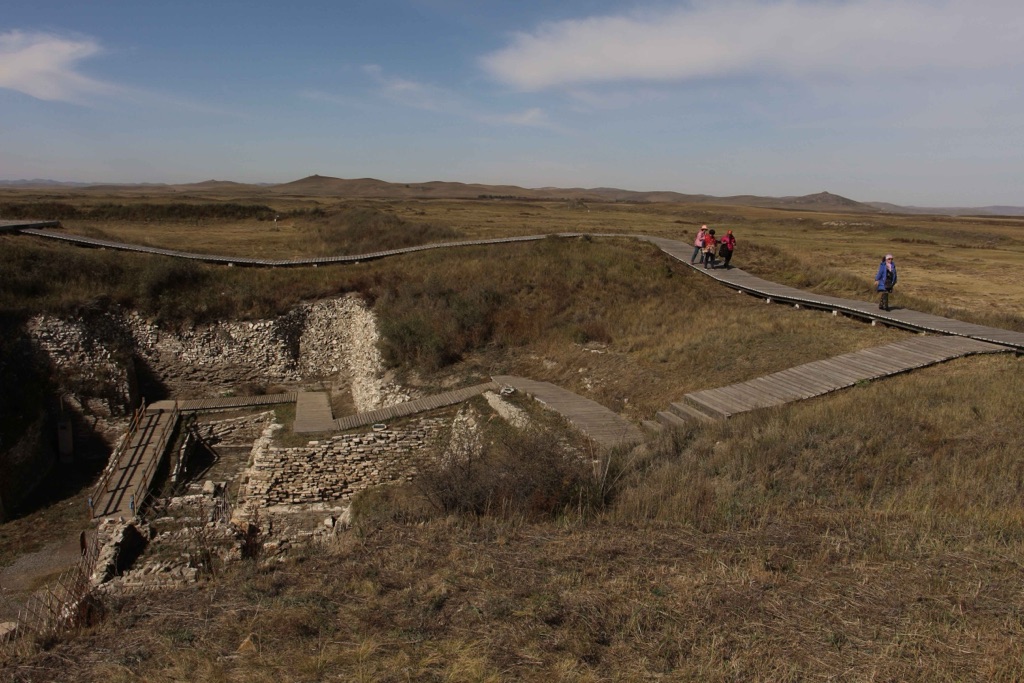
Shangdu (Xanadu)
Shangdu, also known as Xanadu, was the summer capital of Kublai Khan’s Yuan dynasty in China, before he decided to move his…
-
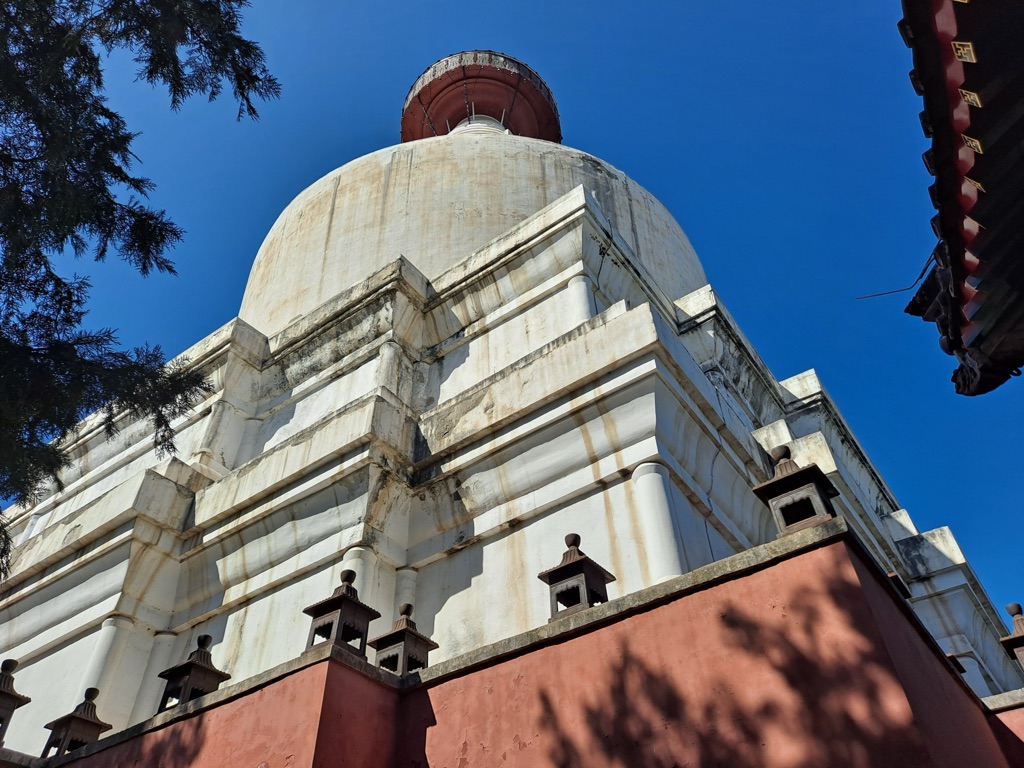
Miaoying Temple
The Miaoying Temple, also known as the White Stupa Temple, is a historical marvel located in Beijing, China. It’s renowned for its…
-
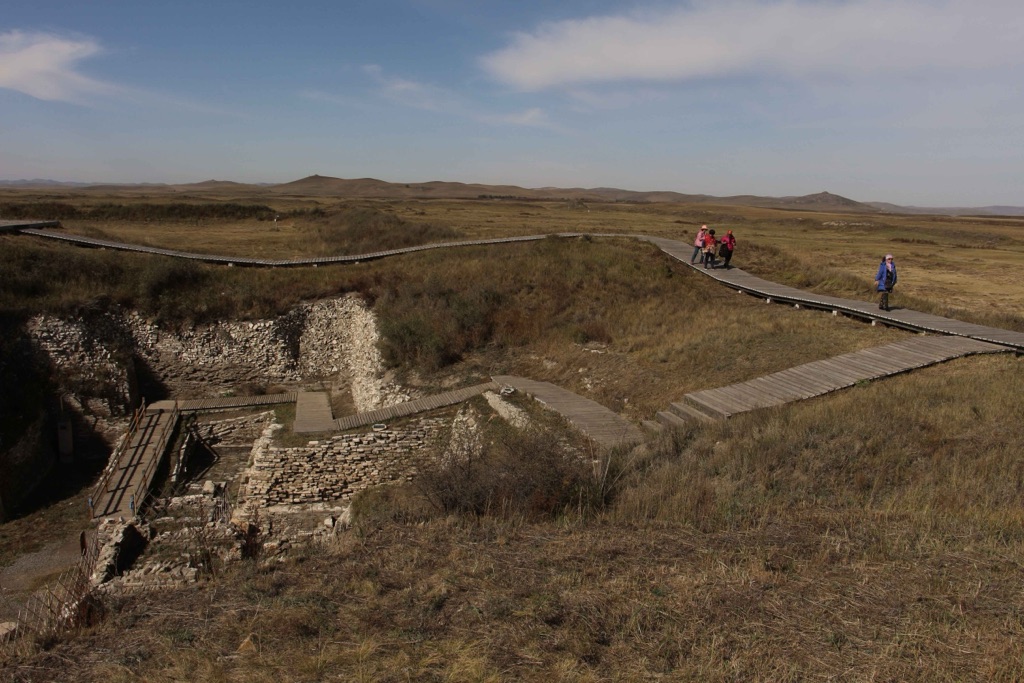
Site of Xanadu
The Site of Xanadu, also known as Shangdu, holds a special place in history as the summer capital of Kublai Khan’s Yuan…