The Nabataeans
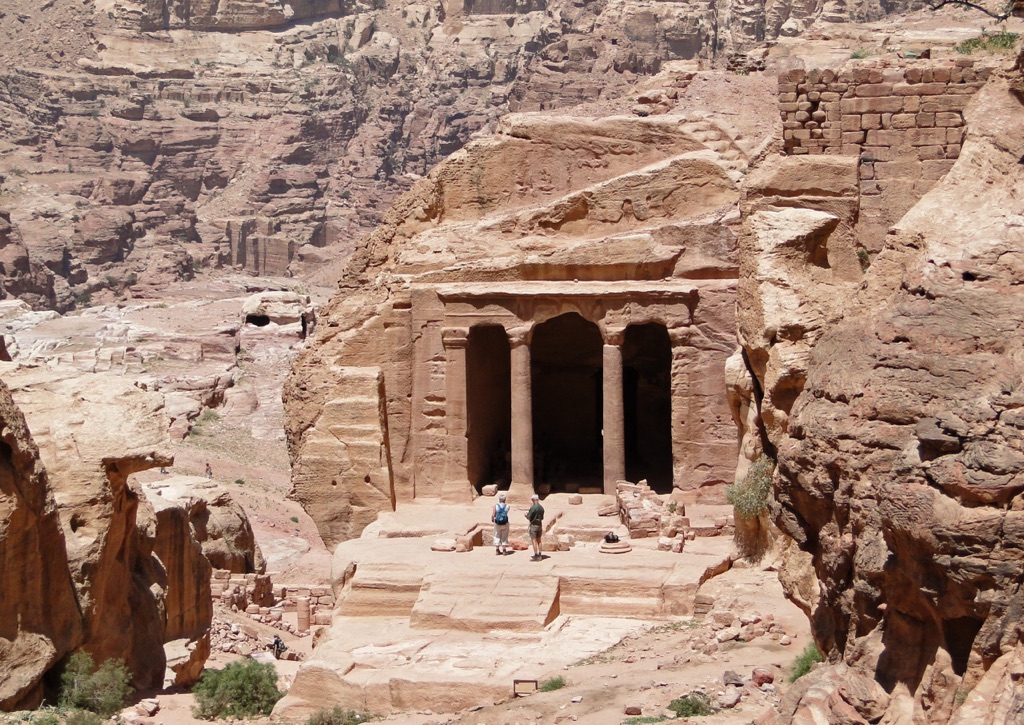
The Nabataeans: Masters of the Desert and Architects of Petra
The Nabataeans, an ancient Arab people, inhabited northern Arabia and the southern Levant, leaving behind a legacy that has fascinated historians and archaeologists alike. Their most famous settlement, the city of Raqmu, now known as Petra in modern-day Jordan, served as the capital of their kingdom. This civilization, which flourished between the 4th and 2nd centuries BCE, was renowned for its extensive trading network, which brought it considerable wealth and influence across the ancient world.
Emergence and Expansion
The Nabataeans first appear in historical records around 312/311 BCE, during the Third War of the Diadochi, when they were unsuccessfully attacked by Antigonus I’s officer, Athenaeus. Initially an Arab tribe under significant Babylonian-Aramaean influence, the Nabataeans capitalized on the decline of the Seleucids to expand their territory. By approximately 85 BCE, their king Aretas III had extended his dominion to include Damascus and Coele-Syria, marking the zenith of Nabataean power.
The Nabataean Kingdom
Petra, the heart of the Nabataean Kingdom, was a marvel of ancient engineering and architecture, boasting a population of around 20,000 in the 1st century BCE. The Nabataeans initially allied with the Hasmoneans against the Seleucids but later found themselves in conflict with the Judaean dynasty. Their strategic position and control over lucrative trade routes made them a target for both the Seleucids and later the Romans. Despite several military campaigns by the Romans, the Nabataeans managed to maintain their independence until 106 CE, when Emperor Trajan annexed their kingdom into the Roman Empire, transforming it into the province of Arabia Petraea.
Culture and Achievements
The Nabataeans were known for their distinctive finely potted painted ceramics, which became a hallmark of their culture. They were also adept at agriculture in arid conditions, developing sophisticated water capture and storage techniques that allowed them to thrive in the desert. Their language, a dialect of Arabic written in a script that heavily influenced the development of the Arabic alphabet, was used alongside Aramaic for official and commercial purposes.
Religion and Society
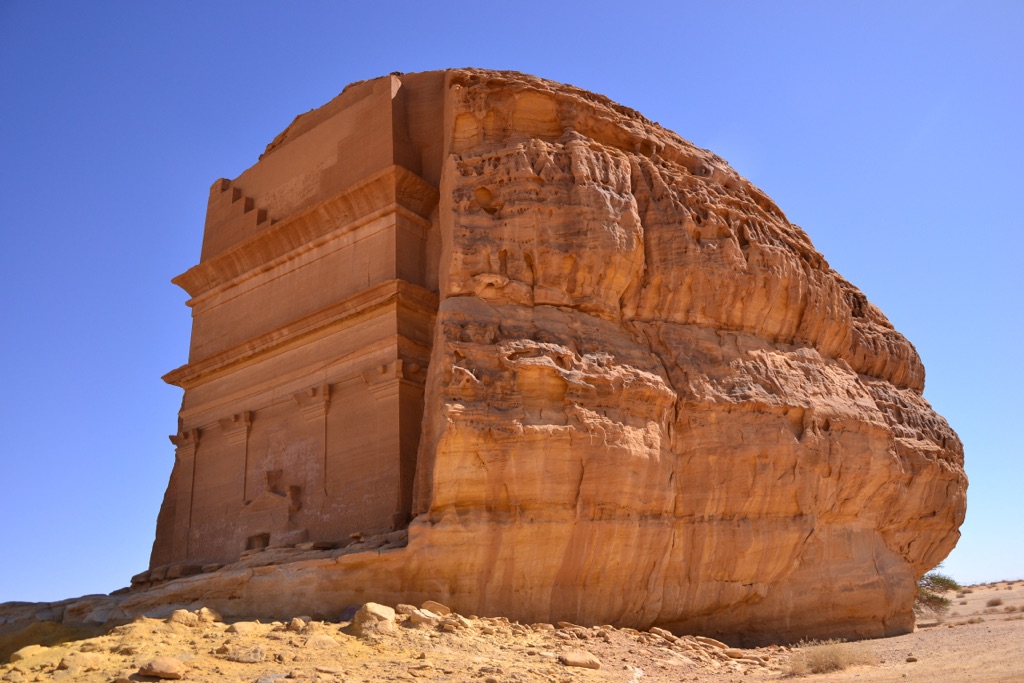
The Nabataeans worshipped a pantheon of deities, with Dushara as their chief god. Their religious practices included the worship of al-‘Uzzá and the construction of monumental tombs and temples carved directly into the rock faces of Petra and other settlements. Women in Nabataean society enjoyed a relatively high status, with rights to property and inheritance that were notably progressive for the time.
Decline and Legacy
After their annexation by the Roman Empire, the Nabataeans gradually assimilated into the Greco-Roman world, adopting many of its customs and eventually converting to Christianity by the 5th century. The once-thriving trade routes and cities of the Nabataeans fell into decline, and their unique culture and language were absorbed into the broader tapestry of the Middle East.
The rediscovery of Petra by Swiss explorer Johann Ludwig Burckhardt in 1812 brought the Nabataeans back into the spotlight, revealing their architectural genius and the extent of their influence in the ancient world. Today, the Nabataeans are remembered as one of the most gifted and unjustly forgotten peoples of antiquity, whose contributions to architecture, agriculture, and trade continue to be studied and admired.
Nabataean Archaeological Sites and Artifacts
-
Khirbet edh-Dharih
Khirbet edh-Dharih is a significant archaeological site located in southern Jordan, approximately 70 km north of Petra, the ancient Nabataean capital. This…
-
Umm al-Biyara
Umm Al-Biyara, translating to “Mother of Cisterns,” stands as the highest peak in the ancient city of Petra, located in present-day Jordan.…
-
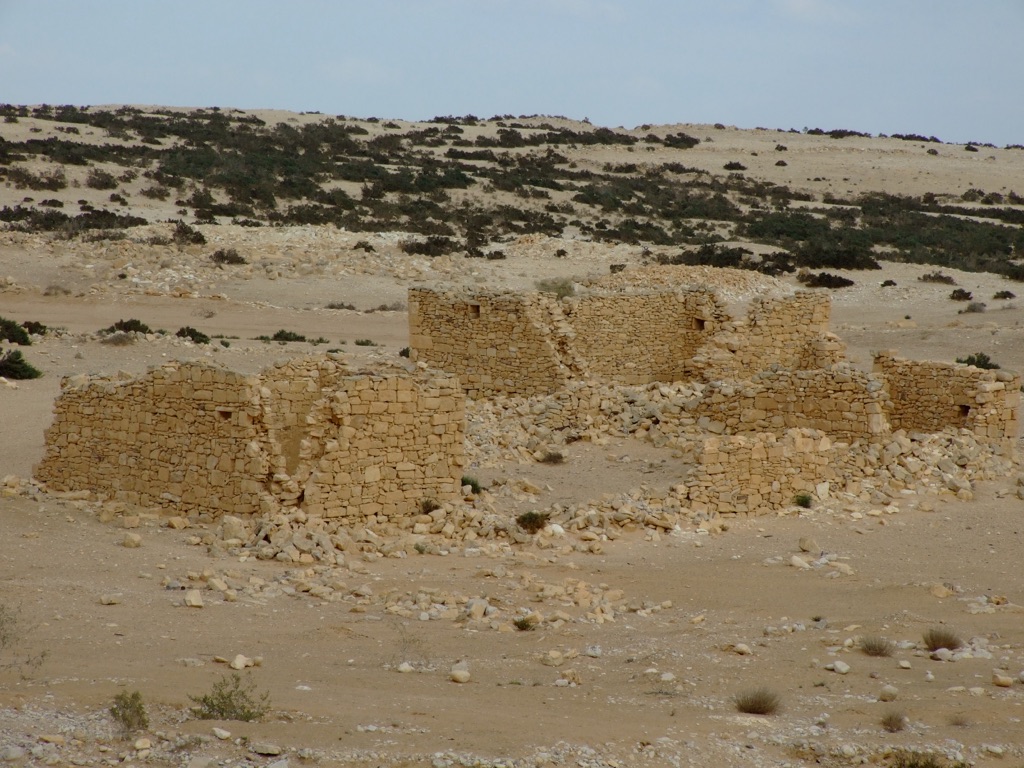
Elusa (Haluza)
Elusa, known in various historical periods by names such as Halasa, Chellous, and al-Khalūṣ, stands as a testament to the rich and…
-
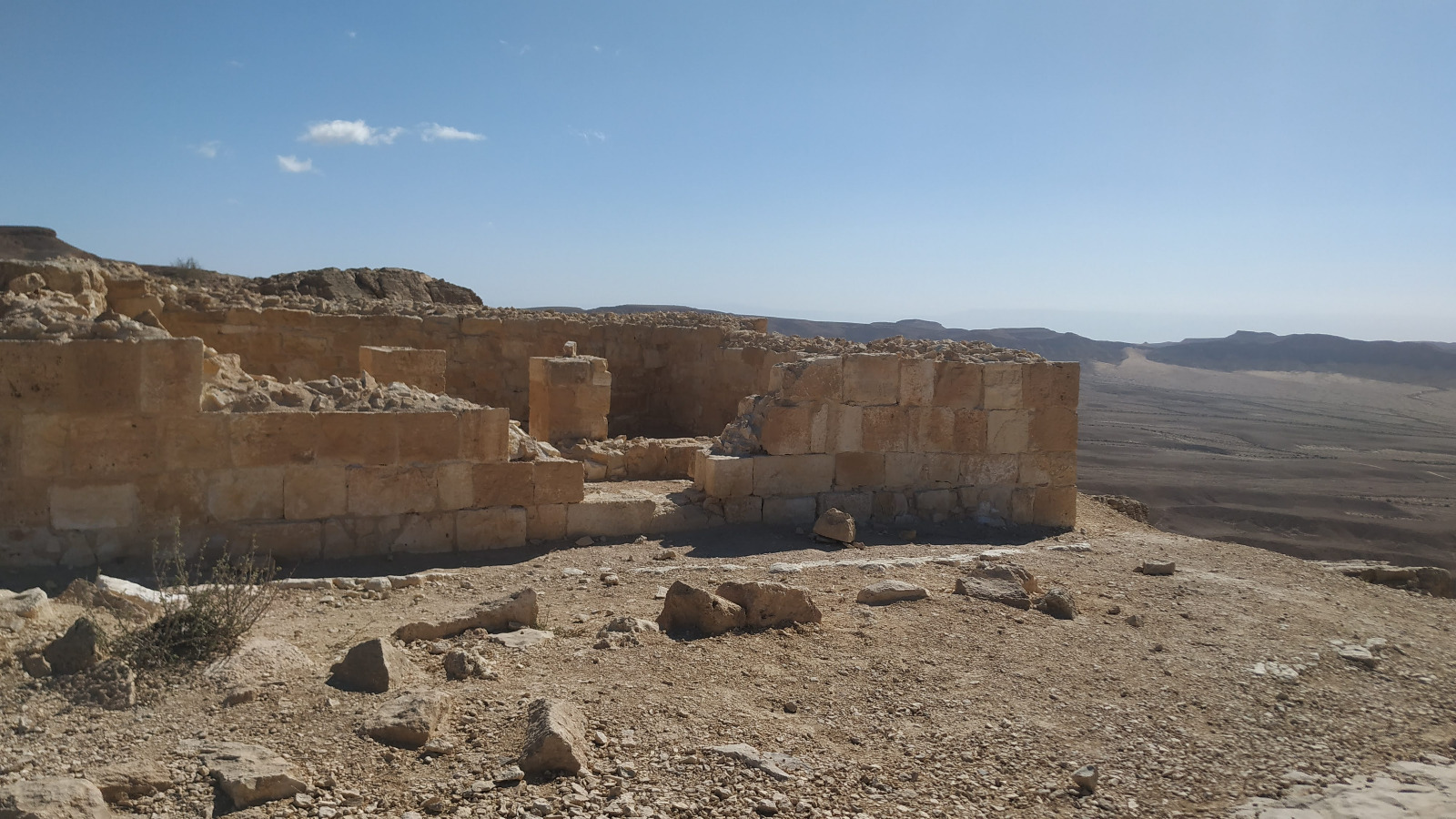
Metzad Mahmal
Metzad Mahmal represents a crucial piece in the historical puzzle of the Incense Route, a trade network that facilitated the movement of…
-
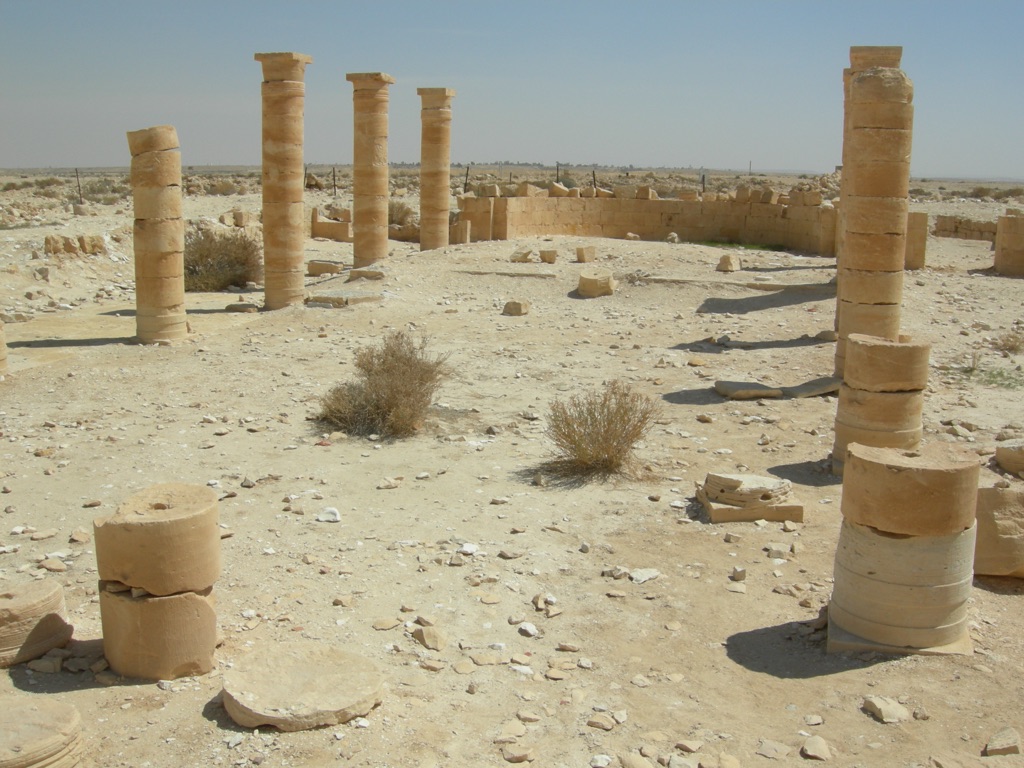
Nessana
Nessana, known in Modern Hebrew as Nizzana or Nitzana, represents a significant archaeological and historical site located in the southwest Negev desert…
-
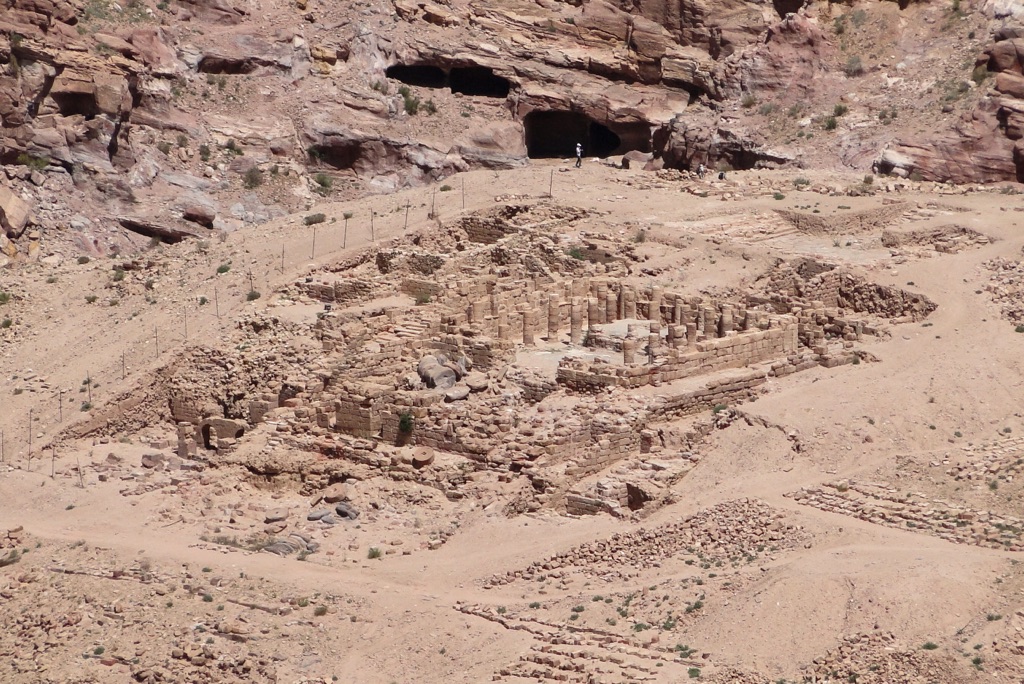
Temple of the Winged Lions
The Temple of the Winged Lions stands as a significant archaeological and historical site within the ancient city of Petra, Jordan. Dated…