Mycenaean civilization
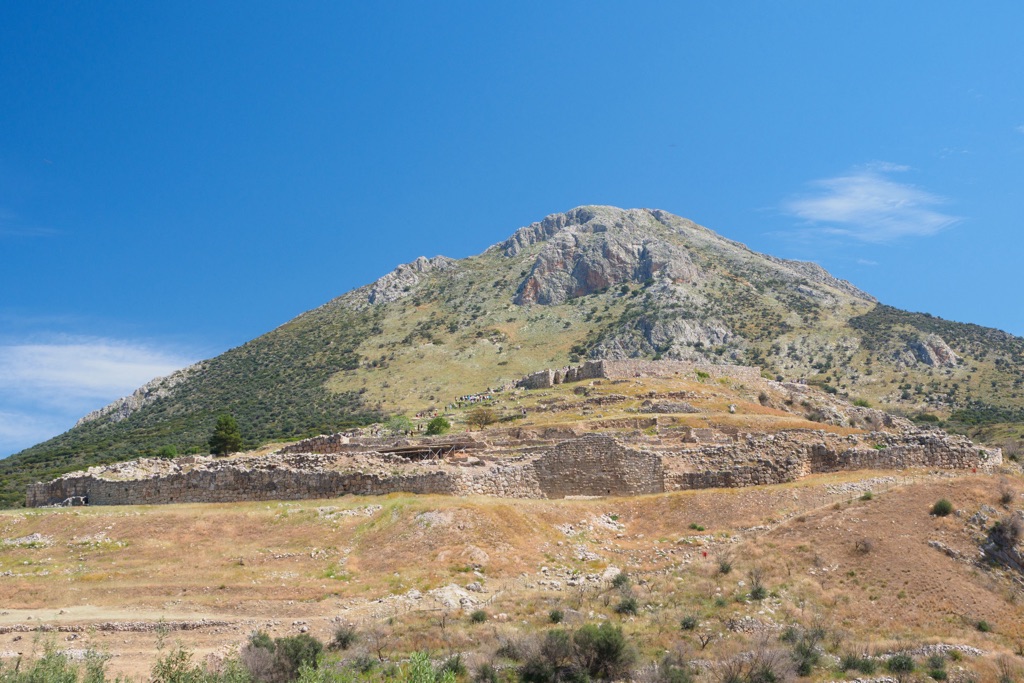
The Mycenaean civilization, flourishing in the Late Bronze Age (circa 1600-1100 BCE), represents a pivotal epoch in ancient Greek history. This civilization is renowned for its monumental architecture, advanced societal structures, and significant contributions to Greek mythology and later Hellenic cultures. This article delves into the timeline, geographical setting, cultural and societal aspects, religious beliefs, military exploits, and the eventual decline of the Mycenaean civilization.
Timeline and Geographical Setting
The Mycenaean era is typically divided into three phases: Early Mycenaean (1600-1450 BCE), Middle Mycenaean (1450-1350 BCE), and Late Mycenaean (1350-1100 BCE). The civilization was primarily centered in the Peloponnese region of Greece, notably in Mycenae, Pylos, Tiryns, and Thebes. Mycenaean influence also extended to Crete, the Cyclades, and the shores of Asia Minor.
Culture and Society
Mycenaean society was hierarchical and warrior-oriented, with a king or “wanax” at the apex, followed by a class of nobles, then by artisans, farmers, and slaves. Their economy was based on agriculture, trade, and craftsmanship, with olive oil, wine, and pottery among the key commodities. The Linear B script, an early form of Greek writing deciphered in the 20th century, has provided invaluable insights into their administrative, economic, and daily activities.
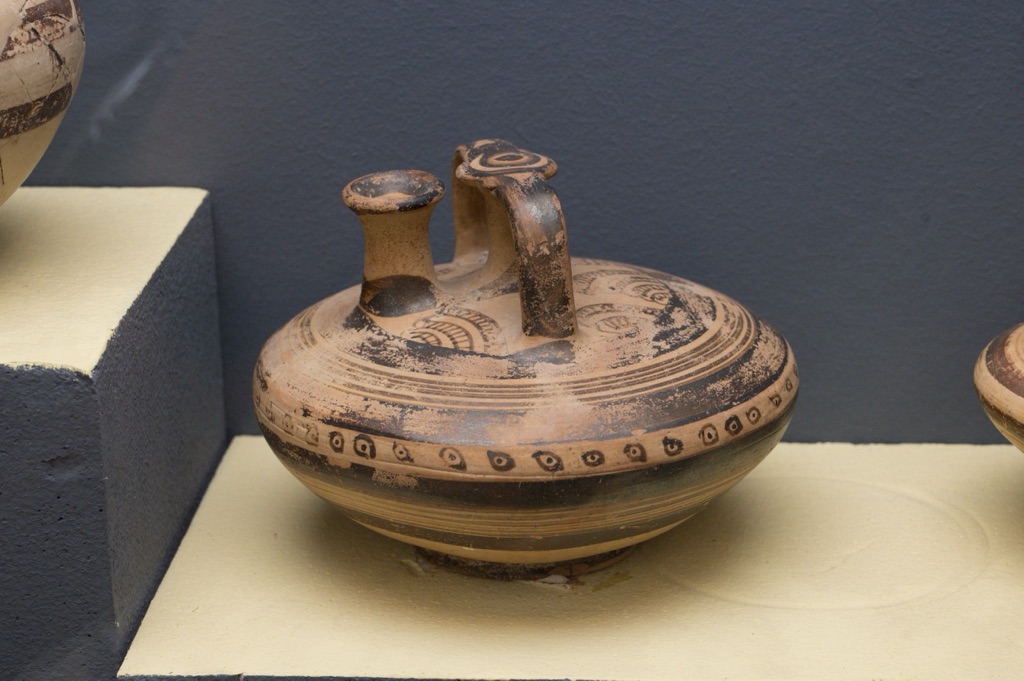
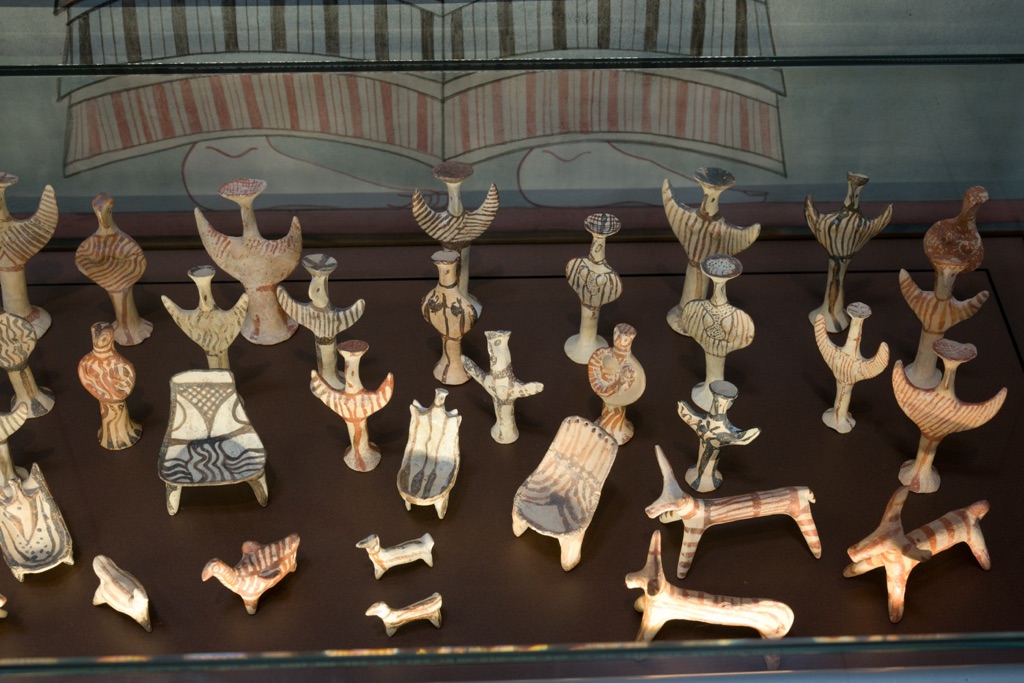
Mycenaean art and architecture were distinguished by grandiose structures such as the Lion Gate at Mycenae and the beehive tombs, showcasing their engineering prowess and aesthetic sensibilities. Their material culture, including pottery, frescoes, and gold artifacts, reflects a society that valued both functionality and beauty.
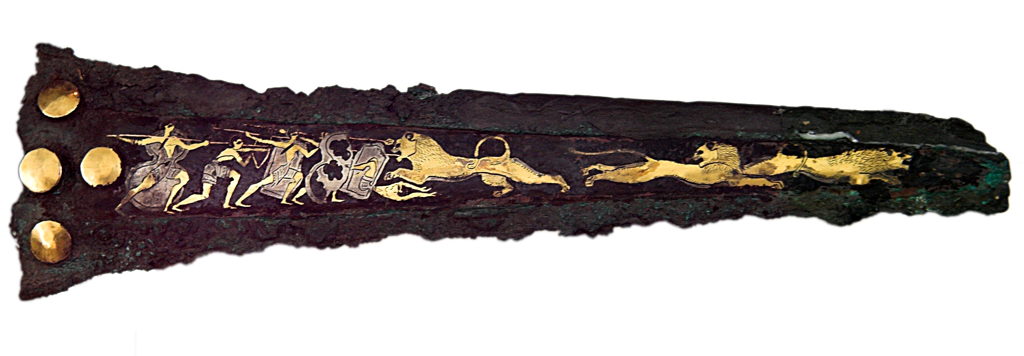
Mycenaean Archaeological site and Artifacts
Religion and Gods
The Mycenaean religion was polytheistic, with many deities that would later be integrated into classical Greek mythology. Evidence from Linear B tablets indicates the worship of Zeus, Hera, Poseidon, Athena, and Dionysus, among others. Religious practices included animal sacrifices, offerings, and festivals, which were overseen by a priesthood that likely held considerable social influence. Sanctuaries and shrines, often located on hilltops or near palaces, served as centers for religious activities.
Wars and Conquests
The Mycenaeans were a militaristic society, as evidenced by the prominence of weaponry and fortifications in their archaeological record. They engaged in frequent conflicts with neighboring communities and the Minoan civilization of Crete, which they eventually dominated. The Mycenaeans are also traditionally associated with the Trojan War, a legendary conflict immortalized in Homer’s epics, though the historical accuracy of these accounts remains a subject of scholarly debate.
Collapse and Downfall
The decline of the Mycenaean civilization around 1100 BCE is attributed to a combination of factors, including natural disasters, internal strife, and invasions by the Dorians and other “Sea Peoples.” The collapse led to the onset of the Greek Dark Ages, a period of reduced cultural and economic activity. Despite their fall, the Mycenaeans left an indelible mark on Greek cultural identity, laying the groundwork for the Classical era that would emerge several centuries later.
In conclusion, the Mycenaean civilization was a cornerstone of ancient Greek history, characterized by its sophisticated society, architectural achievements, and enduring cultural legacy. Its study provides critical insights into the origins of many aspects of classical Greek culture, including its mythology, art, and political systems.
FAQ on the Mycenaean Civilization
How was the Mycenaean civilization organized?
The Mycenaean civilization was organized into a hierarchical society with a monarch, known as the “wanax,” at the top. This king was supported by a network of nobles who governed various regions and were responsible for managing resources, overseeing trade, and leading military expeditions. Below the nobles were the common people, including artisans, farmers, and laborers, who formed the backbone of the Mycenaean economy. The society was heavily militarized, with a strong emphasis on warrior culture, as evidenced by the prominence of fortifications and weapons in archaeological sites. The economy was based on agriculture, trade, and craftsmanship, with centralized palatial centers serving as hubs of administrative and economic activity.
Why did the Mycenaean civilization collapse?
The collapse of the Mycenaean civilization around 1100 BCE is attributed to a combination of factors. These include natural disasters, such as earthquakes and droughts, which could have undermined the agricultural base of the society. Internal strife and societal upheaval, possibly exacerbated by economic difficulties or class conflicts, also played a role. Additionally, invasions by the Dorians and other so-called “Sea Peoples” contributed to the destabilization and eventual downfall of Mycenaean city-states. The collapse led to a period of reduced cultural and economic activity known as the Greek Dark Ages.
What did Mycenaeans do for fun?
The Mycenaeans, like other ancient civilizations, engaged in various activities for entertainment and leisure. Banquets and feasts were common, often accompanied by music and dance. Athletic competitions and chariot races were also popular, reflecting the society’s emphasis on physical prowess and warrior skills. Hunting was another favored pastime, providing both sport and a source of food. Additionally, archaeological evidence suggests that the Mycenaeans enjoyed games, such as board games, which were likely played during social gatherings.
What was the Mycenaean civilization known for?
The Mycenaean civilization is known for several key contributions to ancient Greek culture and history. Architecturally, they are famed for their monumental structures, including palaces, fortifications, and the iconic beehive-shaped tholos tombs. The Mycenaeans are also recognized for their advancements in military technology and strategy, as well as their development of the Linear B script, an early form of Greek writing. Their art and pottery, characterized by intricate designs and motifs, reflect a society with a rich material culture. Additionally, the Mycenaeans played a crucial role in the formation of Greek mythology and religious practices, with many of their gods and rituals being integrated into later Hellenic traditions.
-
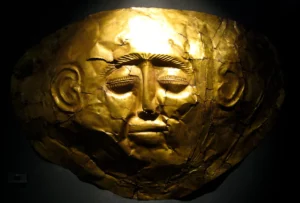
The Death Masks of Mycenae
The Golden Death Masks of Mycenae: A Glimpse into Ancient Elite Burials In the ancient city of Mycenae, a series of golden…
-
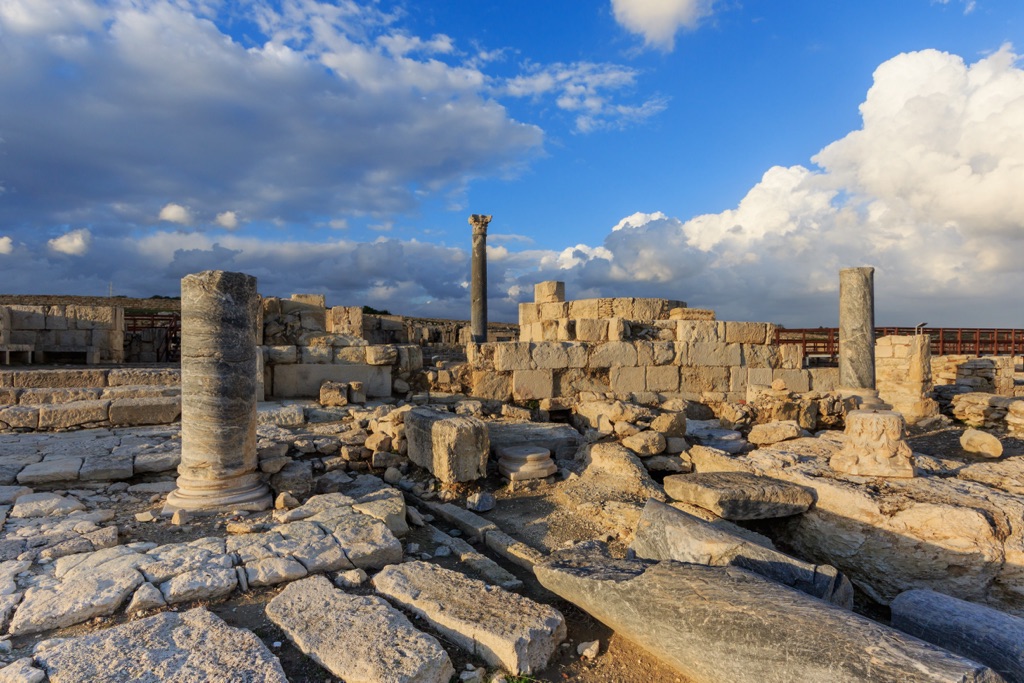
Kourion
Kourion, an ancient city on the southwestern coast of Cyprus, stands as a remarkable testament to the island’s rich history. This archaeological…
-
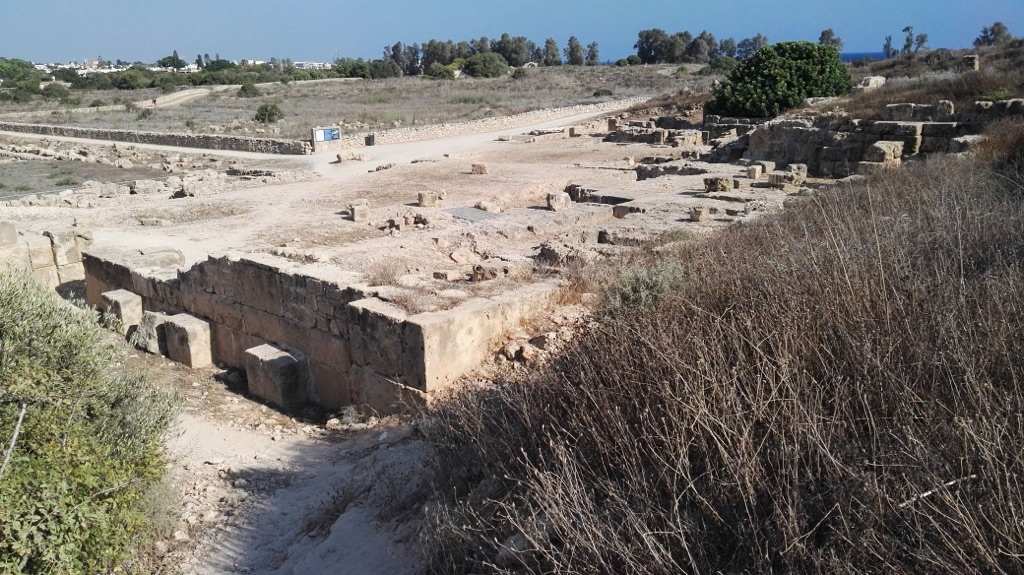
Paphos Archaeological Park
Nestled on the southwest coast of Cyprus, Paphos Archaeological Park is a treasure trove of ancient ruins and artifacts. This UNESCO World…
-
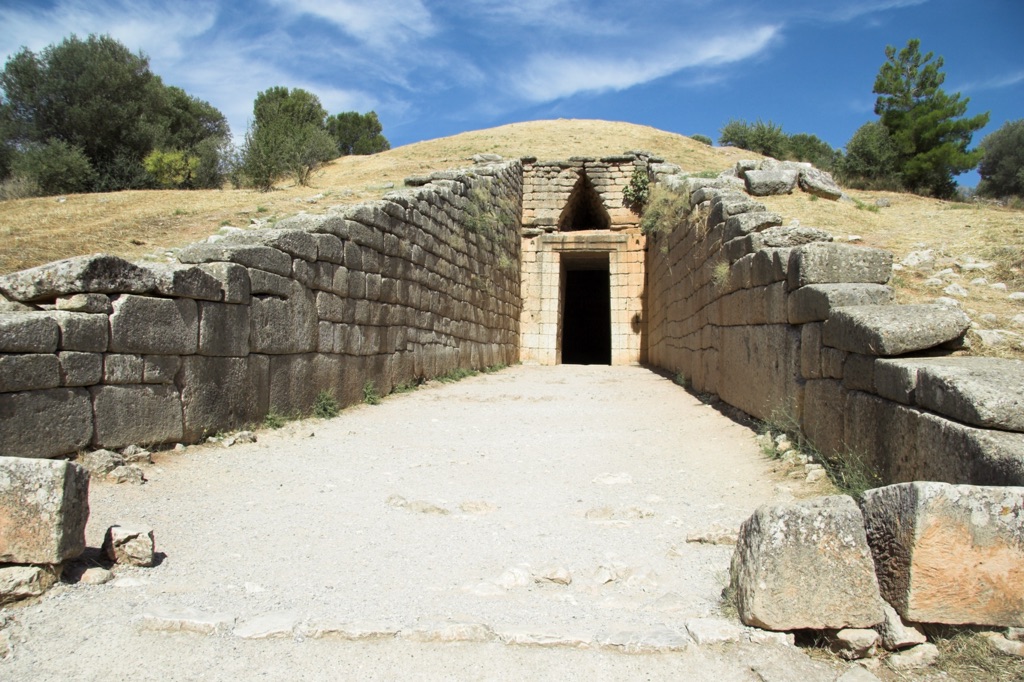
Treasury of Atreus (Tomb of Agamemnon)
The Treasury of Atreus, also known as the Tomb of Agamemnon, is a monumental structure in Mycenae, Greece. It’s one of the…
-
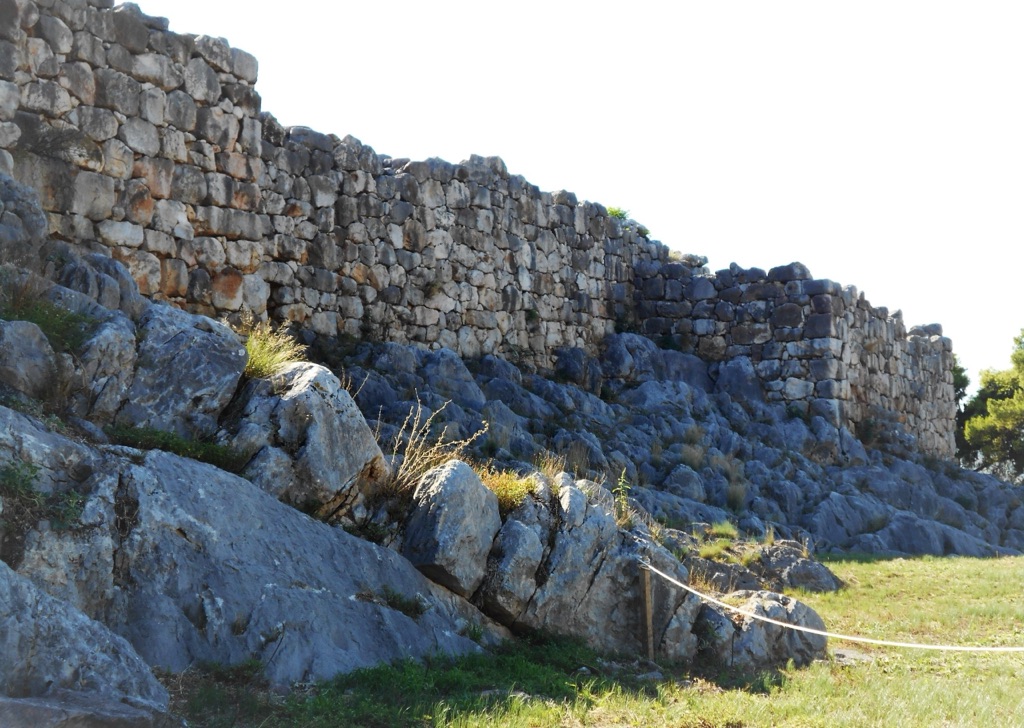
Cyclopean walls (Mycenae)
The Cyclopean Walls of Mycenae are a monumental testament to the architectural prowess of the Mycenaean civilization, dating back to the Bronze…
-
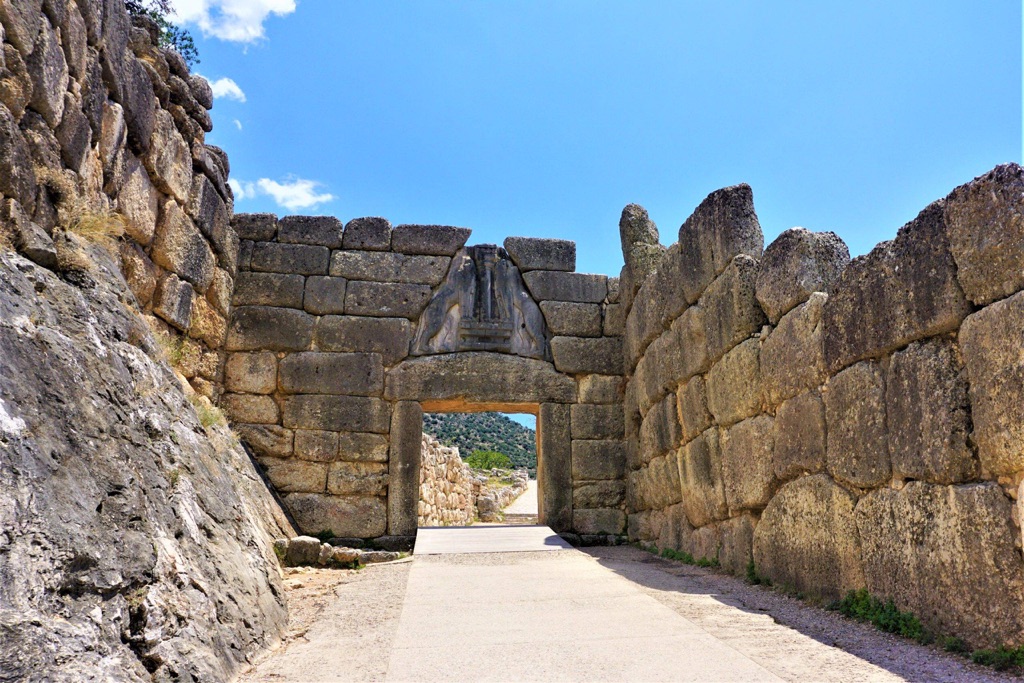
Mycenaean Lion Gate
Lion Gate, located in Mycenae, Greece, is a monumental piece of Bronze Age architecture. Built around 1250 BC, it served as the…