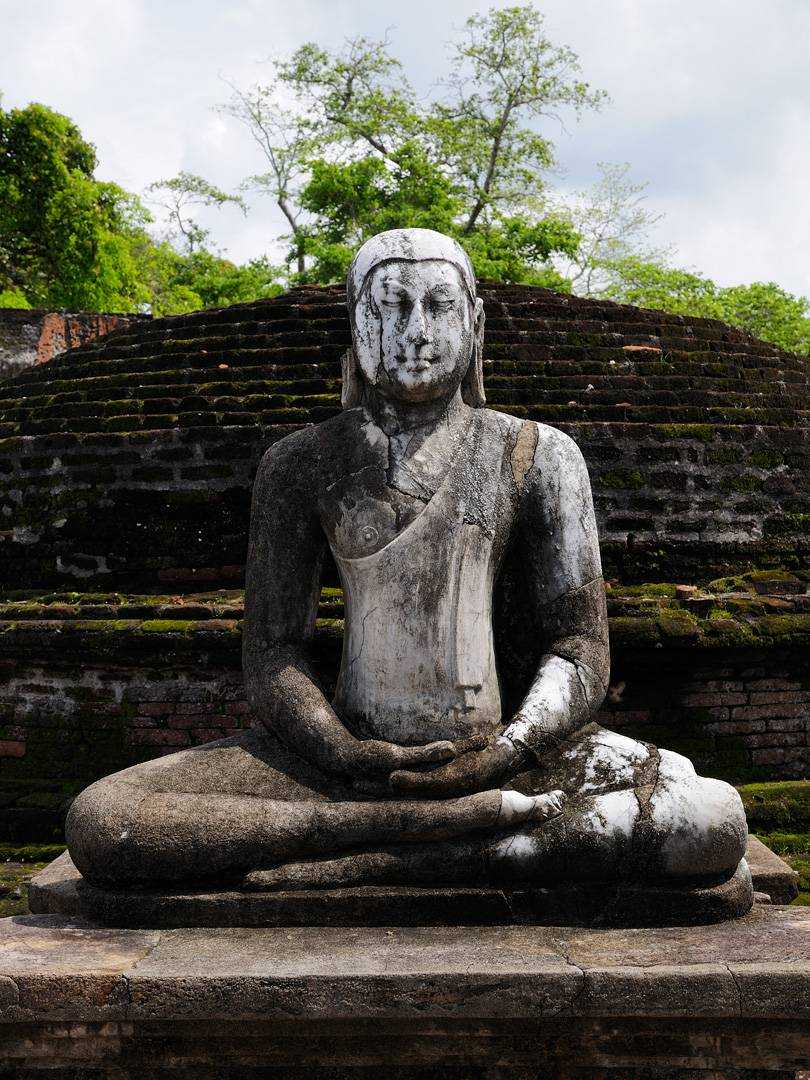
The Kingdom of Polonnaruwa, lasting from the late 11th century to the 13th century, was the second major Sinhalese kingdom in ancient Sri Lanka. After the destruction of the Kingdom of Anuradhapura, the capital moved to Polonnaruwa, ushering in a golden era of culture, construction, and trade. Renowned for its sophisticated irrigation systems, like the vast reservoirs built by kings such as Parakramabahu I, the kingdom became a hub of agricultural prosperity. Polonnaruwa was a cosmopolitan city with diverse influences, including trades with India and Southeast Asia, and it became celebrated for its architectural achievements, including the Gal Vihara rock temple with its massive Buddha statues.
The downfall of the Polonnaruwa kingdom was precipitated by a series of invasions, coupled with political instability and power struggles among the nobility. By the early 13th century, the Kingdom’s power had declined, and it succumbed to the invasions led by the Cholas and later by Kalinga Magha which marked the beginning of its end. After the fall of Polonnaruwa, the center of Sinhalese power shifted to the southwest of the island, but the legacy of the Polonnaruwa Kingdom remains preserved in its magnificent ruins and historical records. The dedicated efforts of the kings of Polonnaruwa kingdom to shape the landscape, uphold Buddhist traditions, and establish enduring artwork left a significant impact on Sri Lankan culture that is still evident today.