Cañari people
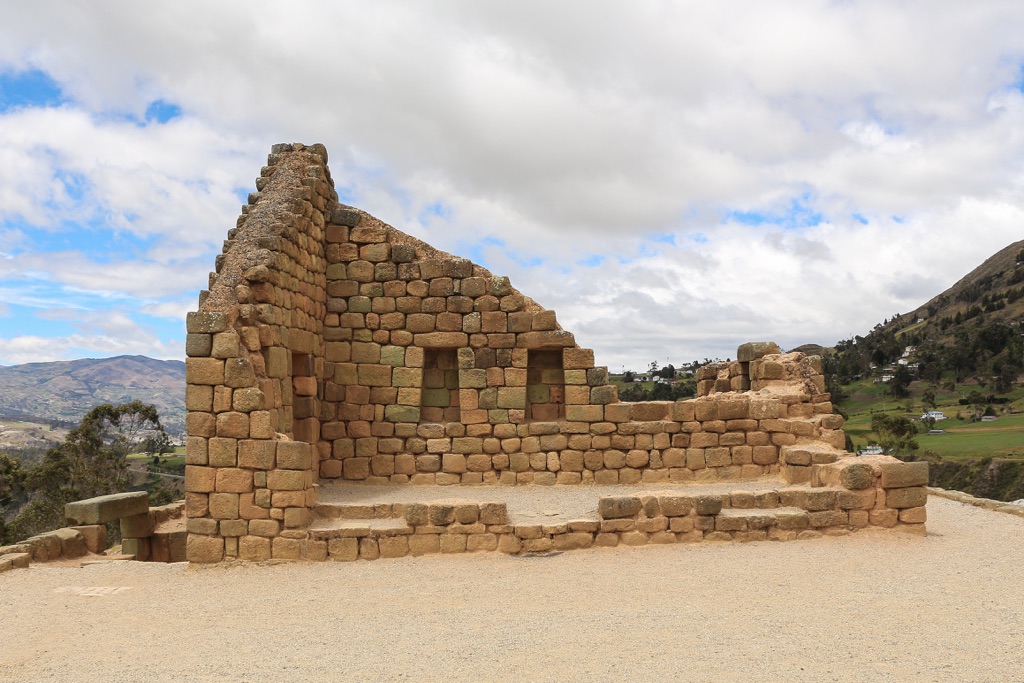
The Cañari, an indigenous ethnic group, have historically inhabited the territories now known as the provinces of Azuay and Cañar in Ecuador. Their lineage traces back to a pre-Columbian tribal confederation renowned for its staunch resistance against the Inca Empire. Despite their eventual conquest by the Inca in the early 16th century, shortly before the Spanish arrival, the Cañari’s legacy of resilience and strategic alliances remains significant in the historical narrative of the region.
Origins and Mythology
The etymology of “Cañari” is rooted in the Kichwa words “kan” (snake) and “ara” (macaw), reflecting the tribe’s ancestral or sacred connections to these animals. This is further illustrated by their oral traditions, including a creation myth involving a massive flood from which only two brothers survived, thanks to the intervention of macaw-faced female beings. Such myths underscore the rich cultural tapestry and belief systems of the Cañari.
Inca Conquest
The Cañari’s strategic and military acumen was evident in their initial resistance to Inca conquests. Despite their efforts, the Inca, under Túpac Yupanqui and later Huayna Capac, eventually subdued the Cañari through a combination of warfare, strategic marriages, and assimilation tactics. The Cañari were incorporated into the Inca Empire, albeit with a degree of autonomy, and their territory became a significant part of the empire’s northern sector.
Architectural Achievements
The Cañari were accomplished builders, with their capital, Tumebamba, being renowned for its impressive architecture, rivaling that of the Inca capital, Cuzco. The influence of Inca mandates and techniques is evident in the surviving ruins and archaeological sites, such as Ingapirca, which highlight the sophisticated civil engineering and architectural skills of the Cañari.
Inca Civil War and Spanish Conquest
During the Inca Civil War, the Cañari aligned with Huáscar against Atahualpa, a decision that led to severe repercussions once Atahualpa emerged victorious. The subsequent Spanish conquest saw the Cañari strategically ally with the Spanish, aiding in the defeat of Inca forces. This alliance, however, did not spare the Cañari from the impacts of Spanish colonization, although it did afford them certain legal standings and roles within the colonial system.
Territory and Culture
The Cañari inhabited a vast territory characterized by diverse landscapes, from mountains to coastal areas. Their society was organized into a confederacy of tribes, each with its own leader, but capable of uniting under a single leader in times of crisis. The Cañari’s cultural practices, including their lunar calendar and circular temple constructions, reflect a deep connection to their environment and celestial observations.
Language and Legacy
The Cañari language, once a marker of their distinct identity, has largely been lost, with Kichwa and Spanish becoming predominant in the region. However, the Cuenca accent, prevalent in areas once inhabited by the Cañari, is considered a linguistic relic of their language.
The Cañari people’s history is a testament to their resilience, strategic acumen, and cultural richness. Despite the challenges of conquest and colonization, the legacy of the Cañari continues to be felt in the modern provinces of Azuay and Cañar, through archaeological sites, cultural practices, and linguistic traces that bear witness to their enduring influence in the region.
-
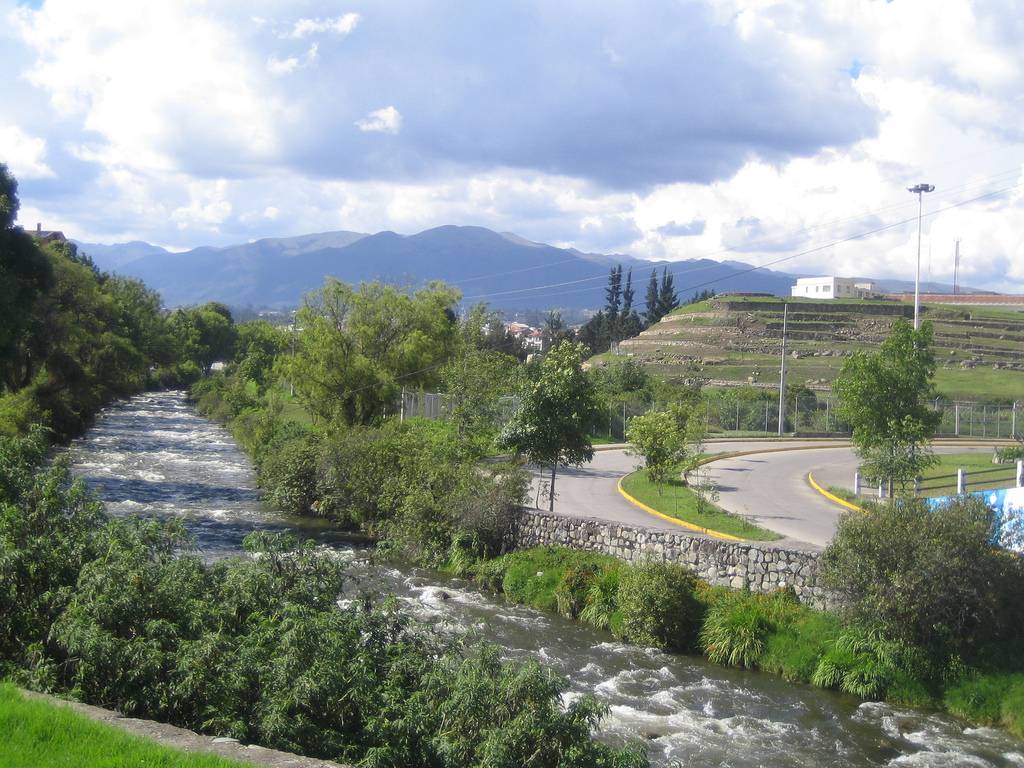
Tumebamba
Tumebamba, also known as Tomebamba or Tumipampa in Kichwa, meaning “Knife Field,” was a principal regional city within the Inca Empire. Emperor…
-
Complejo Arqueológico de Todos Santos
The Complejo Arqueológico de Todos Santos is a captivating historical site nestled in the highlands of Ecuador. This archaeological complex offers a…
-
Ingapirca
Ingapirca, meaning “Wall of the Inca,” is the largest known Inca ruins in Ecuador. Located in the Cañar province, these ruins are…