Chandela dynasty
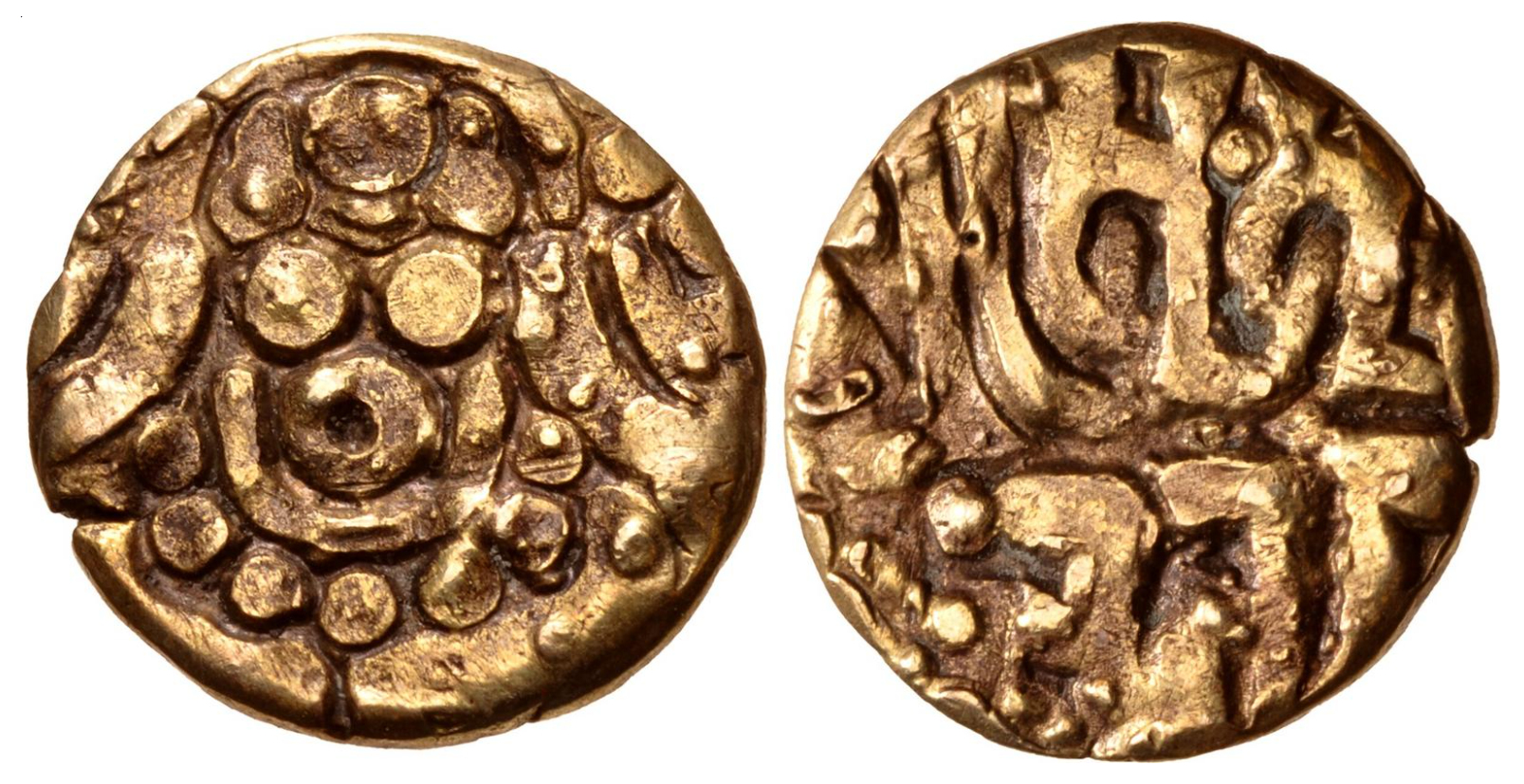
The Chandela dynasty, an influential power in medieval India, flourished from the 9th to the 12th centuries CE. Originating from the Bundelkhand region, which spans across present-day Madhya Pradesh and Uttar Pradesh, the Chandelas are best known for their monumental contributions to Indian architecture and culture, most notably the Khajuraho group of temples. These temples, renowned for their intricate sculptures and carvings, are a testament to the dynasty’s patronage of the arts and its sophisticated aesthetic sensibilities.
The foundation of the Chandela dynasty is shrouded in myth and legend, with early records attributing their lineage to the moon god, suggesting a divine origin. This celestial association was not uncommon in royal genealogies of the time, serving to legitimize and elevate the status of emerging dynasties. The Chandelas initially served as feudatories to the Gurjara-Pratiharas, another prominent dynasty of the period, before asserting their independence in the 10th century under the leadership of King Yasovarman. His reign marked the beginning of the dynasty’s golden age, during which its territory expanded significantly.
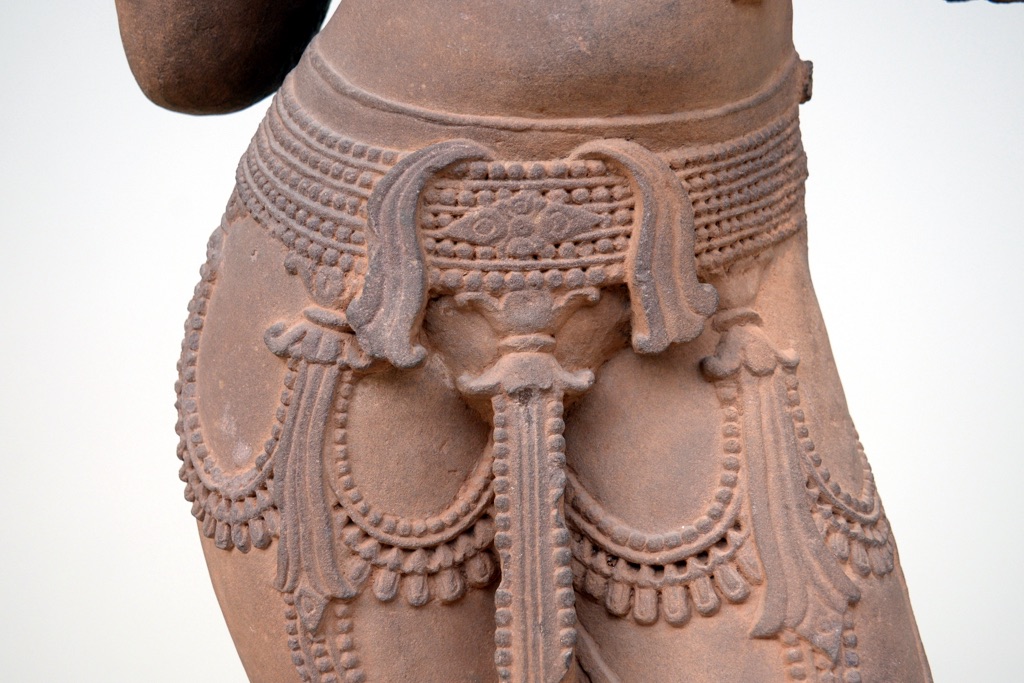
Under the Chandelas, the region witnessed a remarkable period of cultural and architectural development. The dynasty’s rulers were great patrons of art and architecture, commissioning the construction of numerous temples and forts. The Khajuraho temples, built mainly during the reigns of Kings Yashovarman and Dhanga, are the most celebrated legacy of the Chandela dynasty. These temples are unique for their architectural brilliance and the erotic sculptures that adorn their exteriors, reflecting the Tantric traditions prevalent at the time.
The political history of the Chandela dynasty is characterized by its resilience against invasions and its strategic alliances. Despite facing threats from the Ghaznavids and later the Ghurids, the Chandelas managed to maintain their sovereignty for much of their rule. They engaged in diplomacy and warfare with equal finesse, navigating the complex political landscape of medieval India. However, by the 12th century, the dynasty began to decline, eventually succumbing to the forces of the Delhi Sultanate.
The decline of the Chandela dynasty did not, however, lead to the obliteration of their cultural contributions. The temples of Khajuraho have survived through centuries, enduring as symbols of India’s rich heritage. In 1986, these temples were designated a UNESCO World Heritage Site, recognizing their exceptional value to humanity. Today, they attract scholars, tourists, and art enthusiasts from all over the world, serving as a lasting legacy of the Chandela dynasty’s artistic and architectural prowess.
Despite the passage of time, the Chandela dynasty continues to be celebrated for its significant contributions to Indian culture and history. The dynasty’s legacy, encapsulated in the stone carvings of Khajuraho, offers invaluable insights into the religious, social, and cultural fabric of 10th-12th century India. Through their patronage of the arts and their architectural innovations, the Chandelas have left an indelible mark on the world, reminding us of the enduring power of human creativity and devotion.
-
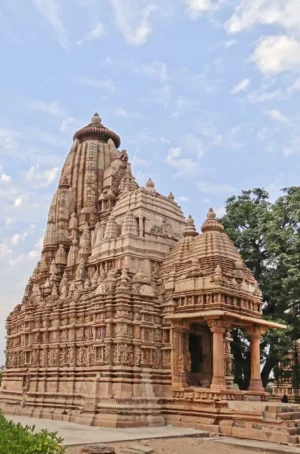
Parshvanatha temple
The Parshvanatha temple is a renowned Jain temple located at the Khajuraho Group of Monuments in Madhya Pradesh, India. Dedicated to Parshvanatha,…
-
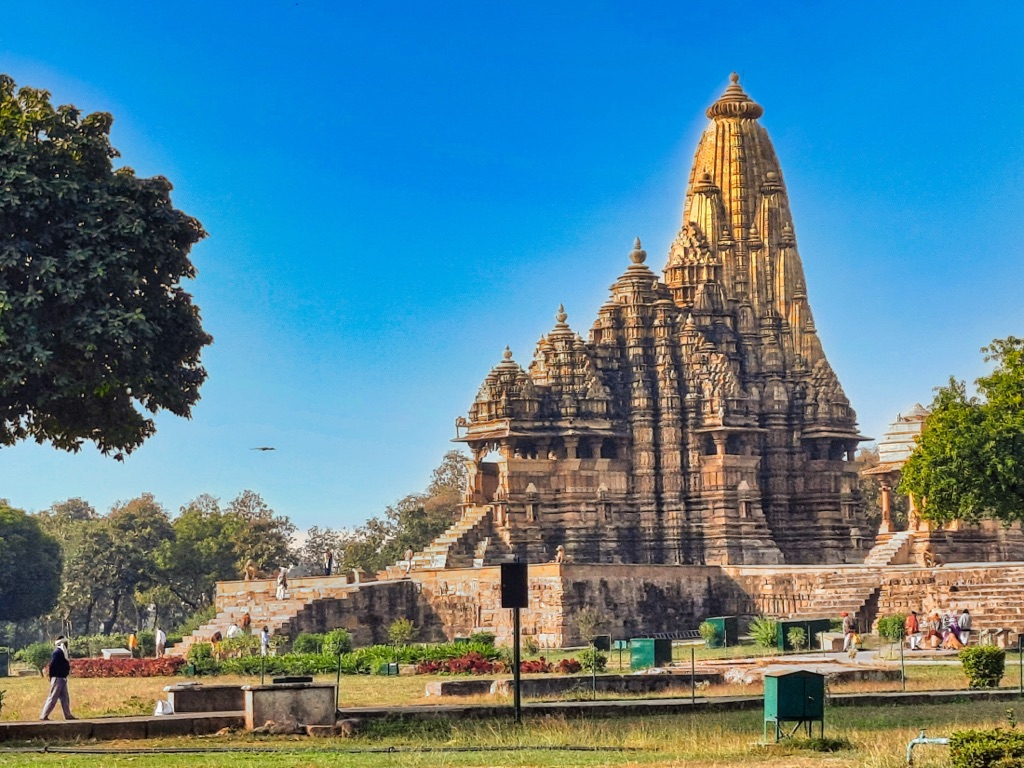
Kandariya Mahadeva Temple
The Kandariya Mahadeva Temple stands as a testament to the architectural and spiritual zenith of the Chandela dynasty. Located in Khajuraho, Madhya…
-
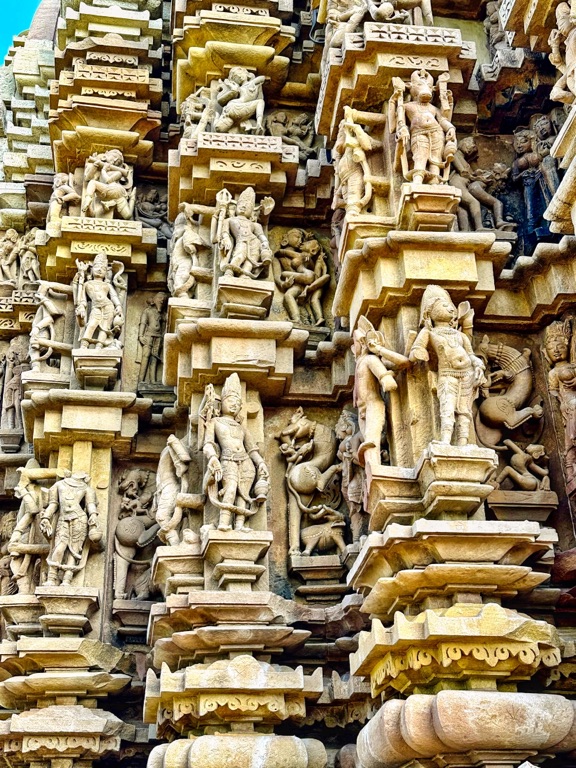
Duladeo Temple
Located in Khajuraho, India, the Duladeo Temple stands as a testament to medieval Indian architecture. This temple, dedicated to the god Shiva,…
-
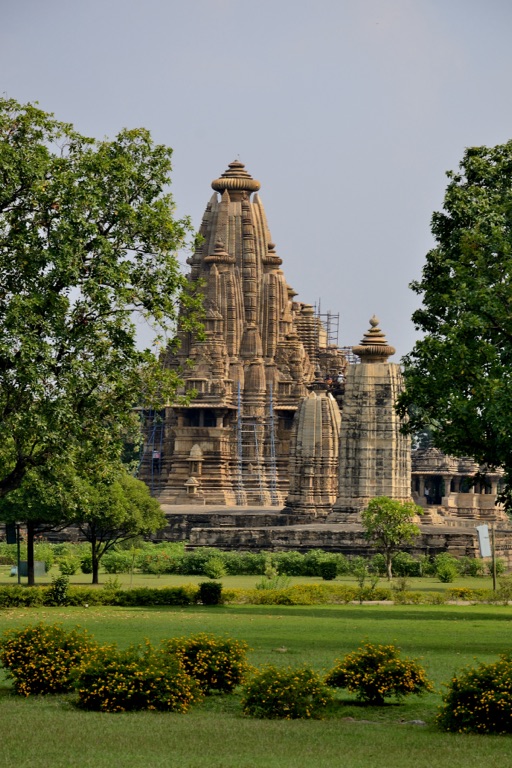
The Vishvanatha Temple
Vishvanatha Temple holds a pivotal place in India’s rich cultural tapestry. This historic site, located in Khajuraho, is famed for its intricate…