Mauryan Empire
The Maurya Empire, one of the most extensive and powerful political and military empires in ancient India, existed from approximately 322 to 185 BCE. Founded by Chandragupta Maurya with the help of his adviser Chanakya, the empire unified vast stretches of the Indian subcontinent for the first time. Its influence extended across modern-day India, Pakistan, Bangladesh, and parts of Afghanistan and Iran. The Mauryan capital was Pataliputra, located in present-day Patna, which was hailed as one of the greatest cities of the ancient world. Under the rule of Emperor Ashoka, one of its most famous leaders, the Mauryan Empire reached its zenith both in terms of geographical expansion and cultural and economic prosperity.
The Mauryan Empire was impressive not only in terms of its size but also due to its achievements in governance, economy, and culture. Its sophisticated administration system featured a regimented civil service that oversaw everything from municipal hygiene to international trade. Emperor Ashoka’s reign marked a particularly significant era as he converted to Buddhism after the Kalinga War and became a proponent of peace and non-violence. His edicts, carved on rocks and pillars throughout the empire, promoted moral and ethical values based on Buddhist principles. The Mauryan Empire also excelled in art and architecture, with the Ashokan pillar being one of the iconic symbols of its artistic heritage. Despite its eventual decline, the legacy of the Mauryan Empire continued to shape Indian culture and political systems long after its fall.
-
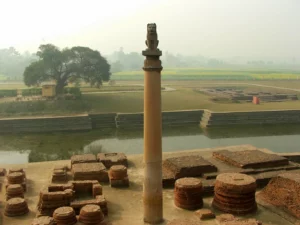
Pillars of Ashoka
The Pillars of Ashoka: Monuments of Ancient India The pillars of Ashoka are a series of monumental columns dispersed throughout the Indian…
-
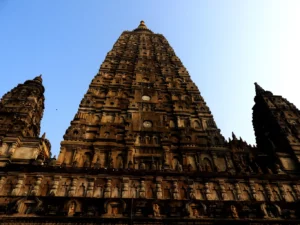
Mahabodhi Temple
The Mahabodhi Temple, also known as the “Great Awakening Temple,” is an ancient Buddhist temple located in Bodh Gaya, Bihar, India. It…
-
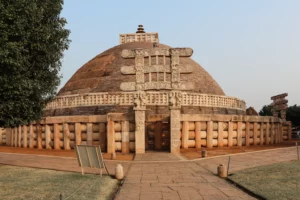
Sanchi Stupa
Sanchi Stupa, located in the Raisen District of Madhya Pradesh, India, stands as a monumental representation of Buddhist architecture and religious heritage.…
-
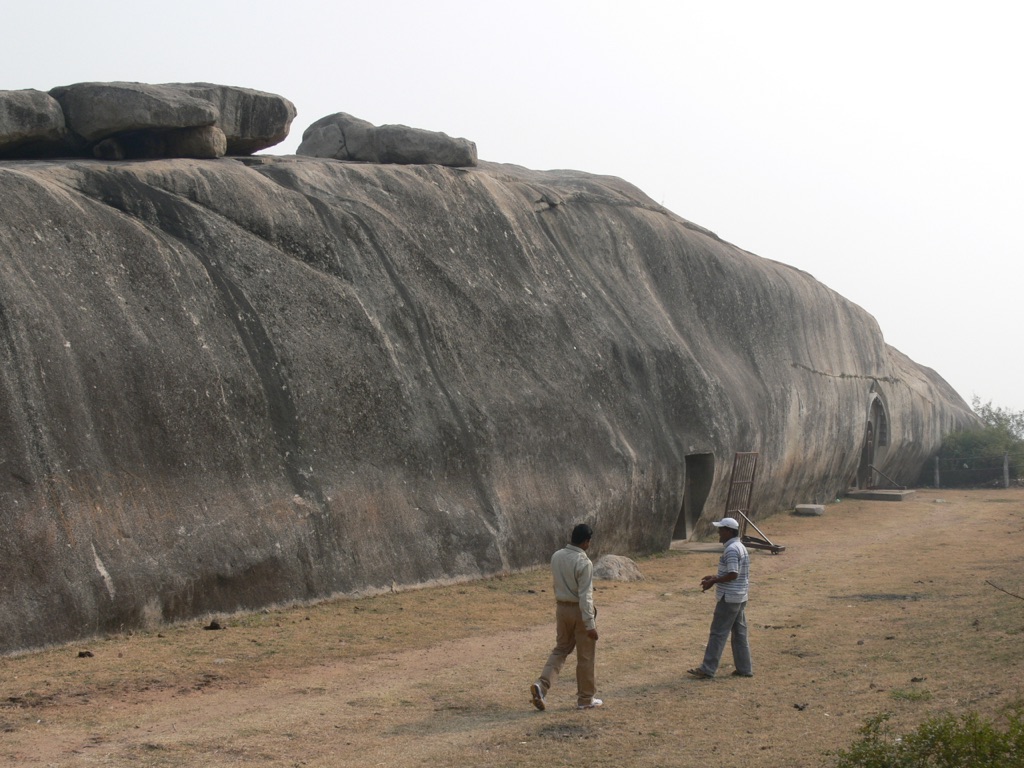
Barabar Rock Cut Caves
The Barabar Rock Cut Caves are an ancient complex of caves located in the Jehanabad district of Bihar, India. Carved out of…
-
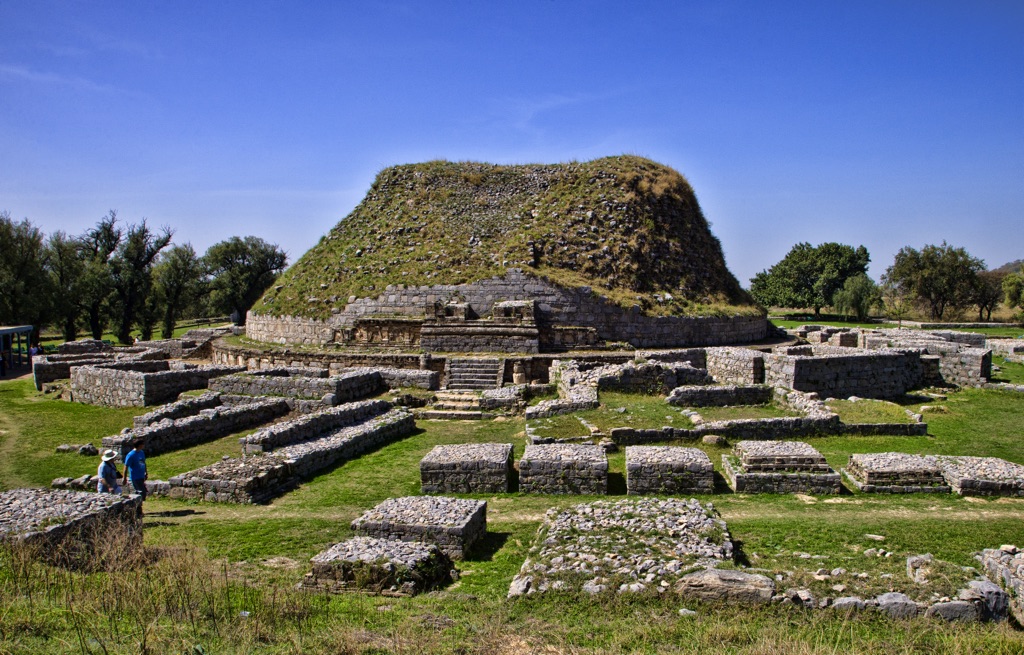
The Dharmarajika Stupa (Taxila)
The Dharmarajika Stupa, a significant Buddhist structure, stands as a testament to the religion’s ancient roots and influence. This stupa, located in…
-
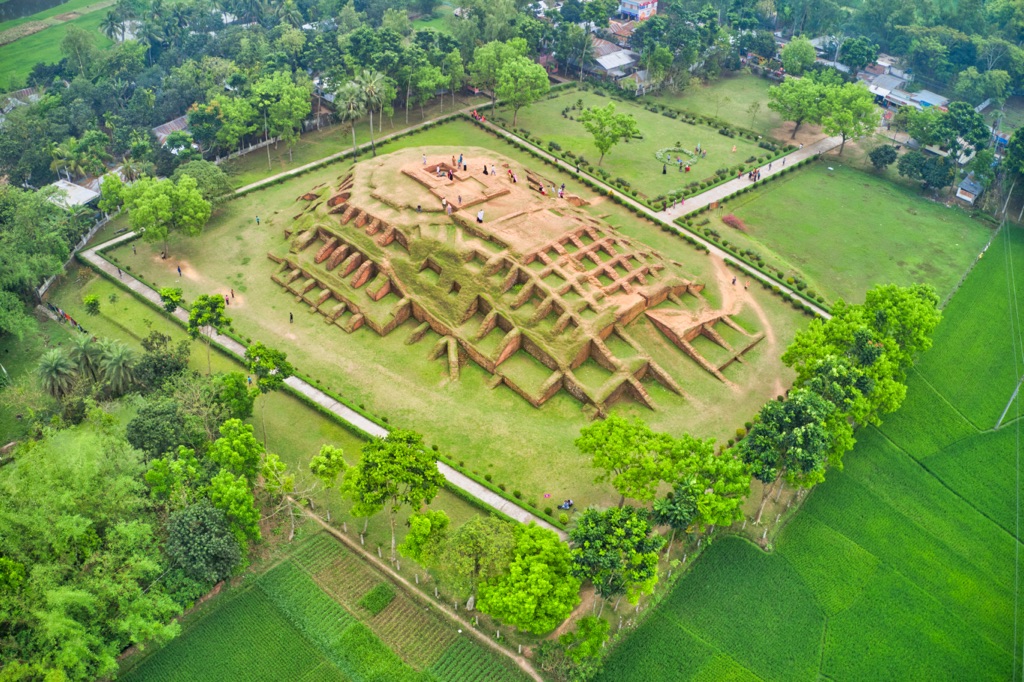
Gokul Medh
Gokul Medh, also known as Lokma Rajar Dhibi, is a historical site located in Bangladesh. It is an ancient archaeological site that…