Talayotic Culture
The Talayotic Culture was an ancient society that developed during the Bronze Age, around 1000 BCE, on the Mediterranean islands of Menorca and Mallorca. It is named after the ‘talayots,’ or large stone towers, they constructed, which remain important archaeological markers of their presence. These structures hint at a complex society with social stratification and technical know-how. Aside from the talayots, this culture is known for its taulas, T-shaped stone monuments, and navetas, which are burial chambers resembling an upturned boat. Such megalithic structures suggest that the Talayotic people were deeply religious with rituals that played a significant role in their society.
The Talayotic Culture, also referred to as ‘Cultura Talayótica’ in Spanish, was characterized by its agricultural practices and metallurgical skills. This period saw the transition from collective societies to more hierarchical, possibly clan-based, structures. Little is known about the language or the writing system of the Talayotic people, which adds an air of mystery to the culture. However, their artistry in ceramics provides valuable insight into their daily life and customs. With a society that thrived for several centuries, the Talayotic Culture left a lasting imprint on the Balearic Islands, which continues to be a focal point for historians and archaeologists looking to unravel the past of these enigmatic islanders.
-
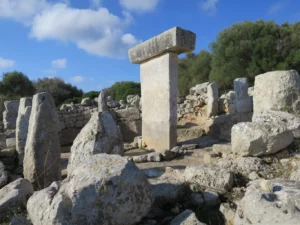
Torralba d’en Salort
Discovering Torralba d’en Salort: A Prehistoric Gem in Menorca Torralba d’en Salort, nestled in the municipality of Alaior, stands as one of…
-
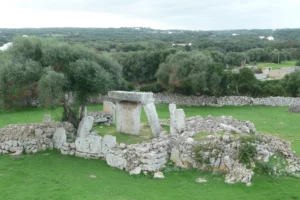
The Taulas of Menorca
The Taulas of Menorca are a collection of remarkable megalithic structures found on the Balearic island of Menorca in Spain. These T-shaped…
-
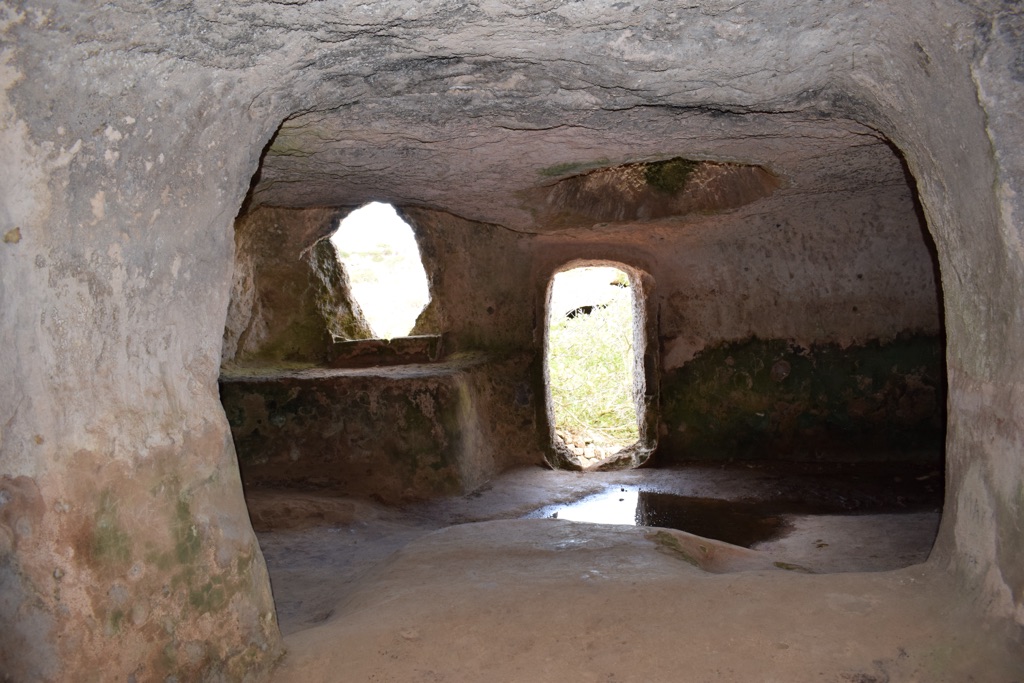
Necròpolis de Cala Morell
The Necròpolis de Cala Morell is a prehistoric burial site on the island of Menorca, Spain. It features a series of cave…
-
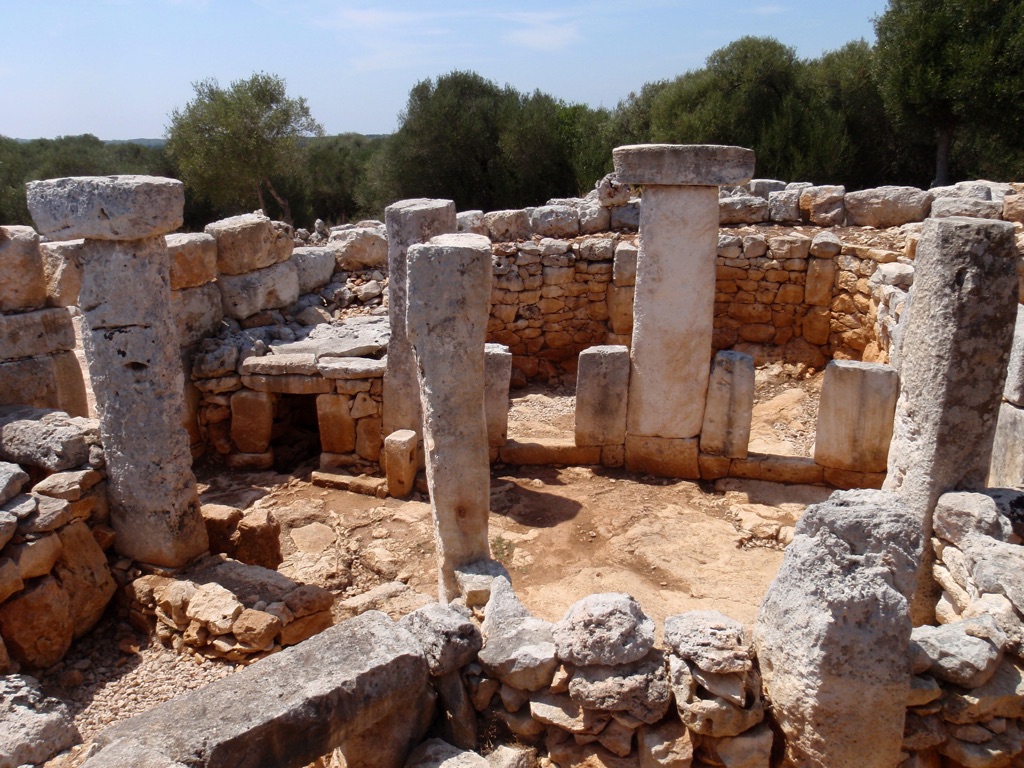
Torre d’en Galmés
Torre d’en Galmés is a significant archaeological site on the island of Menorca, Spain. It is one of the largest Talayotic settlements…
-
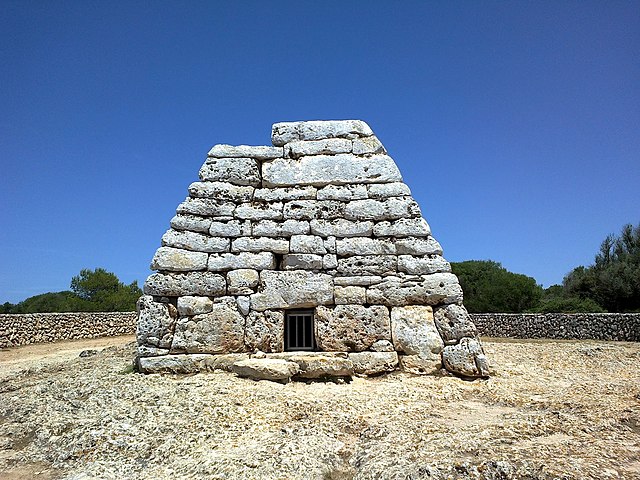
Naveta des Tudons – an Ancient Monument
Summary The Naveta des Tudons is a prehistoric funerary monument located on the Balearic Island of Menorca, Spain. This well-preserved architectural marvel…