Ichma culture
The Ichma culture, a pre-Columbian society that thrived in the valleys of what is now modern-day Lima, Peru, played a significant role in the region’s history before the rise of the Inca Empire. Flourishing from approximately AD 1100 until its integration into the Inca Empire in the late 15th century, the Ichma were instrumental in the development of the cultural and political landscape of the central coast of Peru. Their civilization was marked by significant achievements in architecture, agriculture, and urban planning, as well as a complex social structure and religious system.
One of the major moments in the history of the Ichma culture was the construction of the paramount religious and administrative center, Pachacamac. This site, which predates the Ichma but was significantly expanded by them, became a major pilgrimage center in pre-Columbian Peru. The temple complex dedicated to the creator god Pachacamac was a masterpiece of their architectural prowess and a focal point of their religious life. The influence of Pachacamac extended far beyond the boundaries of the Ichma territory, attracting pilgrims from distant lands and facilitating a vast trade network.
The religion of the Ichma culture was polytheistic, with a pantheon of gods that governed natural forces and aspects of daily life. Pachacamac, the creator god, was at the apex of their religious hierarchy. The Ichma believed in the power of oracles and divination, and Pachacamac was considered one of the most powerful oracles in the Andean world. Religious ceremonies and offerings played a crucial role in their society, with elaborate rituals conducted to ensure agricultural fertility, favorable weather, and the well-being of the community.
Social and daily life within the Ichma culture was intricately linked to their agricultural calendar, with the majority of the population engaged in farming and herding. The society was stratified, with a ruling elite that oversaw religious ceremonies, administered the territories, and managed trade relations. Artisans, who produced textiles, pottery, and metalwork, held a significant place in Ichma society, with their crafts reflecting both the mundane and the divine aspects of their culture.
The rulers of the Ichma culture, though not as well-documented as those of the Inca, were pivotal in the expansion and consolidation of their territory. They wielded both secular and religious power, overseeing the construction of irrigation canals, fortresses, and temples that facilitated the growth of their civilization. While specific names and deeds of these rulers have largely been lost to history, archaeological evidence points to a sophisticated system of governance that allowed the Ichma to thrive in the arid valleys of the central coast.
The Ichma were from the valleys of Lurín, Rímac, and Chillón, where they developed an advanced irrigation system to support their agriculture. This technological innovation allowed them to cultivate maize, beans, squash, and chili peppers, supporting a dense population and the expansion of their culture across the valleys of the central coast.
Wars and battles were a part of the Ichma’s expansion and defense of their territory. They engaged in conflicts with neighboring cultures, such as the Chancay to the north, as they sought to control more land and resources. These military endeavors were crucial in establishing the Ichma as a dominant force in the region, prior to their incorporation into the Inca Empire. The strategic importance of their territory, especially the religious center of Pachacamac, made them a valuable ally and later a key part of the Inca’s coastal holdings.
The integration of the Ichma culture into the Inca Empire marked the end of their independent development but not the erasure of their influence. The Incas recognized the importance of Pachacamac, incorporating it into their own religious system while maintaining its local significance. The legacy of the Ichma culture, from their architectural achievements to their agricultural innovations, continued to play a role in the development of the Andean region even after their absorption into the Inca Empire. Through the study of archaeological sites and artifacts, the story of the Ichma provides valuable insights into the complex tapestry of pre-Columbian civilizations in South America.
-
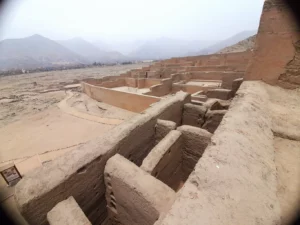
Huaycán de Pariachi
Huaycán de Pariachi: An Archaeological Site in Peru Huaycán de Pariachi is an archaeological site in Huaycán, Ate District, Lima, Peru. It…
-
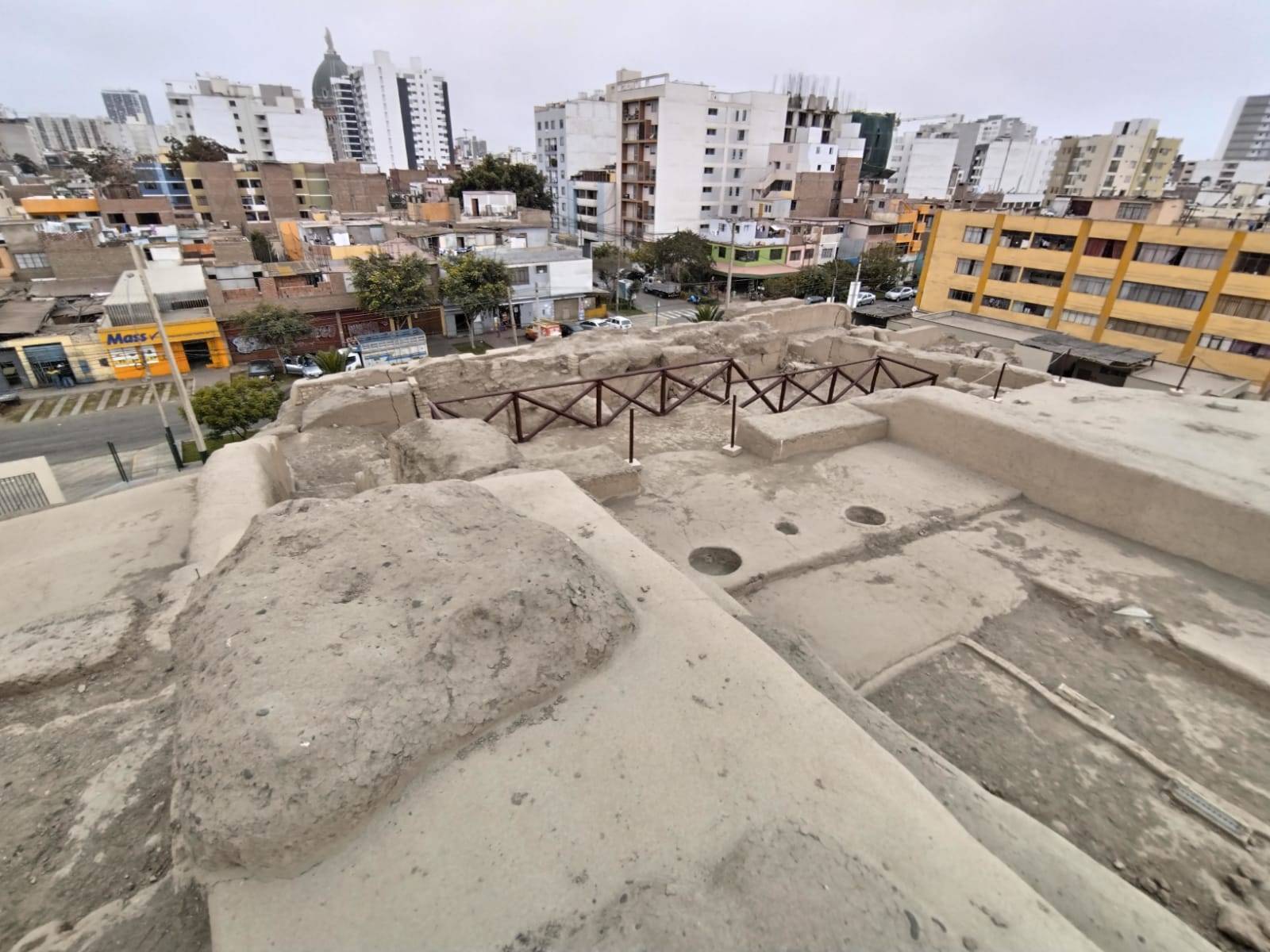
Huaca Huantille
Huaca Huantille is a paramount archaeological site located in the district of Magdalena del Mar, within the metropolitan city of Lima, Peru.…
-
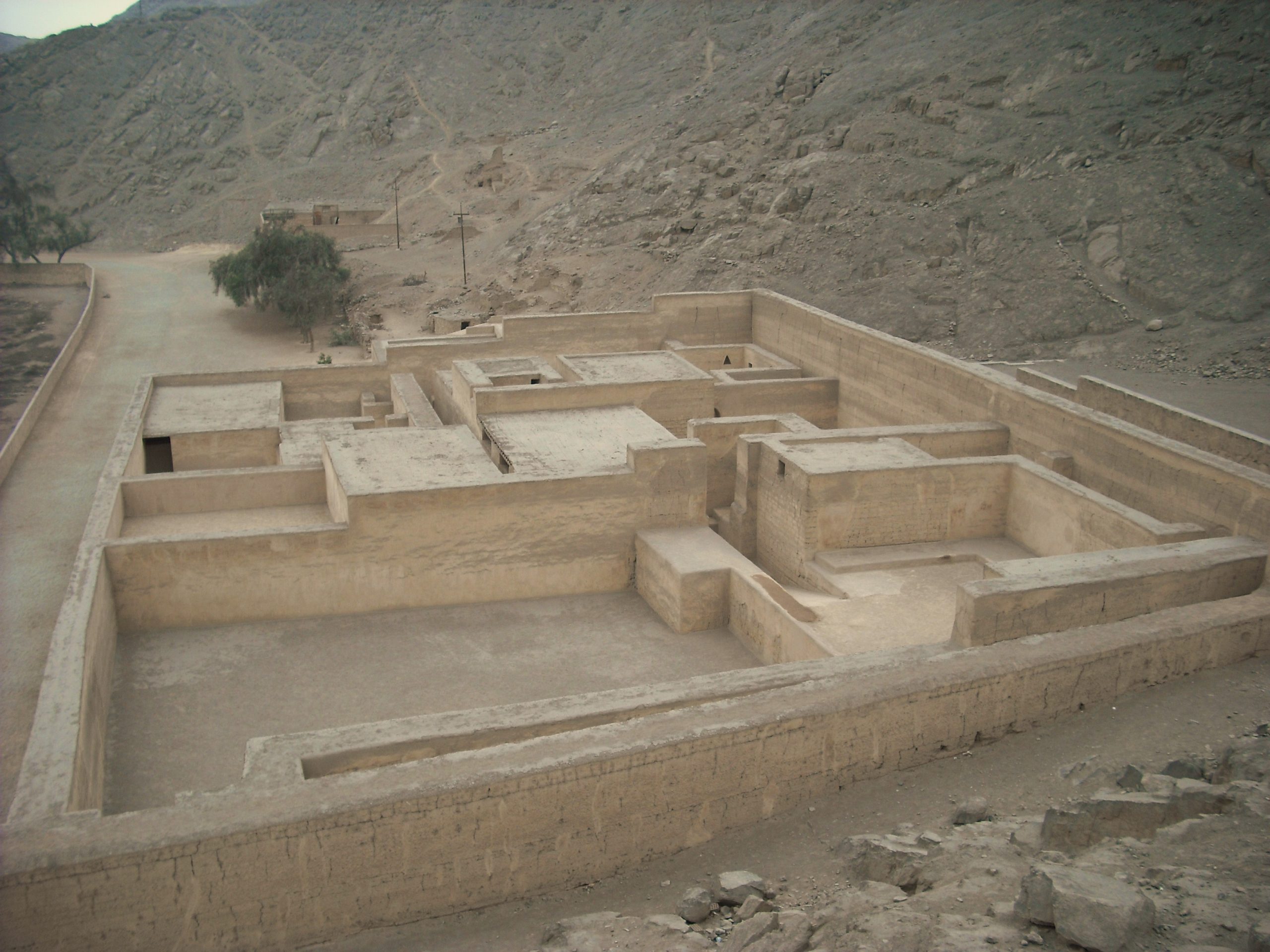
Puruchuco
Puruchuco stands as a significant archaeological zone in Peru, embodying the administrative and religious essence of the Ychma-Inca period from the 12th…
-
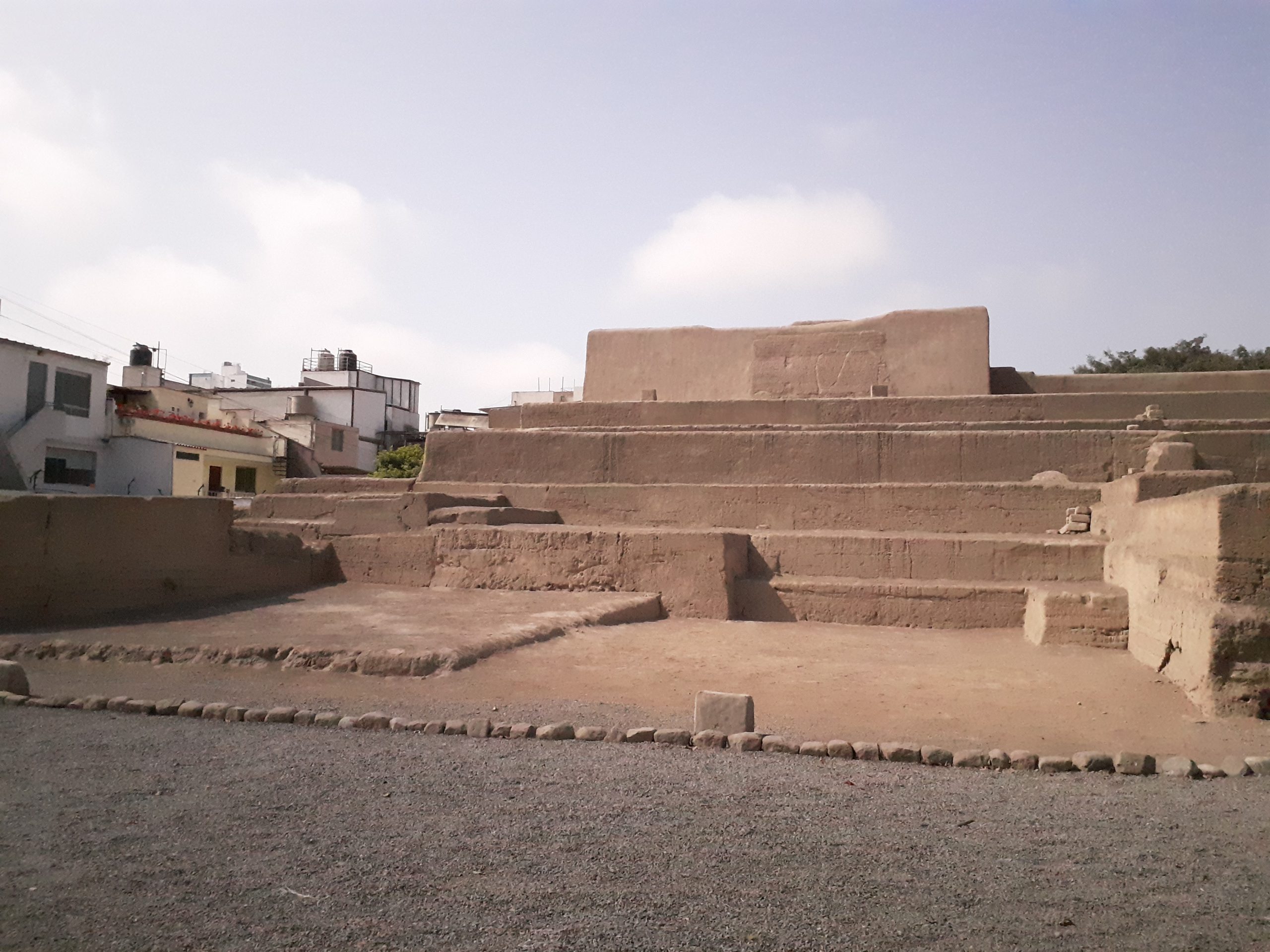
Huaca Santa Catalina
Huaca Santa Catalina, an archaeological site located in the district of La Victoria, Lima, Peru, stands as a testament to the rich…
-
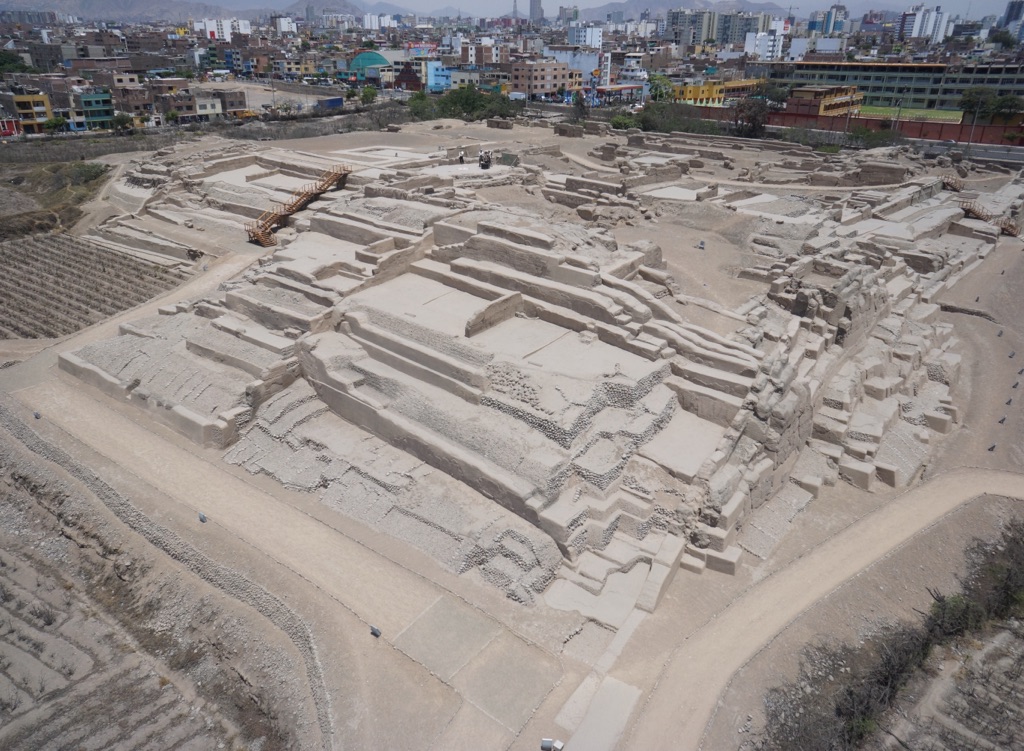
Mateo Salado archaeological complex
The Mateo Salado monumental archaeological complex, prominently located in the district of Lima, Peru, and bordering the districts of Breña and Pueblo…
-
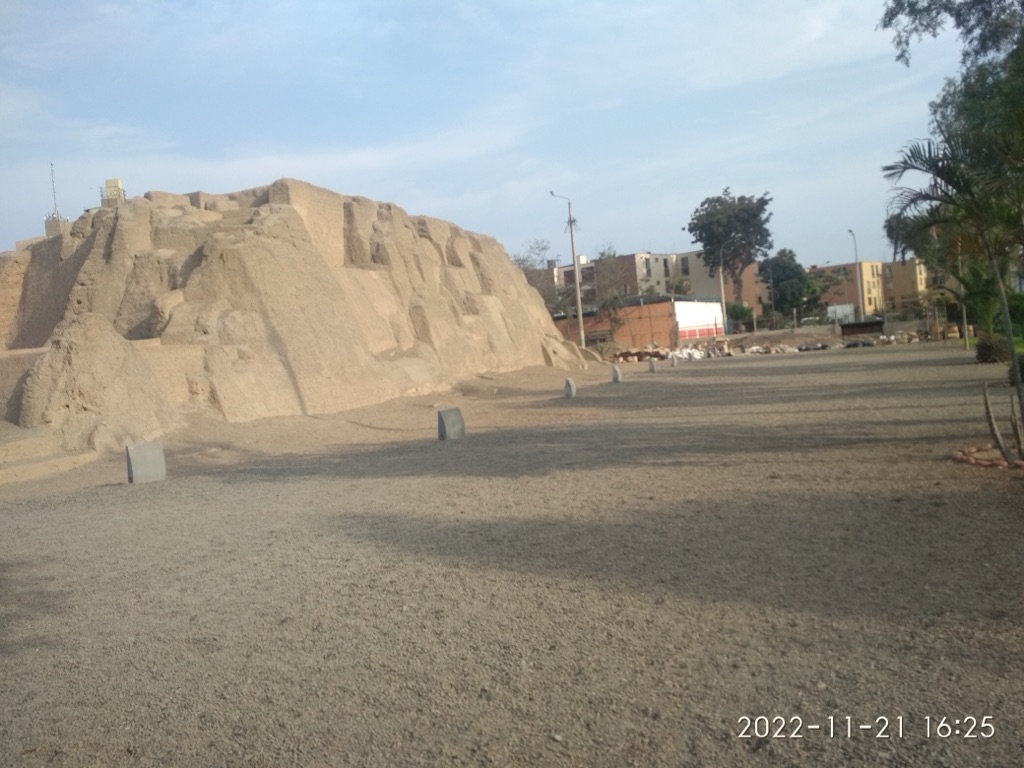
Huaca San Borja
Huaca San Borja is a pre-Columbian archaeological site located in the district of San Borja, Lima, Peru. It is a testament to…