Mezcala culture
The Mezcala culture was an ancient Mesoamerican society known for its distinctive art and architecture. Flourishing in the present-day state of Guerrero, Mexico, from approximately 700 to 200 BCE, the cultura Mezcala is especially noted for its stylized and abstract stone figures and masks. While the culture left behind no written records, their artifacts provide deep insights into their artistic sensibilities and the significance they placed on geometric forms. These often miniature sculptures carved from greenstone have intrigued archaeologists and collectors alike, offering a window into the culture’s craft and symbolism.
Architecturally, the Mezcala culture is known for its ceremonial centers which include terraces, plazas, and mounds, thought to have held religious and social significance. Structures like these point to a society that was organized and had clear social stratifications. However, much about their way of life, including their social organization, religious beliefs, and day-to-day activities, remains enigmatic. As with many pre-Columbian cultures, the disappearance of the Mezcala left many questions unanswered, but their artistic legacy continues to be a focus of study and admiration. Their influence, particularly through their art, can be seen in the subsequent civilizations that rose in the region.
-
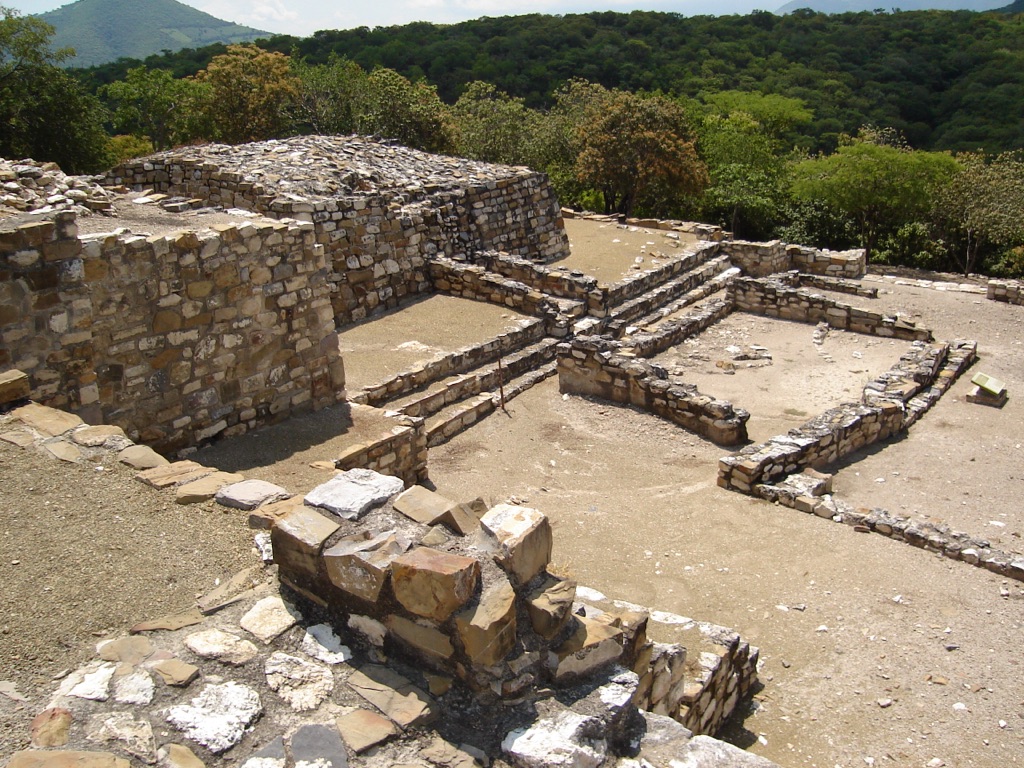
Xochipala
Xochipala, an ancient site in Guerrero, Mexico, offers a unique window into pre-Columbian history. Known for its remarkable figurines, the site reveals…
-
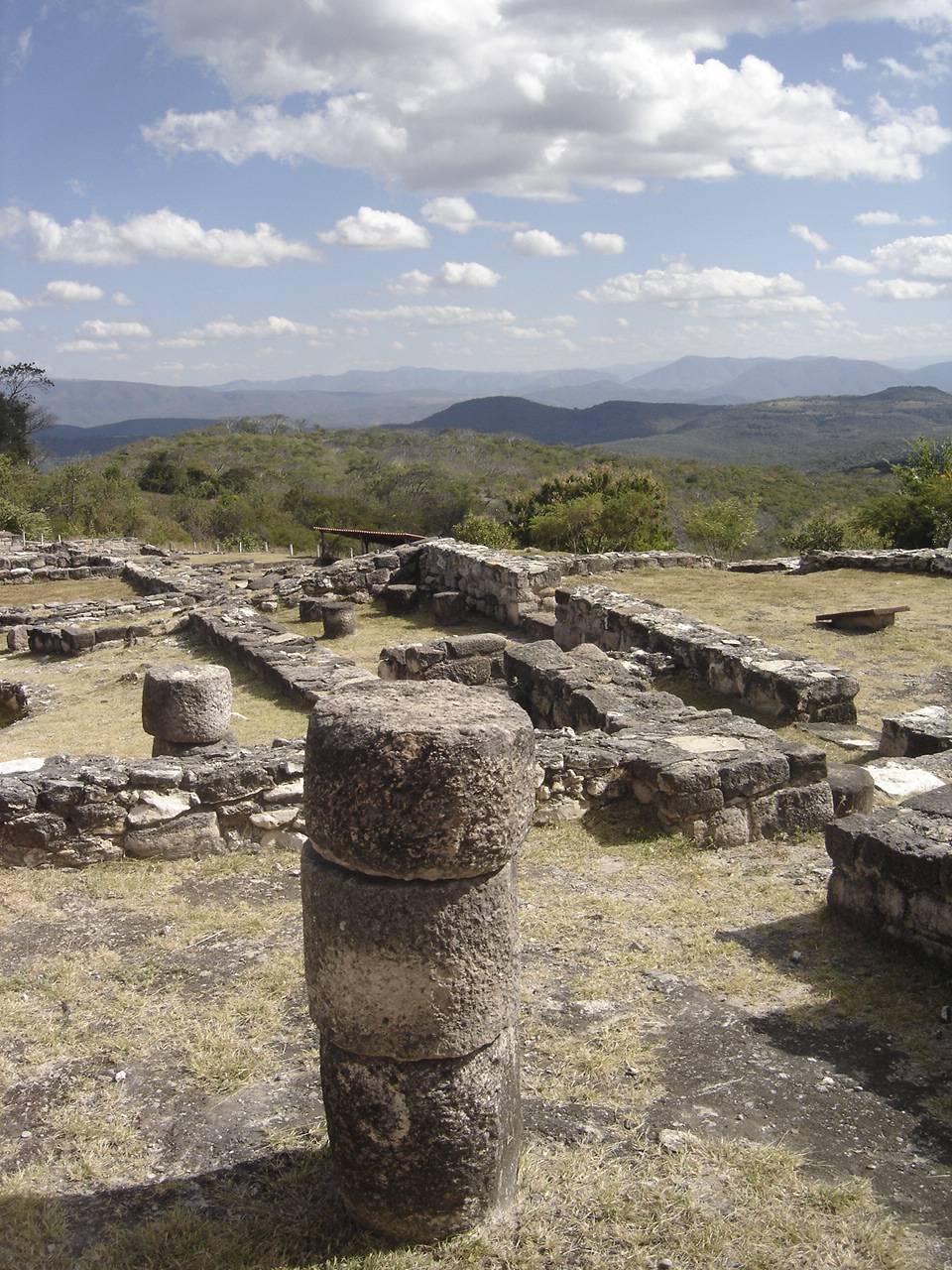
Cuetlajuchitlán: A Historical Journey Through Time
Cuetlajuchitlán, located in the Mexican state of Guerrero, is a significant archaeological site that offers a unique glimpse into the ancient civilizations…