Venetians

The Venetians come from Venice, a city unlike any other, built on over 100 islands in a lagoon of the Adriatic Sea. This place, known for its canals, gondolas, and stunning architecture, has a unique history. Venice, the birthplace of the Venetian people, became a major maritime power during the Middle Ages. The Venetians were skilled merchants and seafarers. They established a vast trading network that stretched across the Mediterranean and beyond. This network brought them immense wealth and influence. Venice’s strategic position made it a key player in the exchange of goods between the East and West. The city-state also played a significant role in the Crusades. It served as a cultural bridge between different parts of the world.
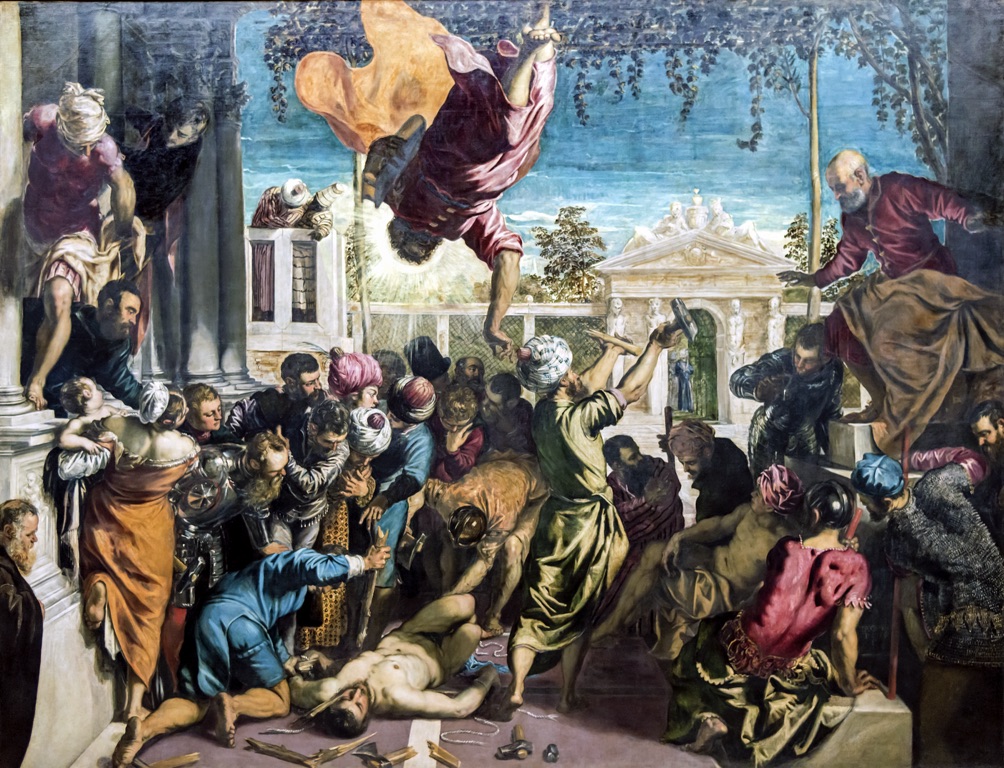
Venetian society was famous for its sophistication and love for the arts. The Venetians developed their own language, Venetian, which is still spoken today. Great artists like Canaletto and Titian called Venice home, capturing its beauty in their paintings. The world-renowned Venice Carnival showcases the Venetians’ flair for elaborate costumes and masks. Throughout history, the Venetians have demonstrated a strong sense of identity and independence. Venice remains a top tourist destination. Its historic sites like St. Mark’s Basilica and the Doge’s Palace draw millions of visitors each year. The contributions of the Venetians to commerce, art, and architecture continue to influence the world to this day.
The origins of Venice can be traced back to the migration of people to the Venetian Lagoon around 421 AD, seeking refuge from the Germanic invasions of Italy. Over the centuries, these disparate communities coalesced into the Republic of Venice, a major maritime power by the 9th century. The zenith of Venetian power was reached in the late Middle Ages and the Renaissance period, between the 13th and 16th centuries, after which its influence began to wane. The Republic met its end in 1797 when it was conquered by Napoleon Bonaparte.
Venice is uniquely situated in the northeastern part of Italy, spread across 118 small islands in the shallow Venetian Lagoon along the Adriatic Sea. This geographical setting played a crucial role in shaping its destiny as a maritime republic.
Culture and Society
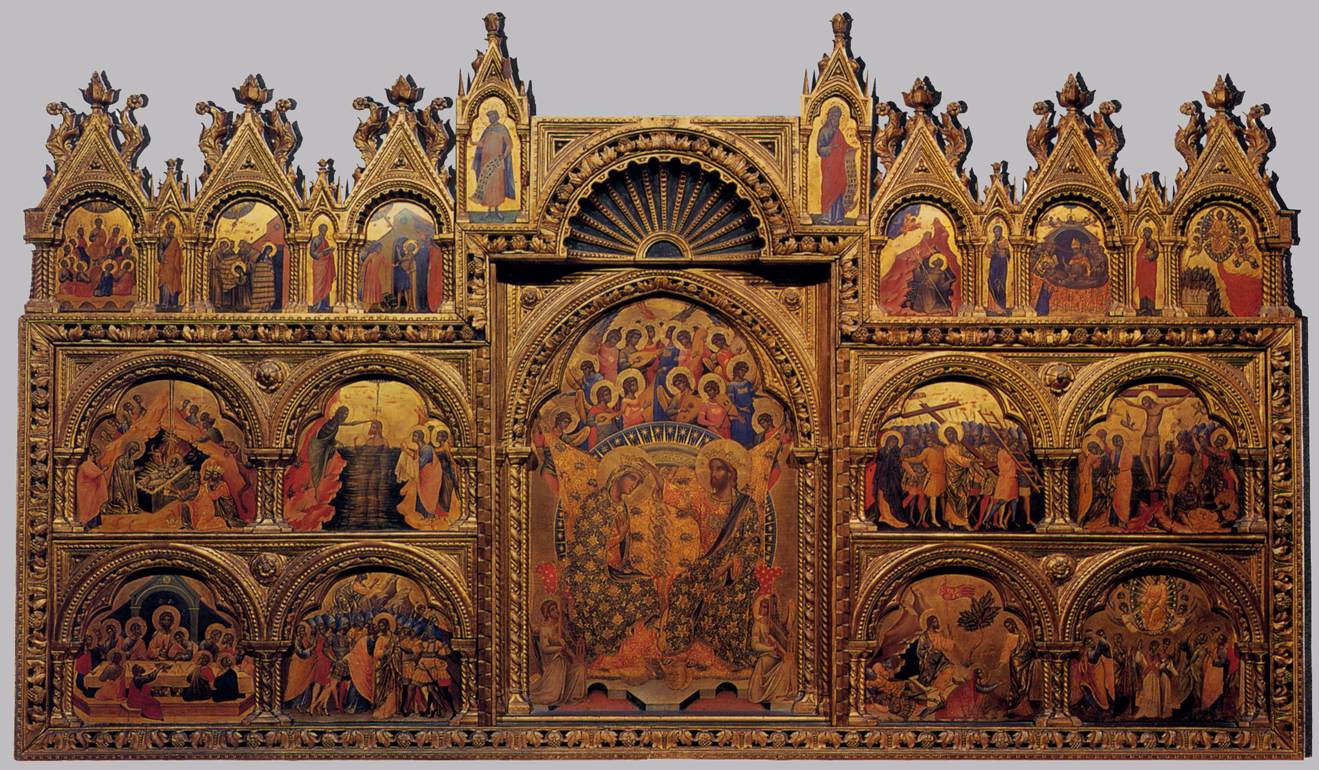
Venetian society was highly stratified, with a clear distinction between the nobility, the bourgeoisie, and the common folk. Despite this, the Republic was known for its relatively progressive governance, with the Doge (the chief magistrate) being elected by a complex system of councils. The Venetians were also renowned for their contributions to art and architecture, with the city of Venice today being a testament to their prowess in these fields. The Venetian Gothic style, characterized by its elegant blend of Byzantine and Islamic influences, is particularly noteworthy.
Religion and Gods
Christianity was the dominant religion in Venice, with the city being a major center of the Roman Catholic Church. The Patriarch of Venice held significant religious authority, and the city was dotted with numerous churches and basilicas, the most famous being the Basilica di San Marco. The Venetians were deeply religious, and their devotion is evident in the grandeur of their religious architecture and the numerous religious festivals celebrated throughout the year.
Wars and Conquests
The military history of Venice is marked by its naval prowess. The Venetian Arsenal was one of the largest industrial complexes in Europe during the Middle Ages, enabling the Republic to build a powerful navy. This naval strength allowed Venice to secure control over key trade routes in the Mediterranean and the Black Sea. Notable military engagements include the Battle of Lepanto in 1571, where the Venetian fleet played a crucial role in defeating the Ottoman Turks. Venice also engaged in numerous conflicts with other Italian city-states, the Byzantine Empire, and the Ottoman Empire to protect and expand its territories.
Collapse and Downfall
The decline of the Venetian Republic was a gradual process, influenced by several factors. The opening of new trade routes to the East around Africa by the Portuguese and the rise of the Ottoman Empire significantly weakened Venice’s control over Mediterranean trade. Additionally, the discovery of the Americas shifted the focus of European trade westwards. The Republic’s economy suffered greatly as a result, leading to political instability and decline. The final blow came in 1797 when Napoleon Bonaparte invaded Venice, ending its independence.
-
Palmanova
The Establishment and Evolution of Palmanova Palmanova, a remarkable example of a Renaissance planned town, was established by the Venetian Republic on…
-
Methoni Castle
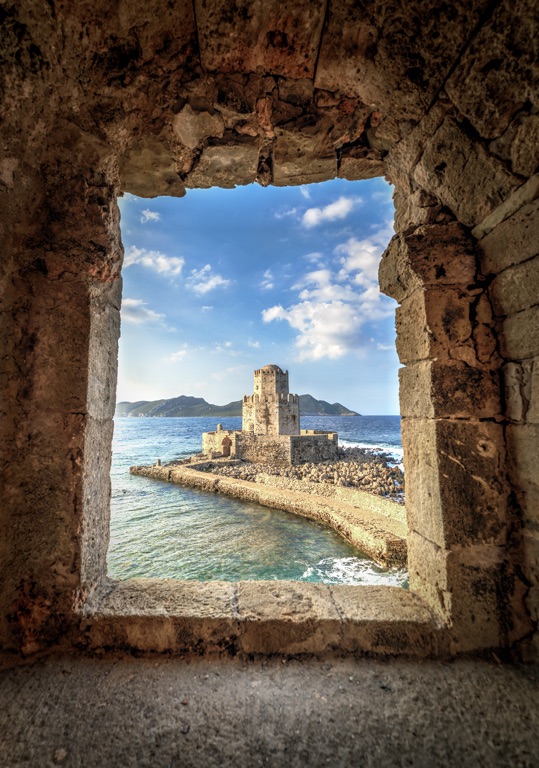
The Methoni Castle is a medieval fortification located in the port town of Methoni, Greece. It is one of the most significant…
-
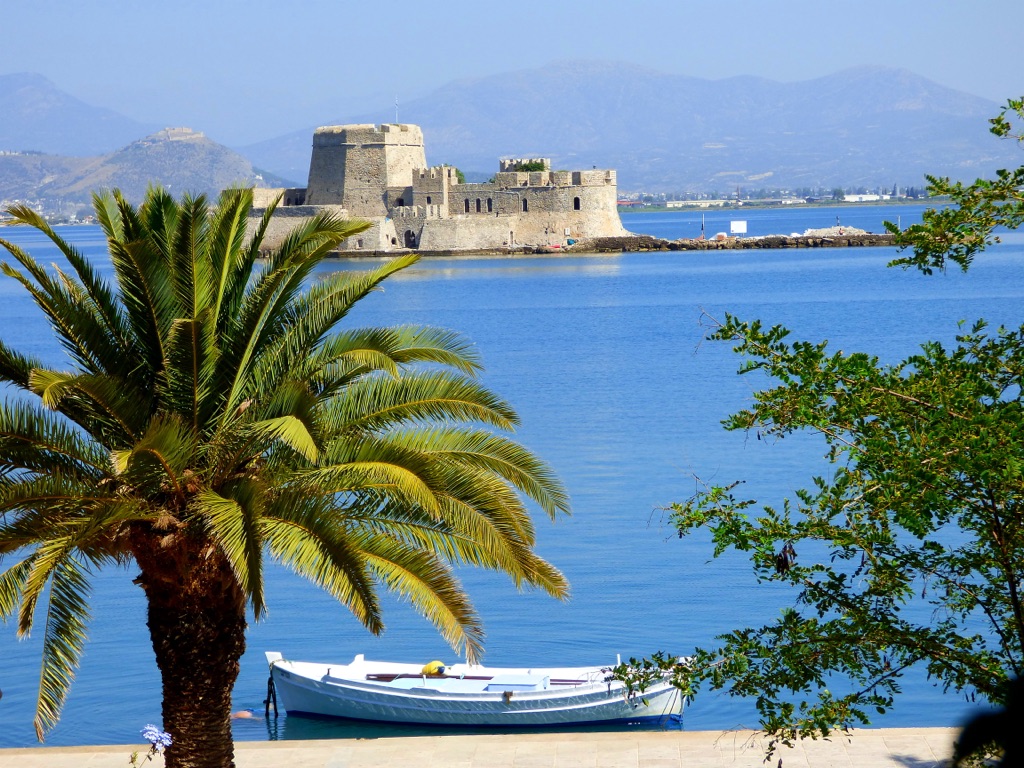
Bourtzi Castle, Nafplio
Bourtzi Castle, located in the picturesque city of Nafplio in Greece, is a captivating historical monument that draws visitors from around the…
-
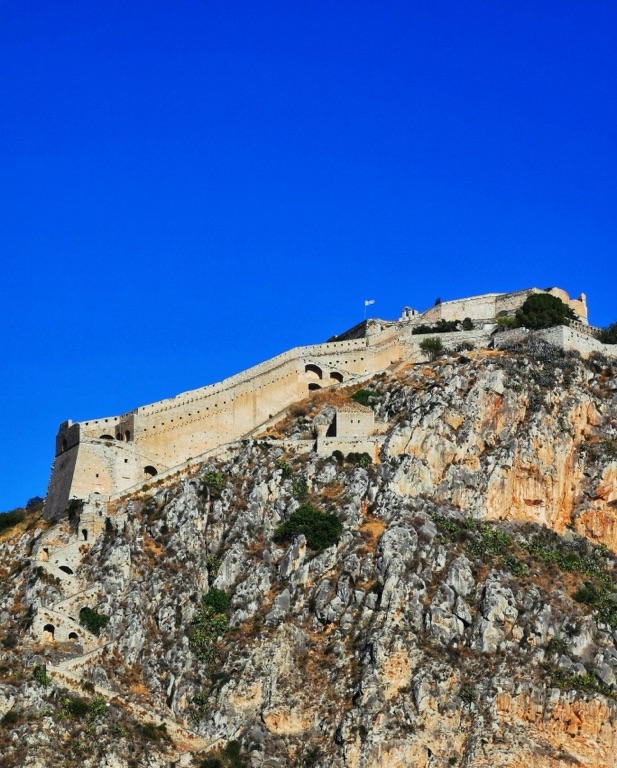
Palamidi castle, Nafplio
Palamidi Castle, located in Nafplio, Greece, is a fortress that sits atop a hill, offering panoramic views of the city and the…