Natural Formations
Natural formations are incredible geological wonders that have formed over millennia due to the Earth’s ever-changing landscape. Famed natural rock formations like the Grand Canyon, the Giant’s Causeway, or Uluru (Ayers Rock) are breathtaking sights that draw visitors from around the globe. Created through processes such as volcanic activity, erosion, sedimentation, and tectonic plate movements, these formations come in an astonishing variety of shapes and sizes. They serve not only as tourist attractions but also as sources of scientific study, helping to unravel the history of our planet.
Another captivating type of natural formation is natural crystal formations. These are found in caves, mines, and rock caverns, like the Giant Crystal Cave in Mexico, where massive selenite crystals have captured worldwide attention. Each natural formation tells a unique story about the environmental conditions that led to its creation. Crystal formations, for example, often form in mineral-rich waters and can be indicators of the Earth’s geothermal activities. Whether towering, sprawling, or sparkling, these natural formations are powerful reminders of nature’s artistry and complexities.
-
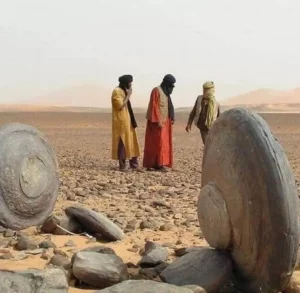
Valley of the Planets: Libya’s Sahara Stone Spheres
Discovered in the 1930s, Libya’s Valley of the Planets is a stretch of Saharan crater landscape mistaken for an impact site. Explore…
-
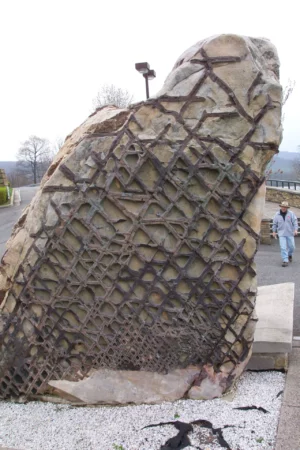
Waffle Rock
Waffle Rock: A Geological Marvel in West Virginia Located above Jennings Randolph Lake in West Virginia, Waffle Rock stands as a captivating…
-
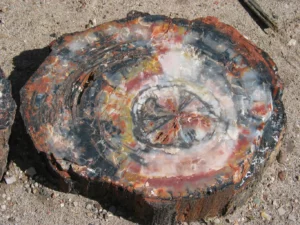
Petrified Forest National Park
Introduction to Petrified Forest National Park Petrified Forest National Park lies in northeastern Arizona, spanning Navajo and Apache counties. It covers about…
-
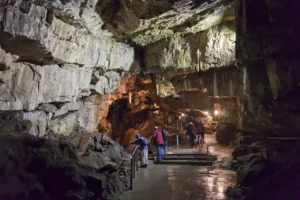
Poole’s Cavern
Exploring Poole’s Cavern Poole’s Cavern, also known as Poole’s Hole, is a stunning limestone cave on the edge of Buxton, Derbyshire. Formed…
-
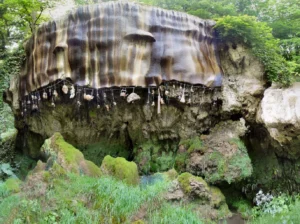
The Petrifying Well
A petrifying well transforms objects into stone-like figures over time. When you leave an object in such a well for months or…
-
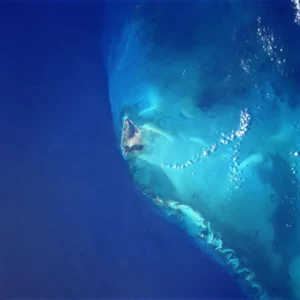
Bimini Road
Exploring the Bimini Road’s Origins Nestled near North Bimini Island, the Bimini Road is a mysterious underwater formation. It stretches over 0.8…