The Picts
The Picts were a group of Late Iron Age and Early Medieval Celtic people living in what is now eastern and northern Scotland. They are first mentioned in Roman records in AD 297 and are thought to have vanished by the end of the first millennium, their culture merging with the Gaels and other groups to form the modern Scottish identity. The timeline of Pictish civilization is marked by their resistance against Roman and later Anglo-Saxon invasions, their unique art and language, and their eventual Christianization.
One of the major moments in Pictish history was their resistance against Roman invasion. The Romans referred to the northern tribes of Britain as “Picti,” meaning “painted ones,” possibly referring to their practice of body painting or tattooing. Despite several Roman campaigns into Pictish territories, including the construction of the Antonine Wall around AD 142 and later the more famous Hadrian’s Wall, the Picts remained unconquered, showcasing their resilience and military capabilities.
Pictish religion before the arrival of Christianity is not well-documented but is believed to have been a form of ancient Celtic polytheism, worshipping natural elements and a pantheon of deities. The introduction of Christianity, particularly through the mission of Saint Columba in the 6th century, marked a significant shift. The Picts gradually converted to Christianity, which led to the establishment of monasteries and the spread of Christian art and culture throughout Pictland.
Social and daily life among the Picts would have varied from the rural peasantry to the warrior elite. They were skilled in agriculture, hunting, and fishing, which were the mainstays of their economy. Pictish society was also noted for its distinctive art, particularly stone carvings which featured symbols whose meanings remain a subject of debate among historians. These carvings, along with metalwork and jewelry, suggest a society with a rich cultural life and advanced craftsmanship.
The political structure of the Picts is somewhat obscure, but they were divided into several kingdoms or tribes, each ruled by its own king. By the 7th and 8th centuries, the concept of a high king of the Picts emerged, suggesting a degree of political consolidation. Notable kings include Bridei III, who defeated the Northumbrians at the Battle of Dun Nechtain in AD 685, a victory that secured Pictish independence from Northumbrian rule.
The Picts had no known queens who ruled in their own right, as Pictish succession practices favored male heirs. However, women likely played significant roles in Pictish society, possibly including religious functions, as suggested by some historical and archaeological evidence.
The Picts were involved in numerous wars and battles, both among themselves and against external enemies. Besides their successful resistance against the Romans, they frequently clashed with the neighboring Britons, Angles, and Vikings. The Viking raids of the 8th and 9th centuries were particularly devastating, leading to the loss of territories and contributing to the decline of Pictish power.
By the late 9th century, the Pictish identity began to merge with that of the Gaels, following the reign of Kenneth MacAlpin, who is traditionally credited with uniting the Picts and Scots. This union, whether peaceful or through conquest, marked the end of the Picts as a distinct people, their culture and language absorbed into the emerging Scottish kingdom.
-
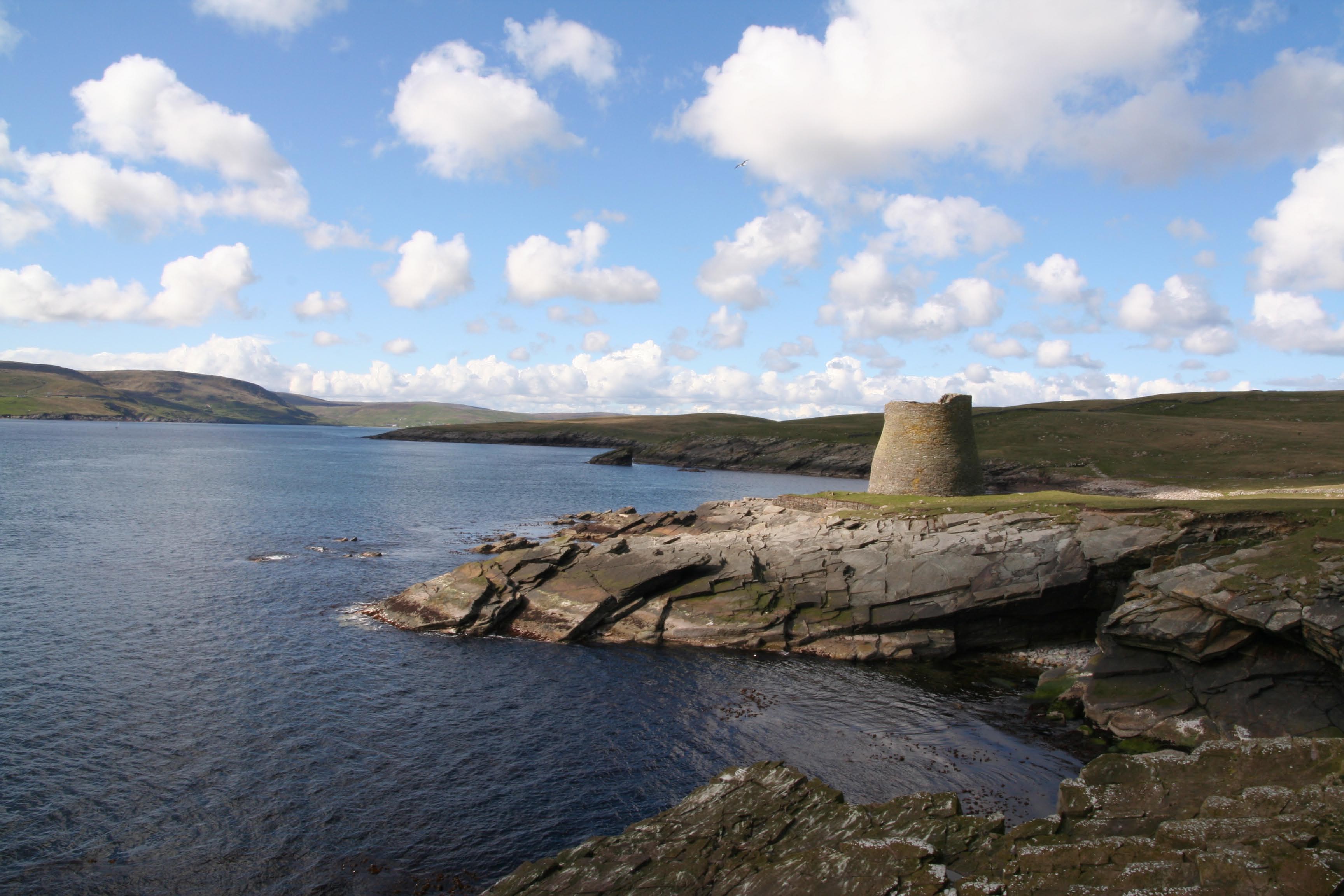
Broch of Mousa
The Broch of Mousa is a remarkably well-preserved Iron Age structure located on the island of Mousa in Shetland, Scotland. Standing at…
-
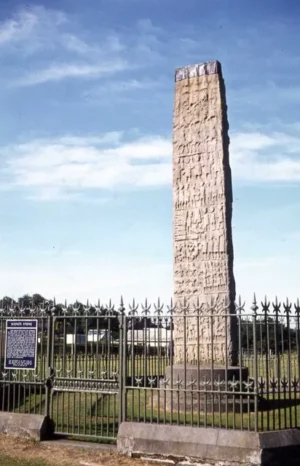
Sueno’s Stone
Sueno’s Stone is a remarkable Pictish standing stone located in Scotland. It’s the largest known Pictish stone of its kind, standing at…
-
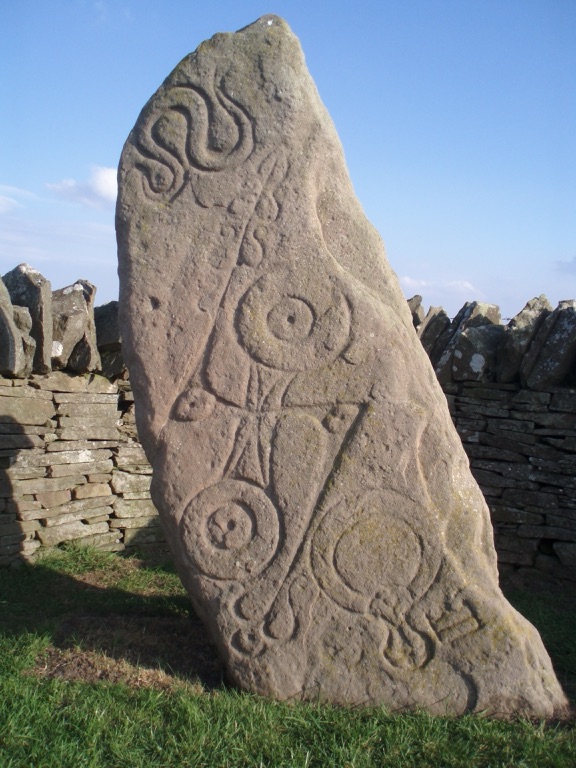
Aberlemno Sculptured Stones
The Aberlemno Sculptured Stones are a group of remarkable Pictish standing stones. Located in Aberlemno, Scotland, these stones are famed for their…