Purépecha Empire
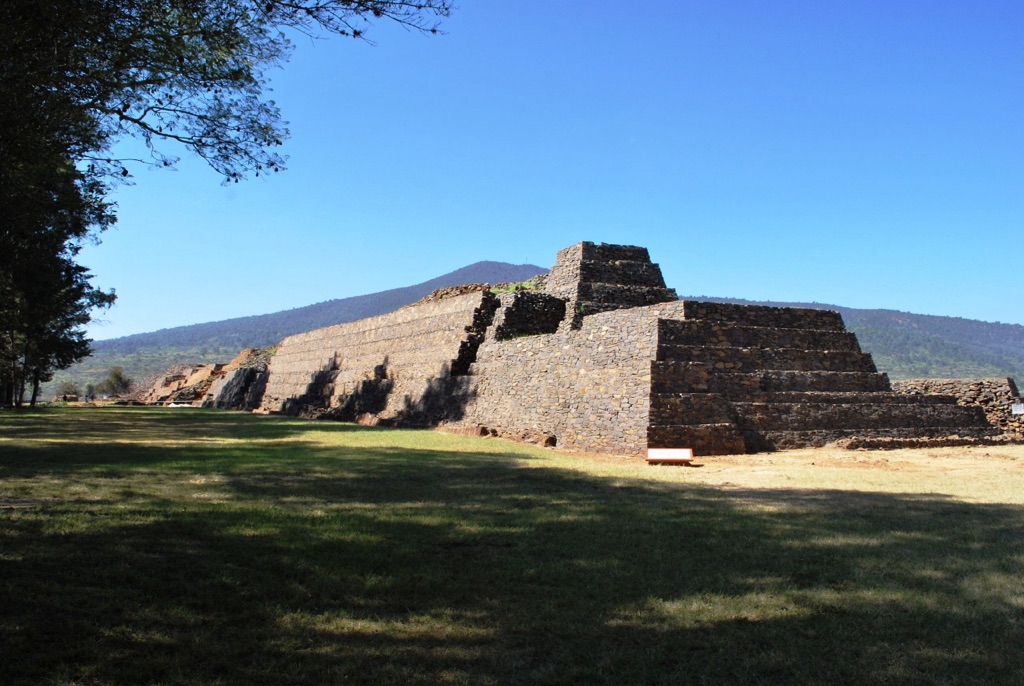
The Purépecha Empire, also known as the Tarascan State, was a powerful pre-Columbian civilization in western Mexico. They rose to power in the early 14th century and developed an advanced society rivaling the Aztecs. The empire’s heartland was around Lake Pátzcuaro, where the Purépecha built their capital city, Tzintzuntzan. The Purépecha people were skilled in a variety of crafts, particularly metalwork. They were one of the few ancient American cultures to use copper in weaponry and tools. Their social structure was complex, with a king or ‘Cazonci’ at the top, followed by nobles, priests, and the common people. Trade was essential to their economy, allowing them to control a vast network that spread across different regions.
The Purépecha Empire had a distinctive culture, with unique customs, language, and religious beliefs. Their deities included Curicaueri, the god of fire, and Xaratanga, the goddess of the moon. The Purépechas celebrated their gods with grand festivals and elaborate ceremonies that still inspire wonder today. Their military was formidable, and they were one of the few groups to resist Aztec domination successfully. The arrival of the Spanish marked the decline of the Purépecha Empire. Despite this, the Purépecha legacy endures. Many of their descendants still live in the region around Lake Pátzcuaro. They maintain much of their ancestral heritage, keeping the history and culture of the ancient Purépecha Empire alive.
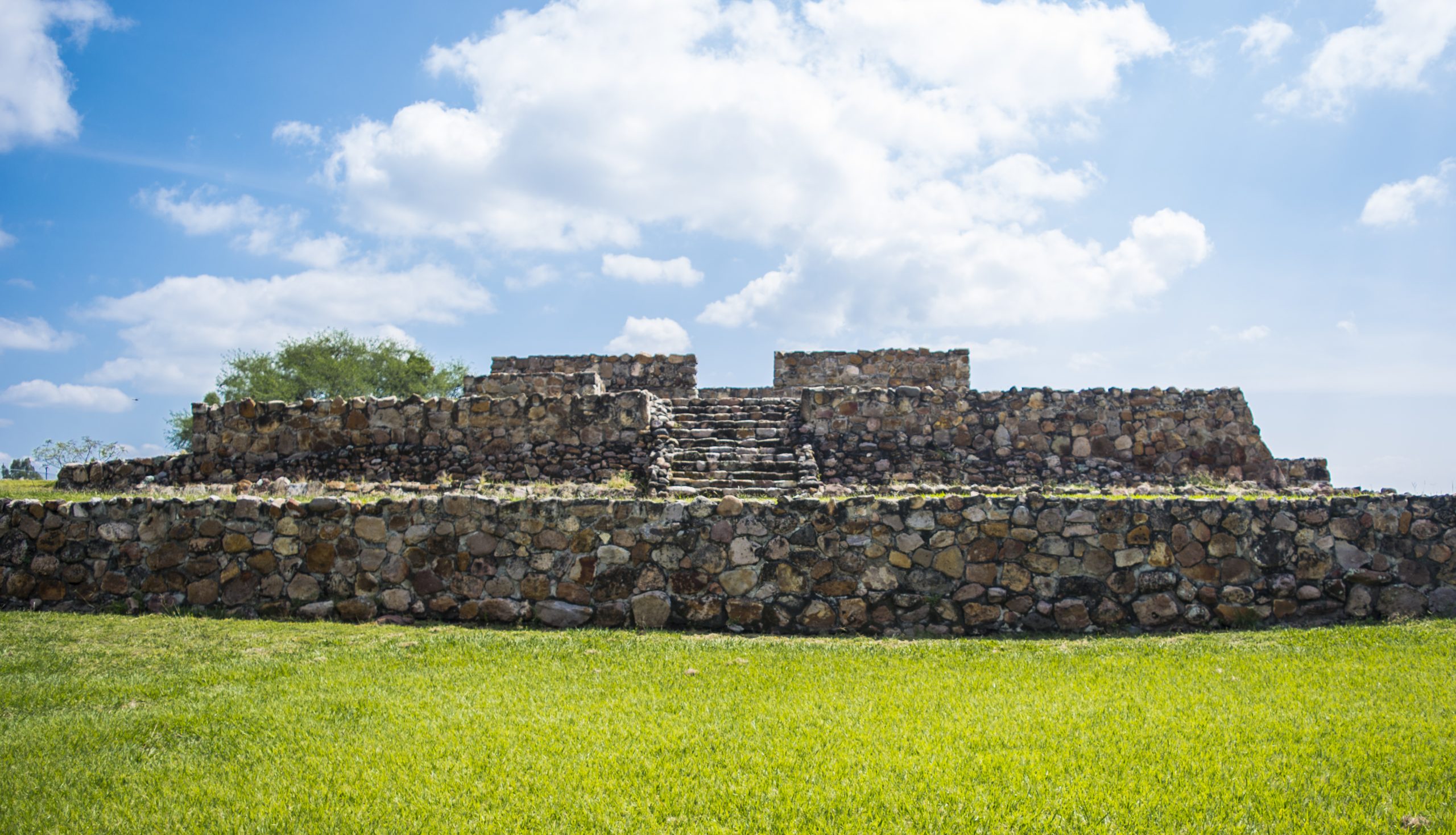
The Purépecha Empire’s architecture and urban planning were remarkable, showcasing their advanced understanding of engineering and aesthetics. The capital, Tzintzuntzan, was a marvel of its time, with grand temples, plazas, and yácatas (pyramidal structures) that served as the nucleus of Purépecha society. These structures were not only places of worship but also centers of governance and community life. The empire’s road system facilitated efficient communication and troop movement, further solidifying their control over the vast territories they governed. This infrastructure played a crucial role in the empire’s economic and military strength, enabling them to manage and defend their domain effectively.
Agriculture was the backbone of the Purépecha economy, with the empire’s farmers developing sophisticated methods to cultivate maize, beans, squash, and chilies. They implemented advanced irrigation techniques and terraced farming to maximize land use in the mountainous regions of Michoacán. This agricultural innovation ensured a stable food supply, supporting a dense population and the urban elite. The surplus produce fueled trade with neighboring regions, bringing in luxury goods and raw materials that further enriched Purépecha society.
The Purépecha were also noted for their contributions to astronomy and calendar systems. They observed celestial bodies and developed a calendar that was used to plan agricultural activities and religious ceremonies. This deep understanding of the cosmos underscores the intellectual and spiritual depth of the Purépecha people, who saw the movements of the stars and planets as intimately connected to the divine and the rhythms of the earth.
Despite the Spanish conquest in the early 16th century, the Purépecha people have preserved much of their rich cultural heritage. Today, their traditions, language, and crafts are a living testament to the resilience and enduring legacy of the Purépecha Empire. The descendants of this great civilization continue to celebrate their history, ensuring that the achievements and culture of their ancestors are not forgotten but honored and passed down through generations.
Purépecha Empire Archaeological Sites and Artifacts
-
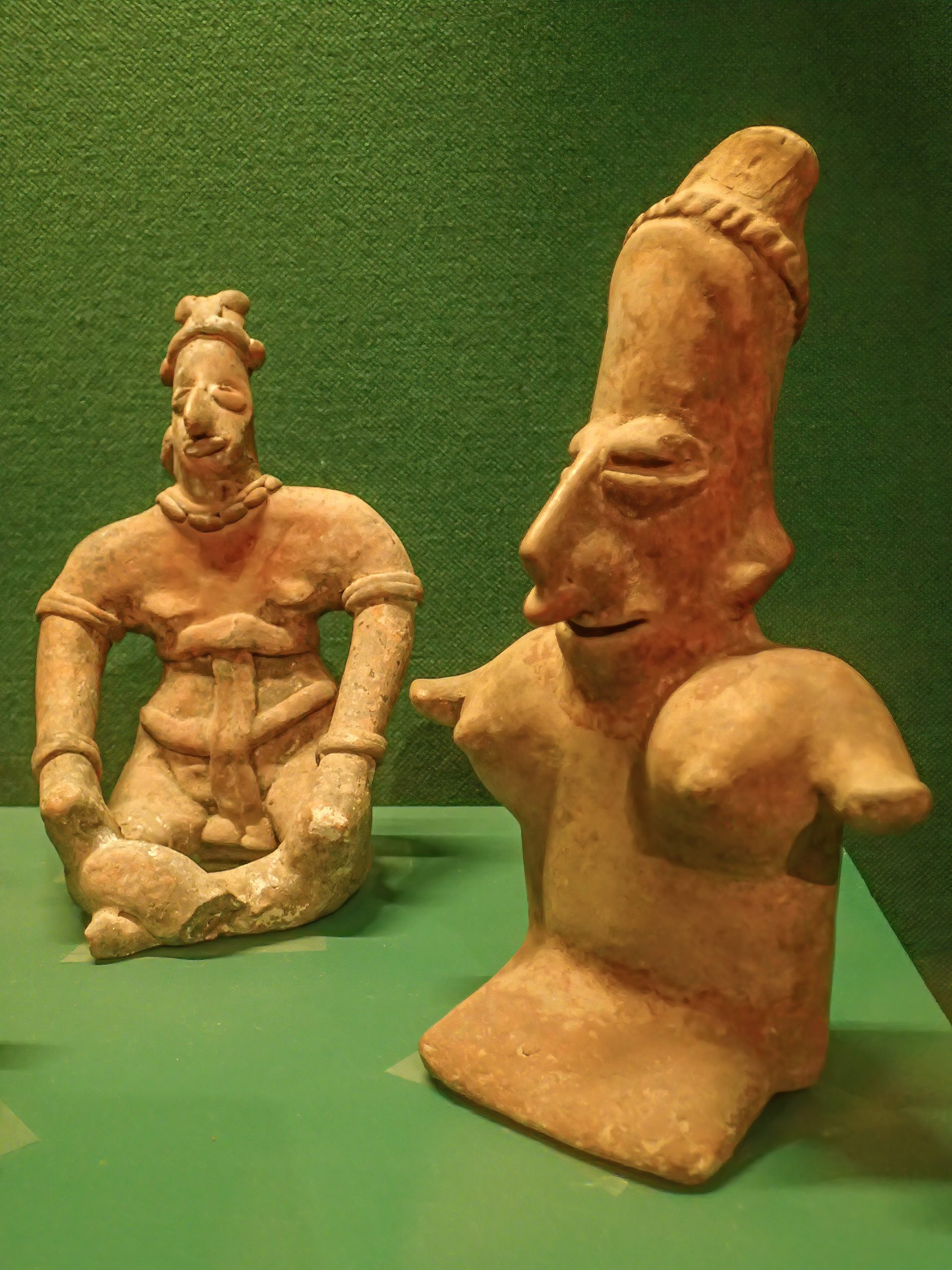
Cutzamala (Mesoamerican site)
The archaeological site of Cutzamala, located in the northern Guerrero region of Mexico, has emerged as a significant point of interest for…
-
Huandacareo
Huandacareo, an archaeological zone situated approximately 60 kilometers north of Morelia, Michoacán, stands as a testament to the rich cultural tapestry of…
-
Ihuatzio archaeological site
Ihuatzio, an archaeological site located in the state of Michoacán, Mexico, stands as a testament to the rich prehispanic history of the…
-
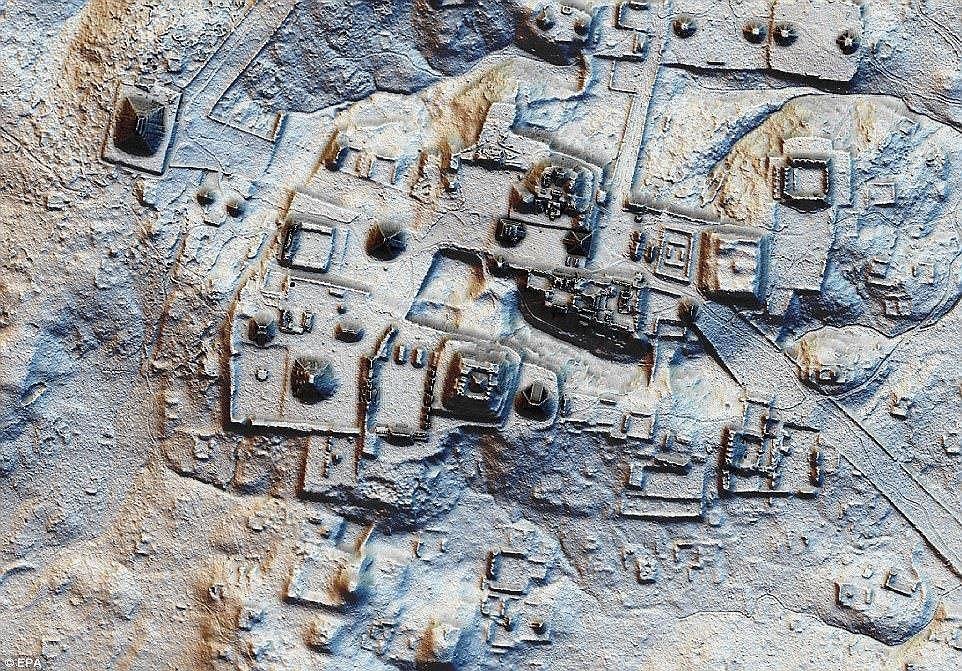
Angamuco – Lost Pyramid City
Angamuco, a lost pyramid city in Mexico, unveils a unique chapter in Mesoamerican history. This sprawling metropolis, home to over 40,000 structures,…
-
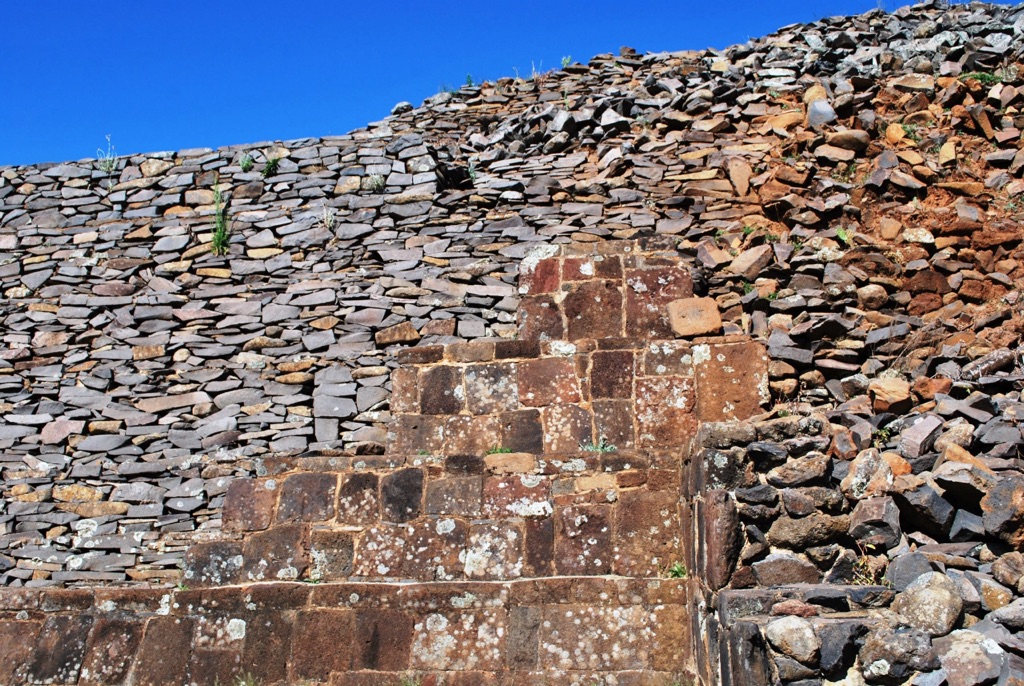
Tzintzuntzan
Tzintzuntzan holds a remarkable place in history as the capital of the Purépecha empire during the post-classical period. This ancient city, whose…