The Babylonians
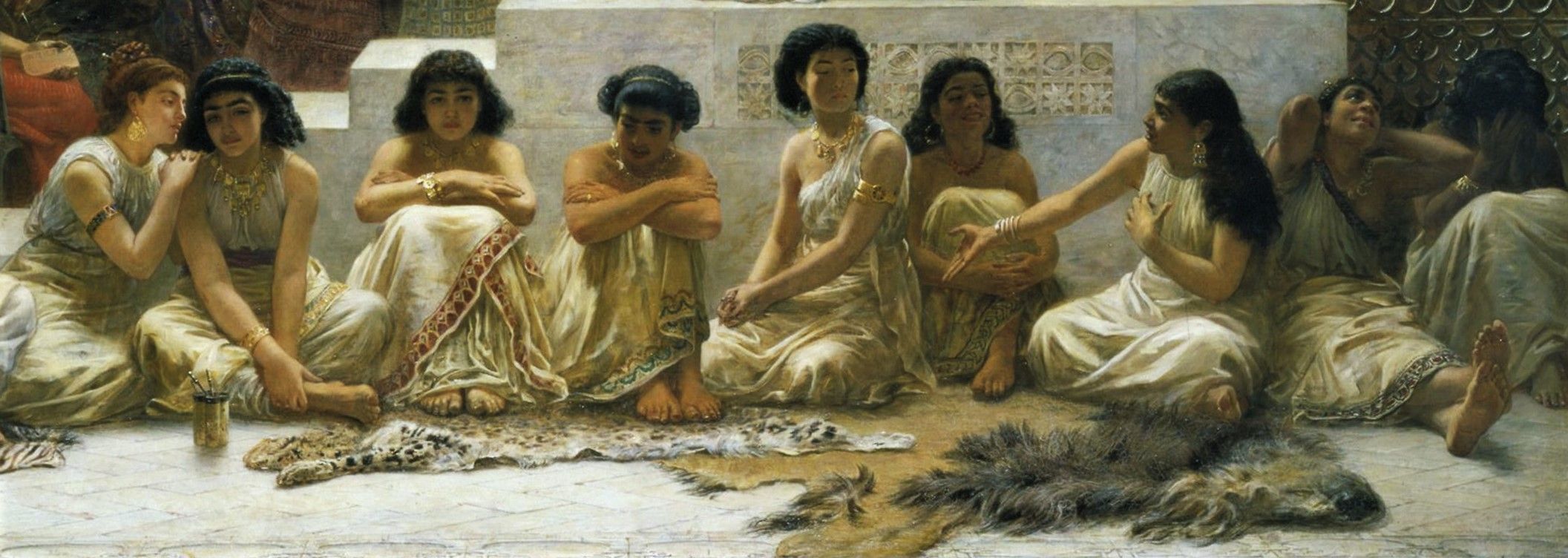
The Babylonians, an ancient civilization that flourished in Mesopotamia, the fertile crescent between the Tigris and Euphrates rivers, have left an indelible mark on the annals of history. Emerging in the early 2nd millennium BCE, their society was centered around the city of Babylon, which under the rule of King Hammurabi, became a significant political, religious, and cultural hub. The Babylonians are perhaps best known for their contributions to law, with the Code of Hammurabi being one of the earliest and most comprehensive legal documents in human history. This set of laws, inscribed on a towering stone stele, underscored principles of justice that have echoed through the ages, influencing subsequent legal systems.
In addition to their legal innovations, the Babylonians were pioneers in the fields of mathematics and astronomy. They developed a sophisticated base-60 (sexagesimal) number system, which is why today an hour has 60 minutes and a circle 360 degrees. Their keen observations of the heavens led to the creation of a lunar calendar and enabled them to predict celestial events with remarkable accuracy. These scientific endeavors were not only practical in nature, aiding in agriculture and timekeeping, but also held religious significance, as they believed celestial bodies were manifestations of their gods.
The religious life of the Babylonians was rich and complex, characterized by a vast pantheon of gods and goddesses presiding over every aspect of the natural world and human endeavor. Marduk, the patron god of Babylon, occupied the pinnacle of this hierarchy, especially during the Neo-Babylonian period. Temples and ziggurats dotted the landscape, serving as both places of worship and as centers of learning and administration. The Babylonians believed that their actions were closely intertwined with the divine, and that their gods had a direct influence on their fortunes, health, and the fertility of their crops.
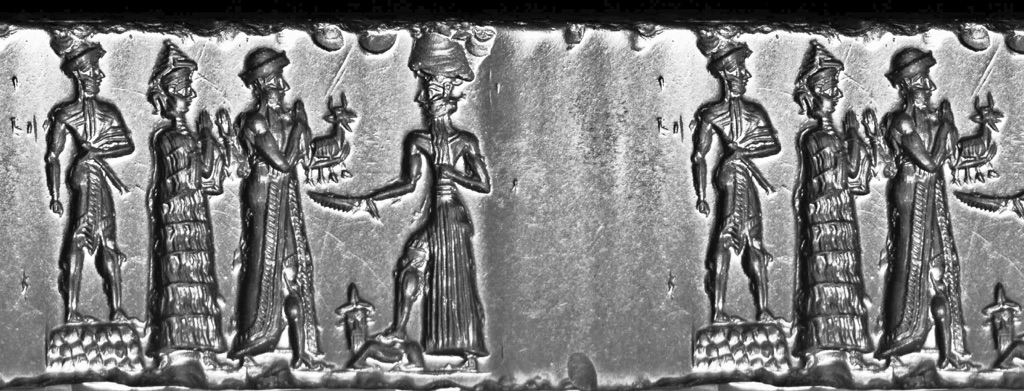
Despite their many achievements, the Babylonian civilization was not immune to the vicissitudes of history. Conquered by the Persian king Cyrus the Great in 539 BCE, Babylon gradually declined, eventually becoming a mere shadow of its former glory. Yet, the legacy of the Babylonians endures, through their contributions to law, science, and religion, which have been passed down through the millennia. Their story is a testament to the enduring human quest for knowledge, order, and connection with the divine, shaping the foundation of modern civilization in profound ways.
FAQ: Deciphering the Babylonian Civilization
What were the Babylonians known for?
The Babylonians are celebrated for their monumental achievements in various fields. They are most renowned for their architectural marvels, including the Hanging Gardens of Babylon, one of the Seven Wonders of the Ancient World, although its existence remains debated among historians. In addition, they made significant advancements in mathematics, developing a base-60 number system that influences our concept of time and geometry today. The Babylonians also made notable contributions to astronomy, law, and literature, with the Code of Hammurabi being one of the earliest and most complete written legal codes.
What is Babylon called today?
The ancient city of Babylon, once a key kingdom in ancient Mesopotamia, is located in present-day Iraq. Its ruins lie near the modern city of Hillah, Babil Governorate, about 85 kilometers (53 miles) south of Baghdad. Despite centuries of change and development in the region, the site still holds the echoes of its past glory, attracting scholars and tourists fascinated by its history.
Why was Babylon destroyed?
Babylon’s decline was a gradual process influenced by several factors, including military conquests and internal strife. The city first suffered a significant blow when it was conquered by the Assyrian Empire. However, it regained prominence under the rule of Nebuchadnezzar II. The final and most decisive factor in Babylon’s downfall was its conquest by the Persian king Cyrus the Great in 539 BCE. The city continued to exist but never regained its former splendor, eventually falling into ruin after centuries of decline, exacerbated by changing trade routes and the rise of new powers in the region.
Did the Babylonians believe in god?
Yes, the Babylonians were polytheistic, meaning they believed in and worshipped multiple gods and goddesses. Their pantheon was vast and complex, with deities overseeing various aspects of the natural world and human life. Marduk was one of the most important gods in the Babylonian pantheon, especially known as the patron deity of Babylon. The Babylonians believed that their gods played a crucial role in the creation of the world, the affairs of humanity, and the functioning of nature.
Were the Babylonians in the Bible?
Yes, the Babylonians play a significant role in the Bible, particularly in the Old Testament. They are most famously known for the Babylonian Exile, a period during which many Jews were taken captive to Babylon following the city’s conquest of the Kingdom of Judah in 586 BCE. The event is a pivotal moment in Jewish history and is recounted in several books of the Bible, including 2 Kings, Jeremiah, and Daniel. Babylon is often depicted as a place of punishment for the Israelites’ sins but also a place where they maintained their faith and identity in exile.
What is the Babylonians’ timeline?
The timeline of the Babylonian civilization is marked by several key periods, beginning with its rise in the early 2nd millennium BCE:
– Old Babylonian Period (c. 1830 – c. 1531 BCE): Marked by the reign of Hammurabi, who created one of the world’s earliest and most comprehensive law codes.
– Middle Babylonian Period (c. 1531 – c. 1000 BCE): A time of decline and domination by foreign powers, including the Hittites and Kassites.
– Neo-Babylonian Period (c. 626 – 539 BCE): A resurgence of Babylonian power and culture, highlighted by the reign of Nebuchadnezzar II and the construction of iconic structures like the Ishtar Gate.
– Persian Conquest (539 BCE): Cyrus the Great of Persia conquers Babylon, marking the end of the Babylonian Empire as an independent entity.
Throughout these periods, Babylon experienced fluctuations in power and influence, leaving a lasting legacy on the world in terms of culture, law, and science.
-
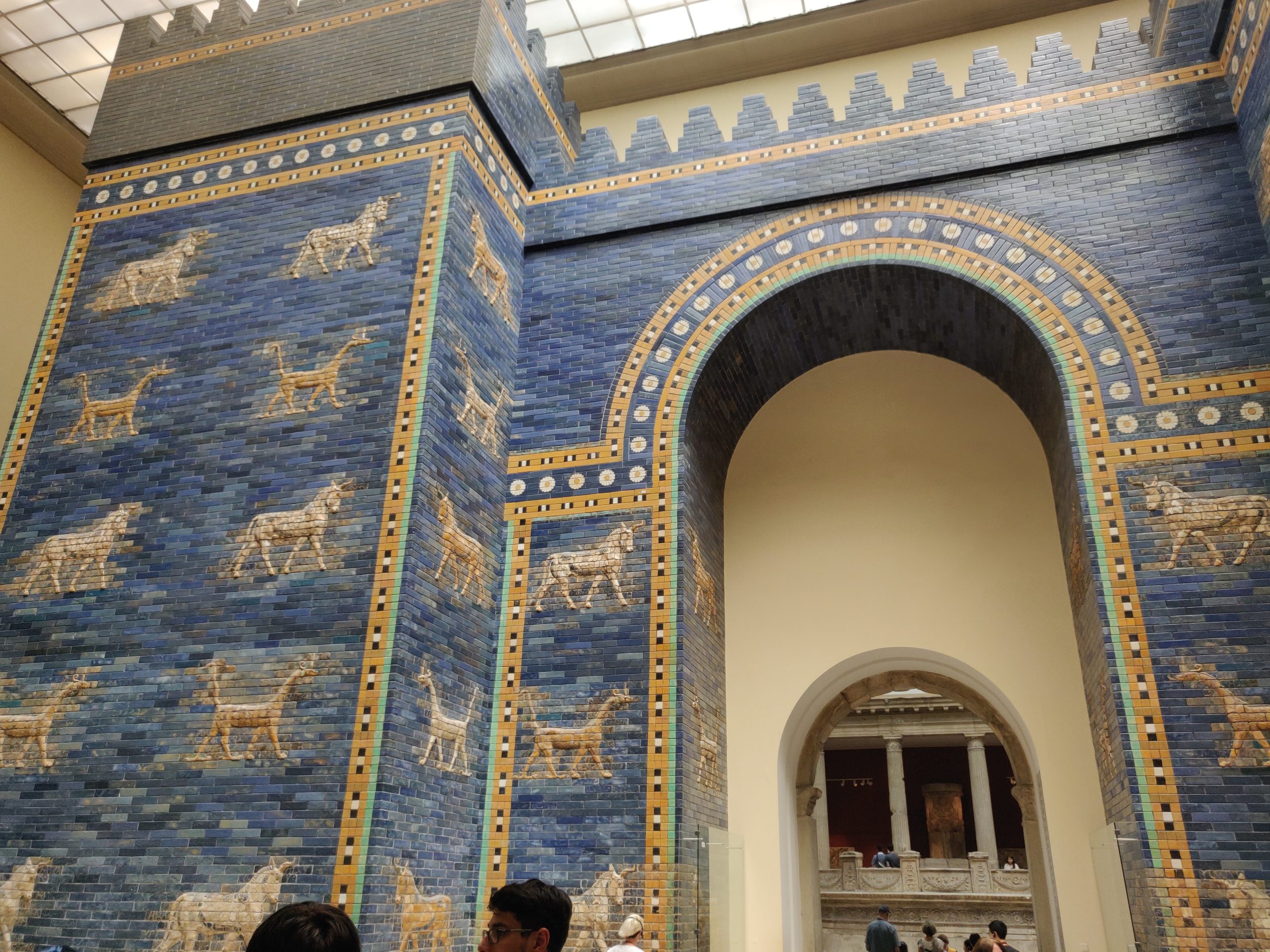
Ishtar Gate: The Babylonian Wonder Now in Berlin
Built around 575 BCE by Nebuchadnezzar II, the Ishtar Gate of Babylon — explore its blue-glazed bricks, its dragons, and the Berlin…
-
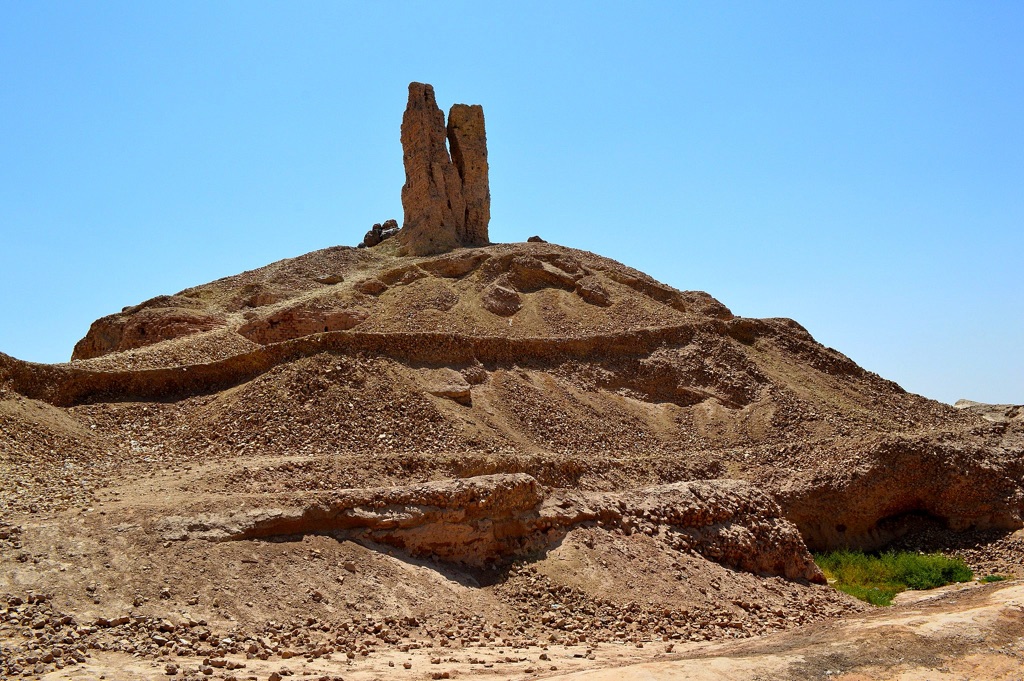
Ziggurat of Borsippa
The Ziggurat of Borsippa, also known as the Tongue Tower, is a remnant of ancient Mesopotamian civilization. It stands near the city…
-
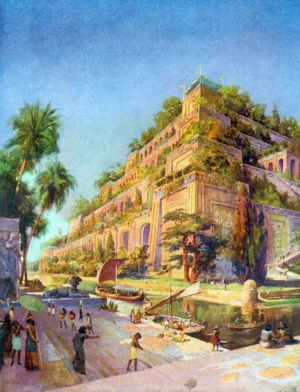
The Hanging Gardens of Babylon
The Hanging Gardens of Babylon stand as one of the Seven Wonders of the Ancient World, yet their existence remains shrouded in…
-
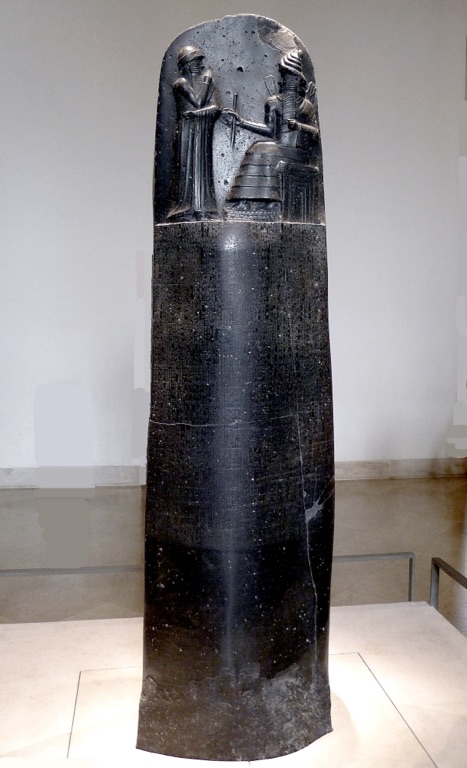
Code of Hammurabi: The 282 Laws That Shaped History
Carved around 1754 BCE on a 2.25 m basalt stele, the Code of Hammurabi is humanity’s most complete ancient law code. Explore…