
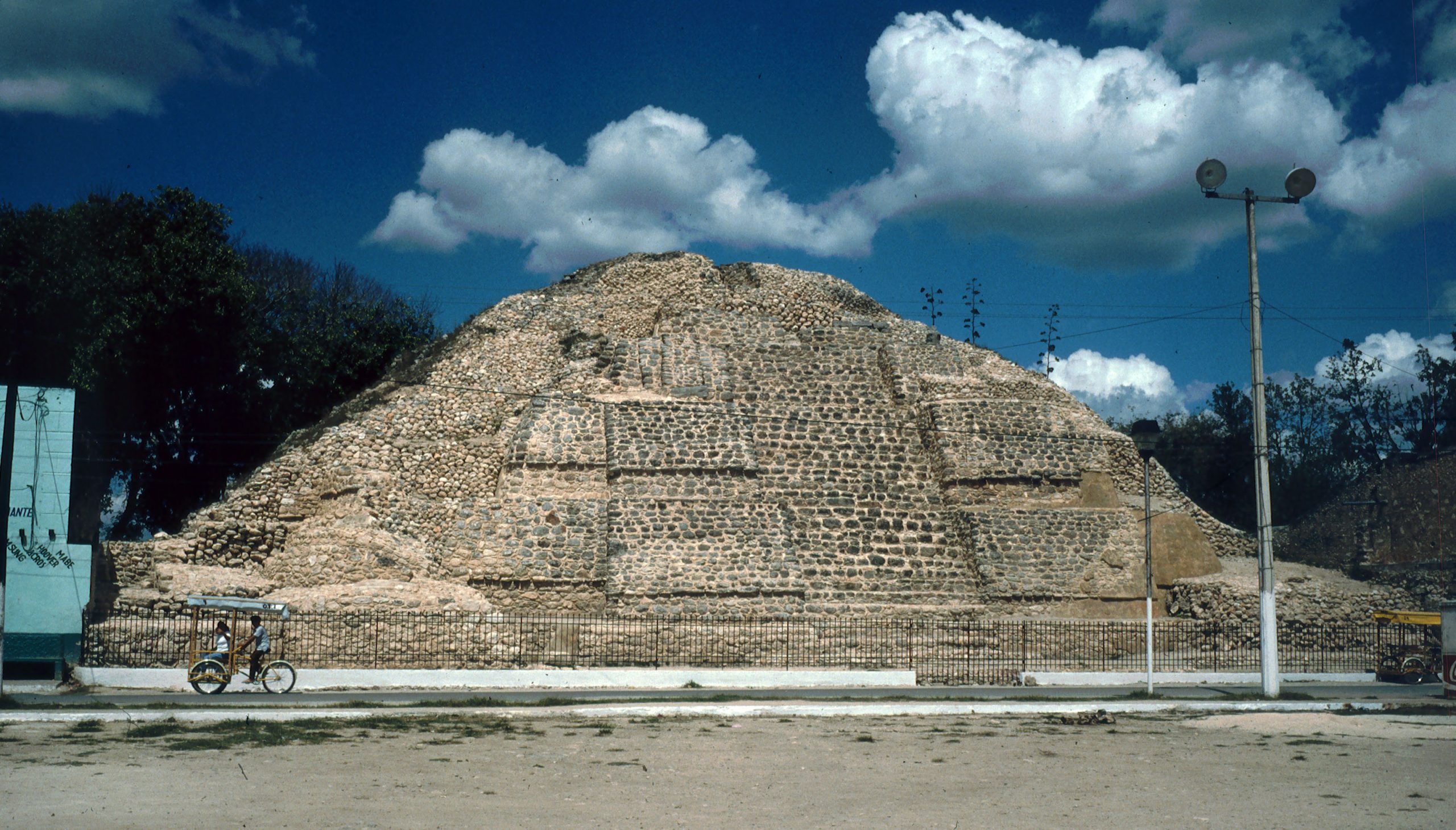
Acanceh, a town and ancient Maya archaeological site, is located in Mexico’s Yucatán State, approximately 21 kilometers from Mérida, the capital of Yucatán. It serves as the seat of Acanceh Municipality. The name Acanceh, derived from the Yucatec Maya language, translates to “groan of the deer”. This site is notable for its continuous occupation from the Preclassic period (around 300 B.C. onwards) to the present day, showcasing a unique blend of modern life with ancient history.
Neural Pathways
Neural Pathways is a collective of seasoned experts and researchers with a profound passion for unraveling the enigmas of ancient history and artifacts. With a wealth of combined experience spanning decades, Neural Pathways has established itself as a leading voice in the realm of archaeological exploration and interpretation.
Our team of researchers and scholars provide unparalleled depth of knowledge in deciphering the intricate narratives embedded within ancient artifacts and deciphering the cultural nuances that shaped civilizations of the past. Through meticulous research, rigorous analysis, and a collaborative spirit, Neural Pathways has made and continues to make significant contributions to our understanding of the human past.
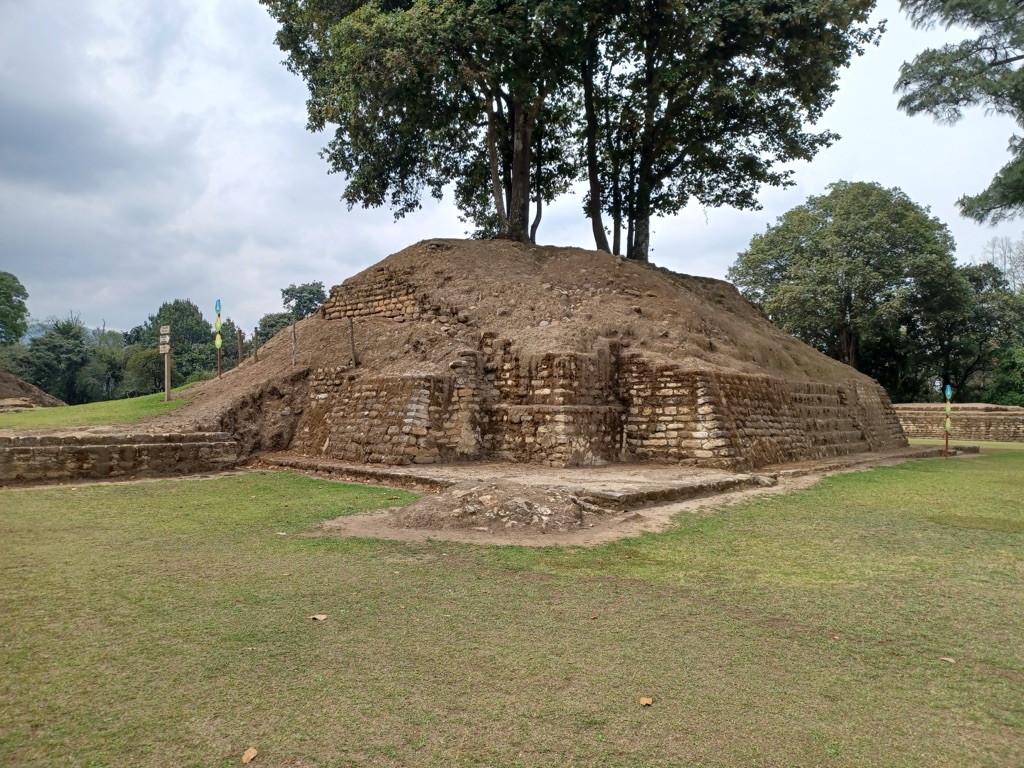
Iximche
Iximche is a pre-Columbian archaeological site in the highlands of Guatemala. It was the capital of the late Postclassic Kaqchikel Maya kingdom from 1470 until its abandonment in 1524. The site includes a series of plazas and palaces, and is known for its well-preserved ceremonial architecture. Iximche was a significant cultural and political center before the Spanish conquest and played a crucial role during the early stages of Spanish colonization. Today, it is a notable historical landmark and a place of cultural importance for the Maya people.
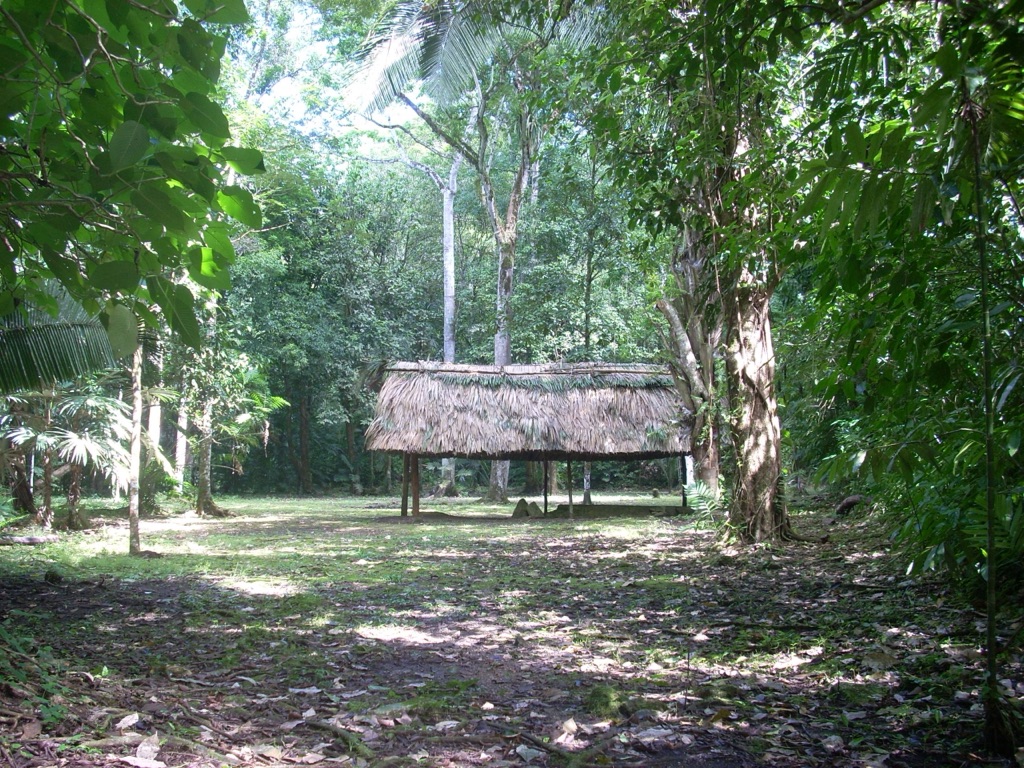
Ixkun
Ixkun, located in the southern Maya lowlands within the Petén Basin region of Guatemala, stands as a significant pre-Columbian archaeological site. Situated north of Dolores in the department of Petén, this site encompasses a vast array of unrestored mounds and ruins, marking it as a prominent archaeological site within the municipality of Dolores.
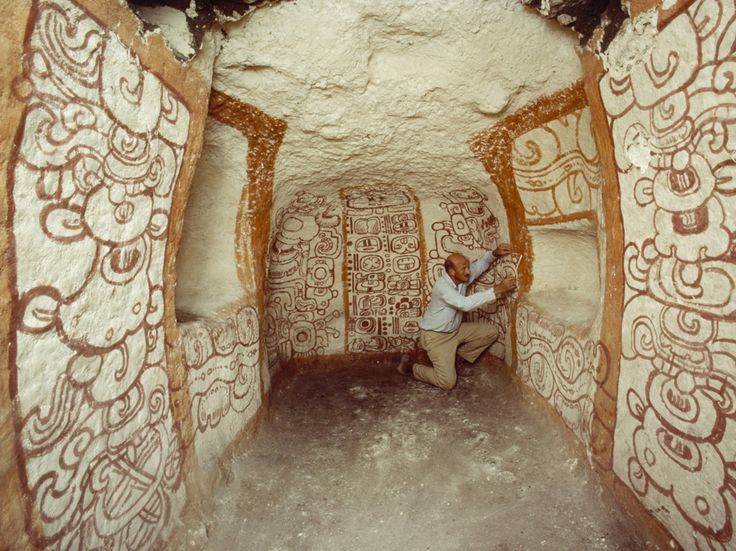
Rio Azul
Rio Azul, translating to “Blue River” in Spanish, is an archaeological site of paramount importance located in the dense tropical rainforests of Guatemala, near the borders with Belize and Mexico. This site, nestled within the Rio Azul National Park and part of the Maya Biosphere Reserve, offers a unique window into the Maya civilization during the Early Classic period, approximately between 250 and 600 AD.
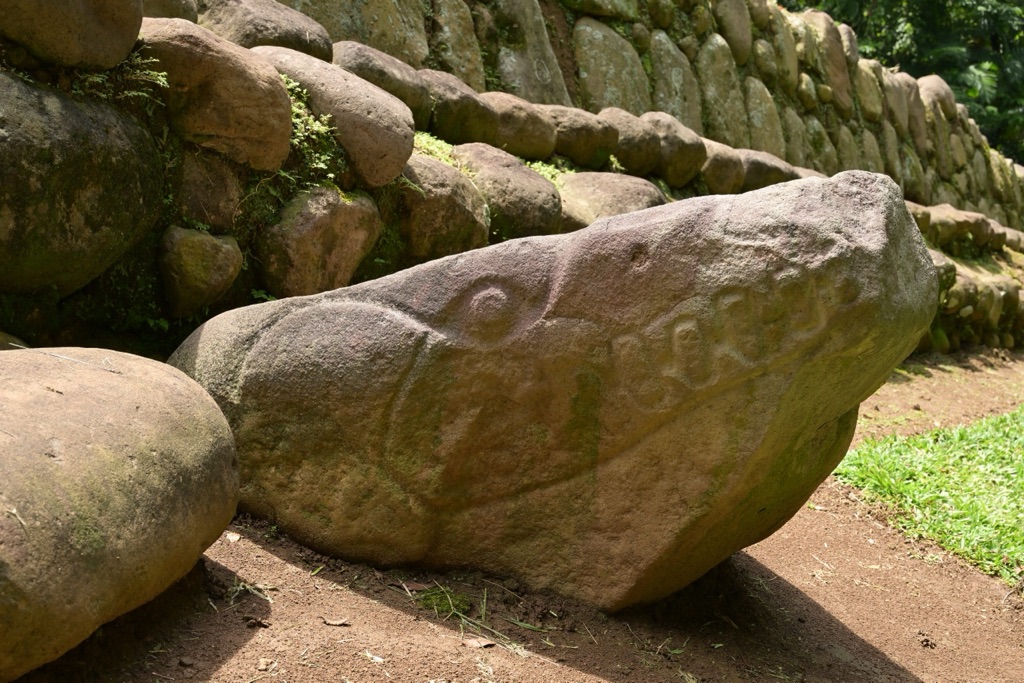
Tak’alik Ab’aj
Tak’alik Ab’aj, translating to “Standing Stone” in the local K’iche’ Maya language, is a pre-Columbian archaeological site located in Guatemala. Its significance lies in its long history, spanning from the Early Pre-Classic period (1000-800 B.C.) through to the Post Classic period (900-1200 A.D.), and its role in the apparent cultural transition from Olmec to Maya civilizations. This transition is evident in the site’s monuments, architectural styles, and artifacts.
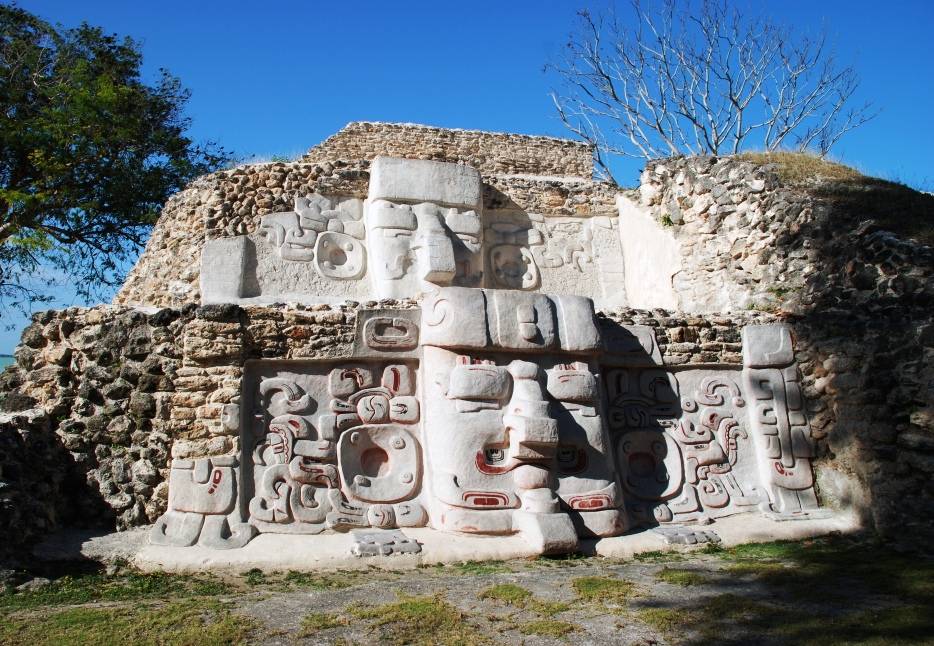
Cerros
Cerros, located in the Corozal District of Belize, is a significant archaeological site that dates back to the Late Pre-Classic period (300 B.C.-250 A.D.). This site is strategically positioned at the tip of a peninsula where the New River meets Chetumal Bay, making it an ideal location for trade and cultural exchange between the interior cities of Lamanai, the Peten region, and the Yucatan coast.