
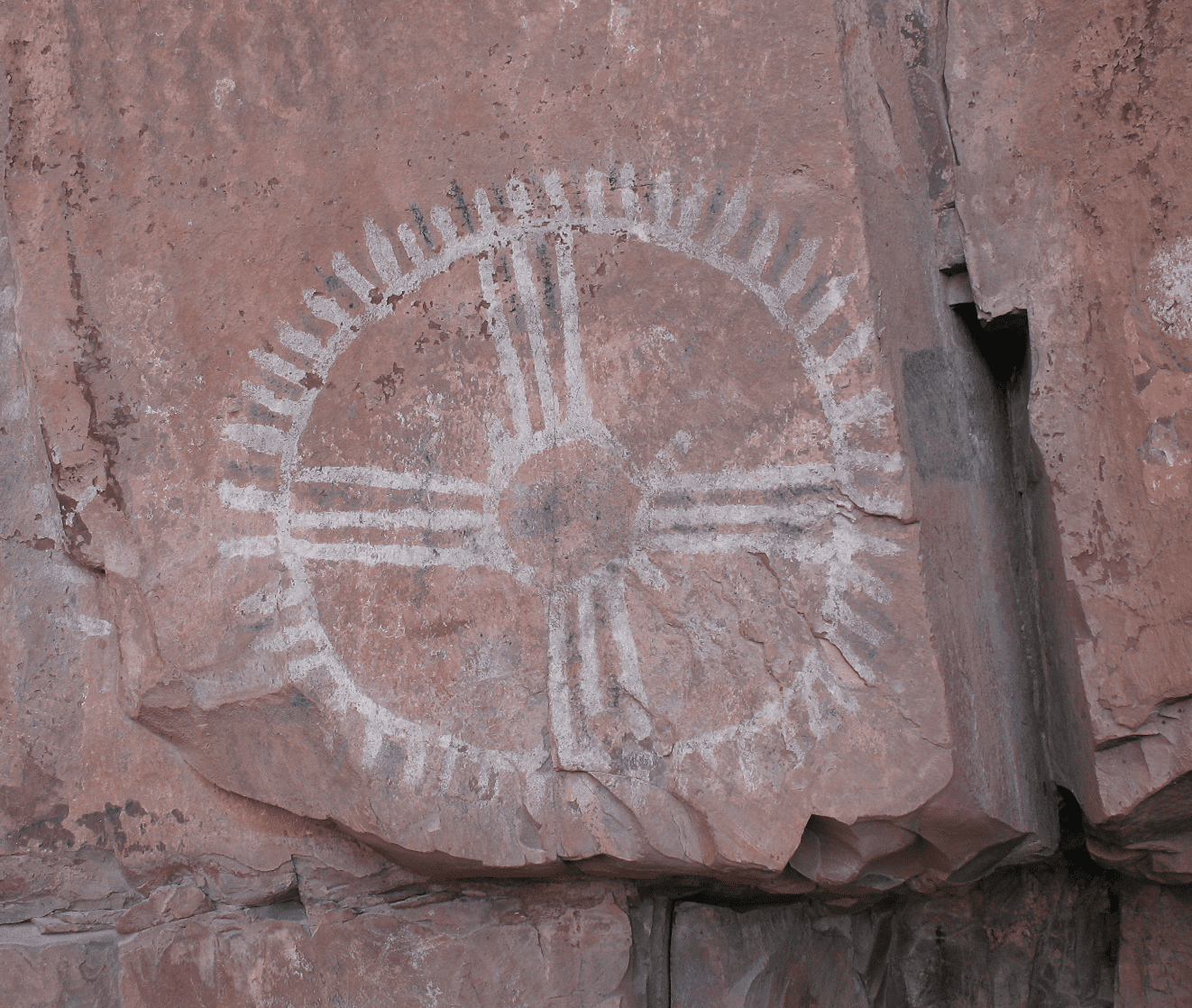
The Palatki Heritage Site, located within the Coconino National Forest near Sedona, Arizona, stands as a significant archaeological and historical landmark. At coordinates approximately 34 55′ 4″N, 111 53′ 59″W, this site offers a glimpse into the lives of the Sinagua people, a group of the Ancestral Puebloans, who inhabited the area from 1100 to 1400 AD.
Neural Pathways
Neural Pathways is a collective of seasoned experts and researchers with a profound passion for unraveling the enigmas of ancient history and artifacts. With a wealth of combined experience spanning decades, Neural Pathways has established itself as a leading voice in the realm of archaeological exploration and interpretation.
Our team of researchers and scholars provide unparalleled depth of knowledge in deciphering the intricate narratives embedded within ancient artifacts and deciphering the cultural nuances that shaped civilizations of the past. Through meticulous research, rigorous analysis, and a collaborative spirit, Neural Pathways has made and continues to make significant contributions to our understanding of the human past.
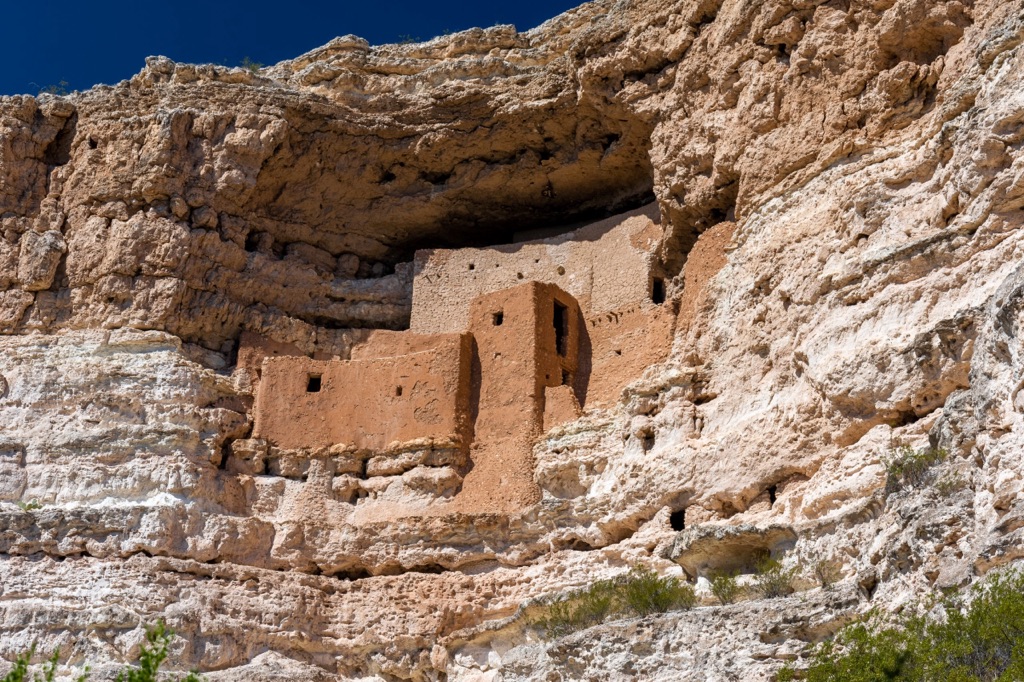
Montezuma Castle National Monument
Montezuma Castle National Monument, located in Camp Verde, Arizona, stands as a remarkable example of the ingenuity and culture of the Sinagua people, a pre-Columbian culture that thrived in the southwestern United States between approximately AD 1100 and 1425. This monument preserves one of the best-preserved cliff dwellings in North America, offering insights into the lives of the Sinagua people and their architectural prowess.
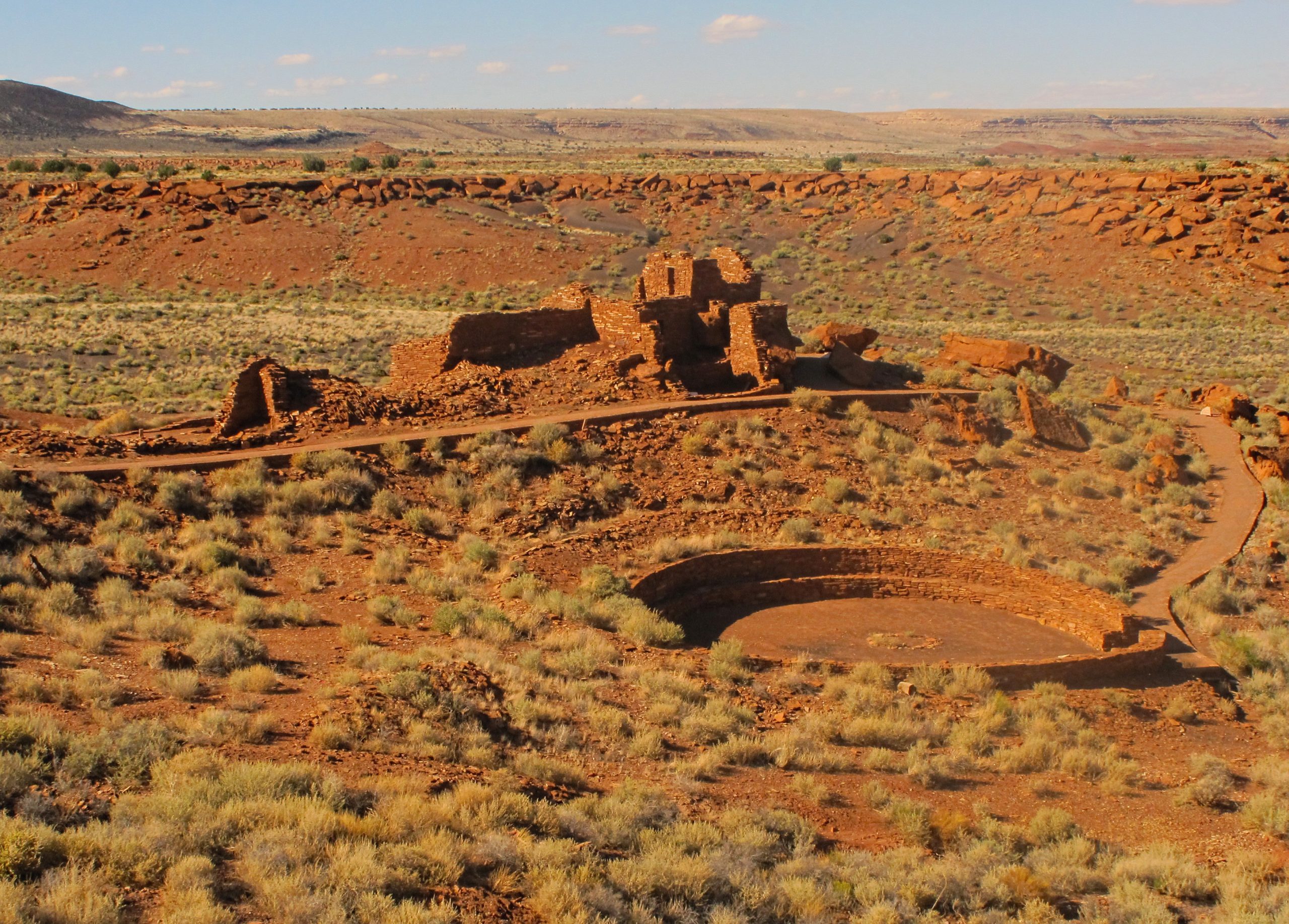
Wupatki National Monument
Wupatki National Monument, located 35 miles north of Flagstaff, Arizona, stands as a significant archaeological and historical site that offers insight into the lives of the Ancient Pueblo People. Established as a national monument in 1924 and listed on the National Register of Historic Places on October 15, 1966, Wupatki encompasses 35,422 acres and includes three contributing buildings and 29 contributing structures.
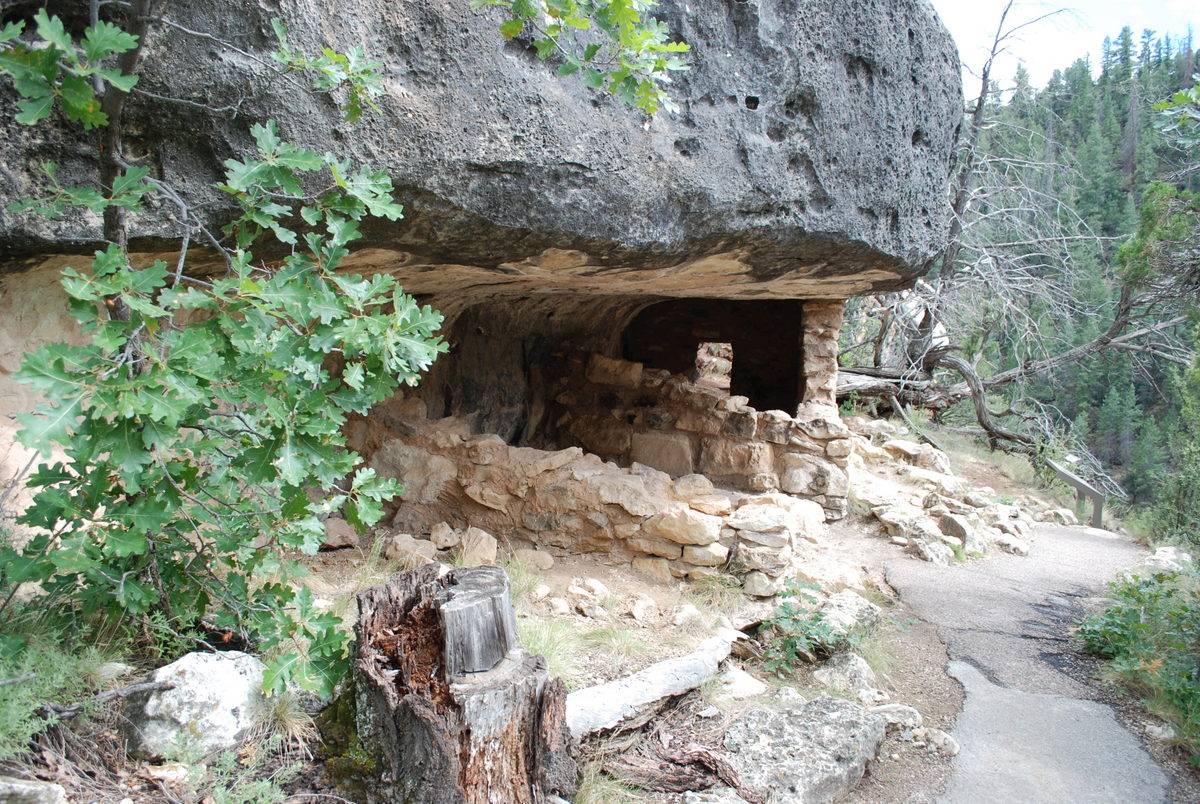
Walnut Canyon National Monument
Walnut Canyon National Monument, designated as such by President Woodrow Wilson on November 30, 1915, stands as a significant archaeological site located approximately 10 miles southeast of downtown Flagstaff, Arizona. This monument preserves the ancient cliff dwellings of the Sinagua people, a pre-Columbian cultural group that thrived in the region from around 1100 to 1250 AD. The name “Sinagua” is derived from the Spanish words “sin agua,” meaning “without water,” highlighting the inhabitants’ remarkable ability to conserve water and sustain life in a dry environment.
Cutzamala (Mesoamerican site)
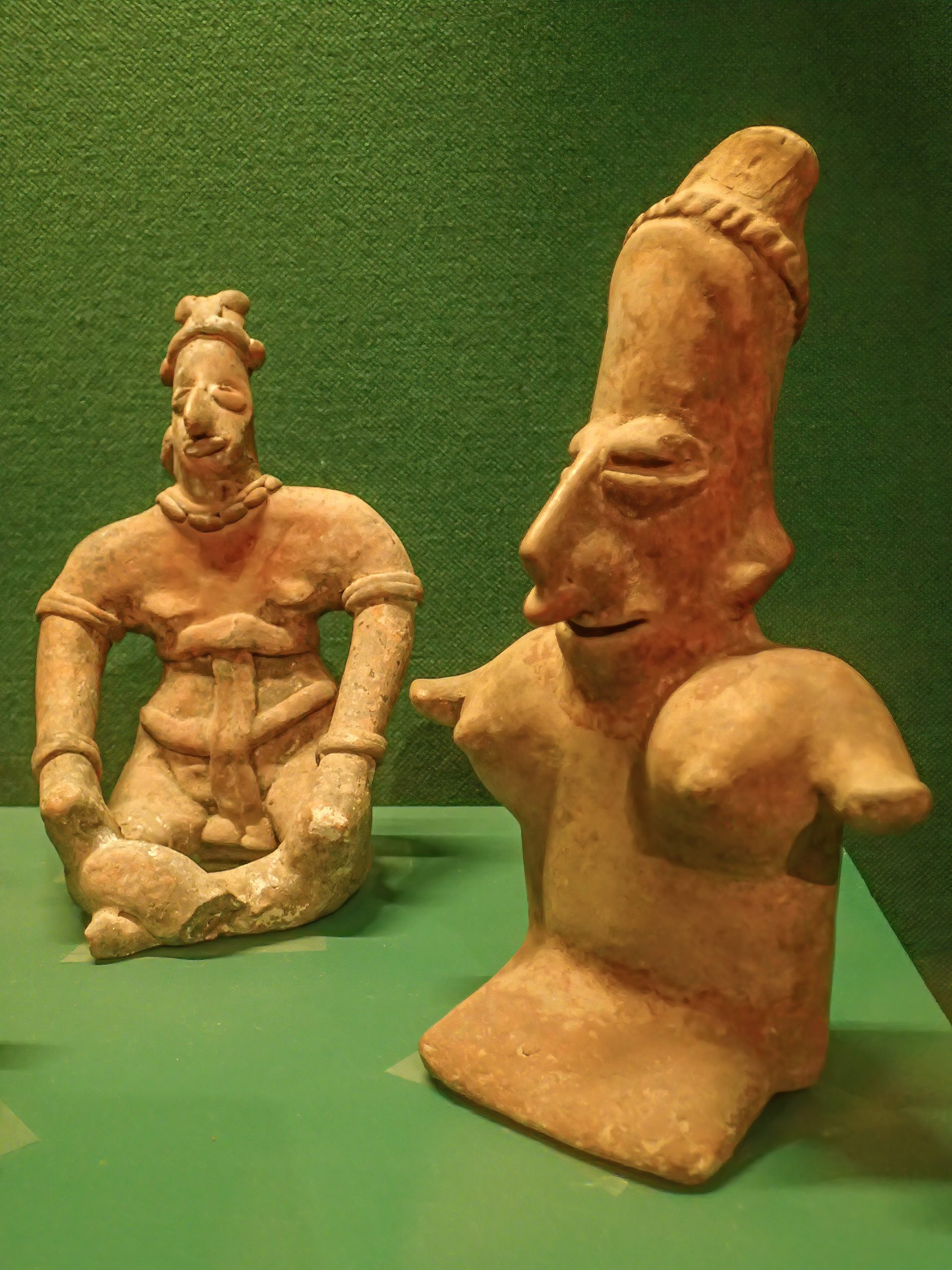
The archaeological site of Cutzamala, located in the northern Guerrero region of Mexico, has emerged as a significant point of interest for understanding the dynamics of the Postclassic period in Mesoamerican chronology. This period, marked by intense conflict between the Purépecha (Tarascan) state and the Aztec Empire, saw Cutzamala serving as a strategic garrison outpost. Ethnohistorical sources, including the Relaciones geográficas, reveal that up to ten thousand Purépecha warriors were stationed here, highlighting the site’s military importance during this era of territorial disputes.
Huandacareo
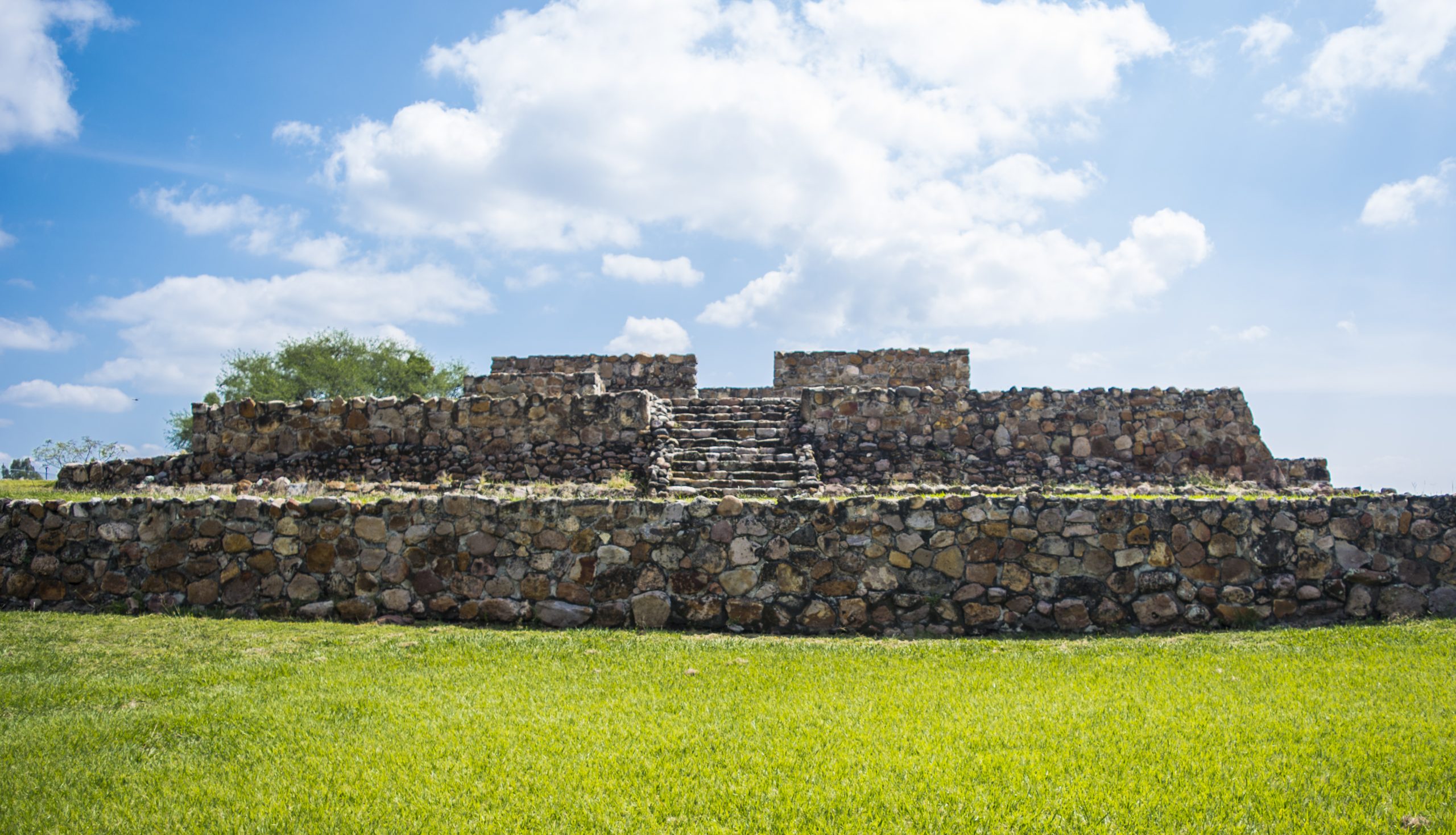
Huandacareo, an archaeological zone situated approximately 60 kilometers north of Morelia, Michoacán, stands as a testament to the rich cultural tapestry of pre-Hispanic Mexico. Constructed on an elevated plateau with a commanding view of Lake Cuitzeo, this site, locally known as “The Nopalera,” is located roughly 2.46 kilometers from the lake’s northwestern shores and about two kilometers from the center of the Huandacareo town and municipality. The site spans an area of 300–400 km^2 on the western side of Lake Cuitzeo, the second largest freshwater lake in Mexico, known for its fluctuating water levels.