
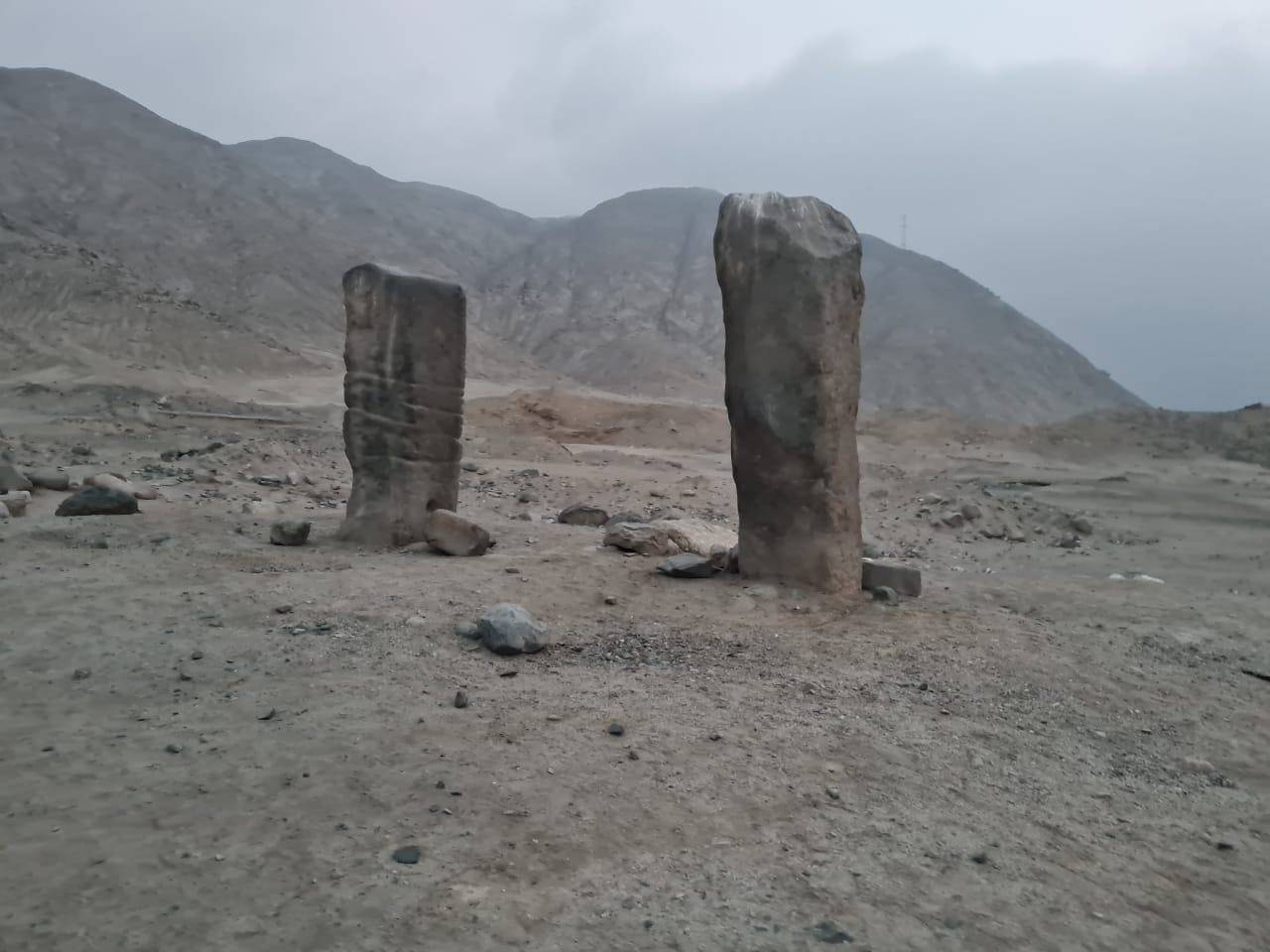
Huaricanga, a small town situated on the border of the departments of Áncash and Lima, 21 kilometers from the city of Paramonga, has recently come into the spotlight for its archaeological significance. This town, primarily known for its agricultural activities supported by the Fortaleza River and an irrigation canal, harbors a rich history that dates back over 5,000 years.
Neural Pathways
Neural Pathways is a collective of seasoned experts and researchers with a profound passion for unraveling the enigmas of ancient history and artifacts. With a wealth of combined experience spanning decades, Neural Pathways has established itself as a leading voice in the realm of archaeological exploration and interpretation.
Our team of researchers and scholars provide unparalleled depth of knowledge in deciphering the intricate narratives embedded within ancient artifacts and deciphering the cultural nuances that shaped civilizations of the past. Through meticulous research, rigorous analysis, and a collaborative spirit, Neural Pathways has made and continues to make significant contributions to our understanding of the human past.
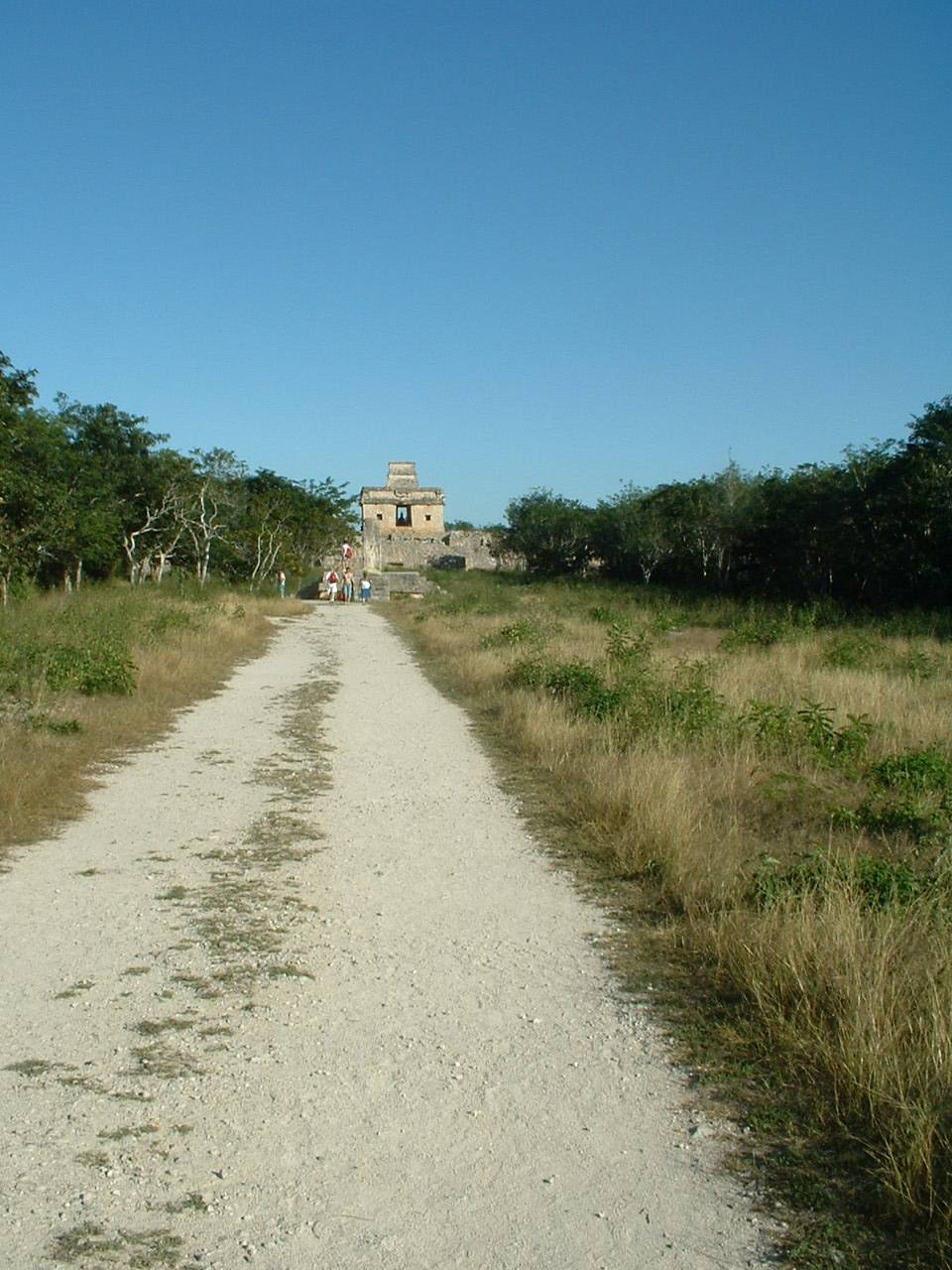
Coba-Yaxuna Sacbe
The Coba-Yaxuna Sacbe represents a pinnacle of ancient Maya engineering and serves as a testament to the civilization’s advanced understanding of construction and infrastructure. This sacbe, the longest known ancient raised stone road in the Maya world, extends approximately 62 miles (100 kilometers) across the Yucatan Peninsula, connecting the sites of Coba and Yaxuna. Dating from the Late Classic period (600-850 AD), its construction showcases the Maya’s sophisticated approach to overcoming the geographical challenges of their environment.
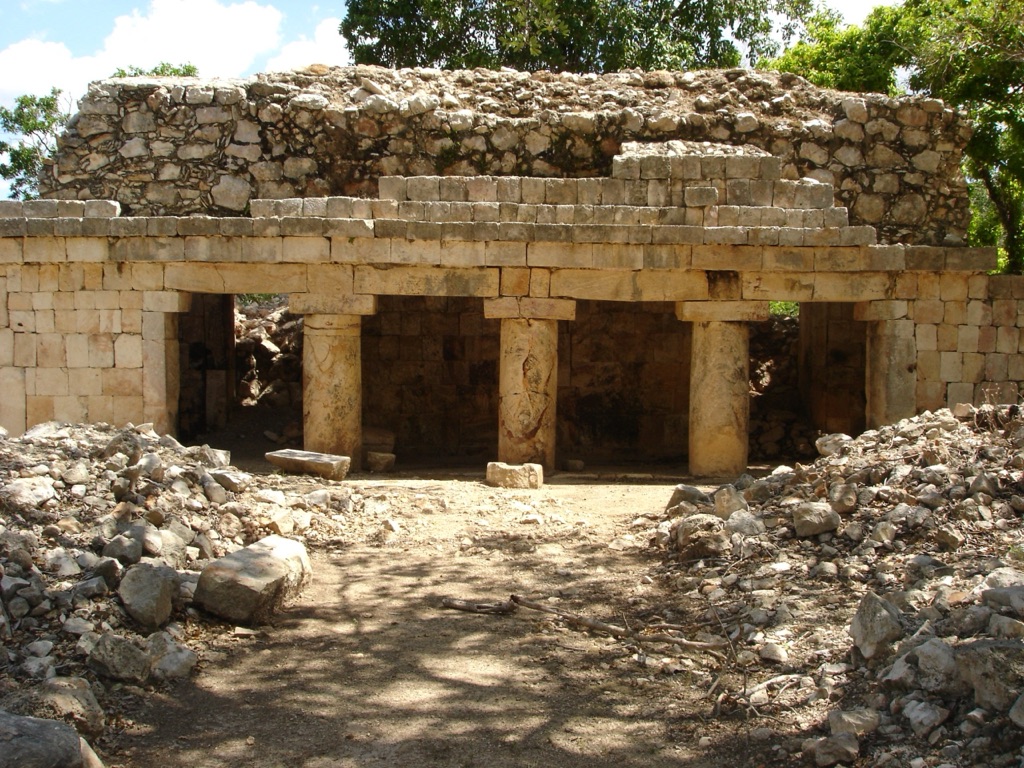
Xcalumkin
Xcalumkin, a Mayan archaeological zone located 73 kilometers northeast of Campeche, Mexico, offers a unique window into the ancient Mayan civilization and its architectural prowess. The site’s name, as recorded by explorer Teobert Maler in the 1880s, translates to “double good earth exposed to the Sun,” hinting at the region’s fertile land and its significance to the Mayan people. The Chilam Balam of Chumayel, a colonial-era document, suggests that Xcalumkin, or Tixcalomkin as it is referred to in the text, held importance in Mayan oral history.
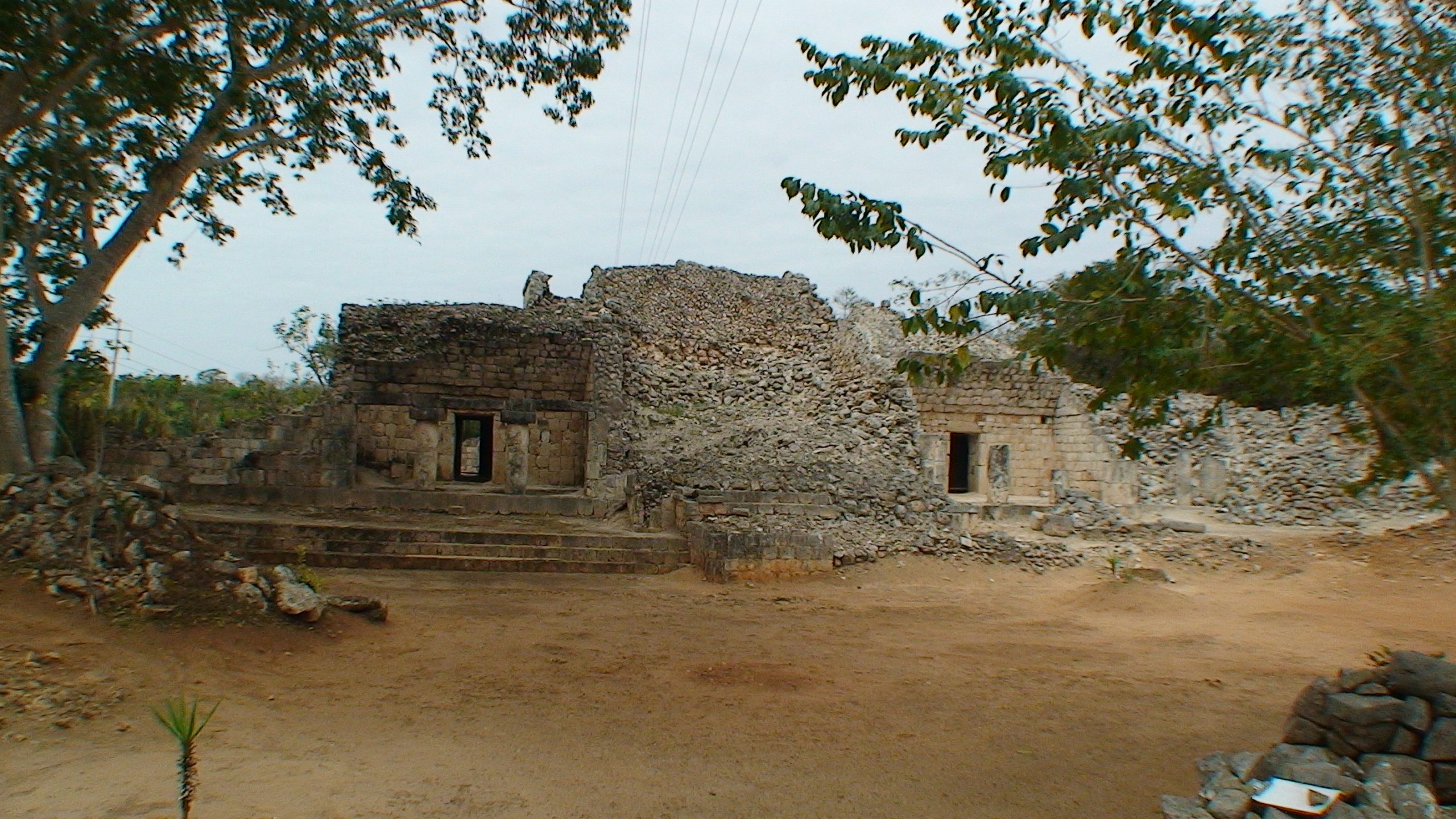
Tohcok
Tohcok, also known as Tohkok, is a relatively obscure archaeological site located in close proximity to the town of Hopelchen, situated alongside Federal Highway 261, approximately 3 miles west. Despite its modest size, Tohcok offers a unique window into the artistic endeavors of the Maya civilization, particularly through its use of stone mosaic and stucco decorations.
Xel ha
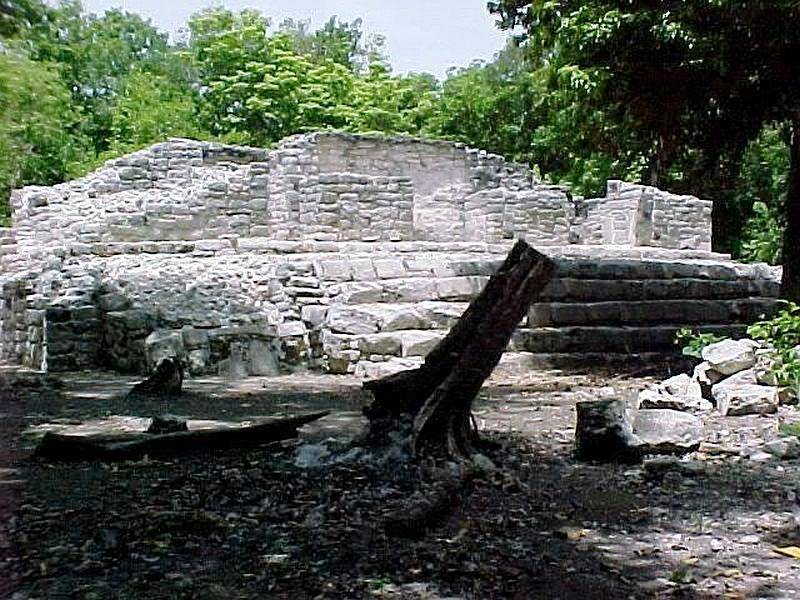
Xel Ha, translating to “Spring Water” in Yucatek Maya, stands as a testament to the ingenuity and cultural richness of the Maya civilization. This archaeological site, often overshadowed by its namesake tourist resort, offers a unique glimpse into the Maya’s architectural, religious, and social practices. Located on the Maya Riviera, Xel Ha’s strategic position along the Caribbean coast facilitated its role as a crucial trade port and pilgrimage embarkation point, particularly to the sacred shrine of Ix Chel on Cozumel Island.
San Miguelito
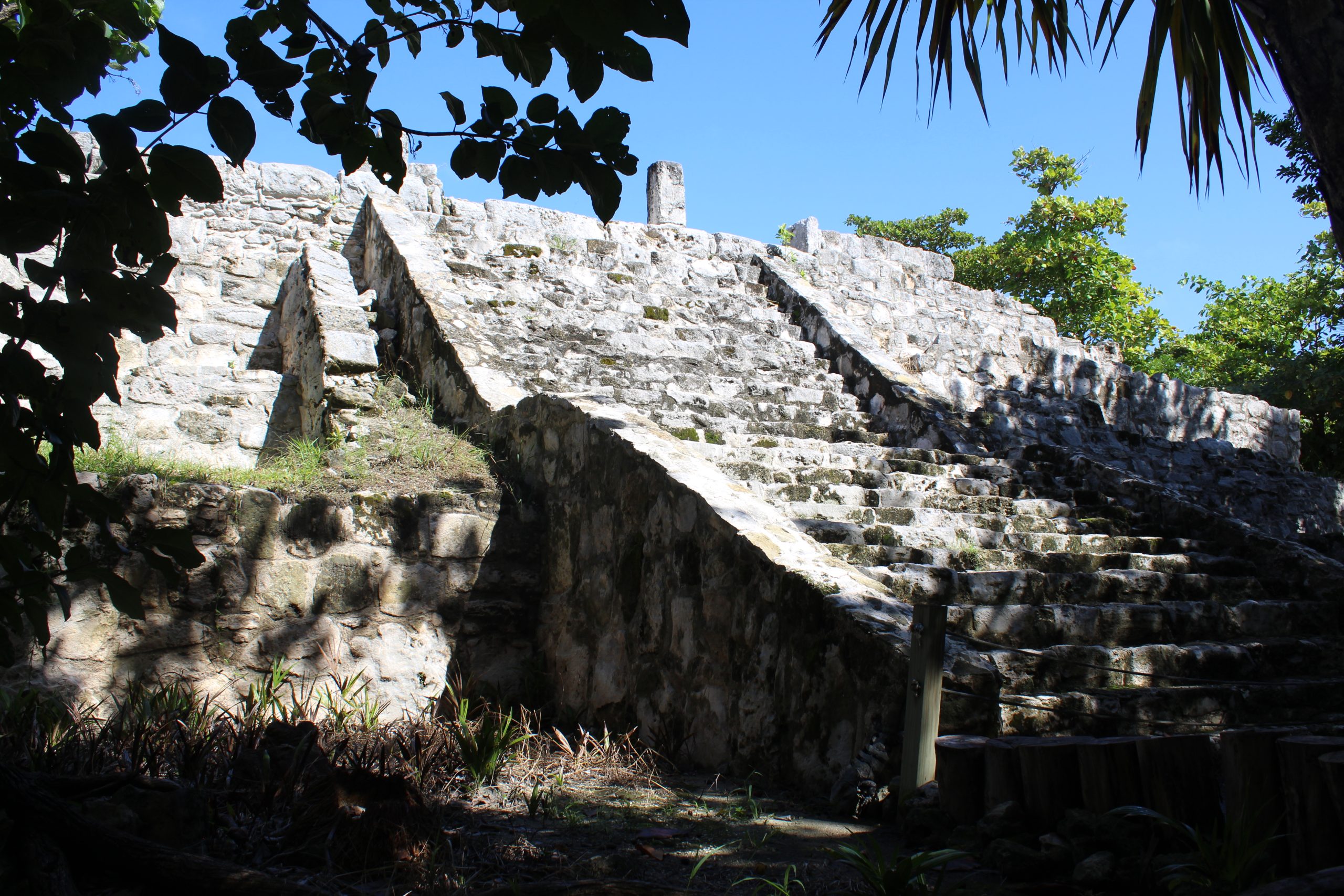
San Miguelito, a significant archaeological site from the Post Classic period (1100-1450 A.D.), is situated on Cancun Island. This site forms the northern extension of the larger El Rey site, with Avenida Kukulkan separating the two. San Miguelito was a part of the Ekab polity, which governed the northeastern Yucatan at the time of the Spanish invasion. The original name of San Miguelito remains unknown, with its current name deriving from a former coconut palm plantation in the area.