
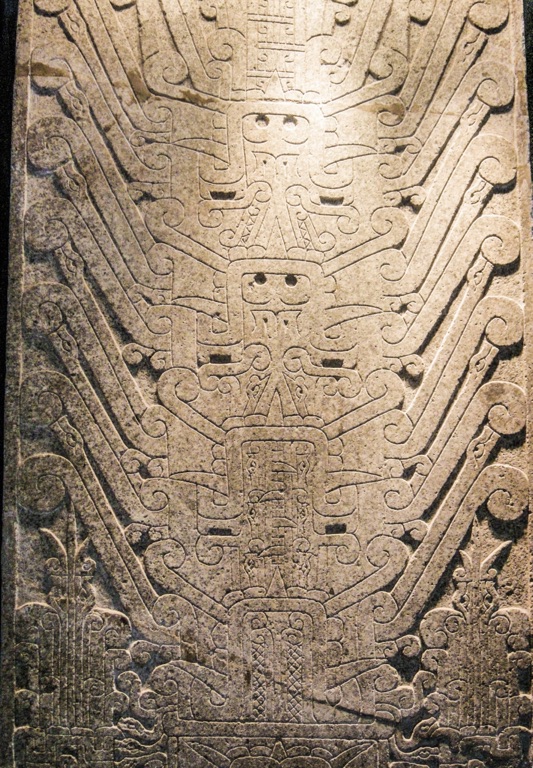
The Raimondi Stele stands as a monumental testament to the religious and artistic practices of the Chavín culture, which thrived in the central Andes of present-day Peru from 1500 BCE to 300 BCE. This period, known as the Early Horizon, was characterized by the widespread influence of Chavín art styles, including the use of anthropomorphic and zoomorphic motifs featuring feline, serpent, and crocodilian creatures. The stele itself, a seven-foot-high polished granite monolith, showcases these artistic choices in its depiction of the Staff God, a central figure in Chavín cosmology.
Neural Pathways
Neural Pathways is a collective of seasoned experts and researchers with a profound passion for unraveling the enigmas of ancient history and artifacts. With a wealth of combined experience spanning decades, Neural Pathways has established itself as a leading voice in the realm of archaeological exploration and interpretation.
Our team of researchers and scholars provide unparalleled depth of knowledge in deciphering the intricate narratives embedded within ancient artifacts and deciphering the cultural nuances that shaped civilizations of the past. Through meticulous research, rigorous analysis, and a collaborative spirit, Neural Pathways has made and continues to make significant contributions to our understanding of the human past.
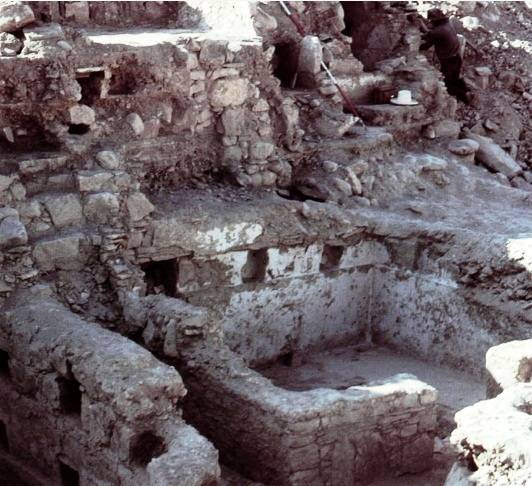
La Galgada (archaeological site)
La Galgada, an archaeological site in Peru, serves as a significant example of a ceremonial monument within the Kotosh Religious Tradition during the Pre-Ceramic, or Late Archaic period of Andean history. This period, characterized by increasing societal complexity and the construction of monumental ceremonial centers, marks a pivotal era in the development of Andean civilization.
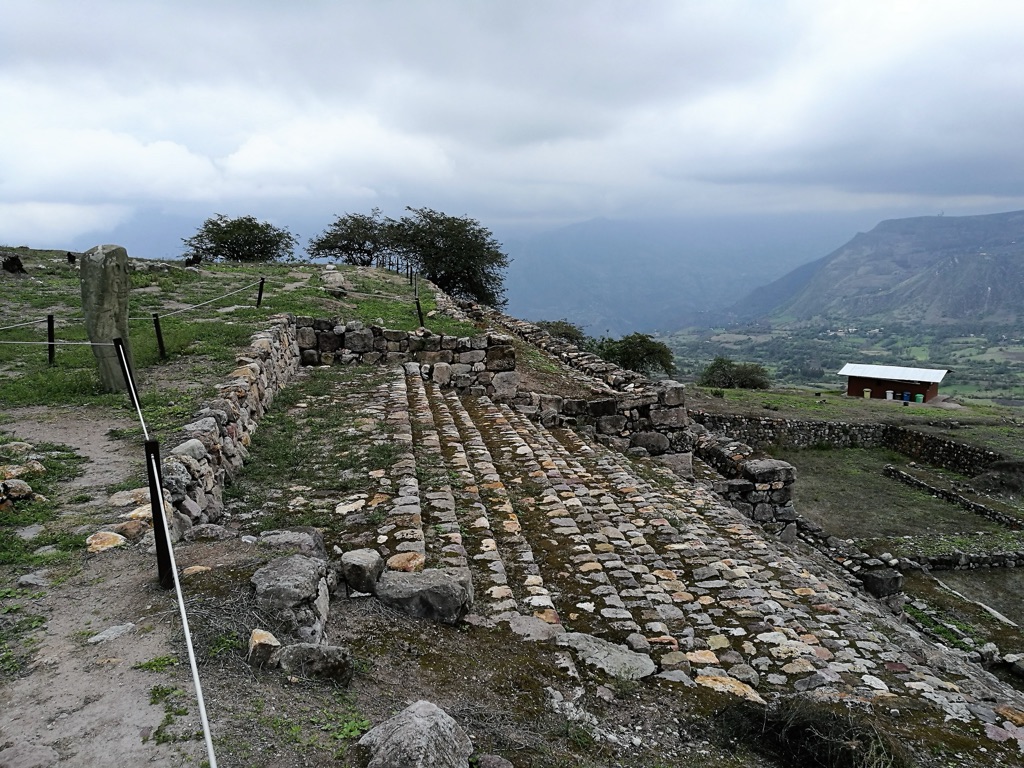
Kuntur Wasi
Kuntur Wasi, translating to “Condor House” in Quechua, stands as a testament to the architectural and cultural achievements of ancient Andean societies. Located in the Northern Mountain Range of Peru, specifically at the headwaters of the Jequetepeque River near the city of Cajamarca and the small town of San Pablo, this site offers invaluable insights into the religious and social practices of its inhabitants, who are believed to have had connections with the Chavín culture.
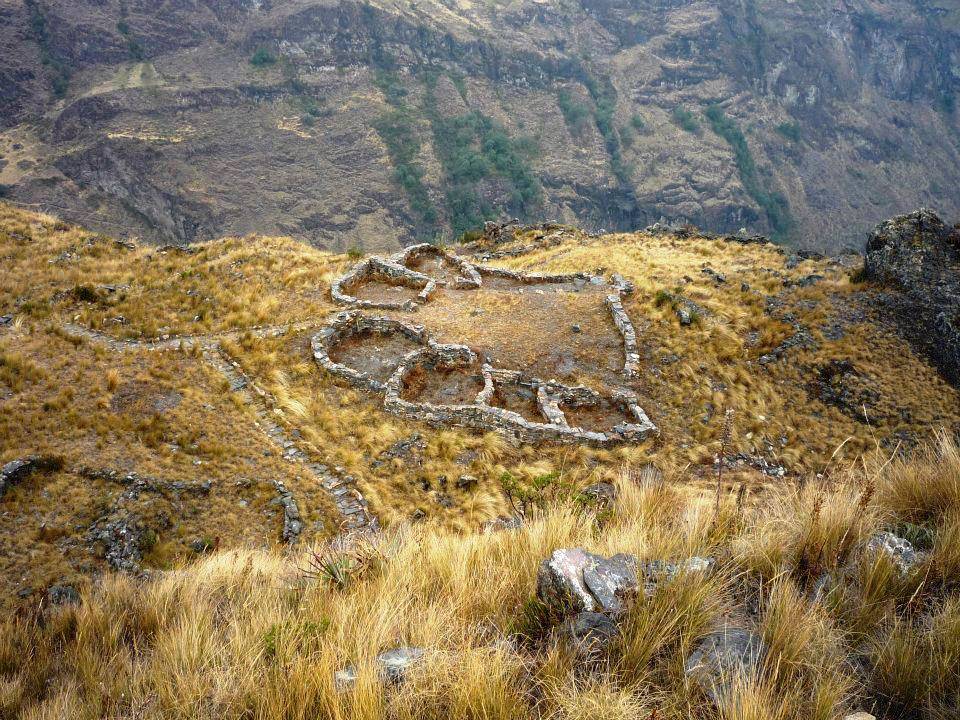
Huajramarca
Huajramarca, also known as Huacramarka, is a significant archaeological site located in the district of Chacas, within the province of Asunción, Áncash region, Peru. Positioned on a mountain bearing the same name, this site offers a unique insight into the lives of the Huari ethnic group. The site’s geographical setting is southwest of the city of Chacas, near the town of Huallin, at an impressive altitude of 4,150 meters above sea level. The name Huajramarca derives from the Ancashino Quechua words “waqra” meaning horn, and “marka” meaning village, reflecting the site’s cultural and geographical characteristics.
Garagay
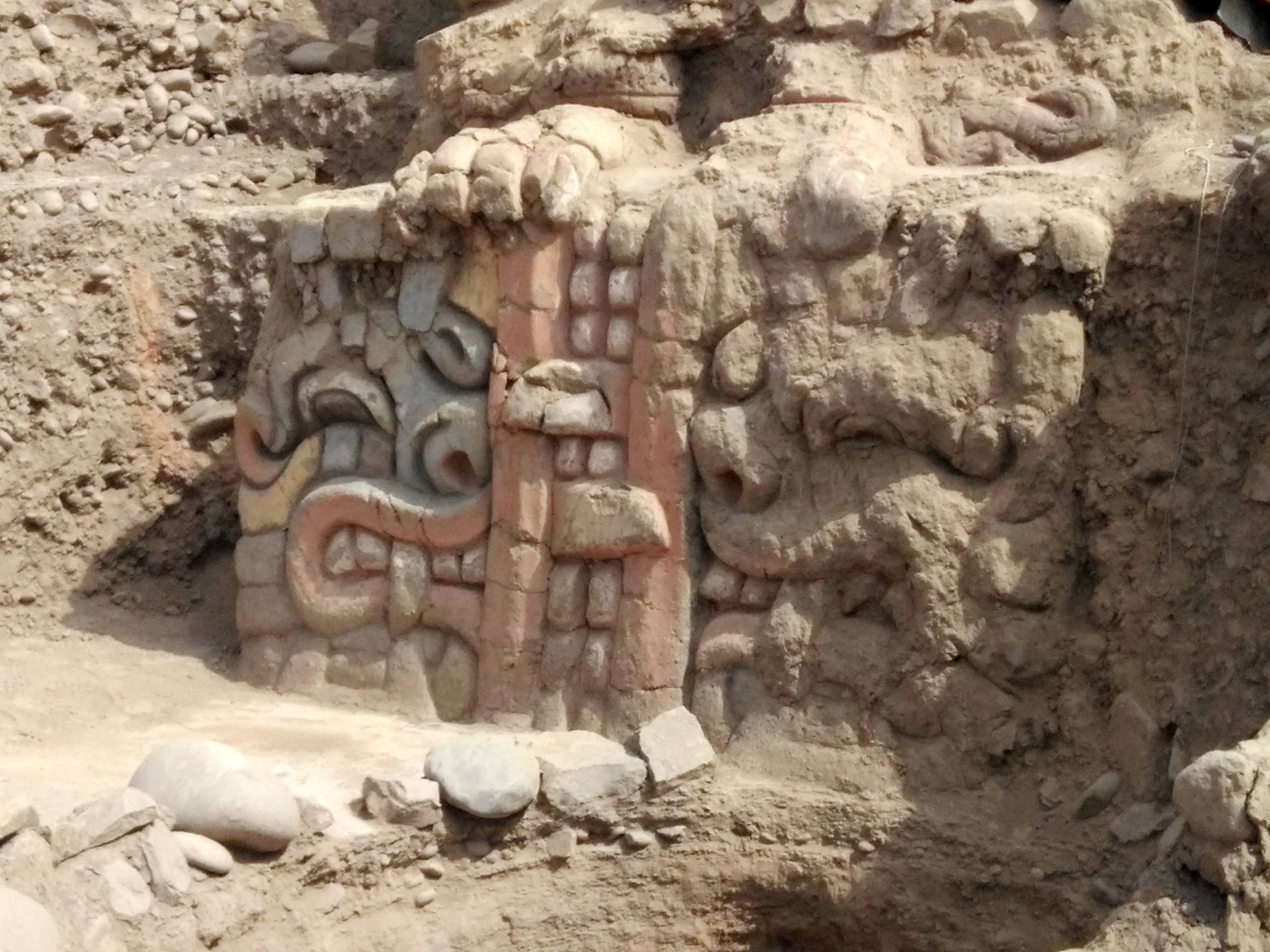
Garagay is an archaeological site of significant importance located in the district of San Martín de Porres, within the city of Lima, Peru. This site, dating back to approximately 1400 BC, represents a key ceremonial center from the Andean Formative era, showcasing the architectural and cultural developments of ancient societies in the region.
Fort Ancient
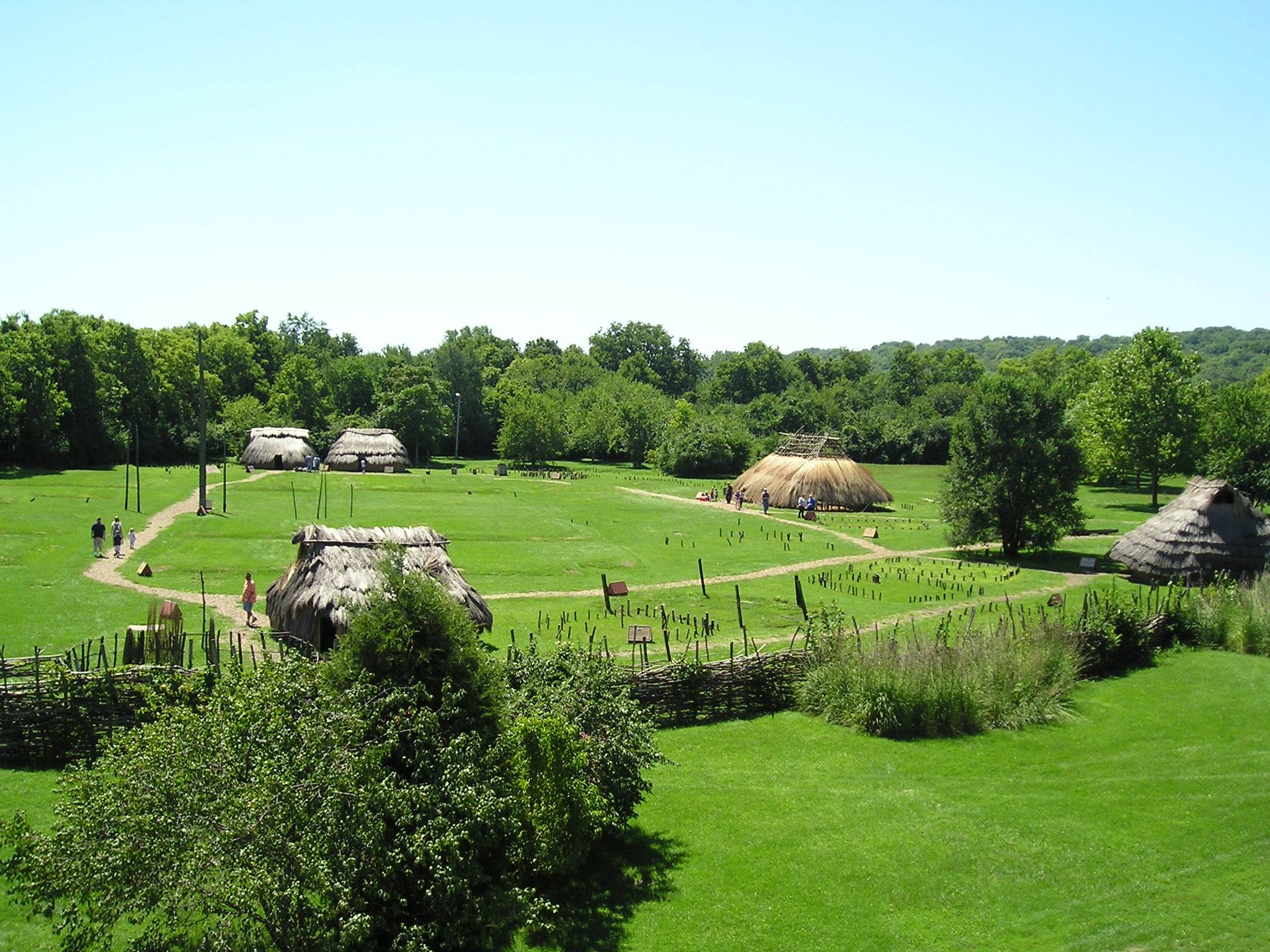
The Fort Ancient culture represents a significant chapter in the pre-Columbian history of North America, flourishing from approximately 1000 to 1750 AD. This culture was primarily located along the Ohio River valley, encompassing areas that today include Ohio, western West Virginia, northern Kentucky, and parts of southeastern Indiana. Despite its contemporaneity with the Mississippian culture, Fort Ancient is considered a distinct entity, often referred to as a “sister culture.” Mitochondrial DNA evidence suggests that the Fort Ancient culture did not directly descend from the preceding Hopewell Culture, marking a significant divergence in the region’s archaeological record.