
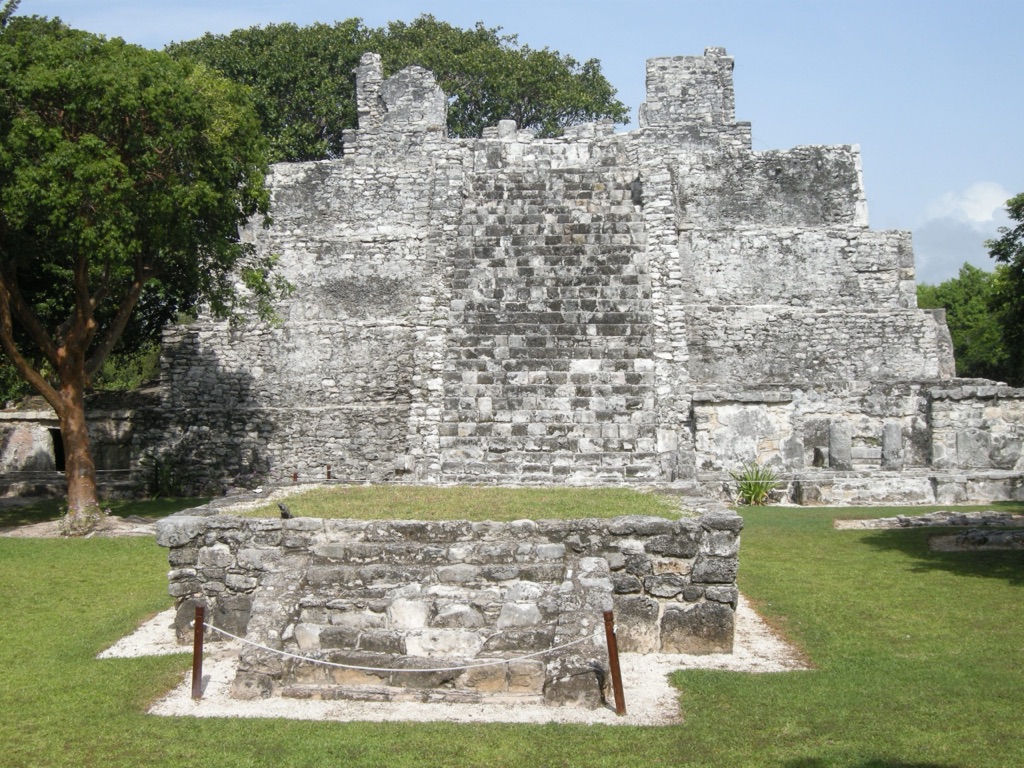
El Meco is a notable archaeological site located on the northern outskirts of Cancun, Quintana Roo, Mexico. This site, positioned along the coastal road to Punta Sam, offers a glimpse into the ancient Maya civilization that once thrived on the northeast Yucatan Peninsula. Managed by the local INAH (National Institute of Anthropology and History) representative, the site is distinguished by its well-preserved ruins, abundant shade trees, and the presence of various bird species and flowering plants, enhancing the visitor experience.
Neural Pathways
Neural Pathways is a collective of seasoned experts and researchers with a profound passion for unraveling the enigmas of ancient history and artifacts. With a wealth of combined experience spanning decades, Neural Pathways has established itself as a leading voice in the realm of archaeological exploration and interpretation.
Our team of researchers and scholars provide unparalleled depth of knowledge in deciphering the intricate narratives embedded within ancient artifacts and deciphering the cultural nuances that shaped civilizations of the past. Through meticulous research, rigorous analysis, and a collaborative spirit, Neural Pathways has made and continues to make significant contributions to our understanding of the human past.
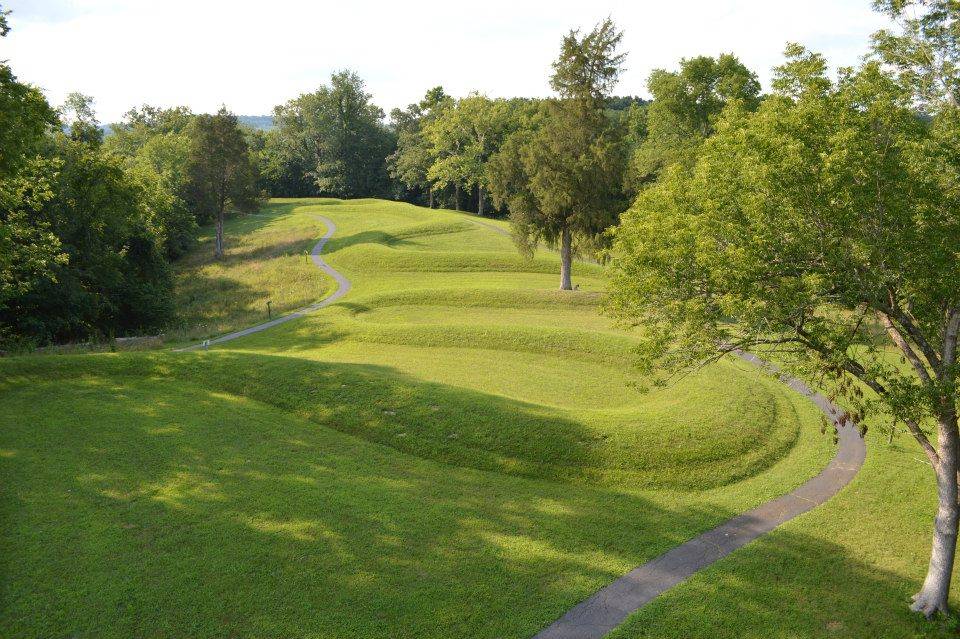
The Great Serpent Mound
The Great Serpent Mound, located in Peebles, Ohio, stands as a preeminent example of prehistoric effigy mounds in North America. This effigy mound, extending 1,348 feet in length and reaching heights of up to three feet, is situated on the Serpent Mound crater plateau, overlooking the Ohio Brush Creek in Adams County, Ohio. Recognized as the largest serpent effigy globally, the mound’s construction and purpose have intrigued researchers and historians for centuries.
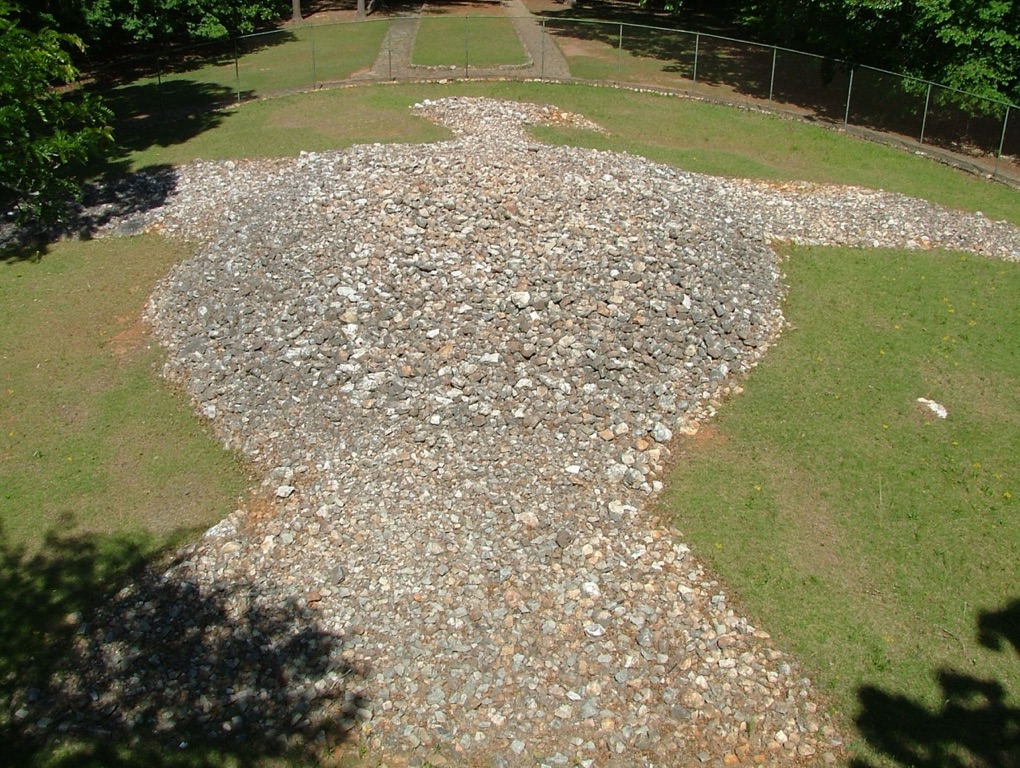
Rock Eagle
The Rock Eagle Effigy Mound, located in Putnam County, Georgia, represents one of the most intriguing and enigmatic prehistoric archaeological sites in the United States. Estimated to have been constructed between 1000 BC and AD 1000, this monumental earthwork stands as a testament to the ingenuity and spiritual depth of the early inhabitants of Middle Georgia. Despite extensive scholarly research, the precise cultural significance and the identity of its creators remain subjects of speculation and debate.
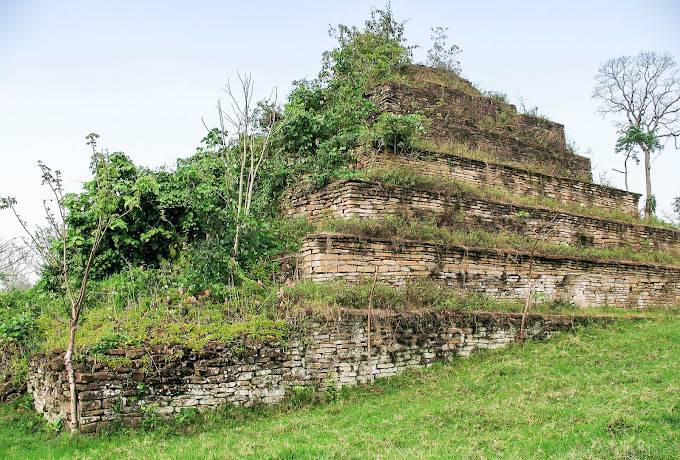
Zona arqueológica de Paxil (Misantla)
The Zona Arqueológica de Paxil, located in the vicinity of Misantla, Veracruz, Mexico, stands as a significant testament to the Totonac civilization that flourished between 450 and 1500 A.D. during the Postclassic period. Despite its historical significance, the original Totonac name of this site has been largely forgotten, and it is now commonly referred to as Morelos in the Misantla region. Interestingly, the site is mentioned in the ancient Mayan text, the Popol Vuh, as a mythical place from which all types of corn originate, highlighting its cultural importance in Mesoamerican mythology.
Honanki
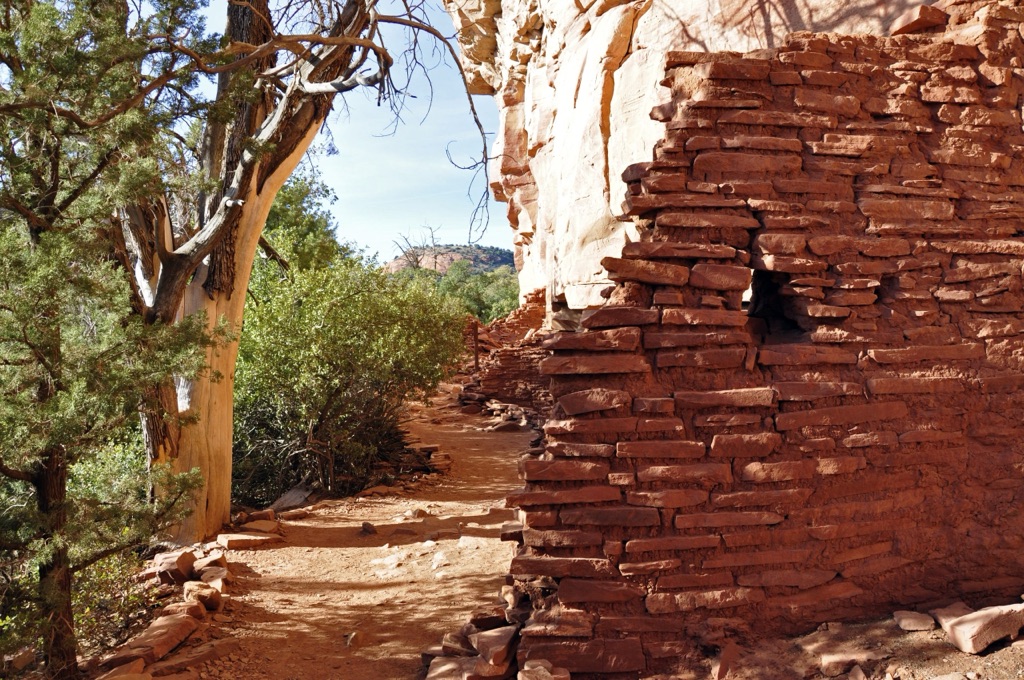
The Honanki Heritage Site, situated within the Coconino National Forest approximately 15 miles west of Sedona, Arizona, stands as a significant archaeological and historical landmark. This site, along with the nearby Palatki Heritage Site, offers invaluable insights into the lives of the Sinagua people, ancestors of the Hopi, who inhabited the area from around 1100 to 1300 AD.
Elden Pueblo
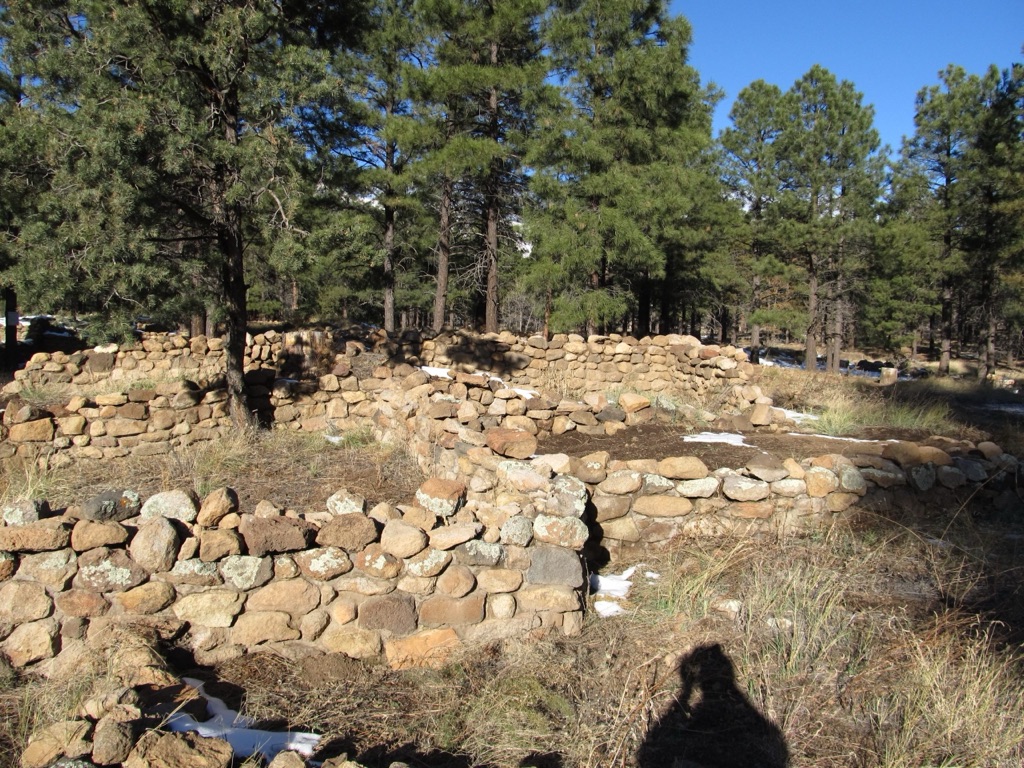
Elden Pueblo, known in Hopi as Pasiwvi, represents a significant archaeological site located at the base of Mount Elden near Flagstaff, Arizona. This ancient village, inhabited by the Sinagua people from AD 1070 to 1275, offers profound insights into prehistoric Native American life, particularly in terms of trade and social organization.