
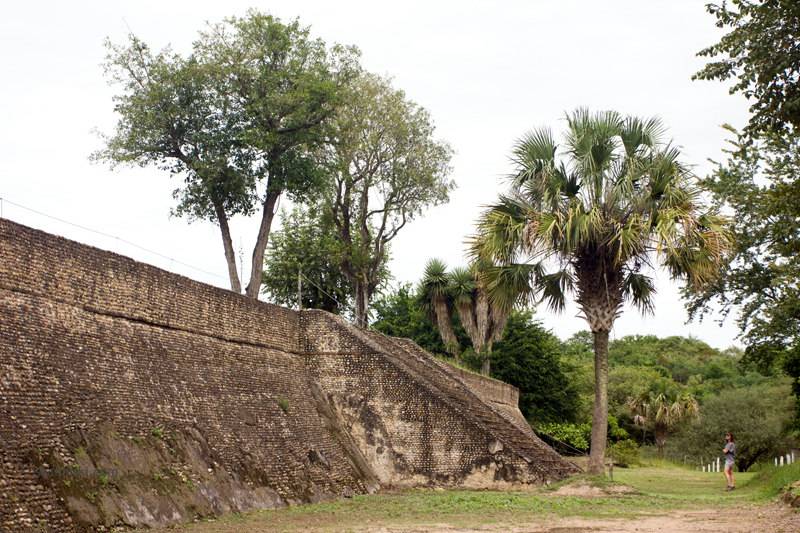
Tamuín, a municipio in the Mexican state of San Luis Potosí, stands as a testament to the rich cultural and historical heritage of the Huastec civilization, a branch of the Maya group. This region, located approximately 1000 km south of the US border, is part of the broader area known as Huasteca, which spans across several Mexican states. Today, Tamuín is recognized for its significant archaeological sites that offer insights into the precolonial Huastec culture.
Neural Pathways
Neural Pathways is a collective of seasoned experts and researchers with a profound passion for unraveling the enigmas of ancient history and artifacts. With a wealth of combined experience spanning decades, Neural Pathways has established itself as a leading voice in the realm of archaeological exploration and interpretation.
Our team of researchers and scholars provide unparalleled depth of knowledge in deciphering the intricate narratives embedded within ancient artifacts and deciphering the cultural nuances that shaped civilizations of the past. Through meticulous research, rigorous analysis, and a collaborative spirit, Neural Pathways has made and continues to make significant contributions to our understanding of the human past.
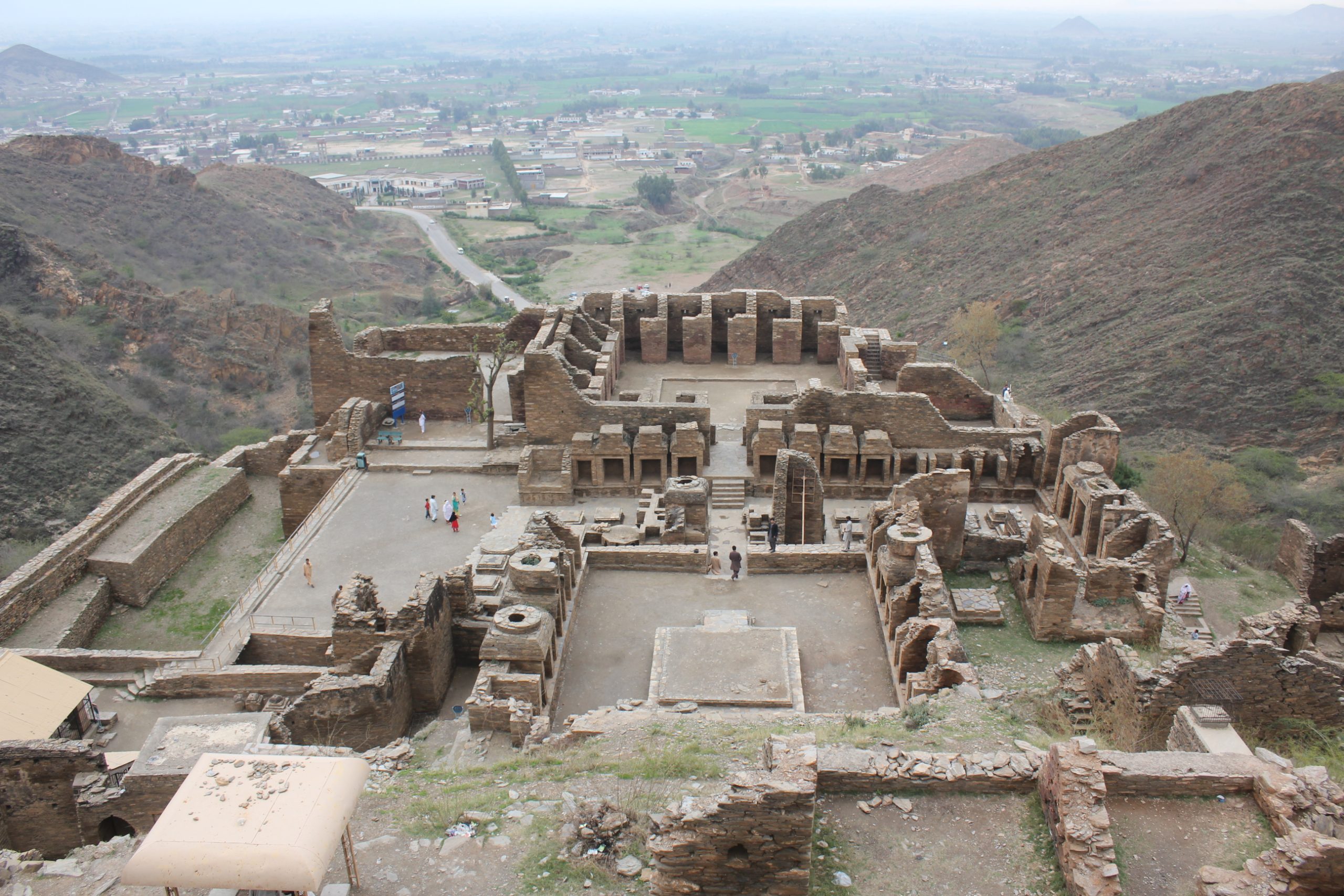
Takht-i-Bahi
Takht-i-Bahi, translating to ‘throne of the water spring’ in Persian, stands as a significant archaeological site of an ancient Buddhist monastery located in Mardan, Khyber-Pakhtunkhwa, Pakistan. This site is recognized as one of the most crucial relics of Buddhism in the region once known as Gandhara. Its preservation status is notably exceptional, making it a focal point for scholars and enthusiasts of Buddhist architecture and history.
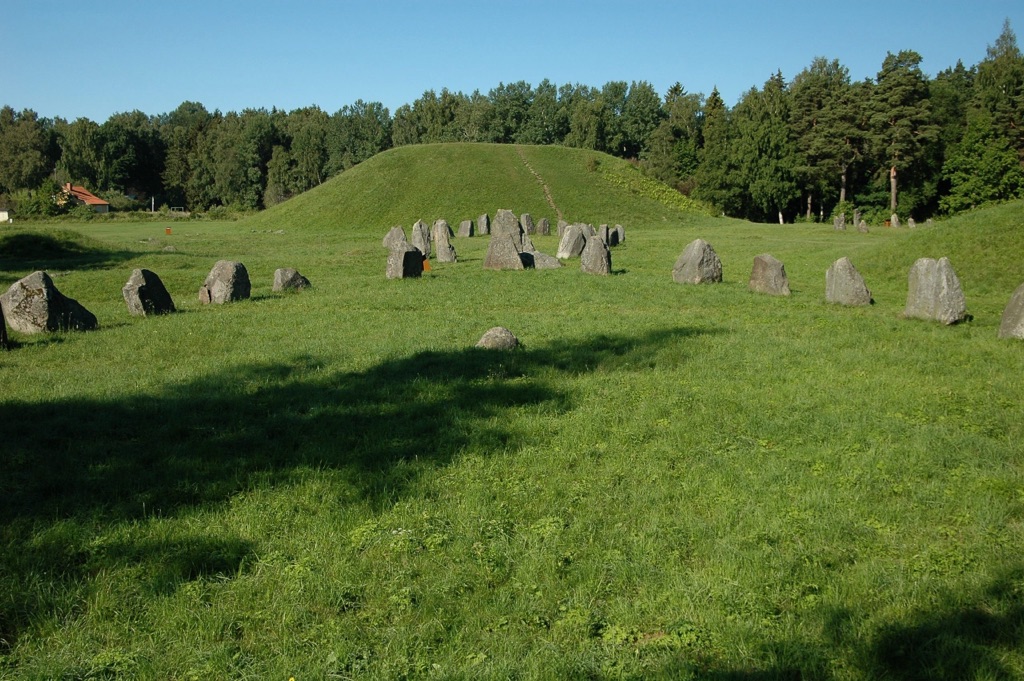
Anundshög
Anundshög, located near Västerås in Västmanland, stands as the largest tumulus in Sweden. With a diameter of 60 meters and a height of approximately 9 meters, this monumental mound has captivated historians, archaeologists, and visitors alike. The origins of Anundshög have been debated, with assessments placing its construction between the Bronze Age and the late Iron Age. Radiocarbon dating of a fireplace beneath the mound suggests it was built sometime between AD 210 and 540.
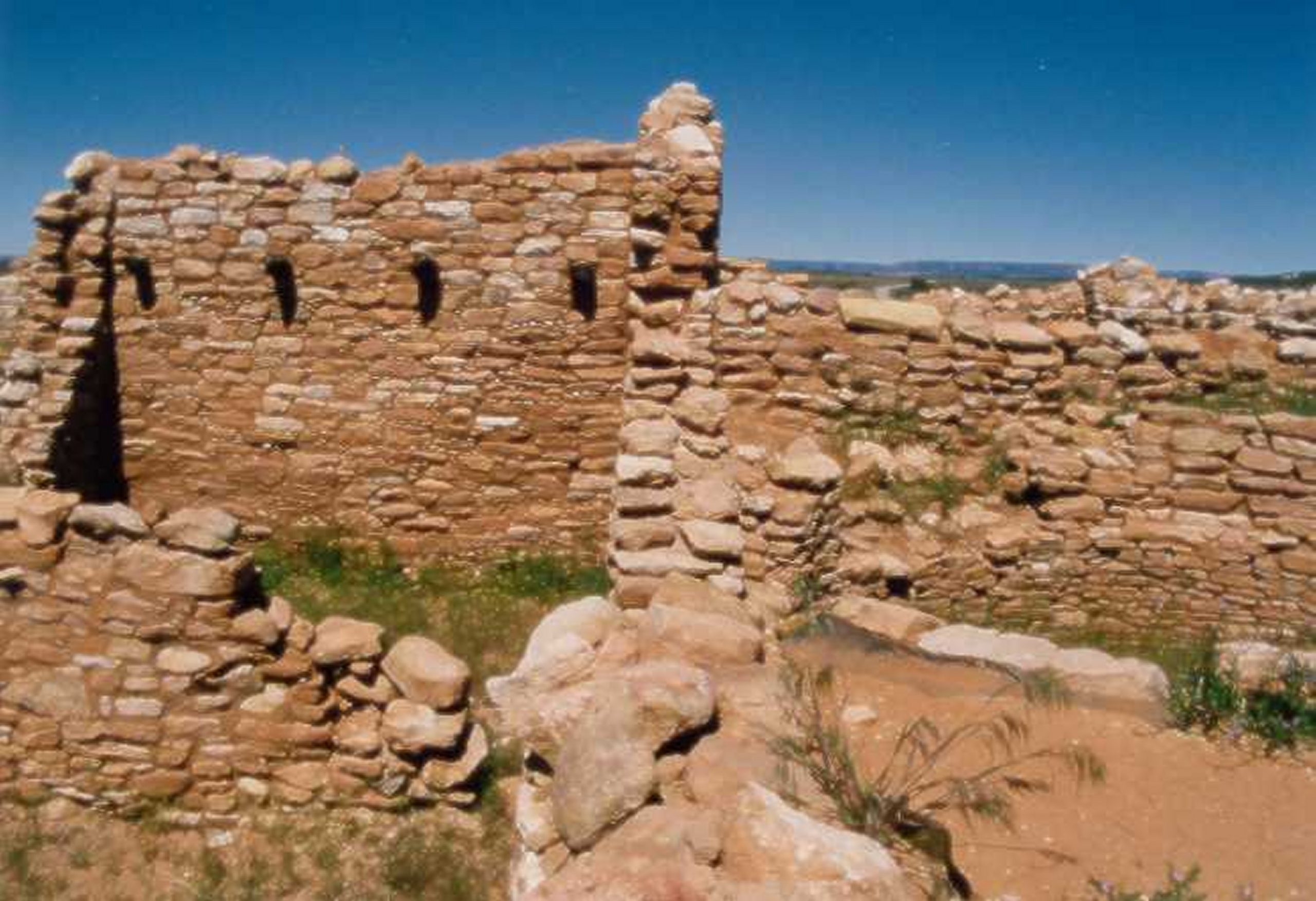
Edge of the Cedars State Park
Edge of the Cedars State Park Museum, situated in Blanding, Utah, USA, stands as a significant archaeological site, museum, and repository that encapsulates the rich history and culture of the Ancestral Puebloan people. The name “Edge of the Cedars” originates from the site’s location on the boundary between a densely forested area and a barren landscape to the south, with “Cedar” referring to the Utah juniper tree, a term commonly used by locals.
Pecos National Historical Park
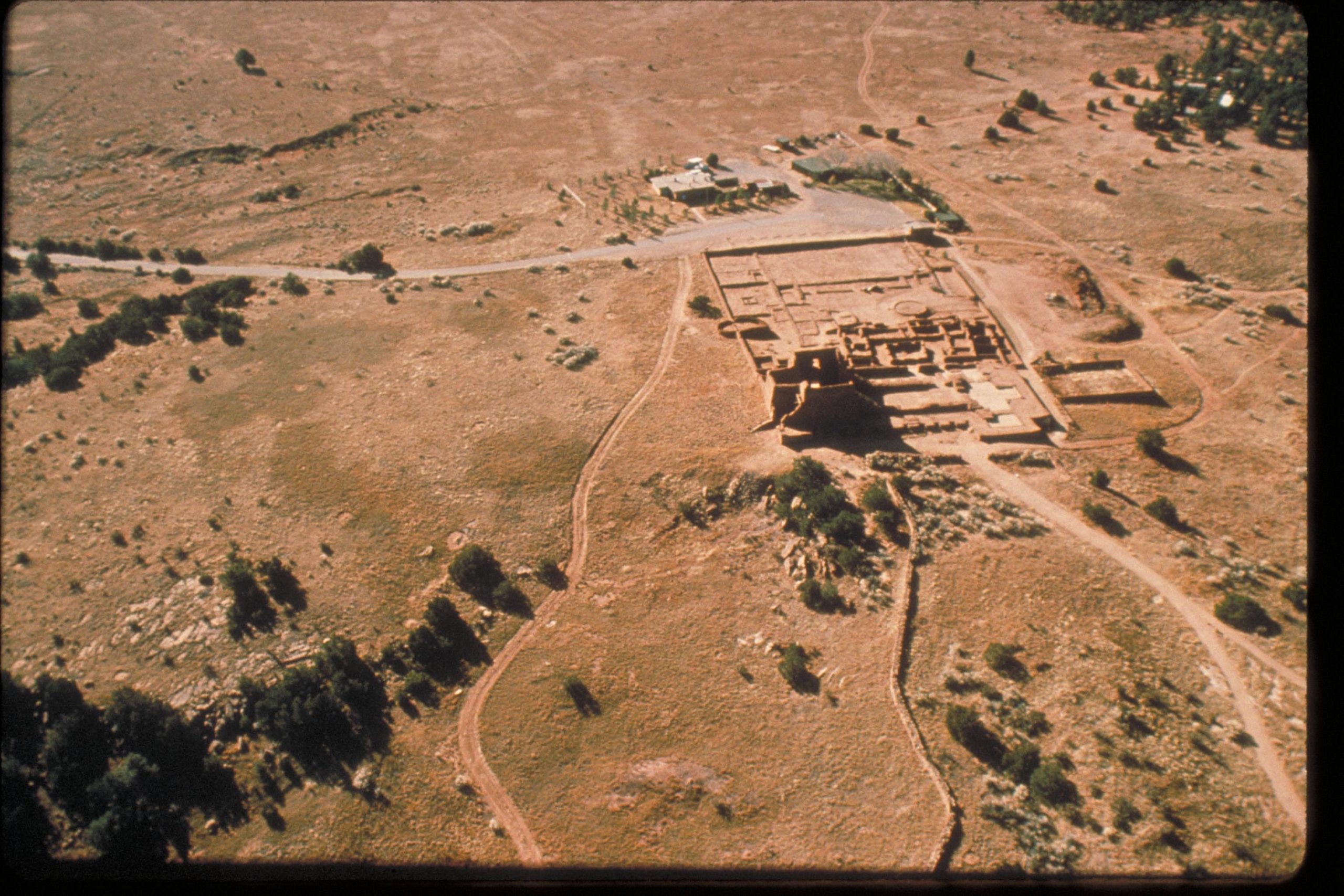
Pecos National Historical Park, located in San Miguel County, New Mexico, serves as a testament to the rich tapestry of American history, spanning from prehistoric times through the 19th century. Managed by the National Park Service, this expansive park covers a diverse landscape that includes archaeological ruins, historic ranches, and a significant Civil War battlefield. Among its notable features, Pecos Pueblo, also known as Cicuye Pueblo, stands out as a pivotal Native American community that was eventually abandoned.
Hovenweep National Monument
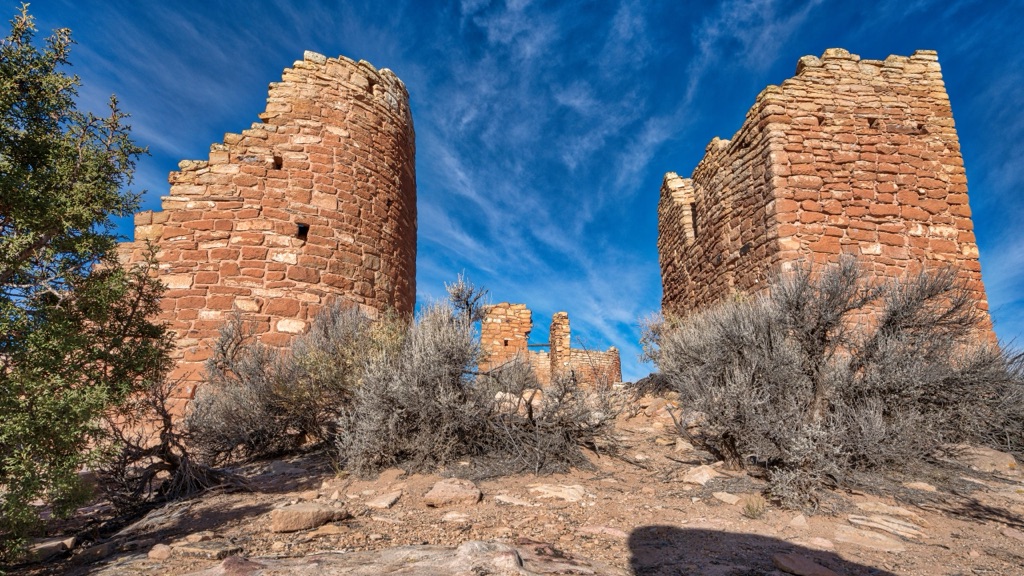
Hovenweep National Monument, straddling the border between southwestern Colorado and southeastern Utah, offers a unique glimpse into the lives of the Ancestral Puebloan people. Situated on the Cajon Mesa of the Great Sage Plain, the monument is characterized by its deep canyons and wide expanses, through which shallow tributaries flow into the San Juan River. This area, known for its six groups of Ancestral Puebloan villages and a kiva, also bears evidence of earlier hunter-gatherer occupations dating from 8,000 to 6,000 B.C. up until about AD 200. The monument’s history of human occupation reflects a transition from nomadic lifestyles to settled pueblo communities, which thrived until the 14th century.