Ancient Artifacts
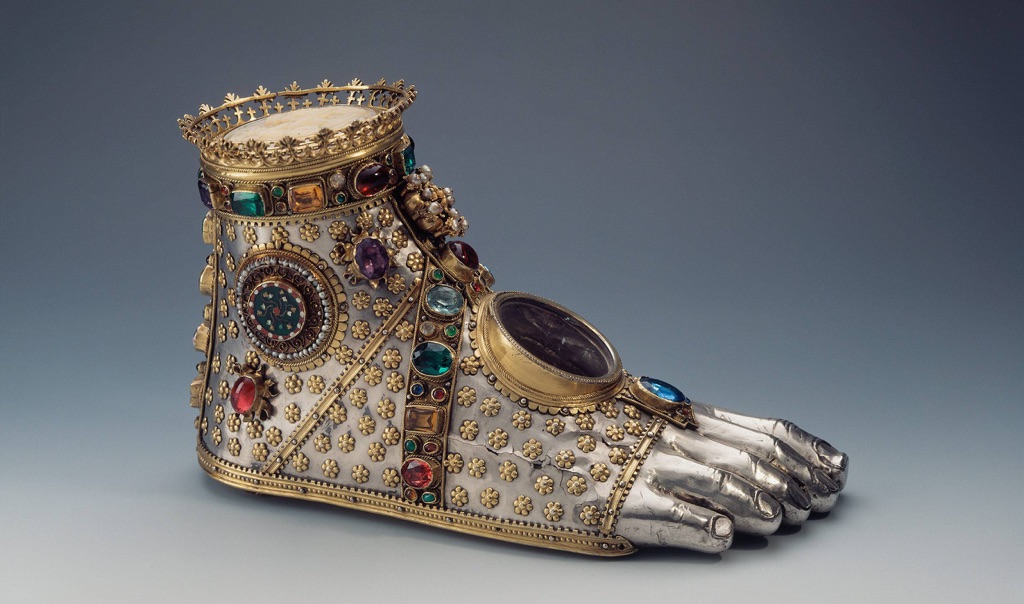
Moving to the East, ancient China artifacts like bronze vessels and oracle bones shed light on the rituals and governance of early Chinese dynasties. These artifacts highlight China’s long history of craftsmanship and written language. Similarly, ancient Egyptian artifacts are world-renowned, particularly for their funerary art, such as the treasures from King Tutankhamun’s tomb. These pieces reflect the Egyptians’ beliefs about death and the afterlife. Artifacts are not just old objects to be displayed in museums; they are keys to unlocking the secrets of human development across the ages. They preserve the ideas and values of people who lived thousands of years before us. Through careful study, they teach us about our collective history and heritage.
Among the most famous ancient artifacts in the world is the Rosetta Stone. Discovered in 1799, this granodiorite stele was the key to understanding Egyptian hieroglyphs—a script made of small pictures that was used originally in ancient Egypt for religious texts. The Rosetta Stone is inscribed with a decree issued at Memphis in 196 BC on behalf of King Ptolemy V. The decree appears in three scripts: the upper text is Ancient Egyptian hieroglyphs, the middle portion Demotic script, and the lower Ancient Greek. Because it presents essentially the same text in all three scripts, it provided the crucial link for scholars to decipher Egyptian hieroglyphs, thereby opening a window into ancient Egyptian history.
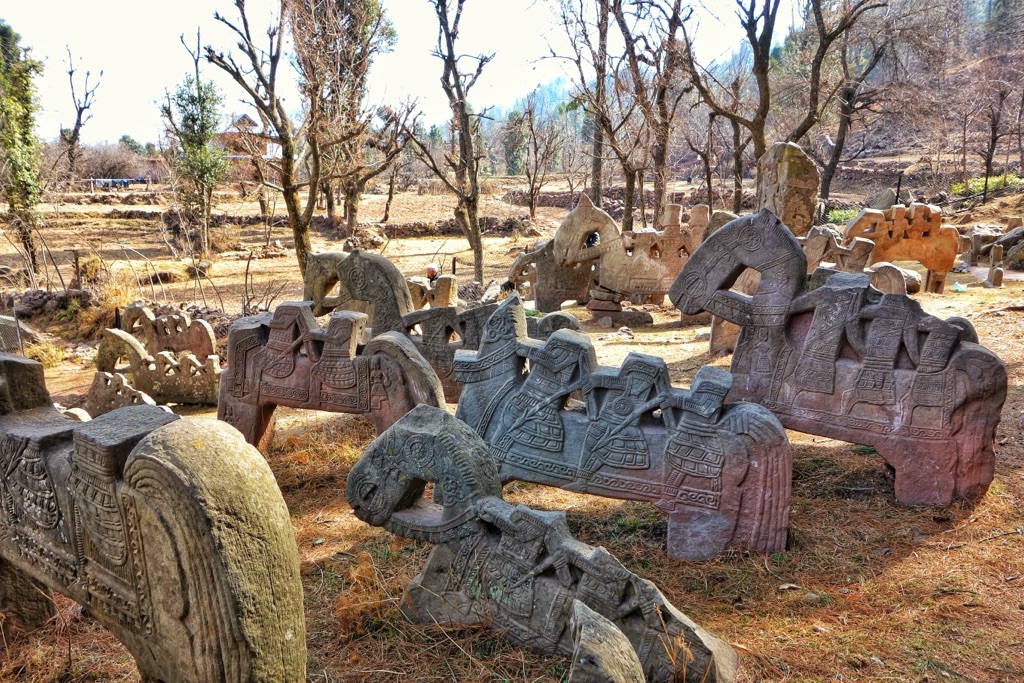
The title of the oldest artifact on earth goes to the stone tools found in Lomekwi 3, Kenya, which date back to 3.3 million years ago. These tools predate the earliest known humans and suggest that tool-making was a part of our pre-human ancestors’ way of life. These ancient tools mark a significant milestone in human evolutionary history, indicating the beginnings of technology and innovation. They are not just simple objects; they represent the dawn of human ingenuity and the very first steps towards the complex societies we have today.
An ancient artifact can be defined as any item made or used by humans in ancient times that has cultural, historical, or archaeological significance. These artifacts can range from monumental structures like the pyramids of Egypt to small, everyday objects like Roman coins. They can include items as diverse as weapons, clothing, and artwork. Each artifact, no matter its size or apparent significance, offers a glimpse into the lives of those who came before us, providing evidence of past behaviors, beliefs, and social structures.
Famous ancient artifacts not only include monumental finds like the Rosetta Stone or the treasures of Tutankhamun’s tomb but also the Terracotta Army of China, the Dead Sea Scrolls, and the Venus of Willendorf. The Terracotta Army, buried with the first Emperor of China, Qin Shi Huang, consists of thousands of life-sized figures meant to protect the emperor in the afterlife. The Dead Sea Scrolls, discovered in a series of caves near the Dead Sea, are ancient Jewish texts that offer invaluable insight into the history of Judaism and the early text of the Bible. The Venus of Willendorf, a small Paleolithic figurine discovered in Austria, dates back to about 28,000 BCE and is thought to represent fertility. Each of these artifacts, in its own way, has reshaped our understanding of human history, offering evidence of the complexity, diversity, and ingenuity of ancient civilizations.
List of Discovered Ancient Artifacts
-
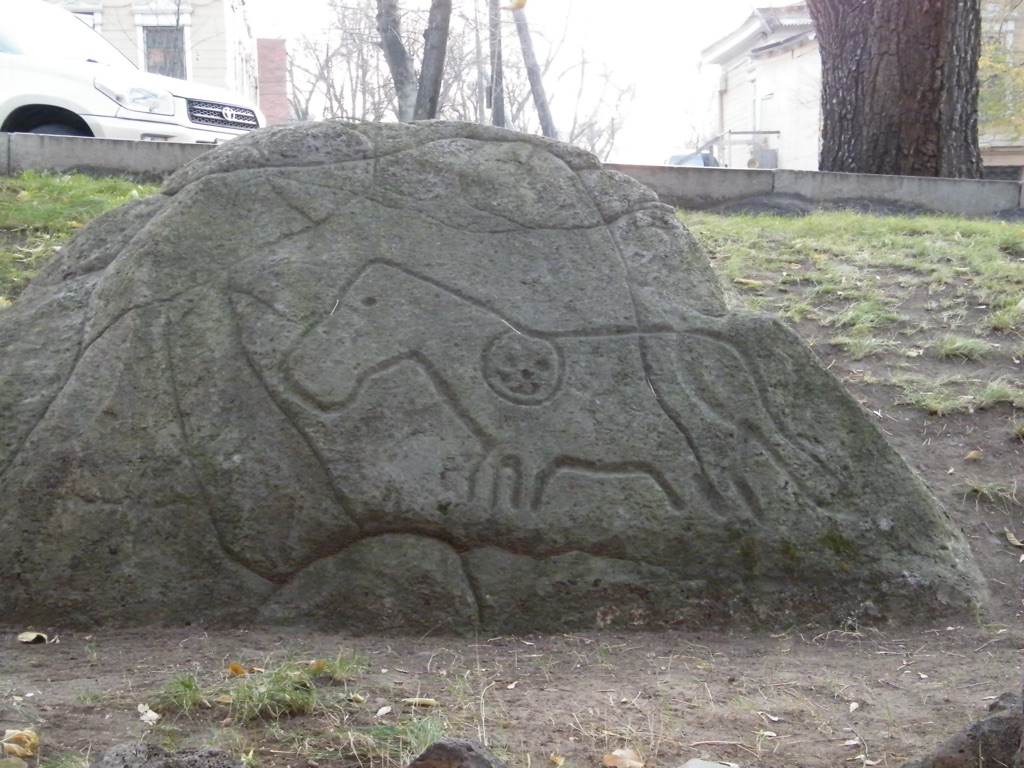
Petroglyphs of Sikachi-Alyan
The Petroglyphs of Sikachi-Alyan are a collection of ancient rock carvings found on the banks of the Amur River in Russia. These…
-
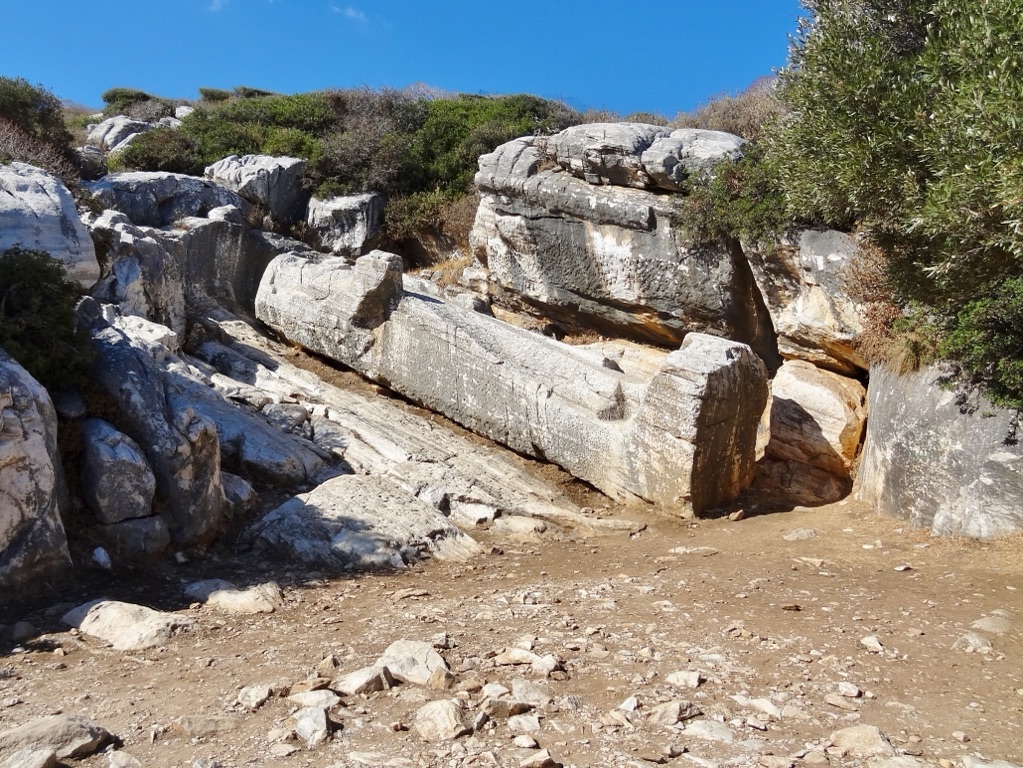
The Kouroi of Naxos: Ancient Greek Unfinished Colossal Statues
The island of Naxos, a jewel in the Aegean Sea, harbors a collection of ancient Greek enigmas: the unfinished colossal statues known…
-
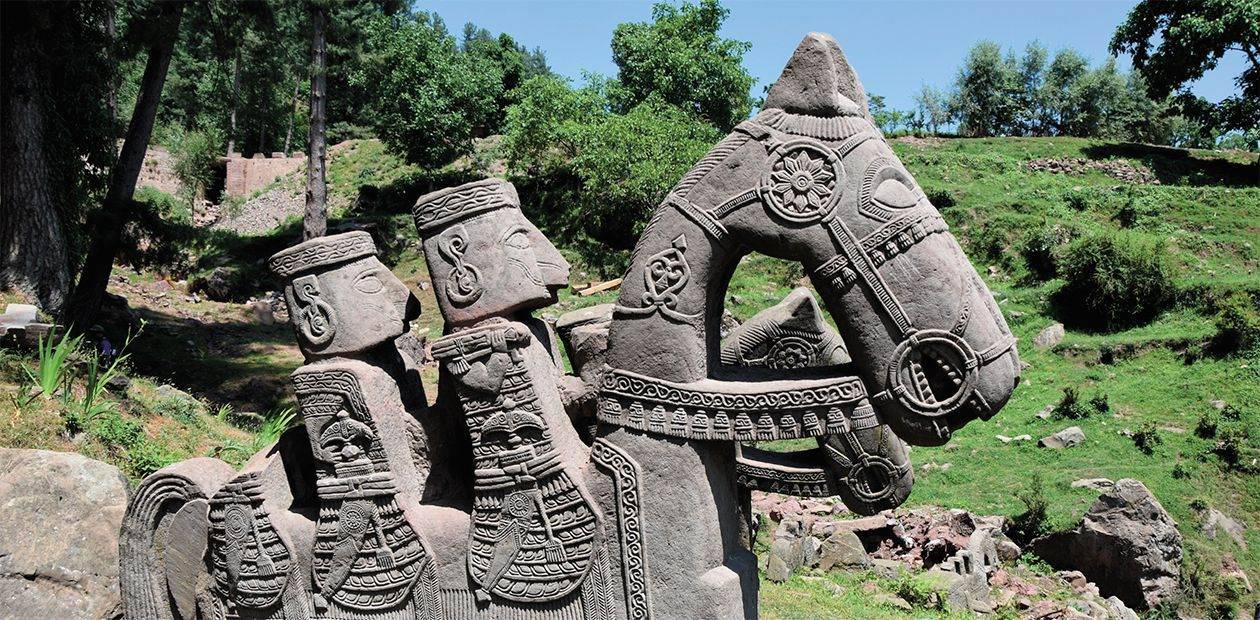
The Mysterious Horsemen Statues of the Pir Panjal
The Pir Panjal Range, part of the majestic Himalayas, stretches from Murree in Pakistan to the Rohtang Pass in Himachal Pradesh, India.…
-
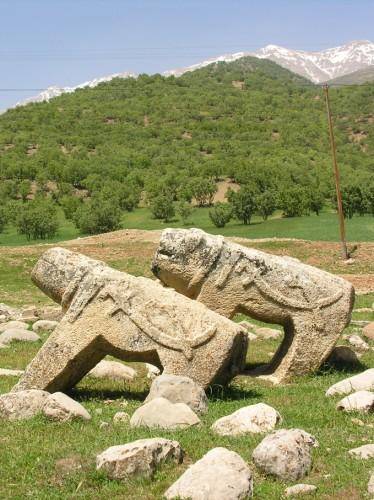
Lion Tombstones in Iran
In the rugged terrains of the Zagros Mountains and the sweeping landscapes of western, southwestern, and southern Persia, a unique and evocative…
-
Usuki Stone Buddhas
The Usuki Stone Buddhas are a collection of remarkable stone carvings found in Usuki, Oita Prefecture, Japan. These sculptures, carved into a…
-
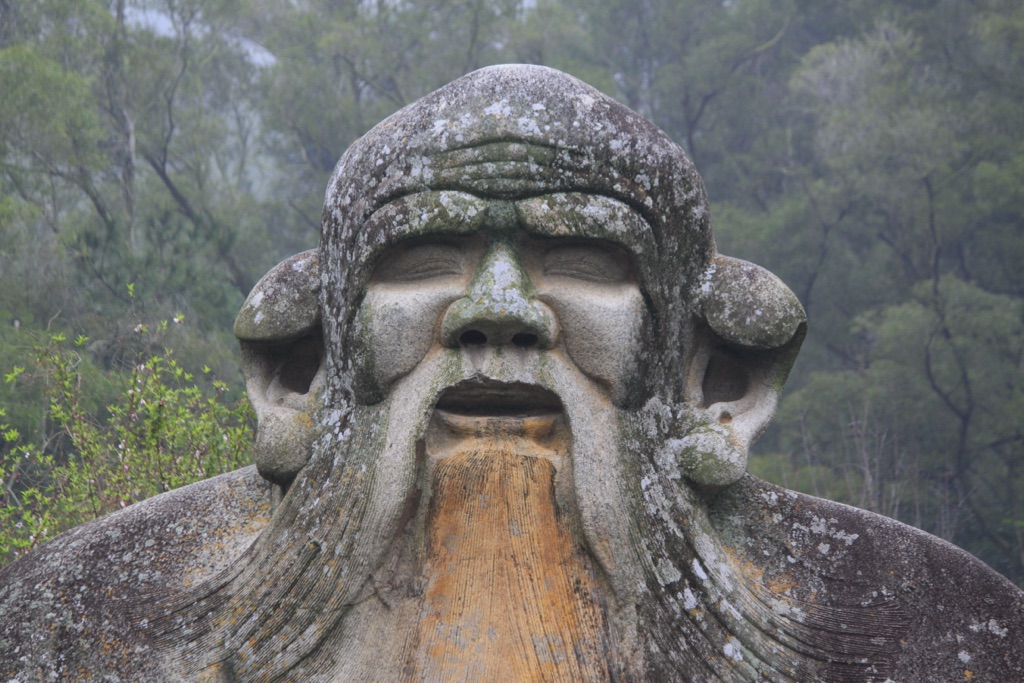
Stone statue of Laozi
Located within the geographical confines of Mount Qingyuan in Quanzhou city, Fujian province, stands a significant monument dedicated to Laozi, a central…