The Dorn Pyramid is a 25-foot granite tomb that has stood on a low bedrock knoll in San Luis Obispo, on California’s Central Coast, since 1905. It was not built by an ancient civilization. It was commissioned by a grieving lawyer, Frederick Adolphus Dorn, after he lost his wife and their newborn son within the same week, and it carries the stark inscription “DISTVRB NOT THE SLEEP OF DEATH.” For more than a century the tomb sat deliberately unfinished, its door left open, until masons sealed it shut in 2018.
Who built the Dorn Pyramid?
The pyramid was the work of Frederick Adolphus Dorn, a prominent San Luis Obispo lawyer at the turn of the twentieth century. Dorn was elected district attorney in 1894 and by 1899 had moved into a lucrative private practice with connections in both San Luis Obispo and San Francisco. He was a respected public figure and a committed Freemason, serving as Master of King David’s Masonic Lodge in San Luis Obispo in 1891 and again in 1892.
Dorn’s standing in the community and his Masonic ties are central to the monument’s design. Where most families of the period marked their graves with headstones or obelisks, Dorn chose a full pyramid — a form loaded with Masonic and Egyptian symbolism, and a statement of permanence in keeping with his wealth and status.
The deaths of Cora and Fred Jr. in 1905
The tomb was built in response to a private tragedy. In May 1905, Dorn’s wife, Cora Russell Dorn (1868–1905), gave birth to a son, Fred Adolphus Dorn Jr. The infant lived only hours. Three days later, Cora herself died. The pyramid was raised in their memory, and it is their remains — mother and child — that lie inside. From the exterior, the tomb identifies Cora Russell Dorn (1868–1905) and Fred Adolphus Dorn Jr. (1905–1905) as those interred within.
A 25-foot granite pyramid in the Odd Fellows Cemetery
The Dorn Pyramid stands roughly 25 feet (about 7.6 metres) tall and is built of solid granite. It sits in the Odd Fellows section of the San Luis Cemetery off South Higuera Street, where it rises alone and conspicuously apart from the headstones around it. That isolation is not an accident of taste but a matter of engineering: the spot was chosen because it was the only ground in the cemetery with rock solid enough to bear the enormous weight of the stone mausoleum.
Unlike the great pyramids of Egypt, this is a compact, personal monument rather than a royal one, but the ambition behind it is unmistakable. The granite construction was meant to last, and more than 120 years later it remains one of the most recognisable landmarks in San Luis Obispo, drawing curious visitors to a cemetery that most would otherwise pass without a second glance.
“DISTVRB NOT THE SLEEP OF DEATH”: the tomb’s inscription
The front of the pyramid bears a single, arresting line: “DISTVRB NOT THE SLEEP OF DEATH.” The archaic spelling — with a “V” standing in for the “U” in “disturb” — is a deliberate classical flourish, echoing the lettering of Roman monuments and reinforcing the tomb’s air of antiquity. The phrase reads as both a plea and a warning, and it is largely responsible for the pyramid’s enduring reputation as one of the Central Coast’s eeriest landmarks.
Whether the inscription was intended chiefly as a message to grave robbers, to the living, or to fate itself, it captures the spirit in which the monument was raised: a husband and father trying to guarantee an undisturbed eternity for a wife and son he had lost almost overnight.
Why a pyramid? Egyptian Revival and the Masons
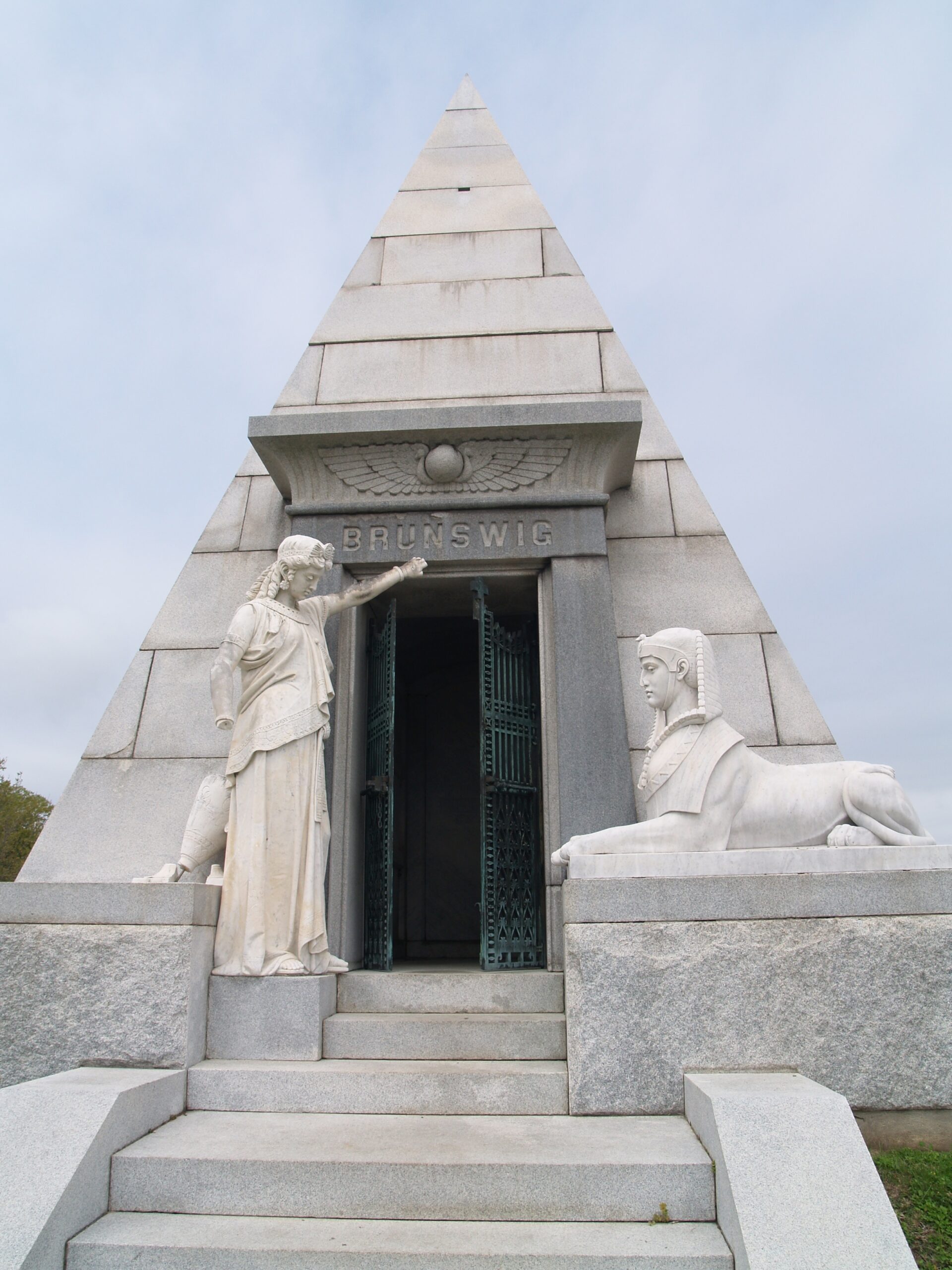
The Dorn Pyramid belongs to a wider nineteenth- and early twentieth-century fashion known as Egyptian Revival architecture. Sparked by Napoleon’s expedition to Egypt and the decipherment of hieroglyphs, the style swept through Europe and America, and it was especially popular for funerary monuments. Wealthy Victorians and American industrialists built pyramids, obelisks and sphinx-flanked tombs in cemeteries from London’s Highgate to New Orleans, hoping to be remembered as long and as grandly as the pharaohs. Ancient Egyptian tomb architecture — mastabas, rock-cut tombs and the great pyramids — had always been bound up with ideas of permanence and the afterlife, as the Encyclopædia Britannica traces, and nineteenth-century designers borrowed that symbolism wholesale for the cemeteries of their own age.
For Dorn, the pyramid carried an extra layer of meaning. Freemasonry draws heavily on Egyptian and ancient-architectural symbolism, and the pyramid is one of its most potent emblems. As a former Lodge Master, Dorn chose a form that spoke simultaneously to his grief, his wealth, and his fraternal identity. The same impulse can be seen in pyramid tombs across the United States — and it stretches back to a single ancient model.
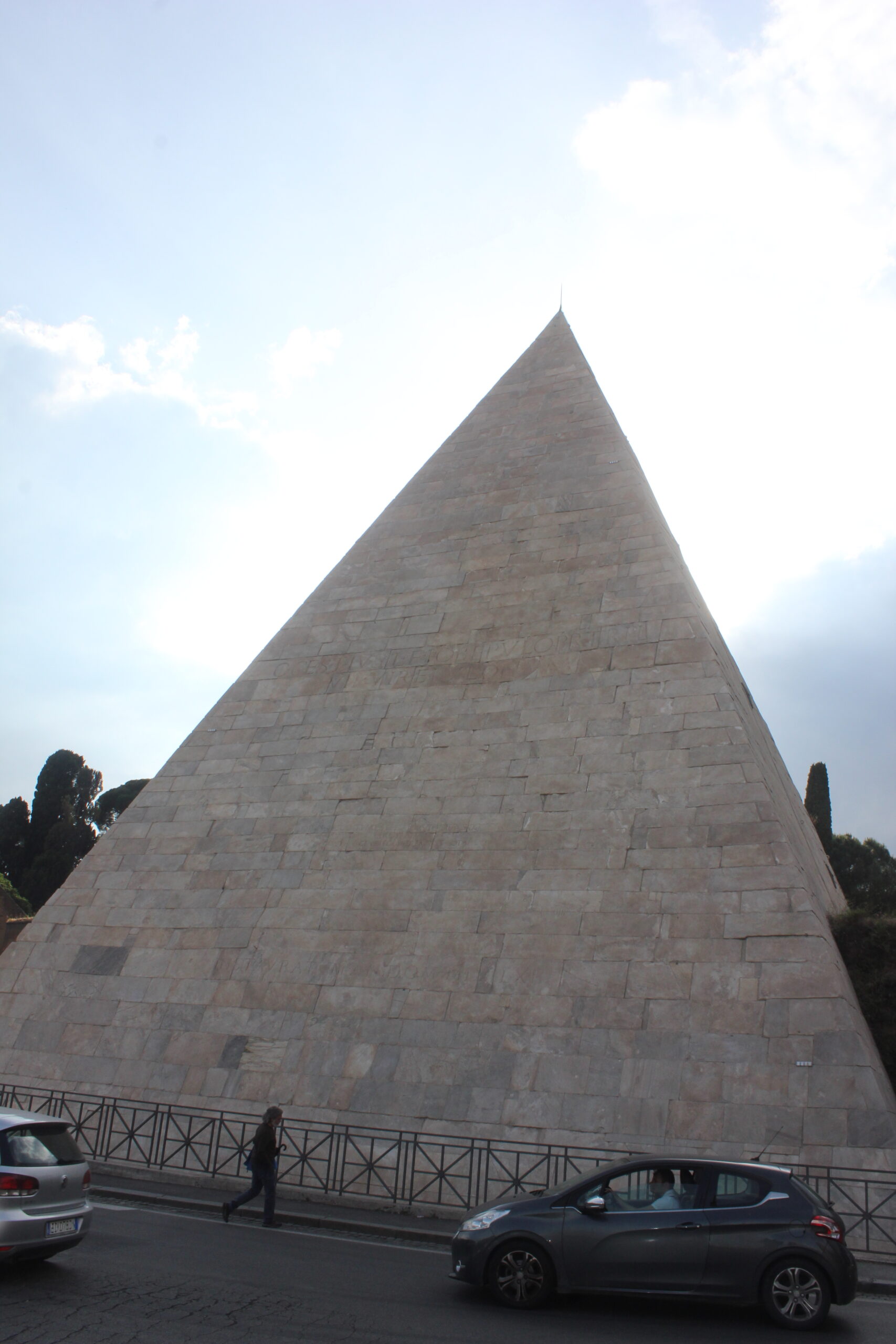
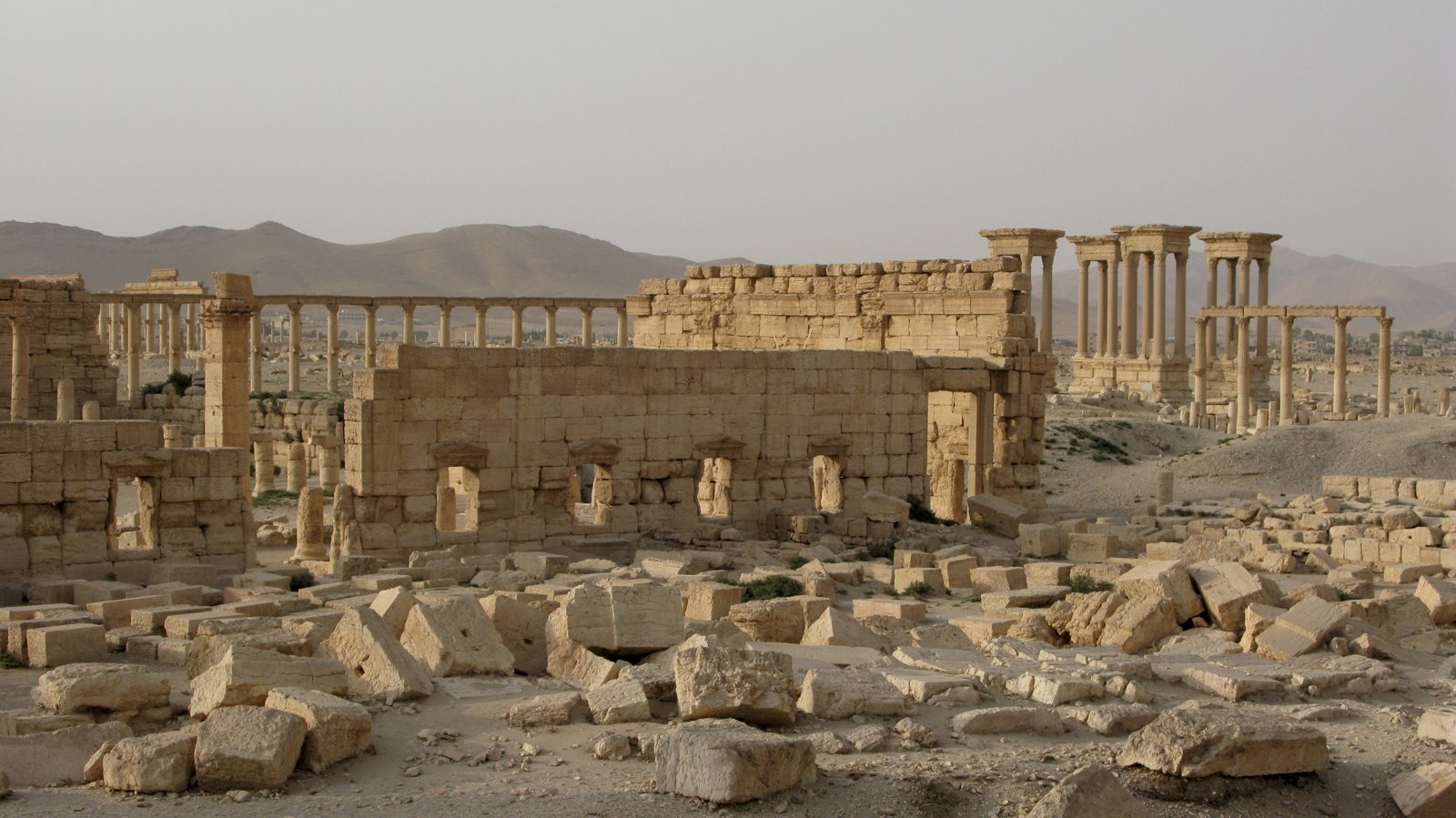
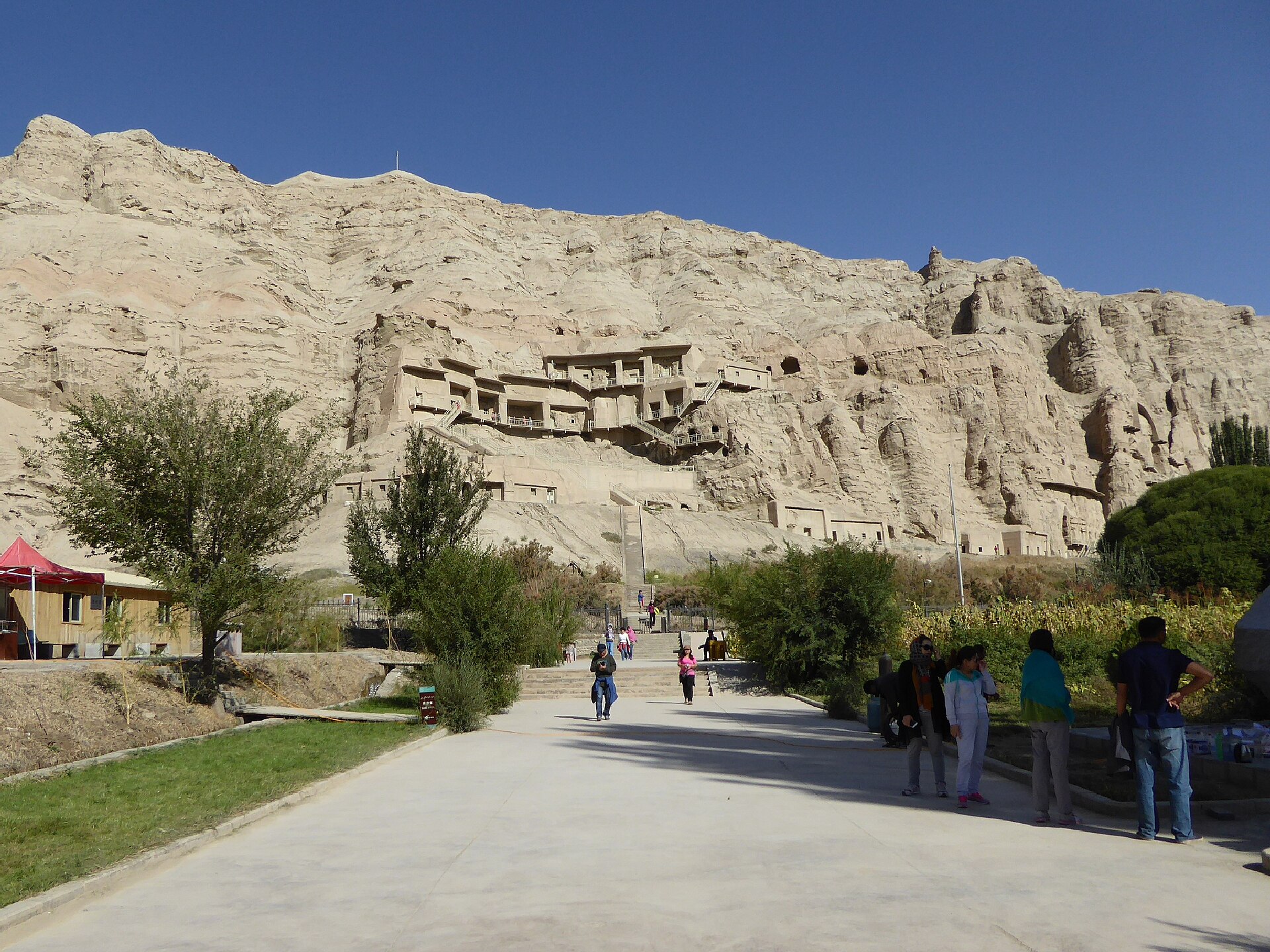
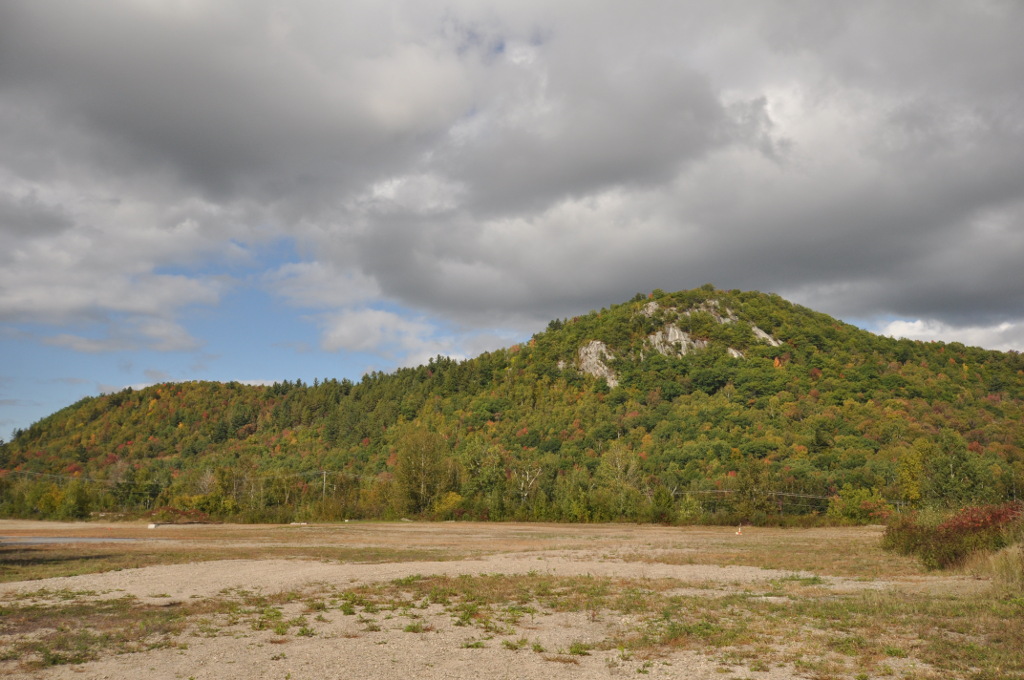
The fascination with pyramid tombs is not unique to nineteenth-century America. People have raised pyramids and pyramid-shaped monuments on almost every continent and in almost every era — from the natural rise once mistaken for an earthwork at Pyramid Mound in Indiana to the eighth-century Buddhist step-pyramid of the Zutō Pagoda in Nara, Japan. The Dorn Pyramid is a distinctly modern, and distinctly personal, entry in that long tradition.
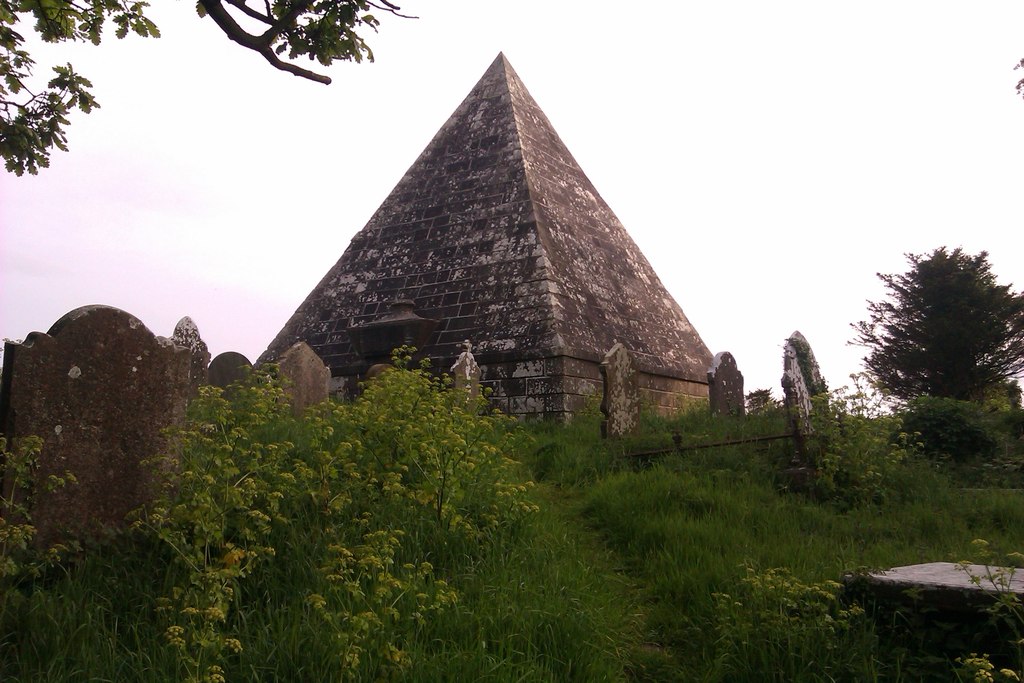
An unfinished tomb, sealed after 113 years
Dorn never intended the pyramid to be finished in his lifetime. He left two stones unset and the door open so that he could one day be entombed alongside his first wife and son. History had other plans. Dorn eventually moved to San Francisco, remarried, and built a new life in the Bay Area. He died there in 1940 at the age of 74 and was buried not in his granite pyramid but at Cypress Lawn Memorial Park in Colma — the famous “city of the dead” south of San Francisco — beneath nothing more than a small brass plate.
With Dorn buried elsewhere, the tomb stayed open for decades, a half-finished memorial in the heart of a working cemetery. The unsealed pyramid attracted generations of local teenagers and ghost-story seekers. Finally, the lodge approached the surviving Dorn family for permission to close it. In January 2018, stonemasons hired by King David’s Masonic Lodge set the last stones in place, and on 22 June 2018 mortar was applied in a formal ceremony attended by Dorn’s grand-niece, Carolyn Scott. After more than 113 years, the Dorn Pyramid was finally sealed. It remains fully visible from outside the cemetery.
Visiting the Dorn Pyramid today
The pyramid sits within the San Luis Cemetery (the Odd Fellows / I.O.O.F. grounds) on South Higuera Street in San Luis Obispo and can be viewed from the roadside and the surrounding grounds. As a working cemetery and a private family monument, it is a place to look rather than touch; the tomb itself is now permanently sealed. For visitors interested in California’s quieter historical curiosities, it pairs naturally with the region’s other unusual landmarks and with the broader story of nineteenth-century burial grounds.
For more sites like this one, explore our historical places archive, which collects monuments, cemeteries and ruins from around the world — including ancient burial complexes such as Georgia’s Samtavro Necropolis.
At a glance
Location: San Luis Cemetery (Odd Fellows section), South Higuera Street, San Luis Obispo, California, United States
Built: 1905
Commissioned by: Frederick Adolphus Dorn (lawyer; Master of King David’s Masonic Lodge, 1891 and 1892)
Interred: Cora Russell Dorn (1868–1905) and Fred Adolphus Dorn Jr. (1905–1905)
Material & height: Granite, approximately 25 feet (7.6 m)
Inscription: “DISTVRB NOT THE SLEEP OF DEATH”
Style: Egyptian Revival funerary architecture
Sealed: 22 June 2018, by King David’s Masonic Lodge
Frequently asked questions
Where is the Dorn Pyramid located?
The Dorn Pyramid stands in the Odd Fellows section of the San Luis Cemetery on South Higuera Street in San Luis Obispo, on California’s Central Coast — not in Northern California or Texas, as is sometimes claimed online. It was placed on that exact spot because it was the only ground in the cemetery with bedrock solid enough to bear the weight of the 25-foot granite mausoleum. The tomb is now permanently sealed but remains clearly visible from outside the cemetery.
Who is buried in the Dorn Pyramid?
The tomb holds Cora Russell Dorn (1868–1905) and her infant son, Fred Adolphus Dorn Jr., who lived only hours after his birth in May 1905; Cora died three days later. Her husband, the lawyer Frederick Adolphus Dorn, built the pyramid in their memory and intended to be entombed there himself. Instead he moved to San Francisco, remarried, and was buried at Cypress Lawn Memorial Park in Colma following his death in 1940 at the age of 74.
Why was the Dorn Pyramid sealed in 2018?
Dorn deliberately left the tomb unfinished, with two stones unset and the door open, so that he could one day be laid to rest inside. When he was instead buried near San Francisco, the pyramid stayed open for more than a century. In January 2018, stonemasons hired by King David’s Masonic Lodge set the final stones, and on 22 June 2018 mortar was added in a ceremony attended by Dorn’s grand-niece, Carolyn Scott, sealing the tomb after 113 years.
Sources and further reading
This article draws on contemporary local reporting, historic-preservation references and California history resources:
- Encyclopædia Britannica — “Ancient Egyptian architecture: Tombs, Temples & Significance”
- Washington State Dept. of Archaeology & Historic Preservation — “Egyptian Revival”
- KSBY News — “SLO Cemetery pyramid officially sealed after more than 100 years” (22 June 2018)
- Hidden California — “Dorn Pyramid”
- Wikipedia — “Egyptian Revival architecture”
- Wikipedia — “Cypress Lawn Memorial Park”

Neural Pathways is a collective of seasoned experts and researchers with a profound passion for unraveling the enigmas of ancient history and artifacts. With a wealth of combined experience spanning decades, Neural Pathways has established itself as a leading voice in the realm of archaeological exploration and interpretation.