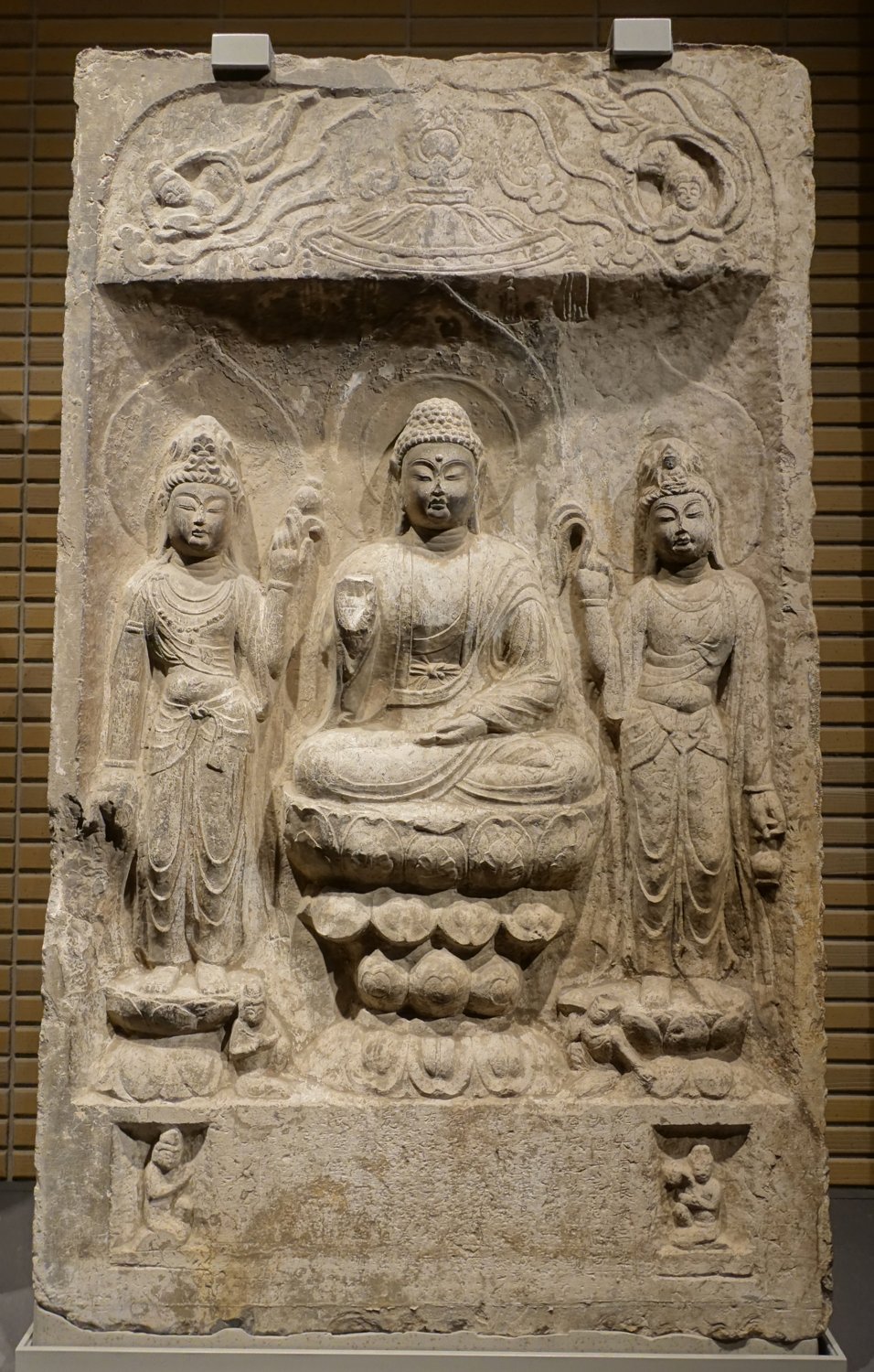
The Great Buddha Temple at Binxian (Bin County), Shaanxi, is a Tang-dynasty Buddhist cave complex built around a seated Amitabha roughly 20 metres tall — the largest Tang Buddha anywhere near the imperial capital of Chang’an. Emperor Taizong, the second Tang ruler, founded the temple in 628 CE, and over the following centuries carvers cut more than a hundred grottoes and close to two thousand statues into the cliff above the Jing River. Since 2014 it has stood on the UNESCO World Heritage List as a link in the Silk Roads: the Routes Network of Chang’an–Tianshan Corridor.
A Tang Emperor’s Monument on the Road to Chang’an
The temple sits about ten kilometres west of the old county town, on the north bank of the Jing River in the Guanzhong basin — the fertile heartland that fed Tang China and funnelled Silk Road traffic in and out of Chang’an (modern Xi’an). Anyone travelling the northwest road toward the Hexi Corridor and Central Asia passed almost within sight of the cliff, and that position on a major artery of the empire is central to why the site matters.
The grottoes were begun in 628 CE at the order of Emperor Taizong — Li Shimin, the general-turned-emperor who consolidated the young Tang dynasty. Local tradition ties the foundation to the surrounding battlefield: a decade earlier, in 618, Li Shimin had defeated the rival warlord Xue Rengao near here at the Battle of Qianshuiyuan, and the temple is often said to honour the soldiers who fell in that campaign. Whatever the exact motive, imperial patronage set the tone, and the Great Buddha Grotto became one of the most ambitious Buddhist carving projects of the early Tang.
From Qingshou Temple to the Great Buddha Temple
The complex did not always carry its present name. At its founding it was called Qingshou Temple — “Celebrating Longevity” — and only in later centuries did the towering central statue give it the name by which it is universally known today: Dafo Si, the Great Buddha Temple. The Chinese habit of naming a temple for its principal image is why so many unrelated sites across the country share the label “Dafo”; the Bin County grottoes are a distinct monument, not to be confused with the reclining-Buddha temple of the same name at Zhangye in Gansu.
How big is the Bin County Great Buddha?
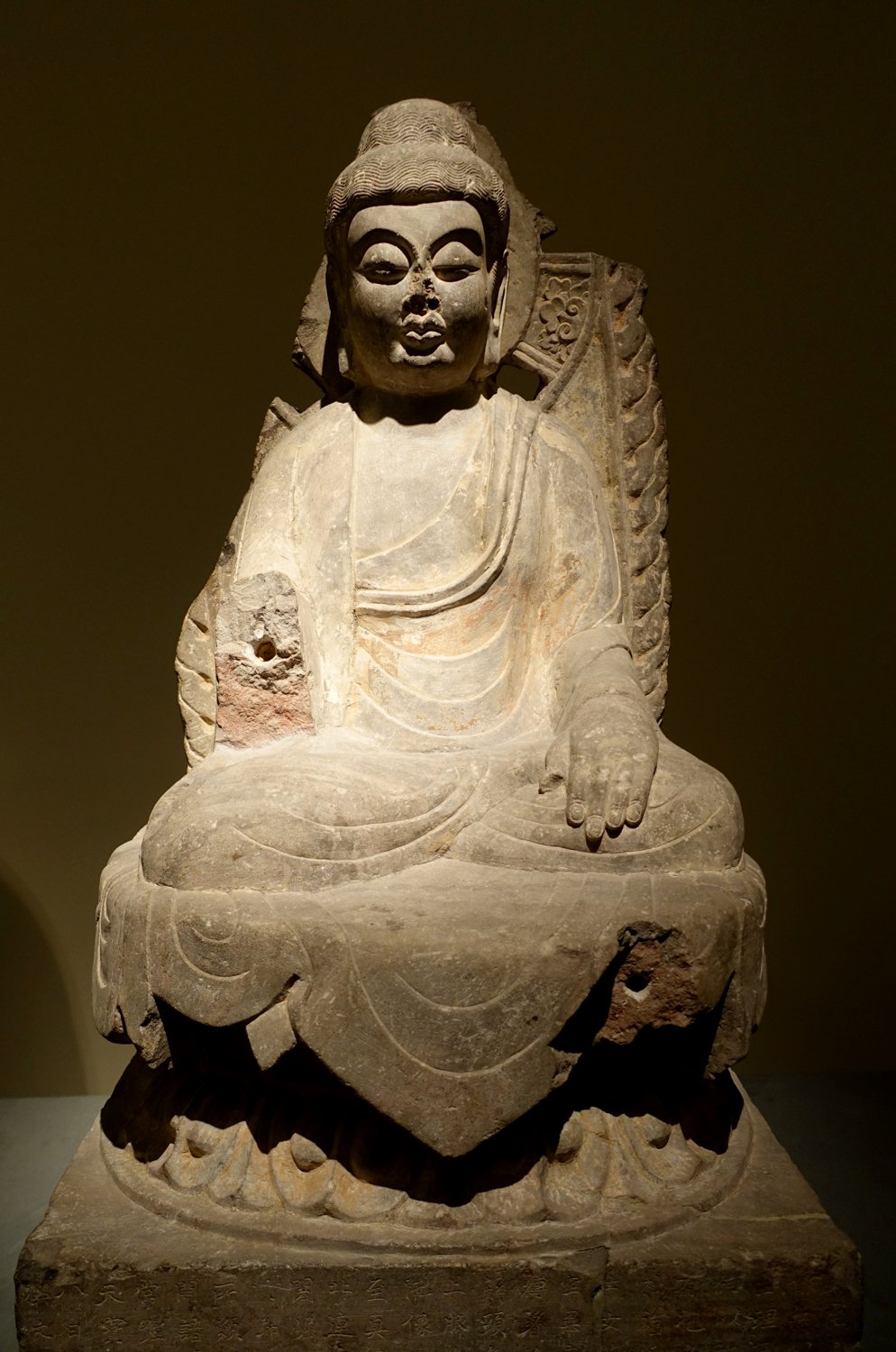
The centrepiece is a seated figure of Amitabha, the Buddha of the Western Paradise, carved leaning back against the cliff inside the Great Buddha Grotto. It stands about 20 metres tall, with shoulders roughly 13 metres across, which makes it the largest Buddhist statue of the Tang period in Chang’an and its surrounding region. Two enormous bodhisattvas flank the Buddha — Avalokiteshvara (Guanyin) and Mahasthamaprapta — completing the grouping known in Chinese Buddhism as the “Three Saints of the West.”
Scale of this kind was a deliberate statement. A colossal Buddha proclaimed both the piety and the reach of its imperial sponsors, and the Bin County figure belongs to the same tradition of cliff-carved giants as the Leshan Giant Buddha in Sichuan and the towering images of the Xumishan Grottoes. Where those colossi were cut into open riverside and mountain cliffs, the Bin County Buddha is sheltered within a deep grotto, its head nearly brushing the cave roof.
Inside the Grottoes: 130 Caves and Nearly 2,000 Statues
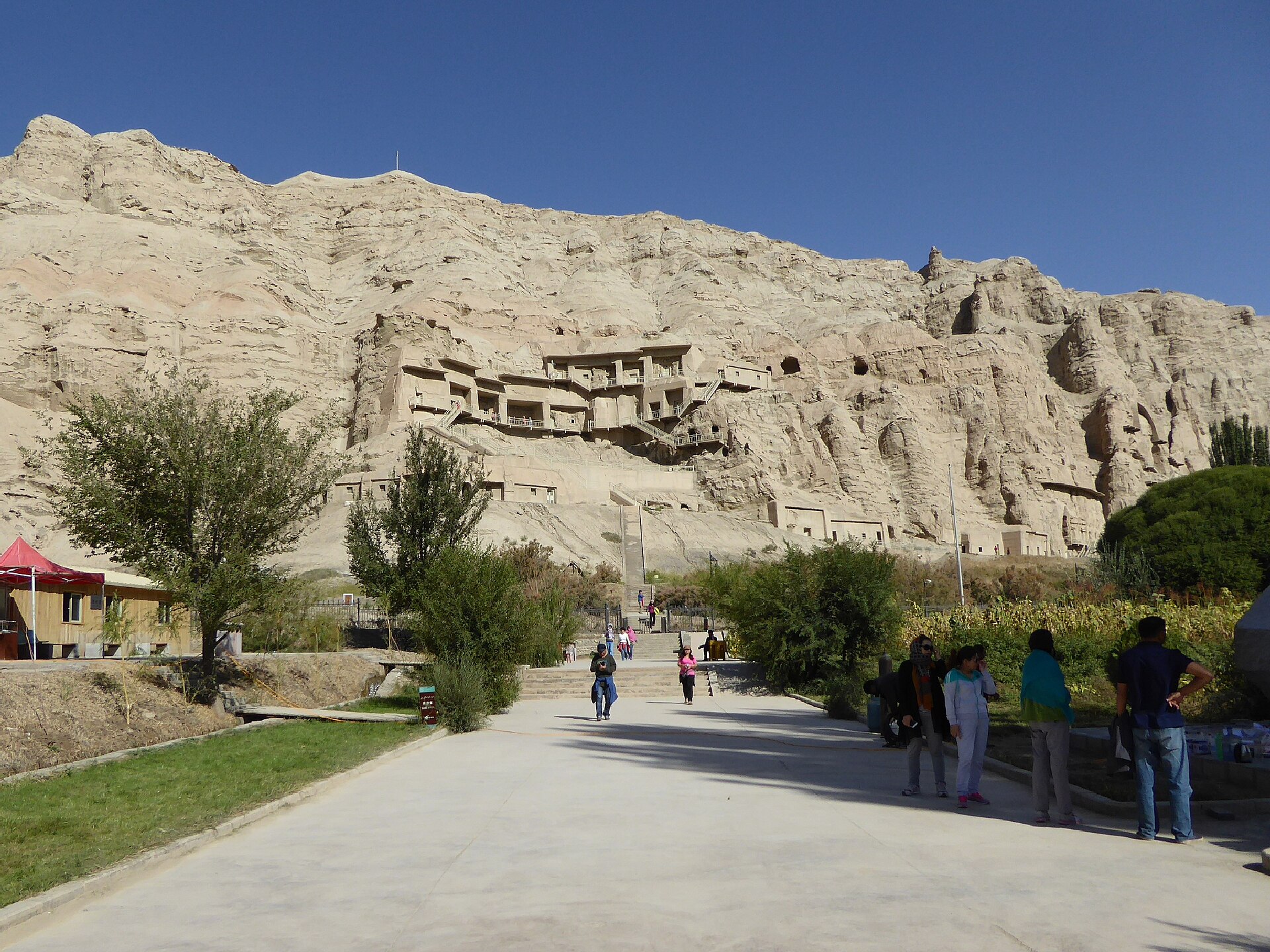
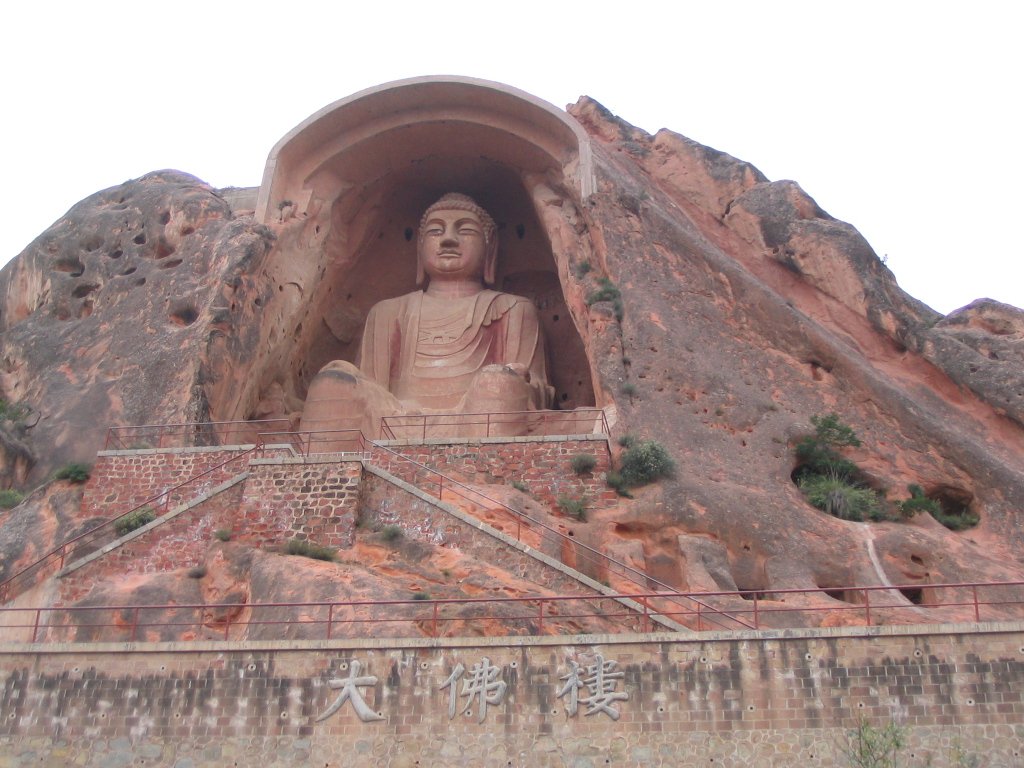
The Great Buddha is only the largest element of a much bigger sculptural gallery. In all, the cliff carries some 130 grottoes and 446 niches holding more than 1,980 statues, strung along roughly 400 metres of rock. Surveyors divide the ensemble into four groups: the Great Buddha Cave itself; the Thousand Buddha Cave (Qianfo), packed with rows of small seated Buddhas; the Arhat Cave, devoted to the Buddha’s enlightened disciples; and the Zhangba Buddha Grotto.
Together these caves preserve a dense record of medieval Chinese devotional art — Buddhas, bodhisattvas, guardian figures and thousands of miniature images commissioned by monks, officials and ordinary pilgrims. The programme recalls the great cave-temple sites elsewhere in China, from the Yungang Grottoes of the earlier Northern Wei to the Silk Road sanctuaries of the Bingling Temple Grottoes, and it ranks among the most significant Buddhist historical places in China.
Carving Across the Dynasties
Although the Tang gave the site its colossus, work on the cliff did not begin in 628. The earliest carving reaches back to the fifth century, in the Northern and Southern Dynasties period, when Buddhism was spreading rapidly through northern China. Activity intensified under the Tang, when emperors actively promoted the faith, and the site continued to be repaired and enlarged under the Song, Yuan, Ming and Qing dynasties.
That long sequence is exactly what gives the grottoes their value to historians: they capture the transmission of Buddhist sculptural styles from the Central Plains into the Guanzhong basin across more than a thousand years. Comparable continuity can be traced at other Chinese Buddhist sites, such as the Yanxia Cave carvings at Hangzhou, where successive generations added to an inherited sacred space rather than starting anew.
Why is the Great Buddha Temple a UNESCO World Heritage Site?
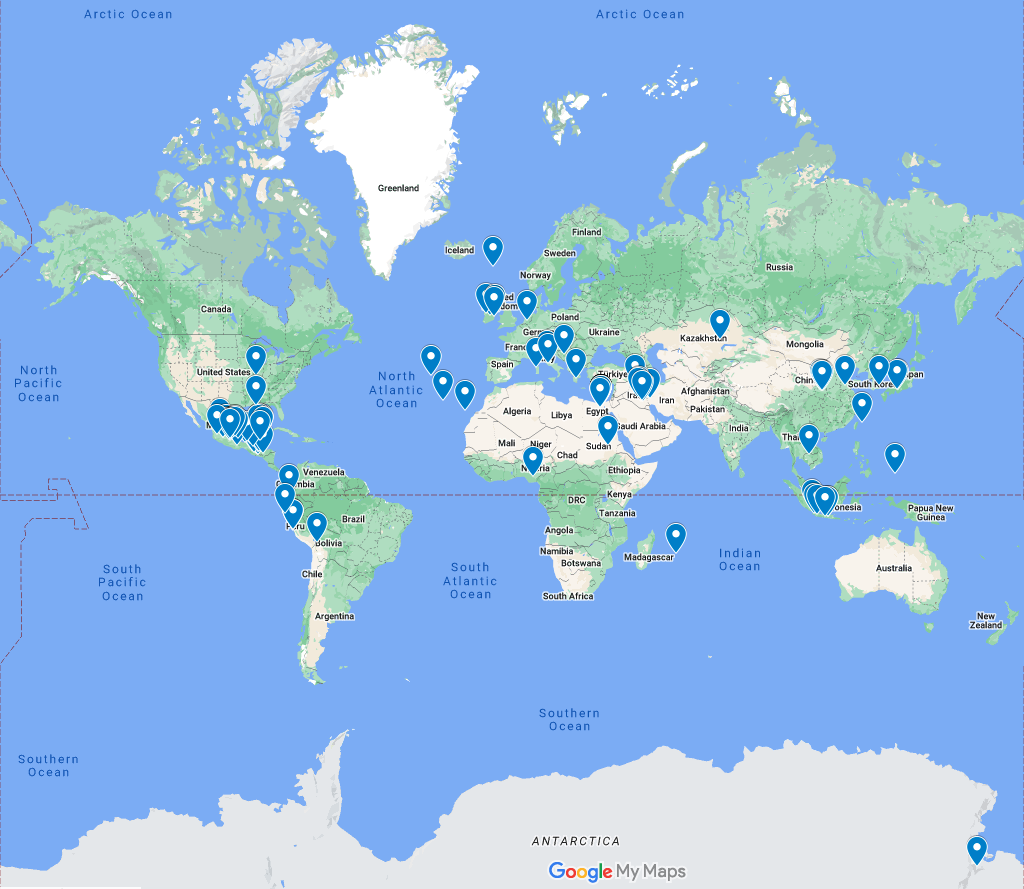
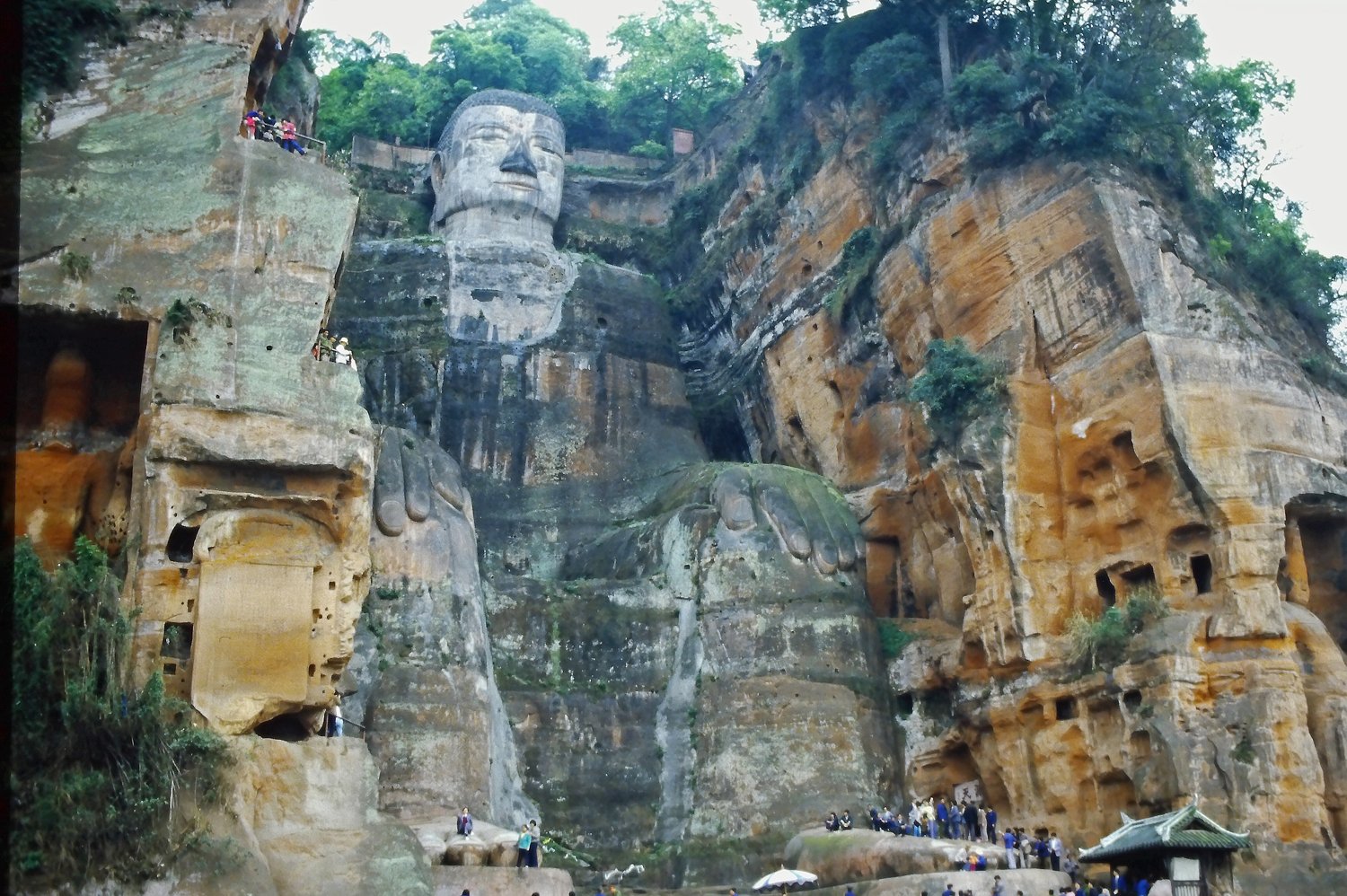
On 22 June 2014, at the 38th session of the World Heritage Committee in Doha, the Great Buddha Temple grottoes were inscribed on the UNESCO World Heritage List. They were not listed alone: the temple is one component of the vast transnational serial property “Silk Roads: the Routes Network of Chang’an–Tianshan Corridor,” a single World Heritage Site made up of thirty-three separate places spread across China, Kazakhstan and Kyrgyzstan.
Within that network, the Bin County grottoes stand for the way Buddhist art and belief travelled the Silk Road and took root near the Tang capital. As one of the finest surviving concentrations of Tang carving in the Chang’an region, the temple documents the flowering of Central Plains Buddhist sculpture at the height of medieval Chinese culture — the reason it earned a place on the list alongside more famous stops on the same road.
Frequently Asked Questions
When was the Binxian Great Buddha Temple built?
The temple was founded in 628 CE by Emperor Taizong (Li Shimin), the second ruler of the Tang dynasty, and was originally named Qingshou — “Celebrating Longevity” — Temple. Carving on the cliff had in fact begun earlier, in the fifth century during the Northern and Southern Dynasties, but it was Tang imperial patronage that produced the colossal Buddha and the main body of the grottoes. Work continued through the Song, Yuan, Ming and Qing dynasties.
How tall is the Bin County Great Buddha?
The central statue is a seated Amitabha Buddha roughly 20 metres high, with shoulders about 13 metres wide, carved leaning against the back wall of the Great Buddha Grotto. It is the largest Buddhist statue of the Tang dynasty in the region around Chang’an (modern Xi’an). The Buddha is flanked by two colossal bodhisattvas, Avalokiteshvara and Mahasthamaprapta, forming the grouping known as the Three Saints of the West.
Is the Great Buddha Temple the same as Zhangye’s Dafo Temple?
No. Both are called “Dafo Si,” or Great Buddha Temple, because each is named for a giant Buddha image, but they are entirely separate monuments. The Bin County temple in Shaanxi is a Tang-dynasty complex built around a 20-metre seated Amitabha, and it is a UNESCO Silk Road site. The Dafo Temple at Zhangye in Gansu is a later Western Xia foundation of about 1098 CE, famous instead for one of China’s largest reclining wooden Buddhas.
Sources and Further Reading
- China.org.cn, “Giant Buddha Temple Grotto in Bin county”
- GoGrandChina, “Binxian Great Buddha Temple travel guide”
- World History Encyclopedia, “Tang Dynasty”
- World History Encyclopedia, “Silk Road”
- Wikipedia, “Silk Road”

Neural Pathways is a collective of seasoned experts and researchers with a profound passion for unraveling the enigmas of ancient history and artifacts. With a wealth of combined experience spanning decades, Neural Pathways has established itself as a leading voice in the realm of archaeological exploration and interpretation.