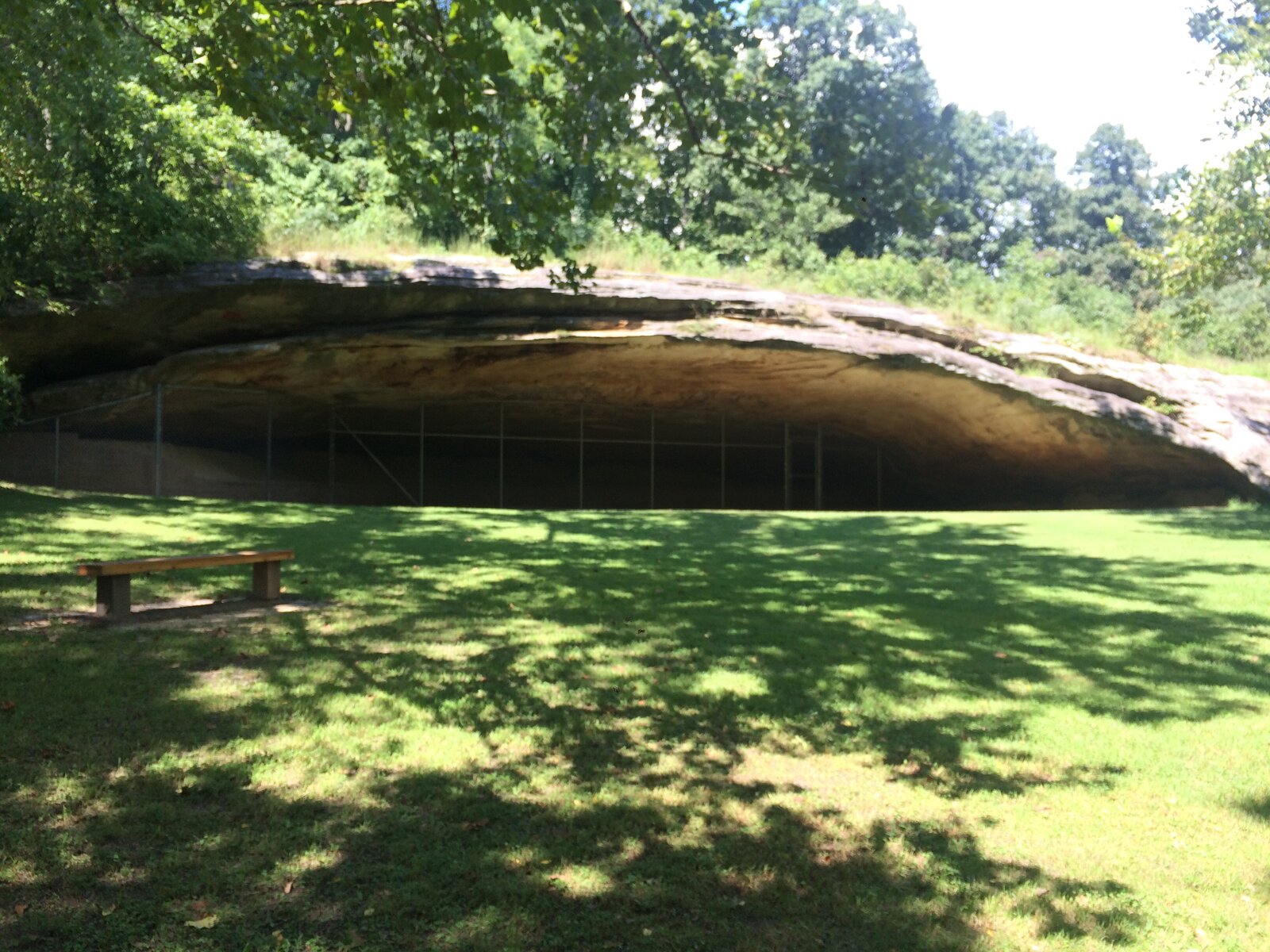
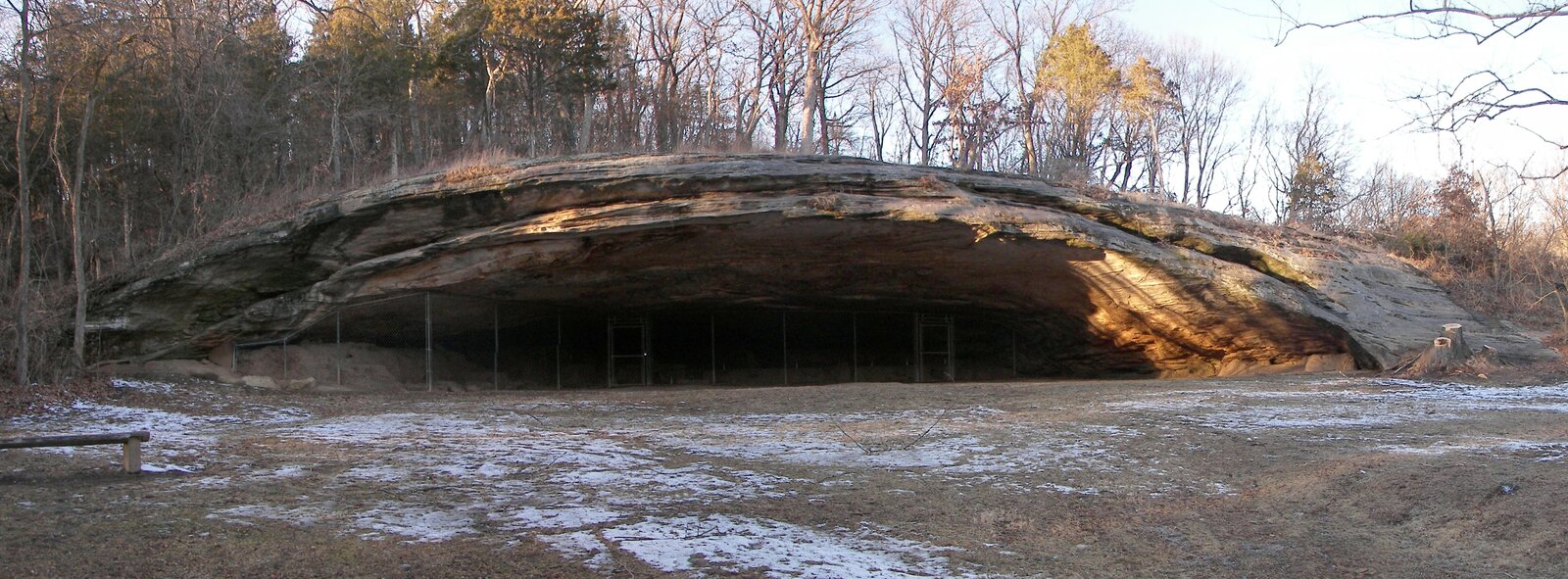
Graham Cave is a sandstone rock shelter in Montgomery County, Missouri, that holds one of North America’s most complete records of early human life. People sheltered beneath its broad arch from the Dalton period around 8000 BC through the long Archaic era that followed. In 1961 it became the first archaeological site in the United States to be named a National Historic Landmark, an honour earned by the depth and clarity of the layers preserved on its floor.
Where Is Graham Cave?
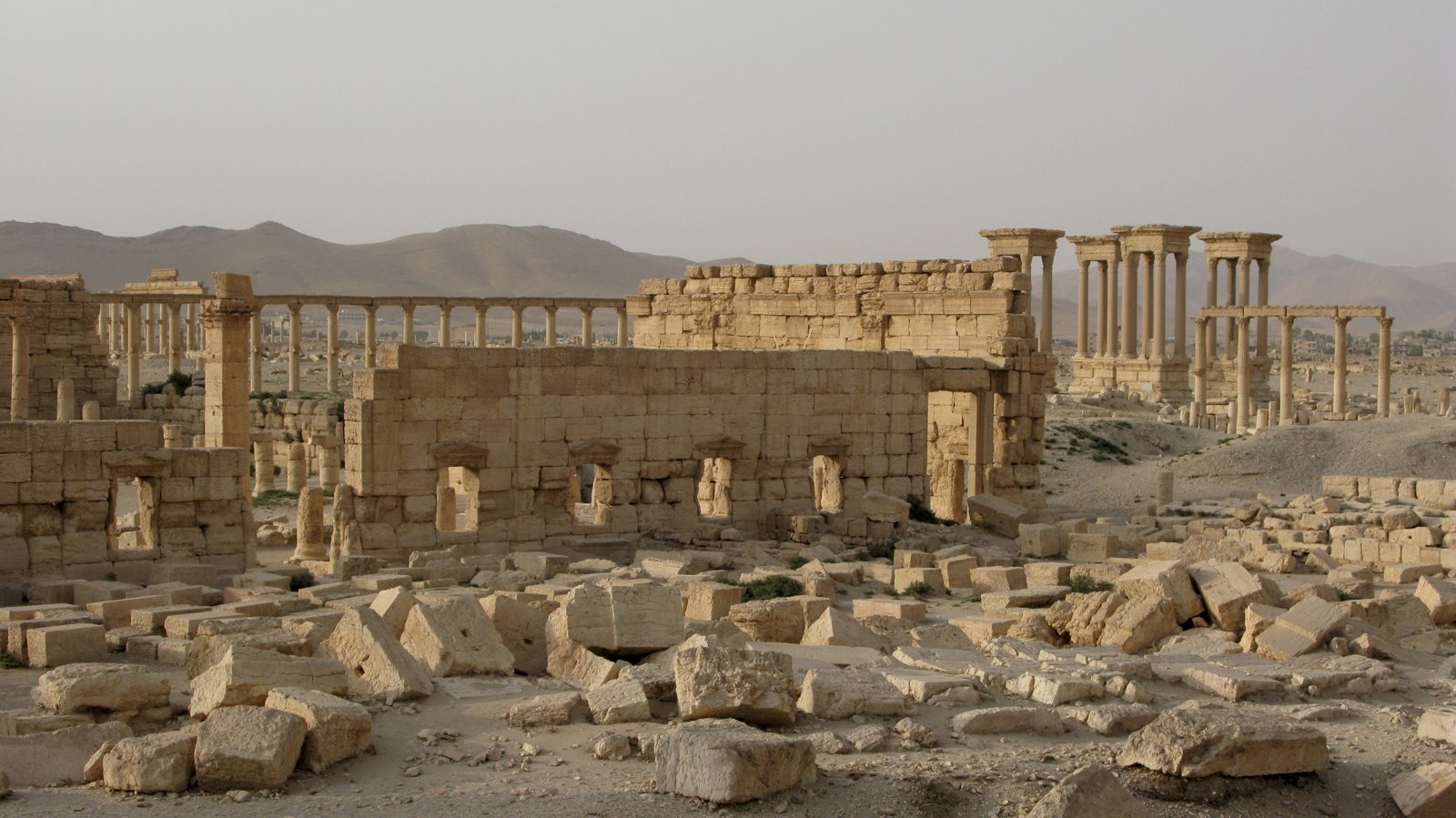
Graham Cave lies in the hills above the Loutre River near Mineola, in Montgomery County, Missouri, inside the 356-acre Graham Cave State Park. The shelter reaches roughly 100 feet (30 m) into the hillside. It formed at the contact between Jefferson City dolomite and the overlying St. Peter sandstone; water seeping and freezing along that junction slowly hollowed out the recess over geological time. The wide mouth and dry, protected interior made the cave valuable to people for thousands of years, much the way the layered floor of Theopetra Cave served successive groups in Greece.
From Daniel Boone’s Frontier to the Graham Family Farm
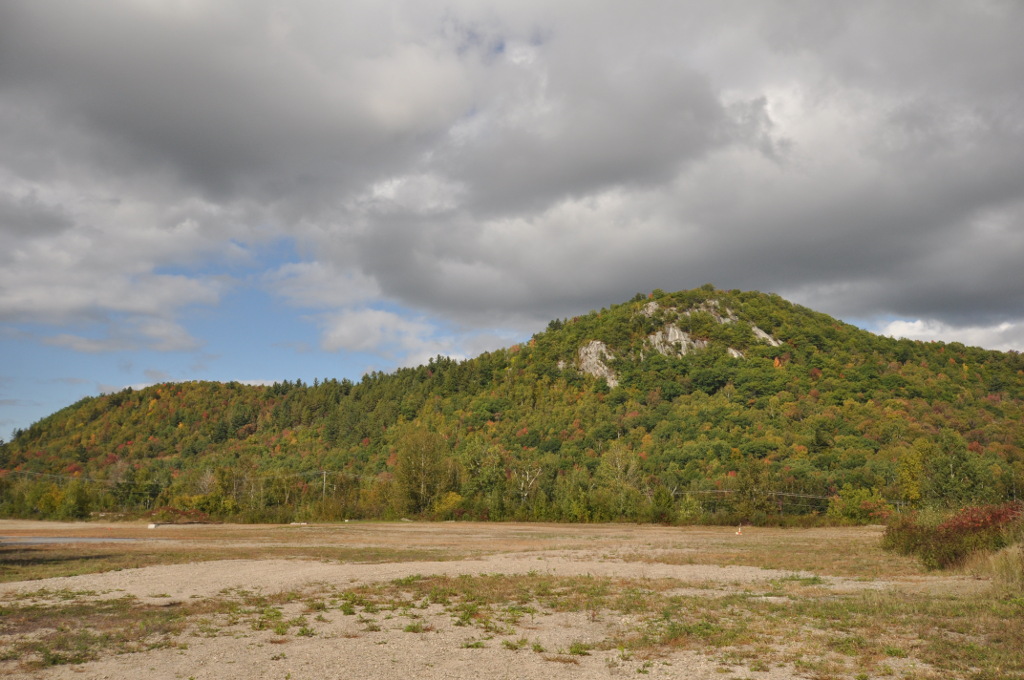
The cave takes its name from the Graham family. Robert Graham reached the area in 1816, buying bottomland from one of Daniel Boone’s sons, and acquired the property that included the cave in 1847. For decades the shelter served humble ends: Graham’s son, D. F. Graham, penned hogs inside it and, noticing the worked stone and bone turning up underfoot, grew curious about the artifacts. That curiosity eventually carried the site into the scientific record. After D. F. Graham’s death, his son Benjamin offered the family’s collection to the University of Missouri, which made its first investigation of the cave in 1930. The same stretch of Missouri preserved other deep-time evidence, including the Ice Age bones and tools at the Mastodon State Historic Site.
The 1949–1961 Excavations That Built the Timeline
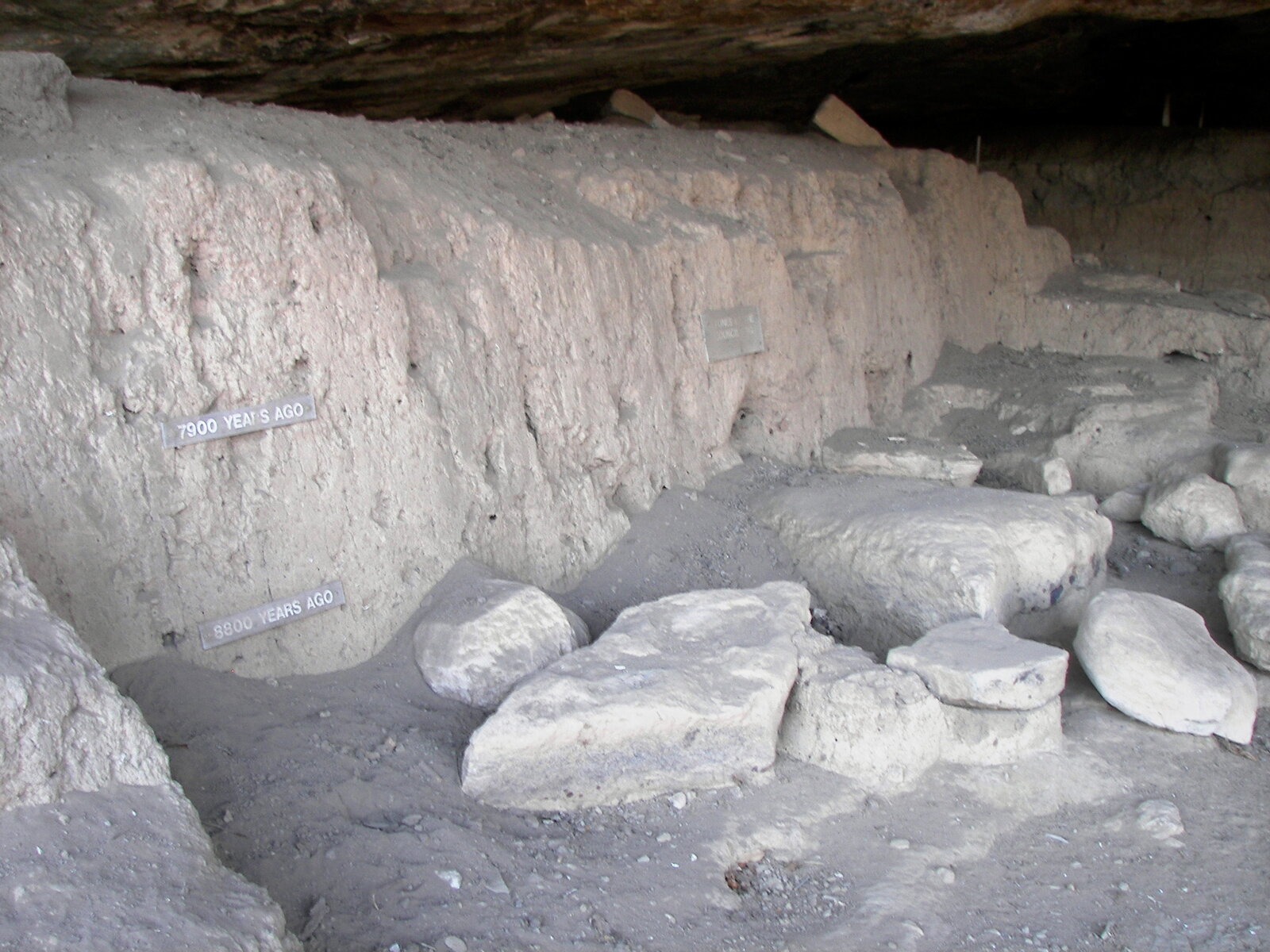
Systematic work began two decades after that first look. Between 1949 and 1961, crews from the University of Missouri and the Missouri Archaeological Society excavated the cave floor layer by layer. They exposed a deep, well-stratified deposit in which the lowest levels held the oldest tools, with later occupations stacked cleanly above them. Radiocarbon dates placed the earliest use in the early Holocene, roughly 10,000 years ago. This unusually clear sequence let researchers follow the shift from the Dalton culture into the Archaic period within a single site — the kind of stacked, readable record more often associated with European caves such as El Castillo Cave.
Who Dug at Graham Cave?
The principal investigators were Wilfred D. Logan and Carl H. Chapman, working through the University of Missouri and the Missouri Archaeological Society during the 1949–61 campaigns. Archaeologist Walter Klippel returned for further excavation in 1967 and 1968. Together their work turned a hog shelter into a reference sequence for the Midwest, documenting how tool styles, diet and the use of the cave changed across thousands of years.
What Did the Dalton and Archaic People Leave Behind?
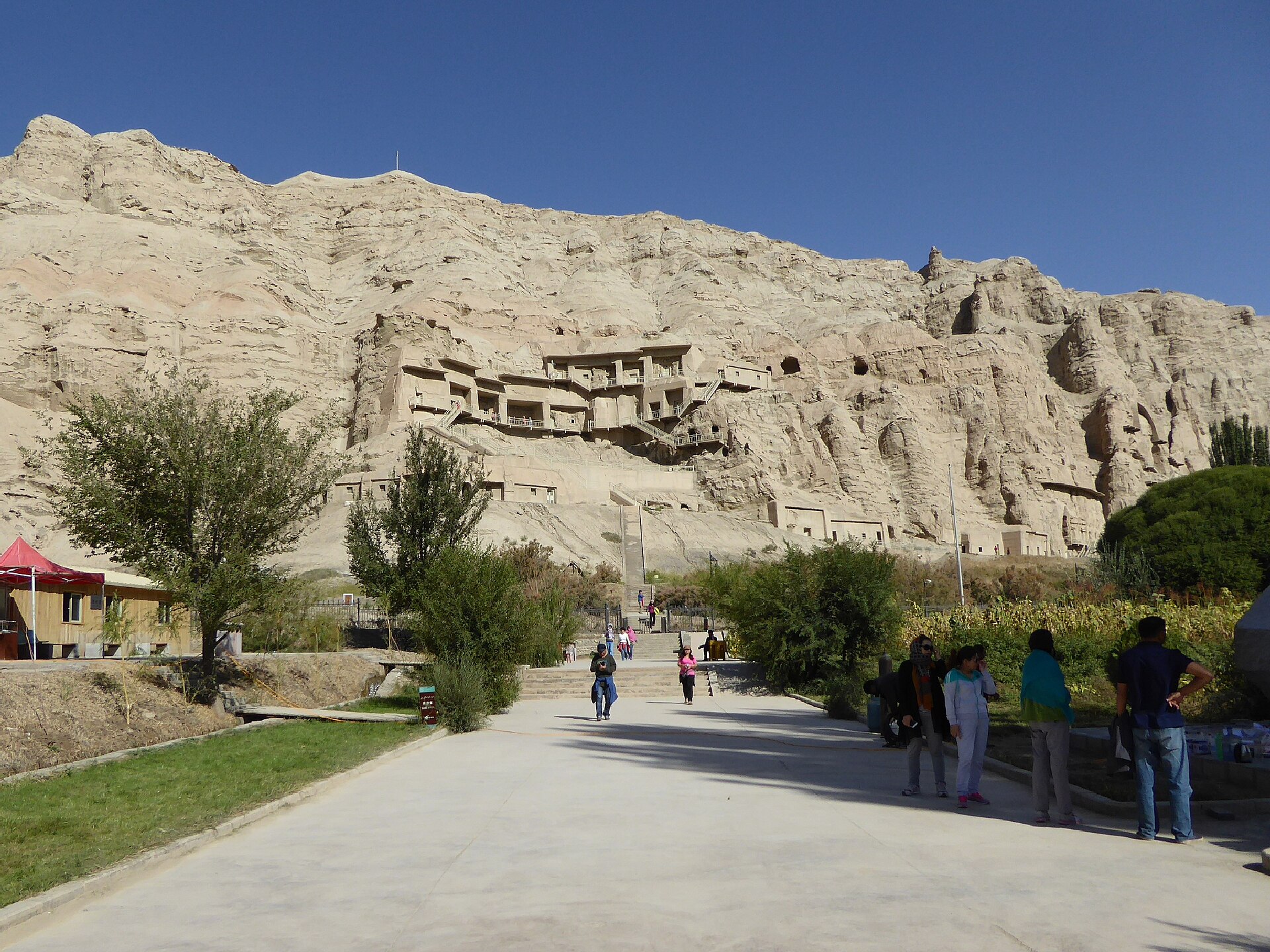
The floor preserved the working kit of hunter-gatherers: chipped-stone projectile points, scrapers and knives, grinding stones, animal bone, charcoal from hearths, and plant remains that reveal what they ate. The site is the namesake of a distinctive artifact — the Graham Cave Notched point, also called the Graham Cave Side-Notched point, a broad side-notched dart tip of the Early Archaic dated to roughly 10,000 to 7,500 years ago. These people raised no monuments; their importance lies in the ordinary detail of daily life and in how completely the cave kept it. It is a record comparable in patience, if not in imagery, to North American rock-art sites such as Black Dragon Canyon.
Why Was Graham Cave the First Archaeological National Historic Landmark?
The National Historic Landmark program recognises places of exceptional national significance. When archaeological sites were first added, Graham Cave — designated in 1961 — led the list, becoming the first archaeological site in the United States to receive the honour. The distinction rewarded its rare combination of depth, datable stratigraphy and a continuous record of the Dalton-to-Archaic transition. It joined a widening roster of protected Native American places, from the Ocmulgee Mounds in Georgia to dozens of historical places that together map the deep human past of the continent.
Visiting Graham Cave State Park Today
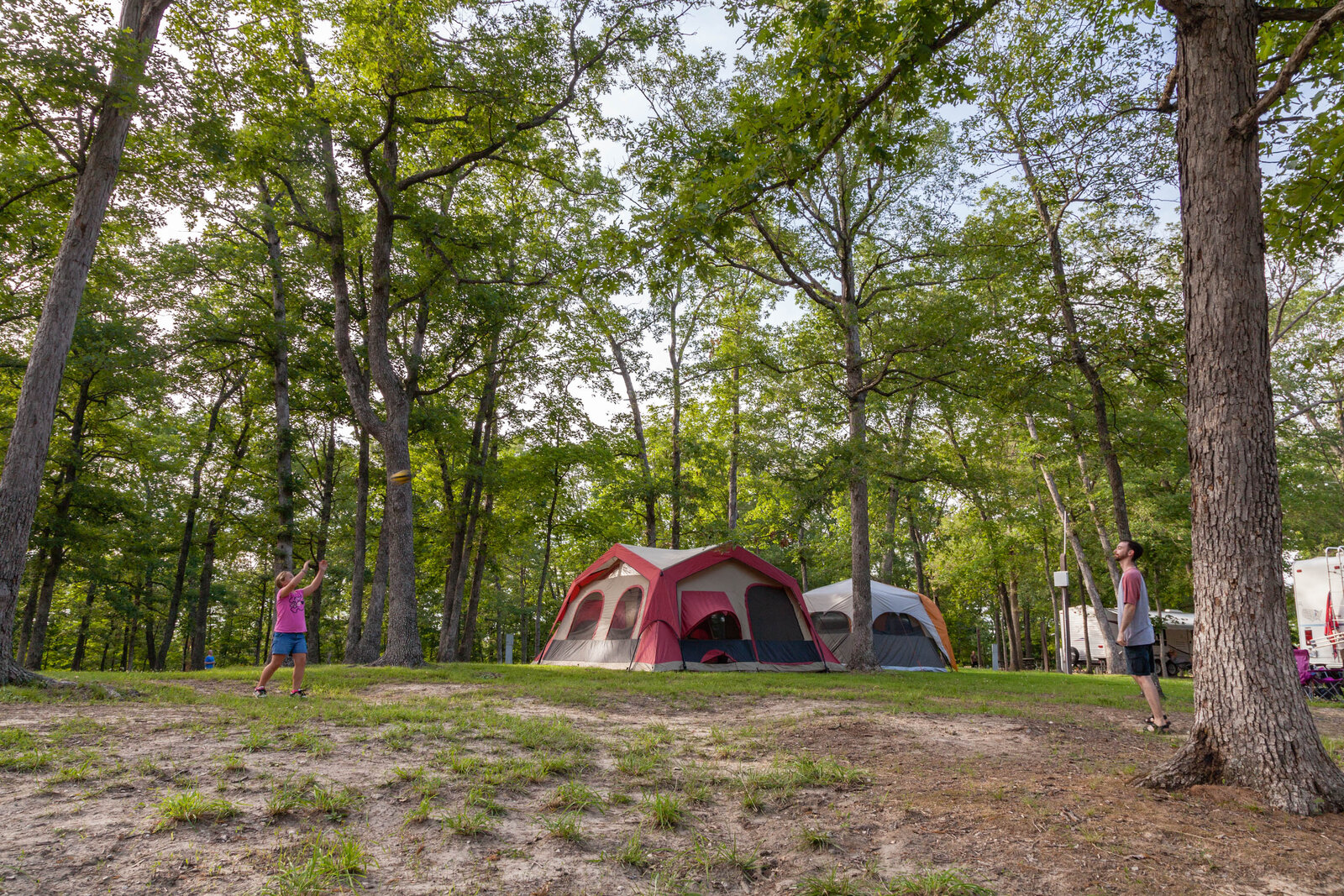
Frances Graham Darnell donated the cave and the surrounding land to the state of Missouri in 1964, creating Graham Cave State Park. The 356-acre park sits along the Loutre River, and a short trail and boardwalk lead up to the great sandstone arch. The cave mouth is fenced to protect the fragile deposits beneath it, but visitors can stand before the same overhang that sheltered people for ten millennia, and the park adds hiking, picnicking and riverside camping.
Sources and Further Reading
- Graham Cave — Wikipedia
- Archaic culture — Encyclopædia Britannica
- Archaic Period — World History Encyclopedia
- Graham Cave State Park — Missouri State Parks
- Graham Cave Side-Notched point — ProjectilePoints.net