
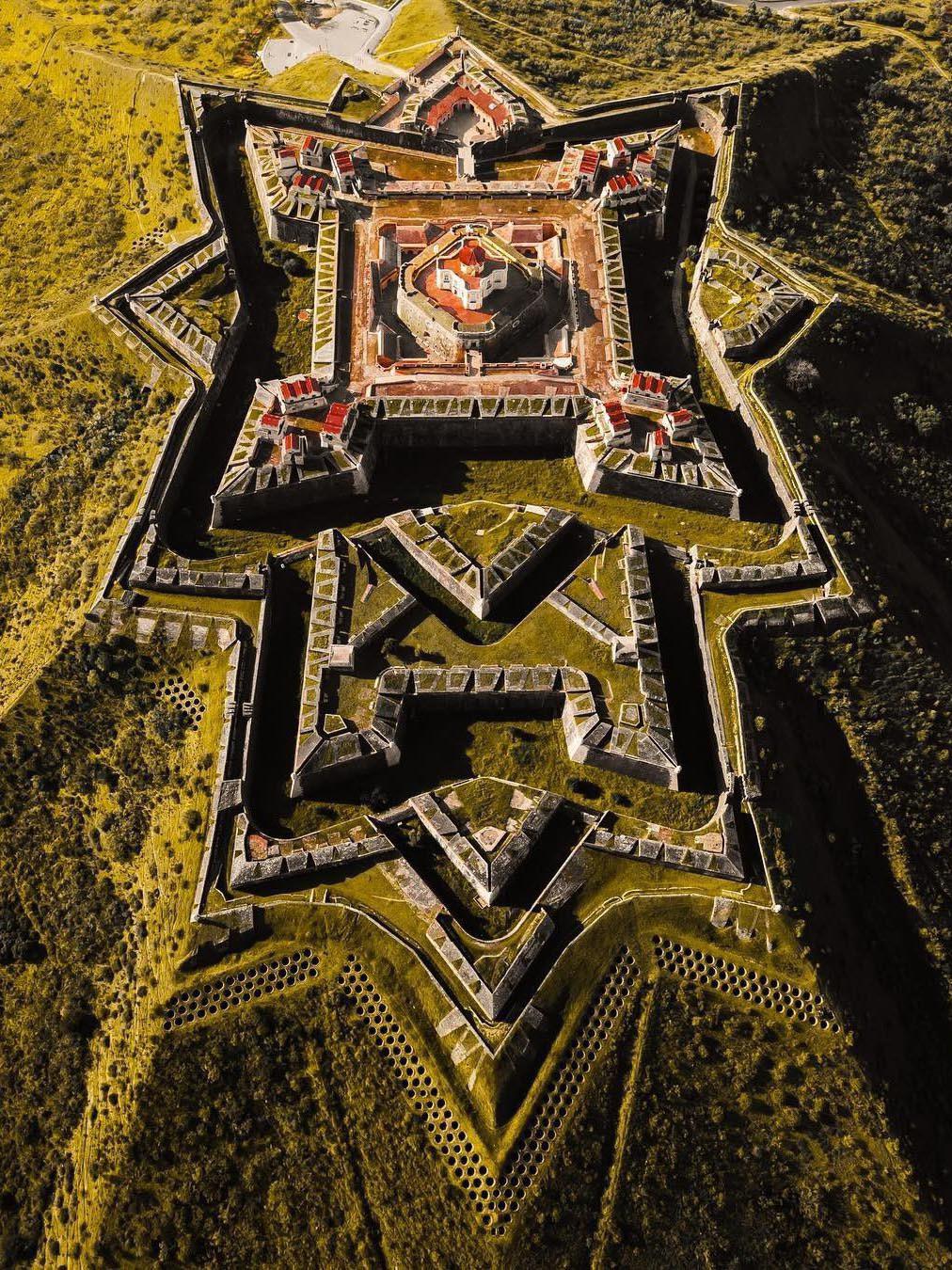
Forte de Nossa Senhora da Graça stands as a beacon of history, prominently overlooking the town of Elvas in Portugal. It exemplifies military architecture from the 18th century and is a key example of a fortification from this period. The fort’s robust design and strategic location have safeguarded the region for centuries. This role in defending the Portuguese frontier has made it a significant national monument. Its well-preserved nature offers a window into the historical military strategies used in Europe. Today, this site captivates visitors worldwide, eager to explore its corridors and learn about its past.
Neural Pathways
Neural Pathways is a collective of seasoned experts and researchers with a profound passion for unraveling the enigmas of ancient history and artifacts. With a wealth of combined experience spanning decades, Neural Pathways has established itself as a leading voice in the realm of archaeological exploration and interpretation.
Our team of researchers and scholars provide unparalleled depth of knowledge in deciphering the intricate narratives embedded within ancient artifacts and deciphering the cultural nuances that shaped civilizations of the past. Through meticulous research, rigorous analysis, and a collaborative spirit, Neural Pathways has made and continues to make significant contributions to our understanding of the human past.
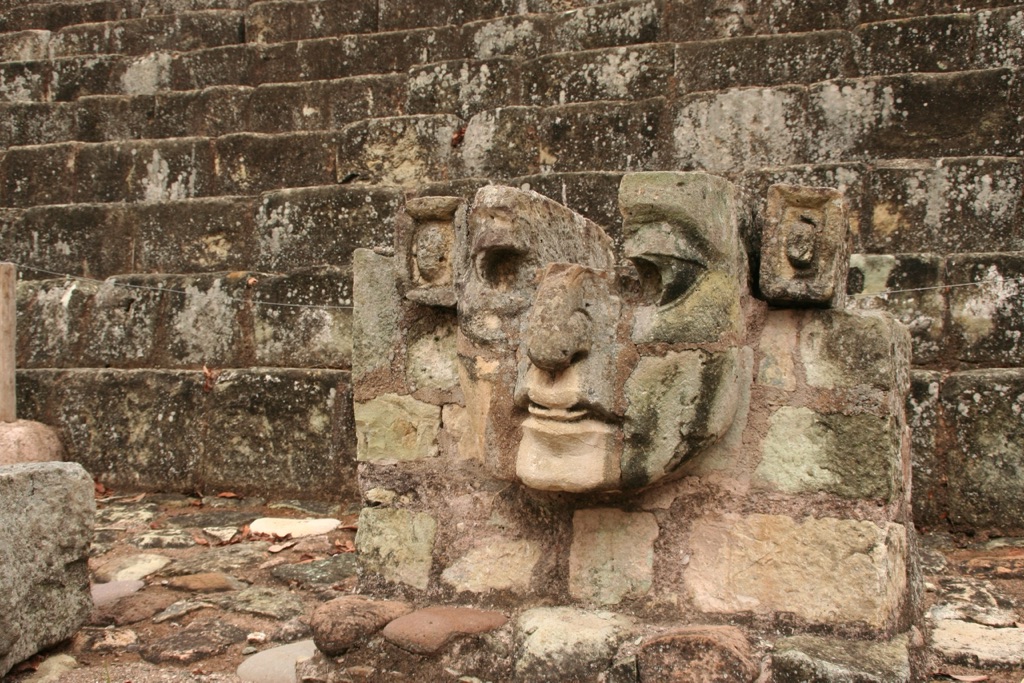
Copán
Nestled in the lush valleys of western Honduras, Copán stands as one of the most significant remnants of the Maya civilization. Known for its monumental structures, intricately carved stelae, and advanced hieroglyphic script, Copán offers an immersive glimpse into ancient history. Visitors marvel at the Acropolis and the grandiose hieroglyphic stairway that tells a dynastic story. As a UNESCO World Heritage Site, Copán showcases the ingenuity of Mayan astronomy, mathematics, and writing systems, attracting scholars and travelers worldwide.
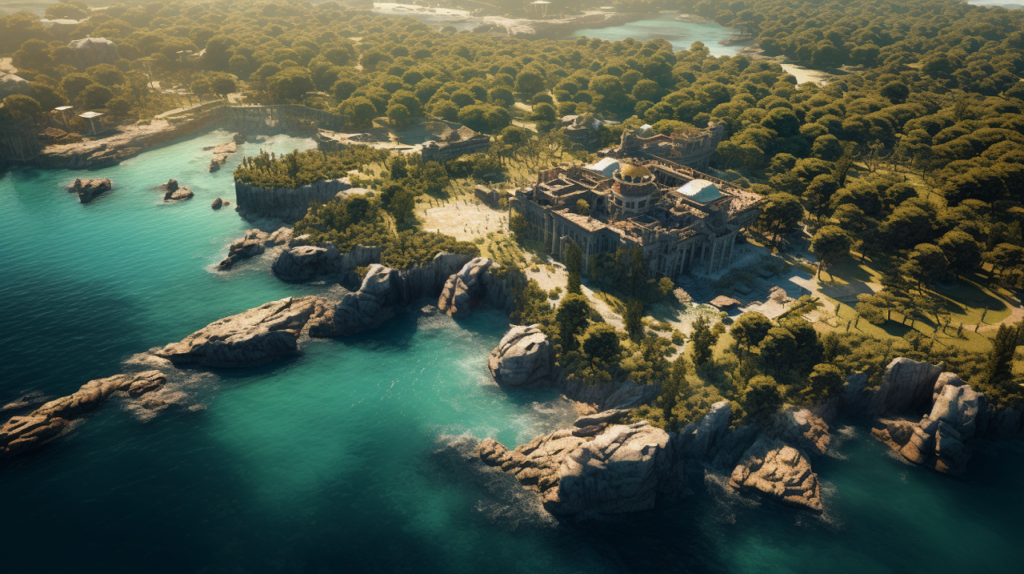
The Location of the Lost City of Atlantis
The quest to locate the lost city of Atlantis finds its root in the works of Plato. His dialogues ‘Timaeus’ and ‘Critias’ introduce a thriving civilization on a large island. The land laid near what he called the “Pillars of Hercules,” nowadays known as the Strait of Gibraltar.
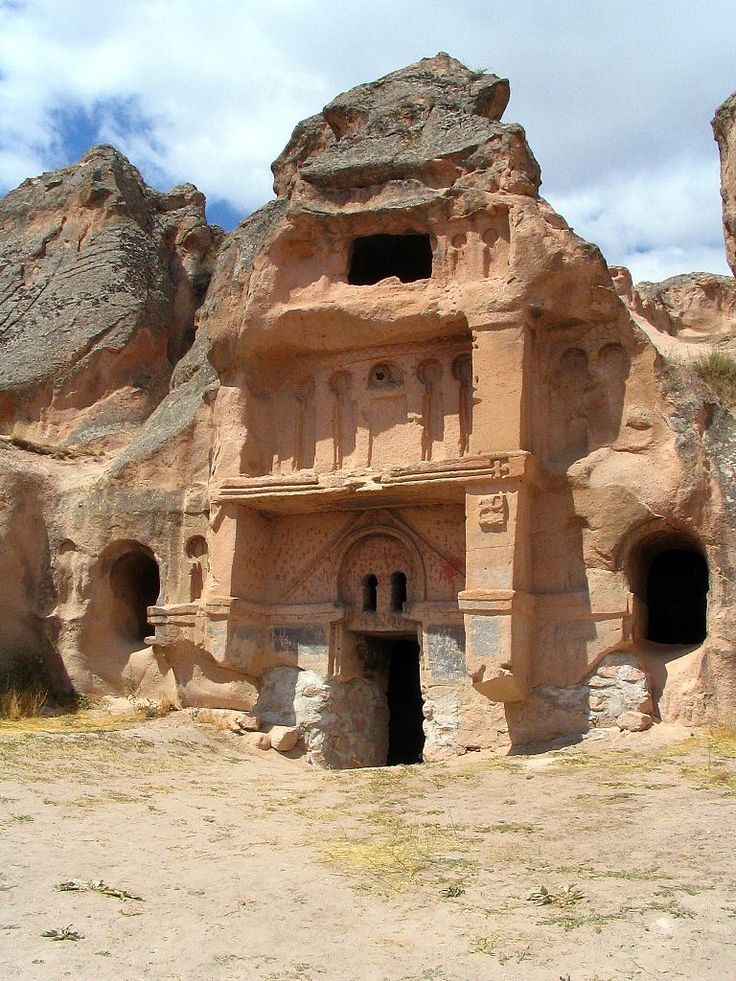
Byzantine Chapel of Açik Saray
The Byzantine Chapel of Açik Saray stands as a testament to the rich tapestry of history in the Cappadocia region of Turkey. Once a thriving epicenter of culture and spiritual life, this ancient chapel captures the essence of Byzantine artistry. Its walls, adorned with frescoes, tell stories from a time where religion and daily life were deeply intertwined. Visitors to the site are transported back to the Middle Byzantine period, getting a glimpse of the religious fervor and creativity that shaped the early Christian era.
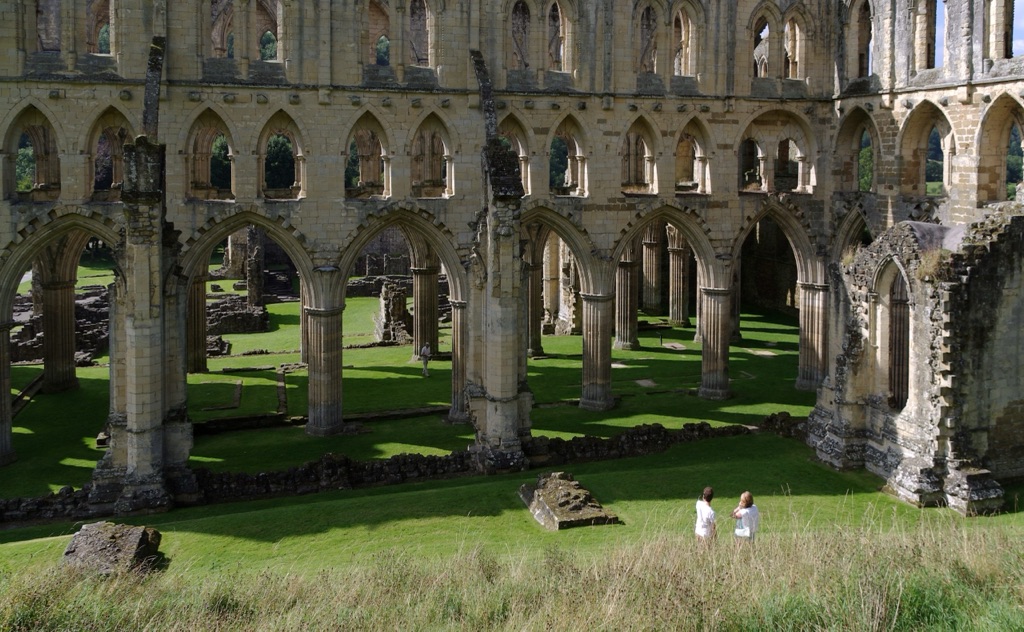
Rievaulx Abbey Ruins in England
As one of the first Cistercian abbeys in England, Rievaulx Abbey boasts a storied past that stretches back to its founding in 1132. Nestled in the tranquil Rye Valley, near the town of Helmsley in North Yorkshire, this historical site has captured visitors’ imaginations for centuries. Rievaulx Abbey flourished through the Middle Ages, becoming one of the wealthiest monasteries in Britain.
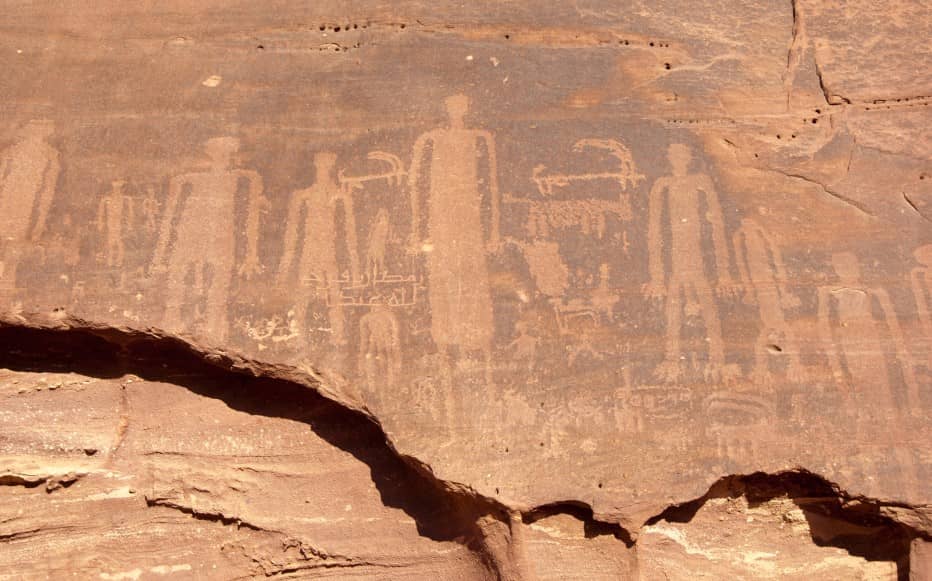
Al-Ula Petroglyphs
Al-Ula, a site of profound historical significance in Saudi Arabia, is a treasure trove of petroglyphs that allure historians and tourists alike. Nestled in the heart of the Arabian Desert, this ancient locale offers a window into the past through its enigmatic rock art. The petroglyphs at Al-Ula are more than mere markings; they narrate stories of civilizations long gone and provide insights into prehistoric life. From camels to hunters, the range of depicted subjects is diverse, laying out a pictorial record of human activity over the millennia. These intricate carvings serve as a testament to the rich cultural heritage of the region and underscore the necessity of preserving such invaluable human expression.