
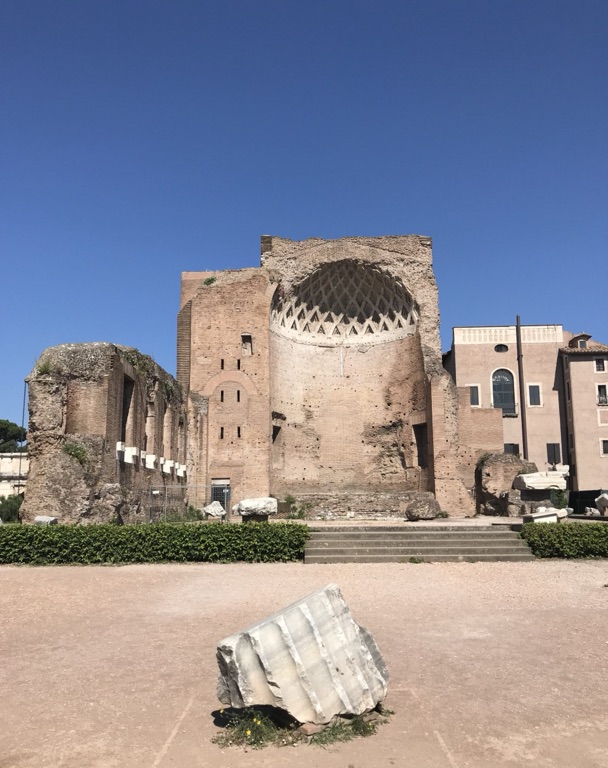
Nestled in the heart of Rome, The Temple of Venus and Roma stands as a majestic testament to ancient Roman architecture and religious life. Built by Emperor Hadrian in the 2nd century AD, this temple was renowned as the largest in Rome, symbolizing the grandeur of the Roman Empire. It honored Venus, the goddess of love and beauty, and Roma, the personification of the city. The temple’s design is remarkable, featuring a double-back-to-back design, with two main chambers facing opposite directions. Its structural ingenuity and immense size continue to captivate visitors and historians alike, embodying a rich cultural heritage that spans millennia.
Neural Pathways
Neural Pathways is a collective of seasoned experts and researchers with a profound passion for unraveling the enigmas of ancient history and artifacts. With a wealth of combined experience spanning decades, Neural Pathways has established itself as a leading voice in the realm of archaeological exploration and interpretation.
Our team of researchers and scholars provide unparalleled depth of knowledge in deciphering the intricate narratives embedded within ancient artifacts and deciphering the cultural nuances that shaped civilizations of the past. Through meticulous research, rigorous analysis, and a collaborative spirit, Neural Pathways has made and continues to make significant contributions to our understanding of the human past.
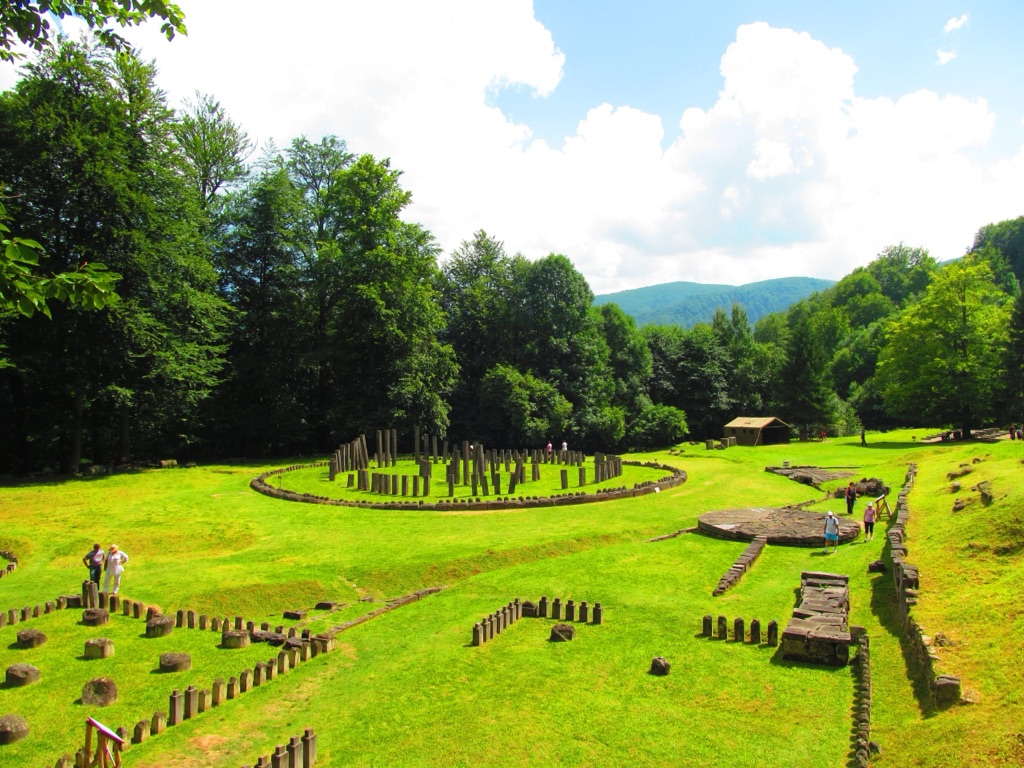
Sarmizegetusa Regia
Sarmizegetusa Regia was the capital and the most important military, religious, and political center of the Dacian kingdom, predating the Roman conquest. Nestled in the towering peaks of the Orastie Mountains, this formidable fortress showcases advanced engineering and architectural skills of the Dacians. Its complex network of fortifications, sanctuaries, and residential areas paint a vivid picture of a rich and powerful society. Even today, visitors are drawn to the remaining stone structures that speak of a history steeped in mystery and prowess.
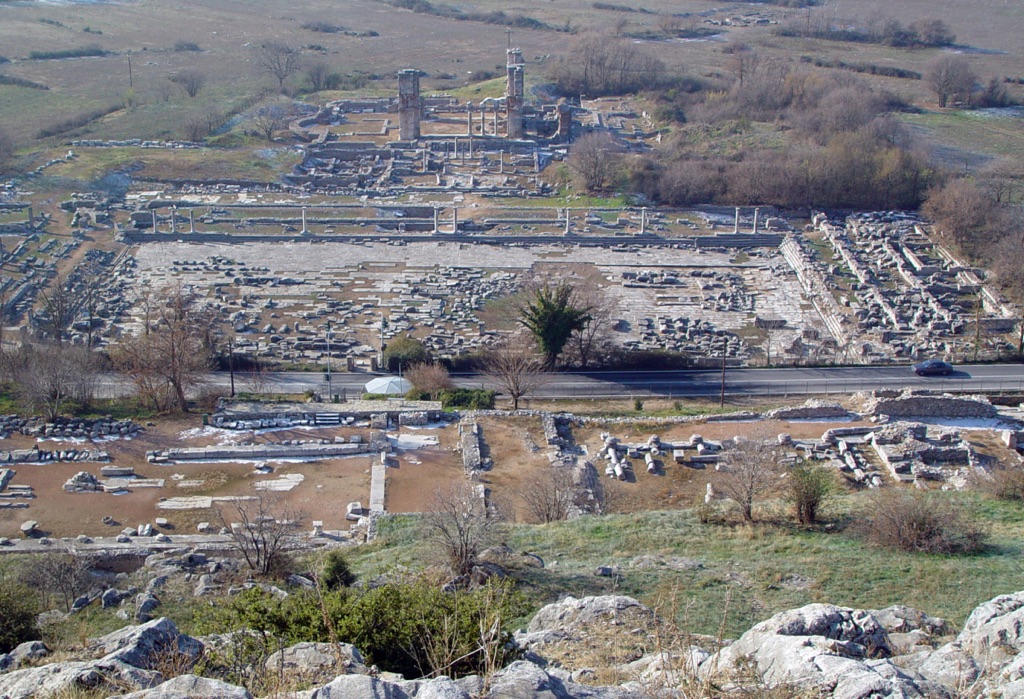
Philippi – The Ancient Greek City
Philippi, a testament to ancient Greek ingenuity, beckons history enthusiasts and casual visitors alike. Found in the Eastern Macedonia region of Greece, this archaeological marvel once showcased the apex of Hellenistic politics and culture. Its illustrious past includes the famous Battle of Philippi, where Octavian and Mark Antony clashed with the assassins of Julius Caesar. Founded by King Philip II of Macedon, Alexander the Great’s father, the city wielded significant influence in its heyday. Its extensive ruins, including a theater, forum, and numerous churches, provide a tangible link to the past. They whisper tales of its time as a bustling center of the Roman empire, later fading into a quiet Byzantine township.
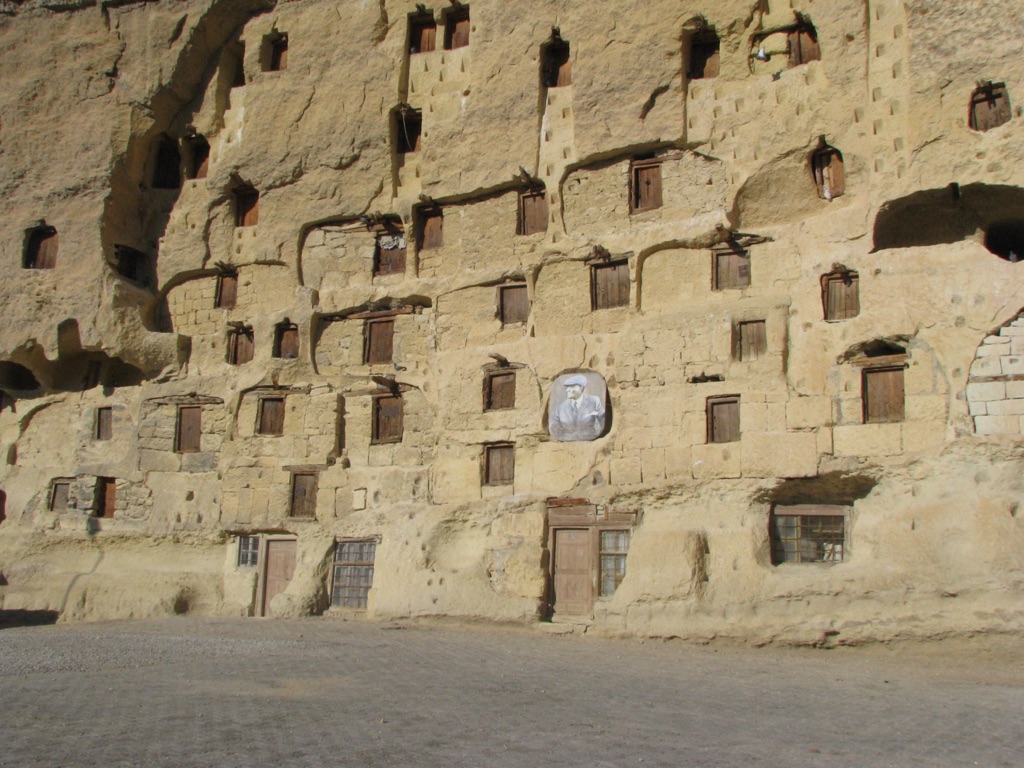
Taşkale in Karaman
Taşkale is a testament to human ingenuity and cultural heritage. Nestled in Turkey’s Karaman province, this historical site boasts ancient grain storage facilities, known as ‘yedi kardesler.’ These remarkable rock-cut granaries date back to the Byzantine era. They tell a story of agricultural practices and communal living from centuries ago. Visitors to Taşkale are struck by the blend of natural beauty and history. The site is a living classroom, showcasing architecture without the use of modern tools. Taşkale not only offers a window into the past but also provides insights into the sustainable use of natural resources.
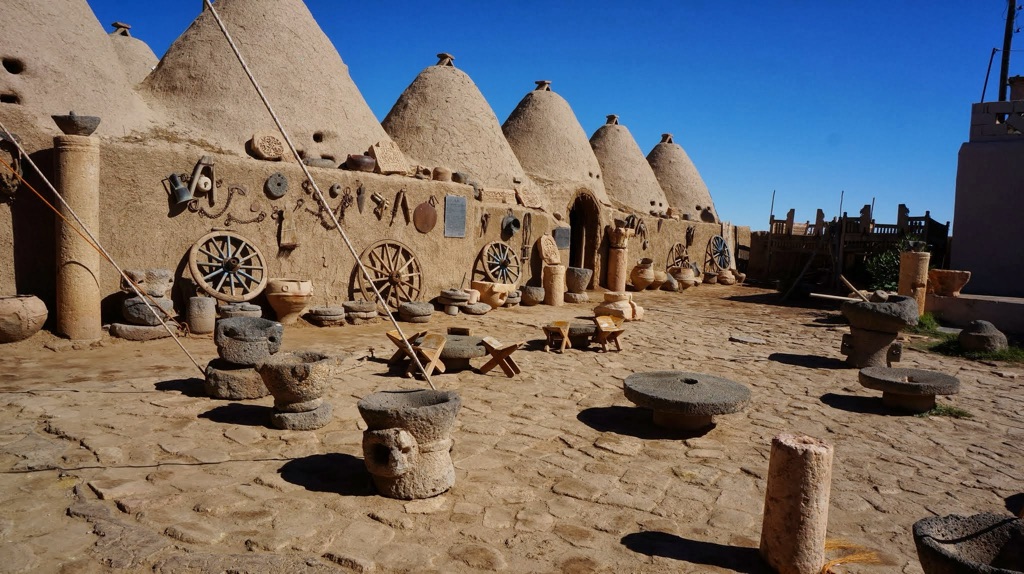
Harran Beehive Houses
Harran’s beehive houses stand as a testament to human ingenuity and adaptation. These unique structures, with their conical domes, have been a feature of the region for centuries. Made from mud bricks, the beehive shape is not just for show. It provides a practical solution to the scorching heat of southeastern Turkey. The design keeps the houses cool in summer and warm in winter. Visiting Harran gives travelers a glimpse into an architectural tradition that has thrived in harmony with nature.
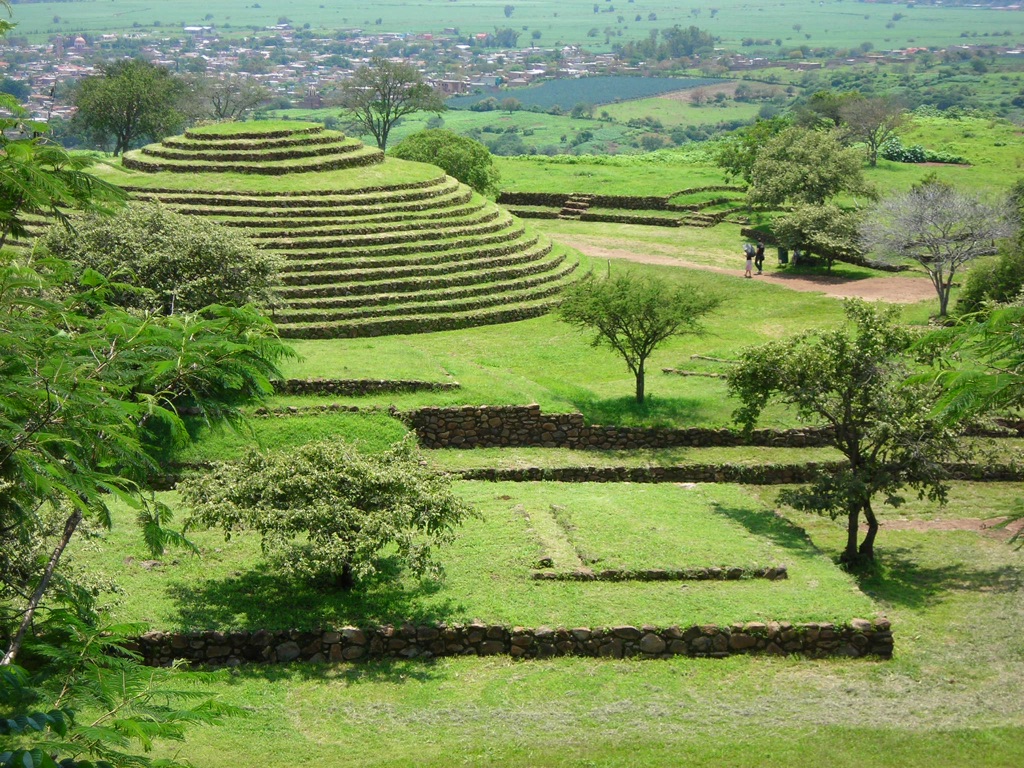
Guachimontones
Guachimontones stands as a testament to the advanced pre-Columbian Teuchitlan tradition. Located in the heart of Jalisco, Mexico, this archaeological wonder captivates visitors with its unique circular stepped pyramids. Unlike any other Mesoamerican architecture, these structures showcase complex societal and religious beliefs. Experts believe they served as ceremonial centers. The site features several of these concentric circles, each with a distinct purpose. The central altars and surrounding platforms suggest a strong community focus on ritualistic activities.