
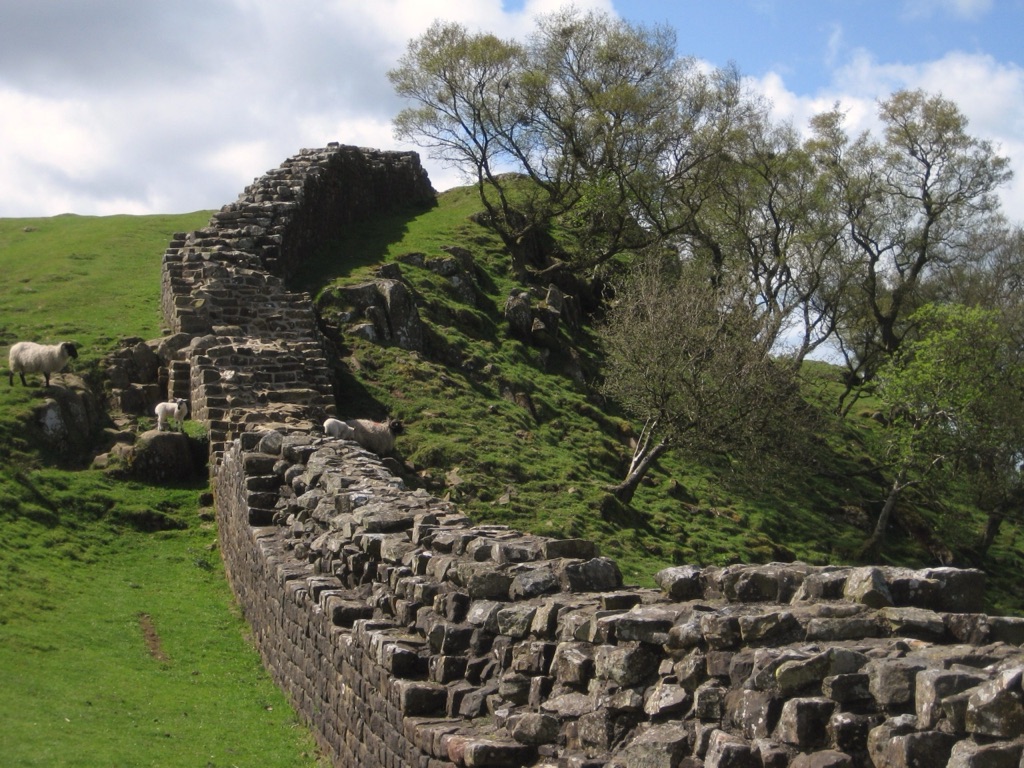
Hadrian’s Wall, named after Emperor Hadrian who commissioned it, is a remarkable historical monument that stretches across the northern frontier of the Roman Empire in Britain. Constructed between AD 122 and 128, the wall spans approximately 73 miles from the east coast to the west coast of Northern England. It served as a military fortification, a symbol of Roman power, and a customs post for controlling trade and immigration. Today, it stands as a testament to the architectural prowess of the Romans and provides valuable insights into their occupation of Britain.
Neural Pathways
Neural Pathways is a collective of seasoned experts and researchers with a profound passion for unraveling the enigmas of ancient history and artifacts. With a wealth of combined experience spanning decades, Neural Pathways has established itself as a leading voice in the realm of archaeological exploration and interpretation.
Our team of researchers and scholars provide unparalleled depth of knowledge in deciphering the intricate narratives embedded within ancient artifacts and deciphering the cultural nuances that shaped civilizations of the past. Through meticulous research, rigorous analysis, and a collaborative spirit, Neural Pathways has made and continues to make significant contributions to our understanding of the human past.
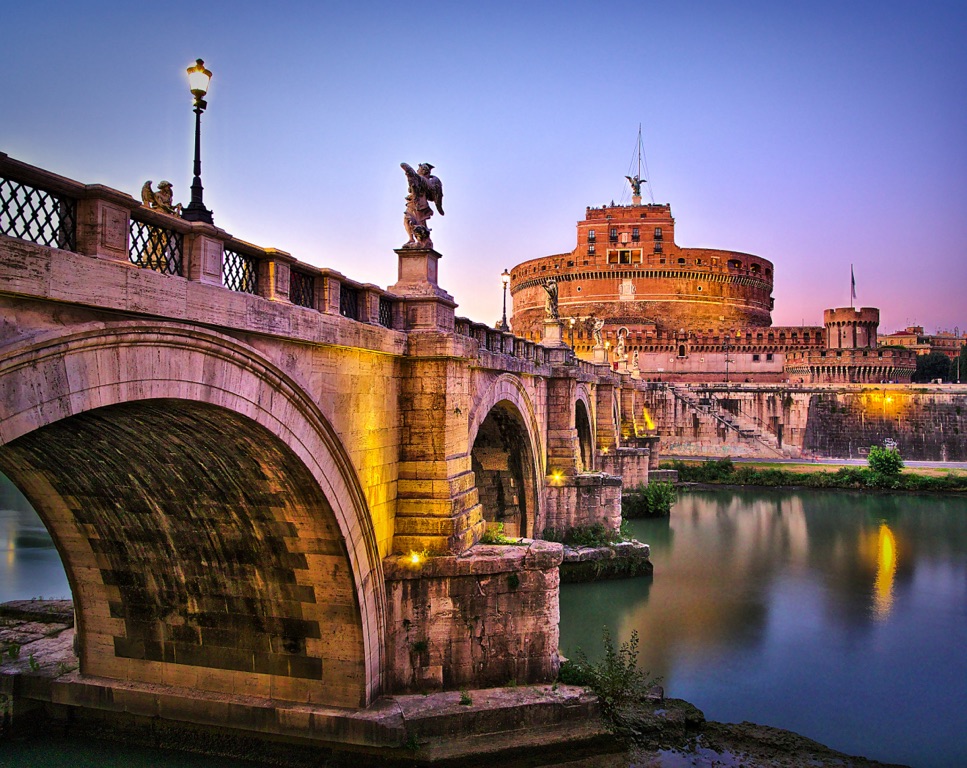
Castel Sant’Angelo
Castel Sant’Angelo, also known as the Mausoleum of Hadrian, is a towering cylindrical building in Parco Adriano, Rome, Italy. It was initially commissioned by the Roman Emperor Hadrian as a mausoleum for himself and his family. The building was later used by the popes as a fortress and castle, and is now a museum. The structure is a significant representation of the architectural prowess of the Roman Empire and has served various purposes throughout its history.
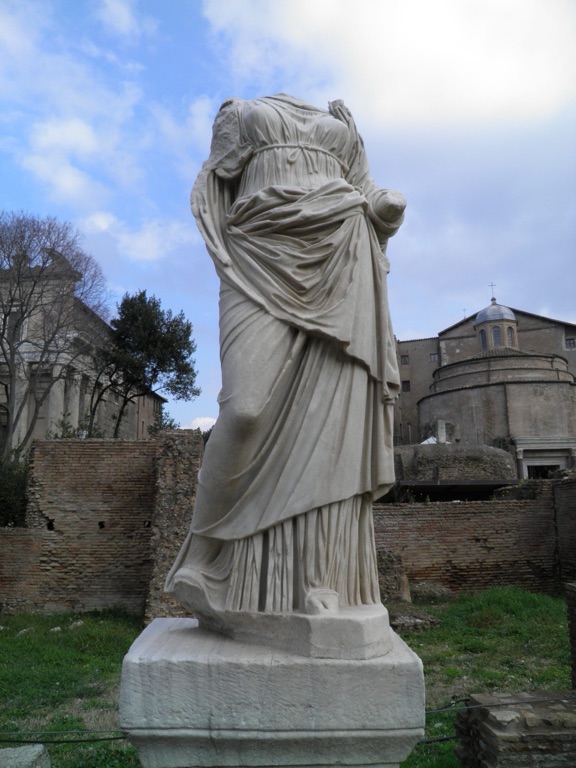
House of the Vestal Virgins
The House of the Vestal Virgins, known as the “Atrium Vestae” in Latin, was a significant location in ancient Rome. Situated in the Roman Forum, it served as the residence for the Vestal Virgins, priestesses of Vesta, the goddess of the hearth. These women held a vital role in Roman society, tasked with maintaining the sacred fire of Vesta. The house, therefore, was not only a place of residence but also a central hub for religious activities. The House of the Vestal Virgins was an impressive complex, reflecting the high status of its inhabitants, and it remains an important archaeological site today.
Odeon of Herodes Atticus
The Odeon of Herodes Atticus, also known as the Herodeon, is a stone theatre structure located on the southwest slope of the Acropolis of Athens, Greece. Built in 161 AD by the Athenian magnate Herodes Atticus in memory of his wife, Aspasia Annia Regilla, it was originally a steep-sloped amphitheater with a three-story stone front wall and a wooden roof, and was used as a venue for music concerts with a capacity of 5,000. Despite its destruction by the Heruli in 267 AD, the Odeon was restored in the 1950s and today, it is a major venue for the Athens Festival, which runs from May to October each year, and hosts musical and theatrical performances.
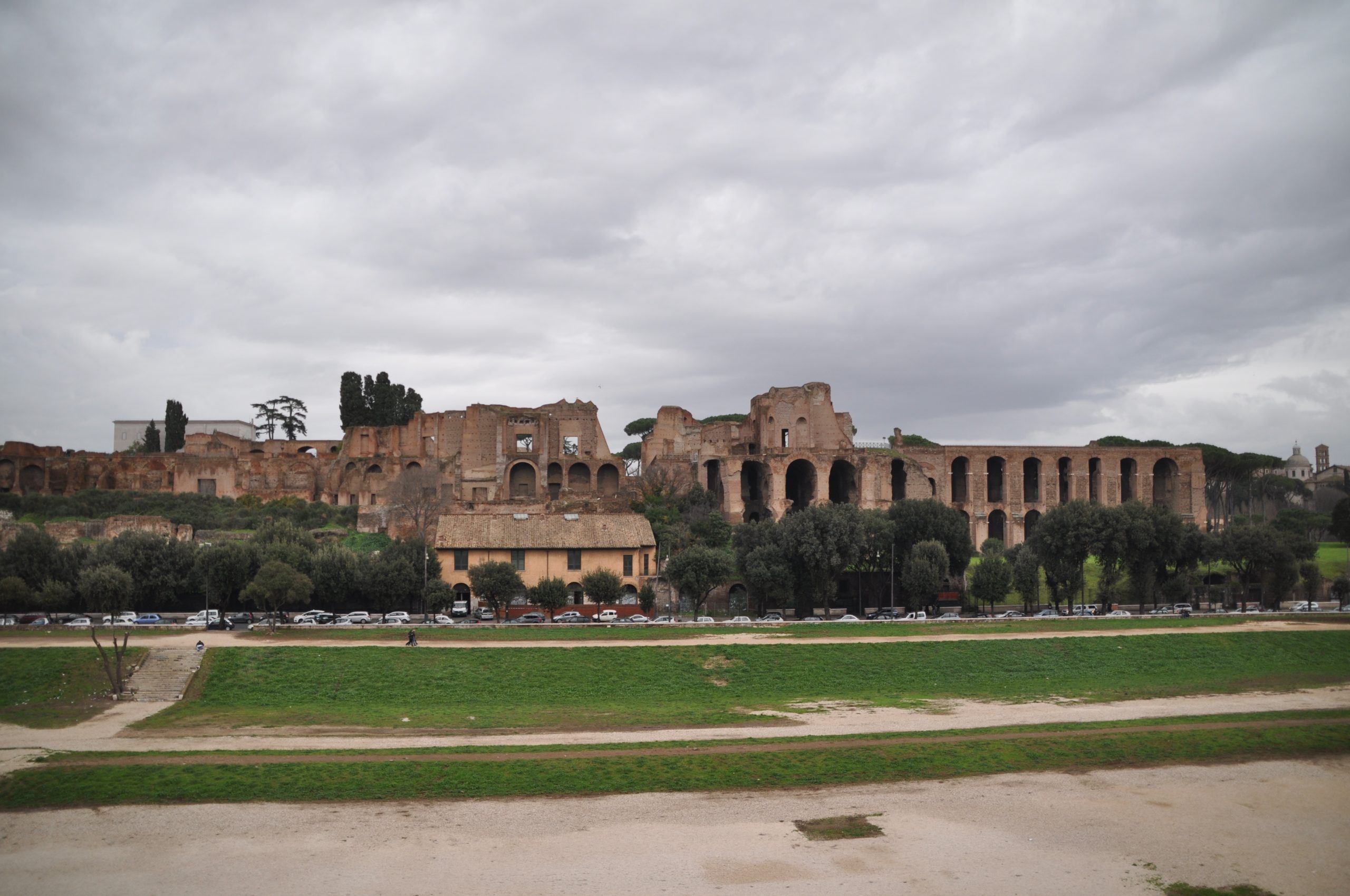
Circus Maximus
The Circus Maximus, situated in the valley between the Palatine and Aventine hills, is one of the most significant monuments in Roman history. As the largest stadium in ancient Rome, it served as a venue for public games, chariot races, and a variety of other spectacles. The Circus Maximus was a symbol of Roman society’s passion for entertainment and competition, reflecting the grandeur and complexity of the Roman Empire at its height.
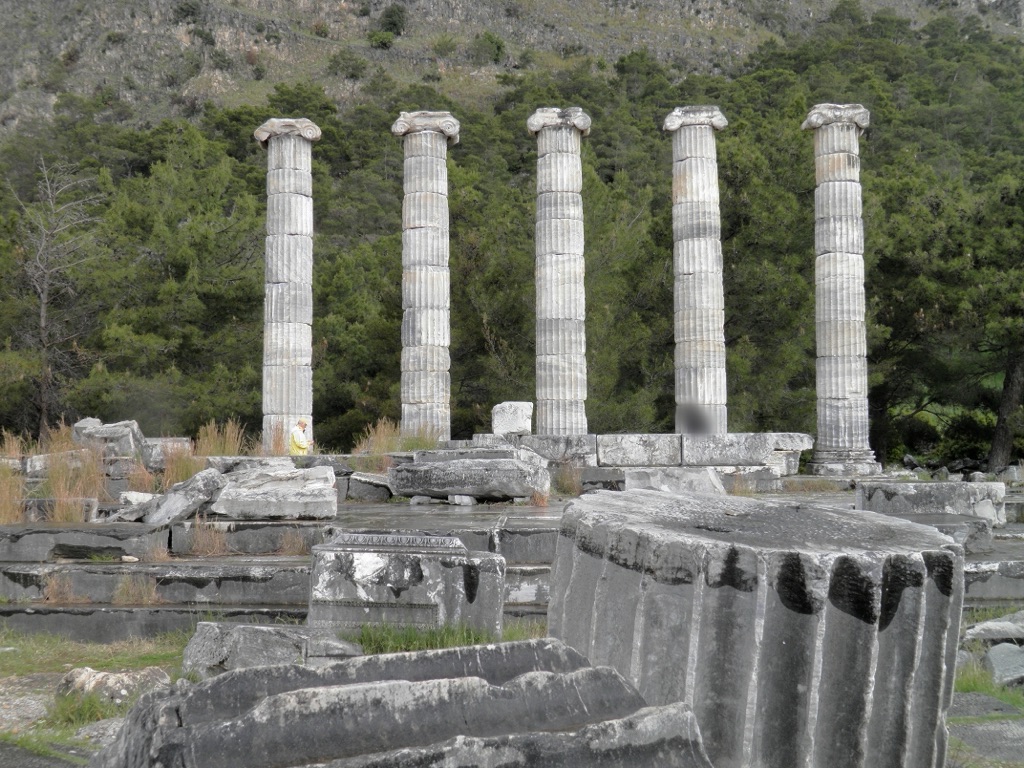
Temple of Athena at Priene
The Temple of Athena at Priene is a fascinating relic of ancient Greek culture, a stunning architectural marvel that once stood as a symbol of the city’s devotion to the goddess Athena. Located in the ancient city of Priene, in modern-day Turkey, the temple was built in the 4th century BC and was dedicated to Athena Polias, the protector of the city. The temple was a significant religious center and a focal point of the city’s civic life, reflecting the importance of Athena in the religious and cultural practices of the ancient Greeks.