
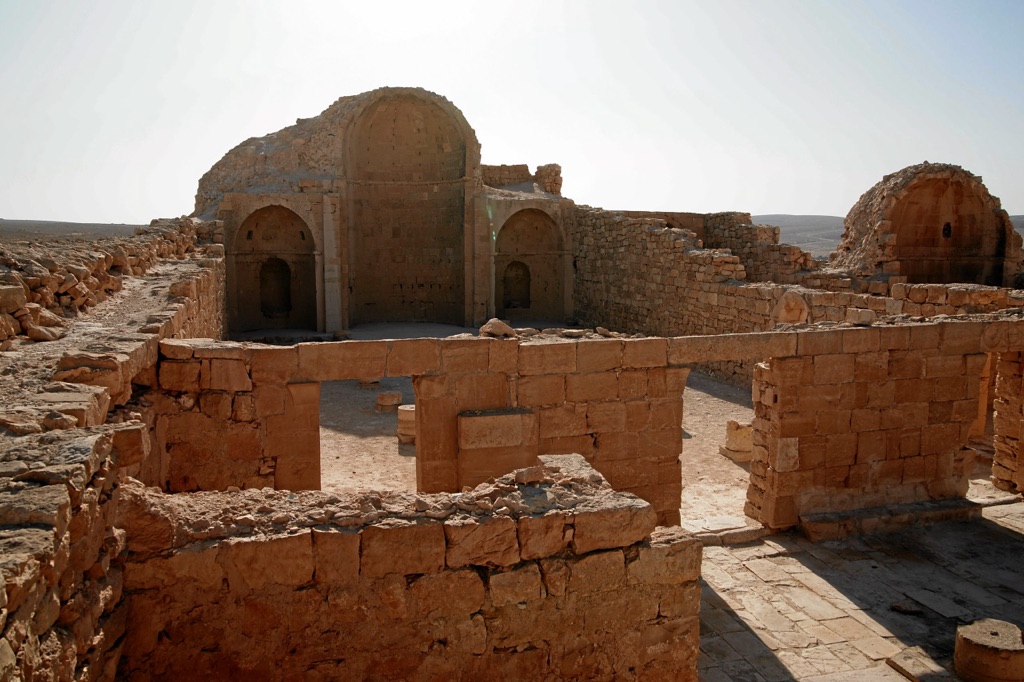
Nestled in the Negev desert of Israel, the Shivta ruins tell a story of bygone eras. Once a flourishing city, Shivta showcases intricate stone architectures from the Byzantine period. Scholars believe it thrived as an agricultural center and a way station for pilgrims. The city’s craftsmanship is evident in the surviving churches, houses, and public buildings. Excavations at Shivta provide a window into ancient urban planning. Experts regard it as an icon of desert community life from centuries past. Its historical significance continues to draw visitors and researchers alike.
Neural Pathways
Neural Pathways is a collective of seasoned experts and researchers with a profound passion for unraveling the enigmas of ancient history and artifacts. With a wealth of combined experience spanning decades, Neural Pathways has established itself as a leading voice in the realm of archaeological exploration and interpretation.
Our team of researchers and scholars provide unparalleled depth of knowledge in deciphering the intricate narratives embedded within ancient artifacts and deciphering the cultural nuances that shaped civilizations of the past. Through meticulous research, rigorous analysis, and a collaborative spirit, Neural Pathways has made and continues to make significant contributions to our understanding of the human past.
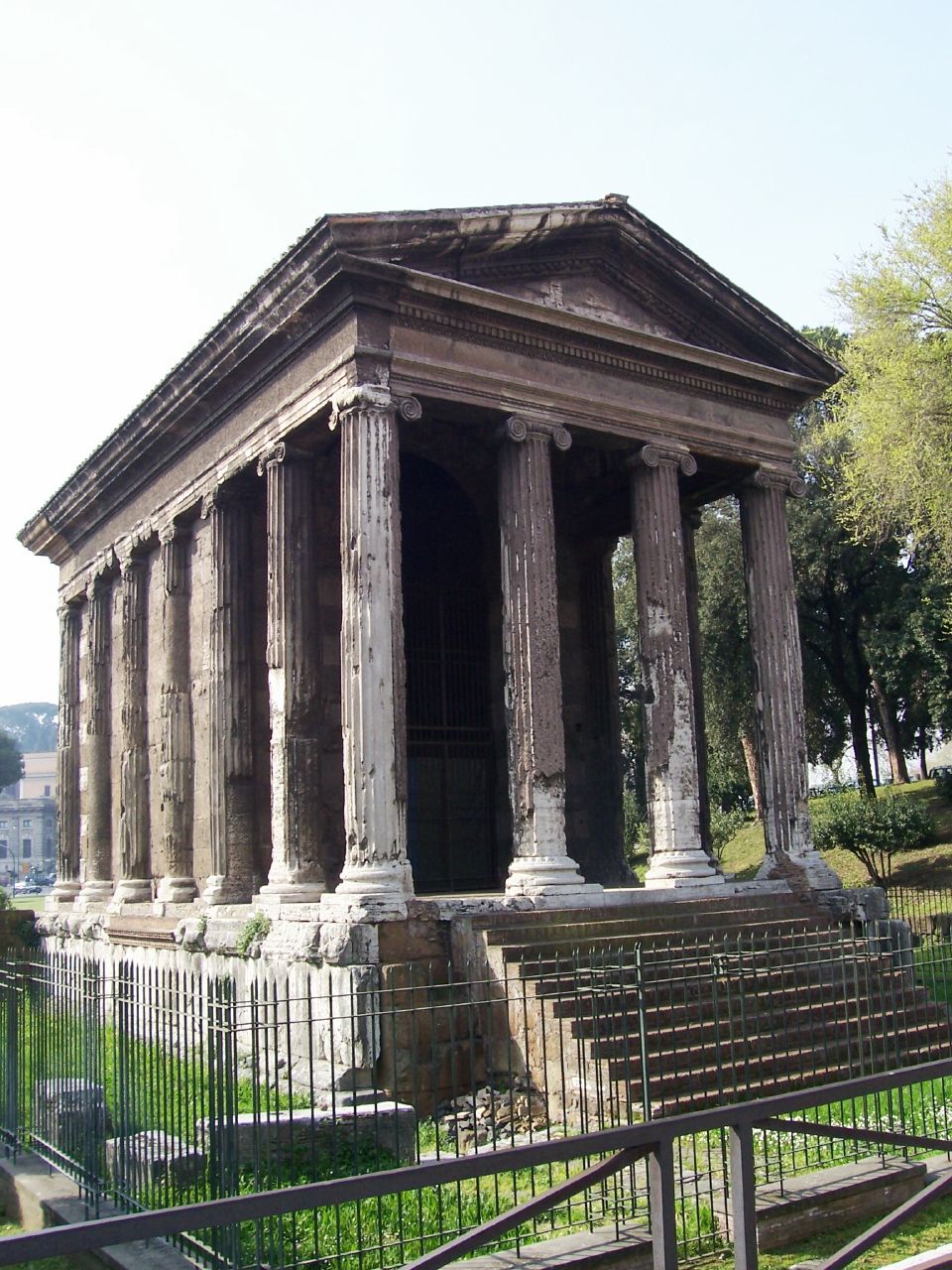
Temple of Portunus
Located in the heart of Rome, the Temple of Portunus stands as a testament to ancient Roman architecture and their devotion to the gods. This well-preserved edifice, attributed to the god of harbors and ports, showcases the Ionic order of classical design. Its rich history tells a tale of religious significance and its pivotal role in the communal activities of Rome. With its strategic placement by the Tiber River, the temple offers an intriguing glimpse into the past, making it a must-visit landmark for history enthusiasts around the world.
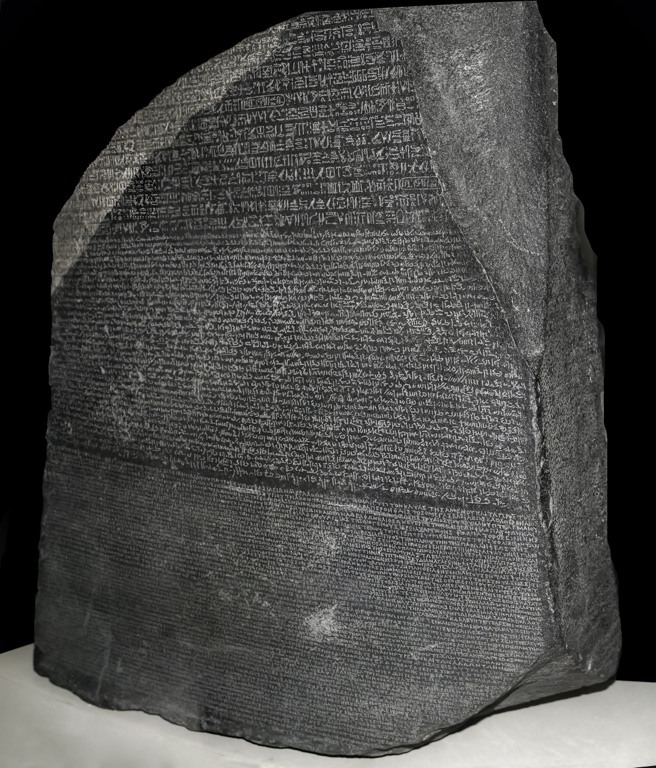
Rosetta Stone
The Rosetta Stone, discovered in 1799, is a granodiorite stele inscribed with three versions of a decree issued in Memphis, Egypt in 196 BC during the Ptolemaic dynasty. The top and middle texts are in Ancient Egyptian using hieroglyphic and Demotic scripts respectively, while the bottom is in Ancient Greek. The Rosetta Stone provided the key to deciphering these scripts, particularly the hieroglyphs, which had been a mystery to scholars. This breakthrough significantly contributed to the understanding of ancient Egyptian civilization and its language.
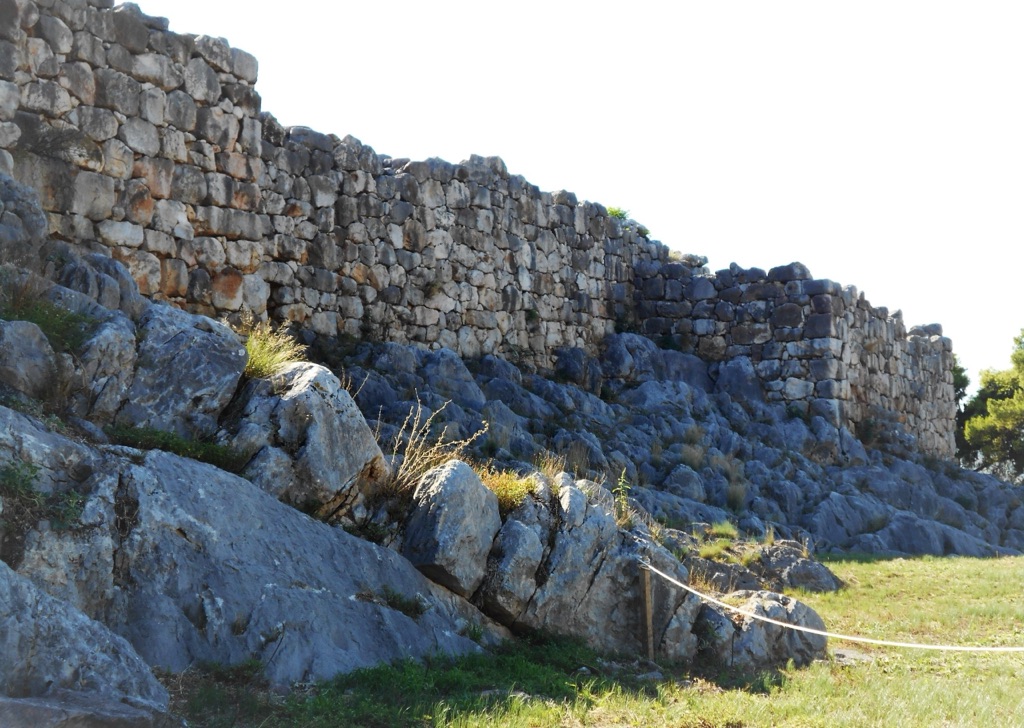
Cyclopean walls (Mycenae)
The Cyclopean Walls of Mycenae are a monumental testament to the architectural prowess of the Mycenaean civilization, dating back to the Bronze Age. These massive stone walls, constructed without the use of mortar, are located in the archaeological site of Mycenae in southern Greece. The term “Cyclopean” was coined by the ancient Greeks, who believed that only the mythical Cyclopes could have moved the enormous limestone boulders used in the walls’ construction. Today, these walls stand as a symbol of the power and influence of the Mycenaean civilization, providing valuable insights into their society, culture, and technological capabilities.
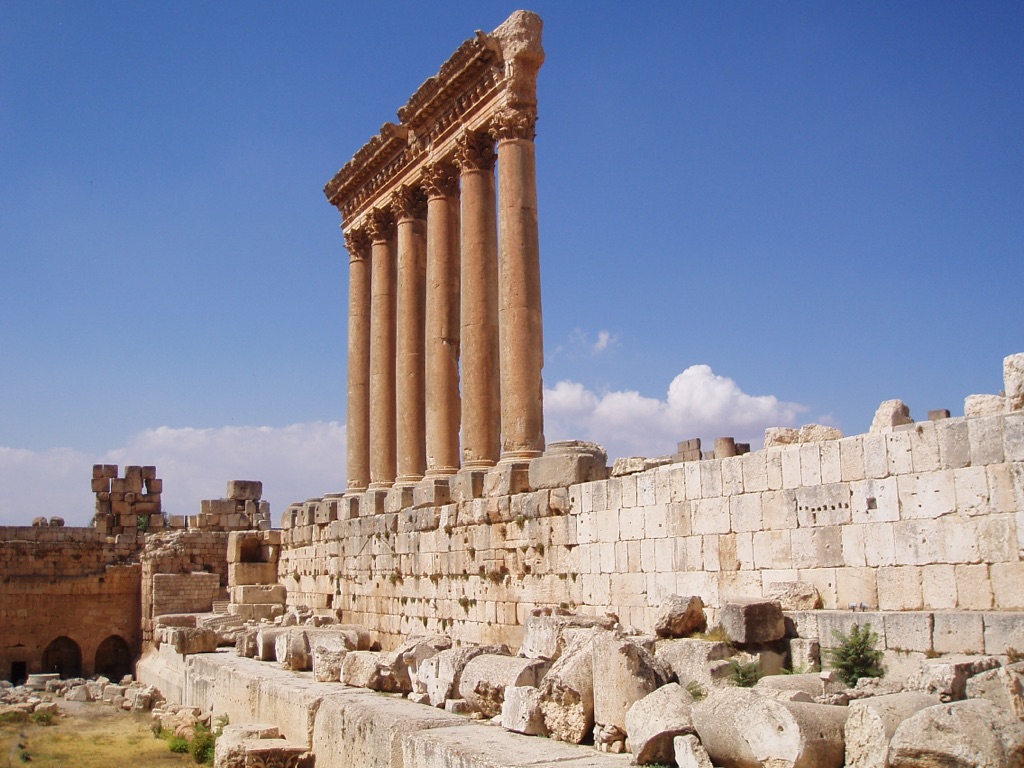
Temple of Jupiter in Baalbek
The Temple of Jupiter, located in Baalbek, Lebanon, is a monumental site that bears testament to the grandeur and complexity of Roman architecture. It was part of the Roman Heliopolis, a significant religious complex, and was dedicated to Jupiter, the Roman king of the gods. The temple, built during the 1st century AD, is characterized by its colossal dimensions, intricate stone carvings, and the impressive six remaining Corinthian columns. Despite the ravages of time and conflict, the Temple of Jupiter continues to captivate visitors with its imposing presence and historical significance.
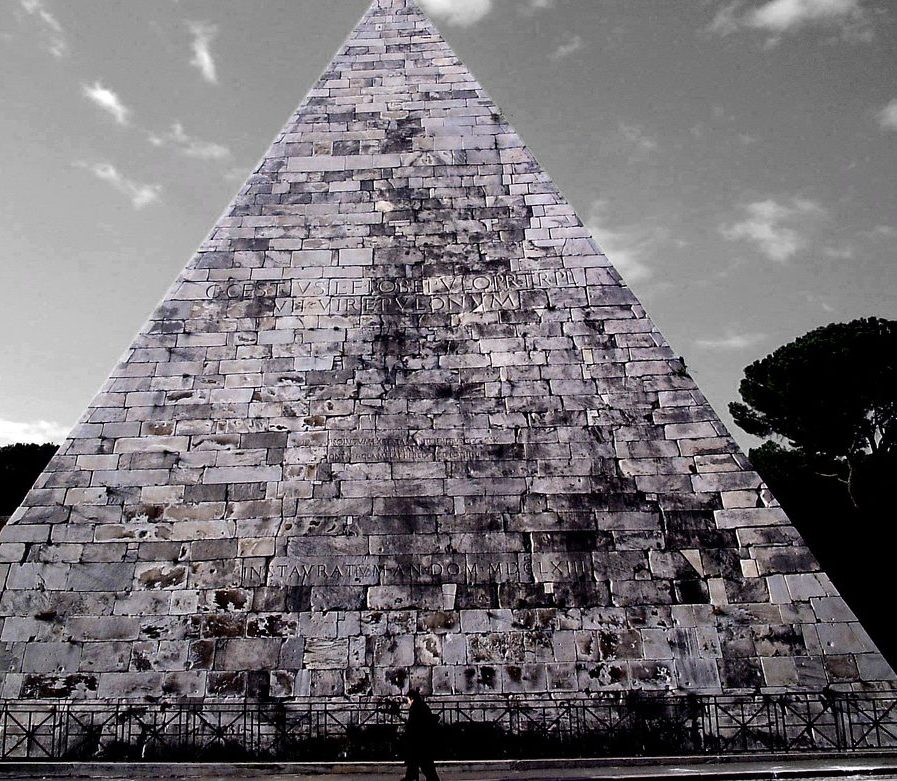
Pyramid of Cestius
The Pyramid of Cestius is an ancient pyramid in Rome, Italy, near the Porta San Paolo and the Protestant Cemetery. It was built as a tomb for Gaius Cestius, a member of the Epulones religious corporation. Standing at 36.4 meters high, it is one of the best-preserved ancient buildings in Rome. Its construction was completed in 12 BC and is unique in combining Egyptian and Roman architectural styles. The pyramid was incorporated into the fortifications of the city in the 3rd century AD and has since become a notable landmark in Rome.