
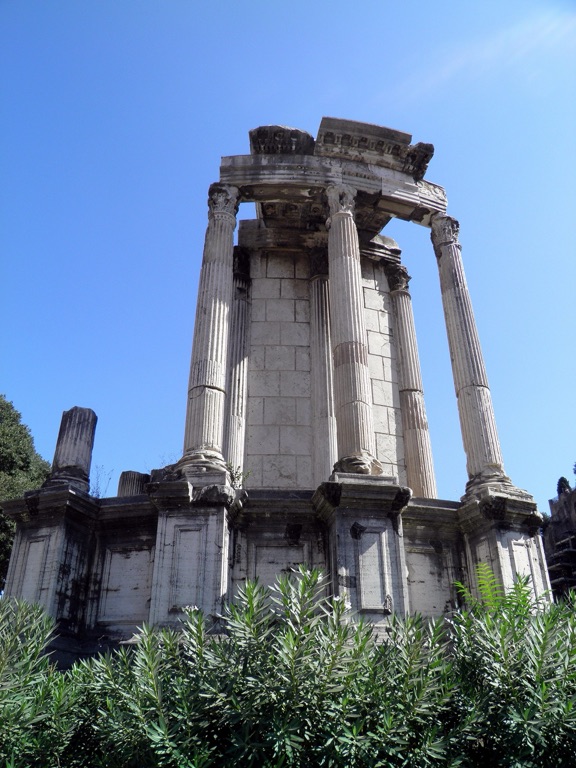
Discover the Temple of Vesta, the heart of ancient Roman worship and mythology. Resting in the Roman Forum’s bustling center, the temple once housed the sacred fire of Vesta, the goddess of the hearth. Although time has left only ruins, it has not dimmed the temple’s significance. Romans believed that as long as the vestal fire burned, Rome would endure. That belief shaped their ritualistic endeavors to protect and maintain this essential flame. Today, the remains of the temple offer glimpses into the lives of the Vestal Virgins and their critical role in sustaining Roman religion and society. Visitors can stroll through history, envisioning how this site once radiated with religious fervor and communal spirit.
Neural Pathways
Neural Pathways is a collective of seasoned experts and researchers with a profound passion for unraveling the enigmas of ancient history and artifacts. With a wealth of combined experience spanning decades, Neural Pathways has established itself as a leading voice in the realm of archaeological exploration and interpretation.
Our team of researchers and scholars provide unparalleled depth of knowledge in deciphering the intricate narratives embedded within ancient artifacts and deciphering the cultural nuances that shaped civilizations of the past. Through meticulous research, rigorous analysis, and a collaborative spirit, Neural Pathways has made and continues to make significant contributions to our understanding of the human past.
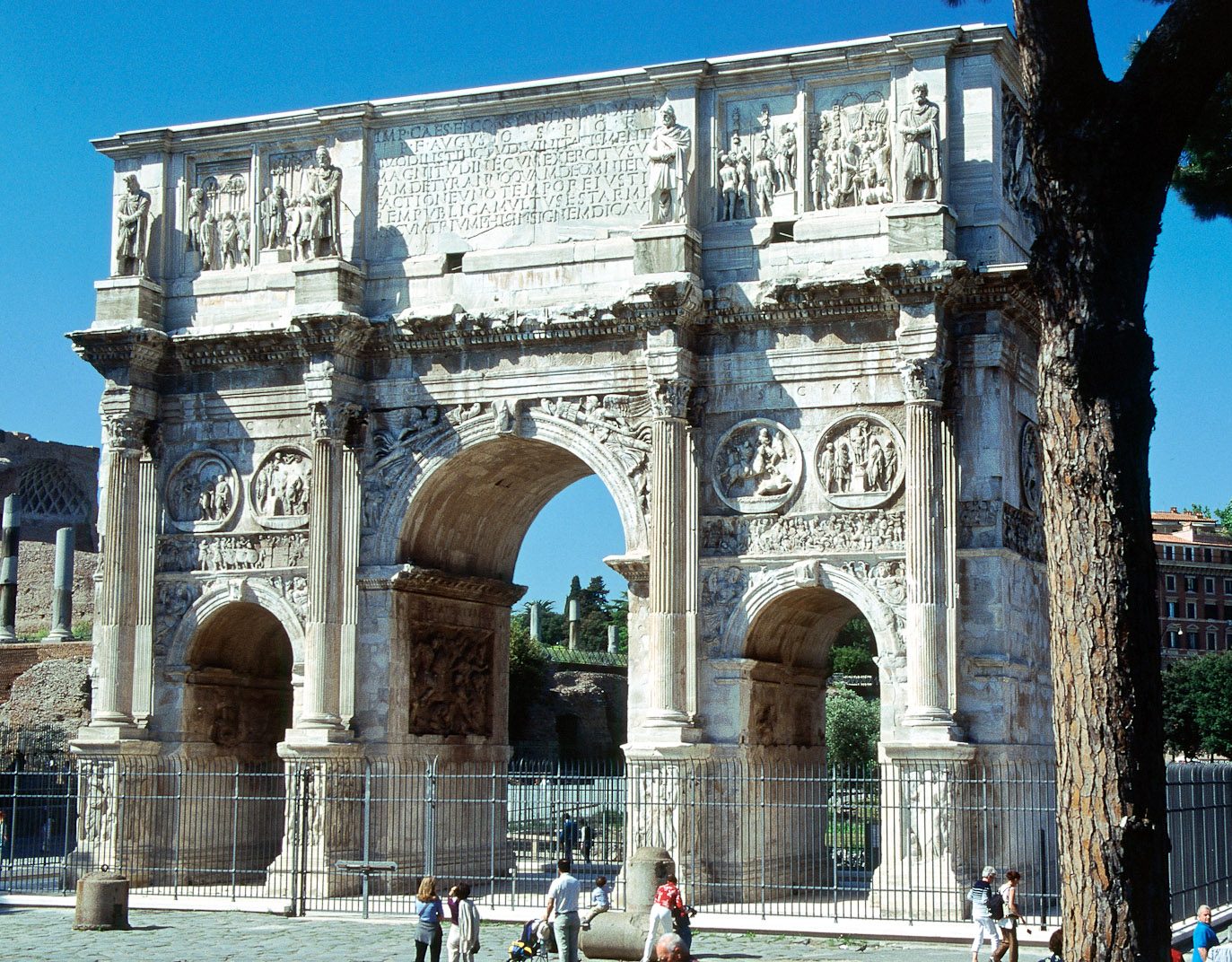
The Arch of Constantine
The Arch of Constantine is a triumphal arch in Rome, situated between the Colosseum and the Palatine Hill. It was erected by the Roman Senate to commemorate Constantine I’s victory over Maxentius at the Battle of Milvian Bridge in 312. Dedicated in 315, it is the latest of the existing triumphal arches in Rome, and the only one to make extensive use of spolia, reusing several major reliefs from 2nd century imperial monuments, which give a striking and famous stylistic contrast to the sculpture newly created for the arch.
The Ancient City of Palmyra
The Ancient City of Palmyra, once a thriving metropolis in the heart of the Syrian desert, stands as a poignant testament to the grandeur of bygone civilizations. Flourishing from the 1st to the 3rd century AD, Palmyra, known as the ‘Bride of the Desert’, was a critical trade hub linking the Roman Empire and Eastern cultures. The city’s strategic location on the Silk Road enabled a unique blend of Greco-Roman, Persian, and local influences, reflected in its stunning architectural fusion. This cross-cultural exchange not only shaped Palmyra’s distinctive art and monuments but also turned it into a melting pot of various ethnicities, languages, and traditions, underpinning its historical significance.
The Lion Armour of King Henry II
The Lion Armour of King Henry II is a majestic ensemble that stands as a testament to the grandeur of medieval warfare and the artistry of armorers. Historians regard it as one of the most splendid and imposing examples of royal armor. Designed not just for protection, the Lion Armour also served as a symbol of power and authority. It boasts intricate designs reflecting the status of King Henry II as a fierce leader, with the imposing lion crest personifying his courage and strength. This extraordinary piece represents an important era in English history, one where chivalry and skill-at-arms were paramount, and monarchs were expected to lead from the frontlines.
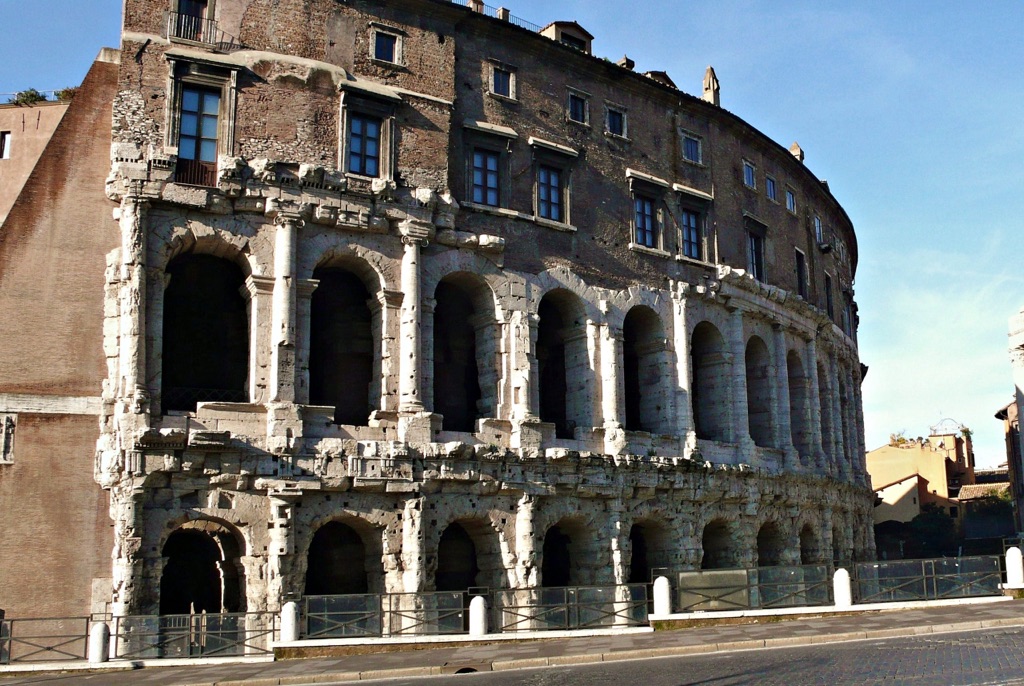
The Theater of Marcellus
The Theater of Marcellus stands as a testament to the grandeur of ancient Roman architecture and public entertainment. Inaugurated by Emperor Augustus in memory of his nephew, Marcellus, this edifice once dazzled spectators with its impressive stone and concrete structure. It held upwards of 20,000 guests who reveled in various performances, playing a pivotal role in the cultural life of ancient Rome. Today, this historical site offers a window into the past with its partially preserved ruins, allowing visitors to envisage the scale and majesty of Roman theatrical productions.
Baths of Caracalla
Embark on a journey back in time with a visit to the Baths of Caracalla, one of the most grandiose remnants of Roman architecture. Constructed under Emperor Caracalla’s reign in the early 3rd century, these public baths were not merely a place for cleansing but a symbol of Rome’s opulence and engineering prowess. The complex stretched over 33 acres, boasting not only massive bathing rooms but also libraries, shops, and lush gardens, reflecting a hub of social and cultural activity. Visitors today can marvel at the soaring walls and mosaics, imagining the once-steamy rooms where Romans of all classes mingled and relaxed.