
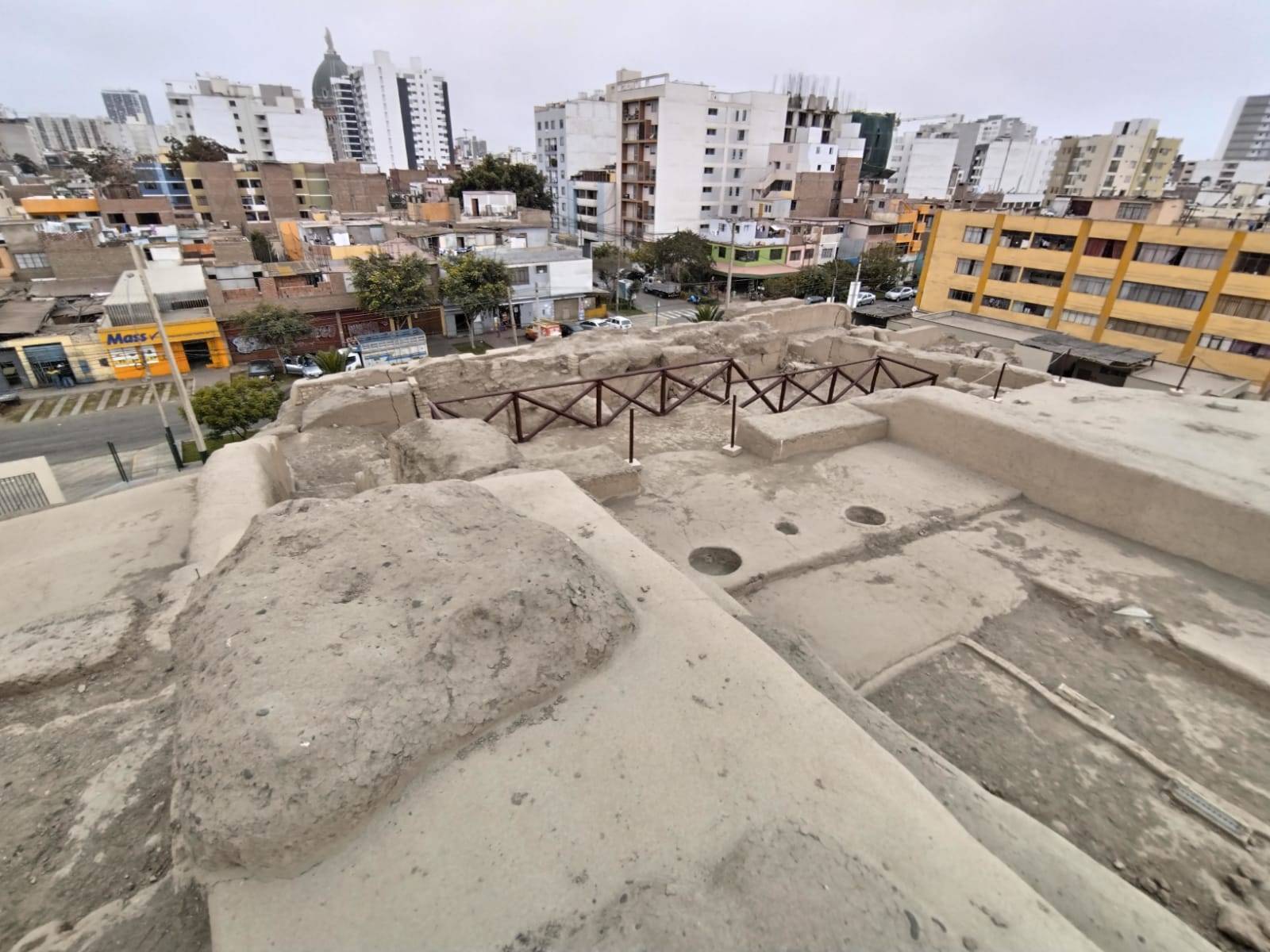
Huaca Huantille is a paramount archaeological site located in the district of Magdalena del Mar, within the metropolitan city of Lima, Peru. This site, a pyramidal structure, is a testament to the rich cultural heritage of the Ichma culture, which thrived from 900 to 1450 AD, and later became a significant part of the Inca Empire from 1450 to 1532 AD. Huaca Huantille served as the main temple of a complex that originally included five other huacas, now lost to history. Despite modern encroachments and the threat of urban development, efforts for its recovery and restoration began in earnest in 2006, highlighting its importance as a cultural and historical monument.
Neural Pathways
Neural Pathways is a collective of seasoned experts and researchers with a profound passion for unraveling the enigmas of ancient history and artifacts. With a wealth of combined experience spanning decades, Neural Pathways has established itself as a leading voice in the realm of archaeological exploration and interpretation.
Our team of researchers and scholars provide unparalleled depth of knowledge in deciphering the intricate narratives embedded within ancient artifacts and deciphering the cultural nuances that shaped civilizations of the past. Through meticulous research, rigorous analysis, and a collaborative spirit, Neural Pathways has made and continues to make significant contributions to our understanding of the human past.
Puruchuco
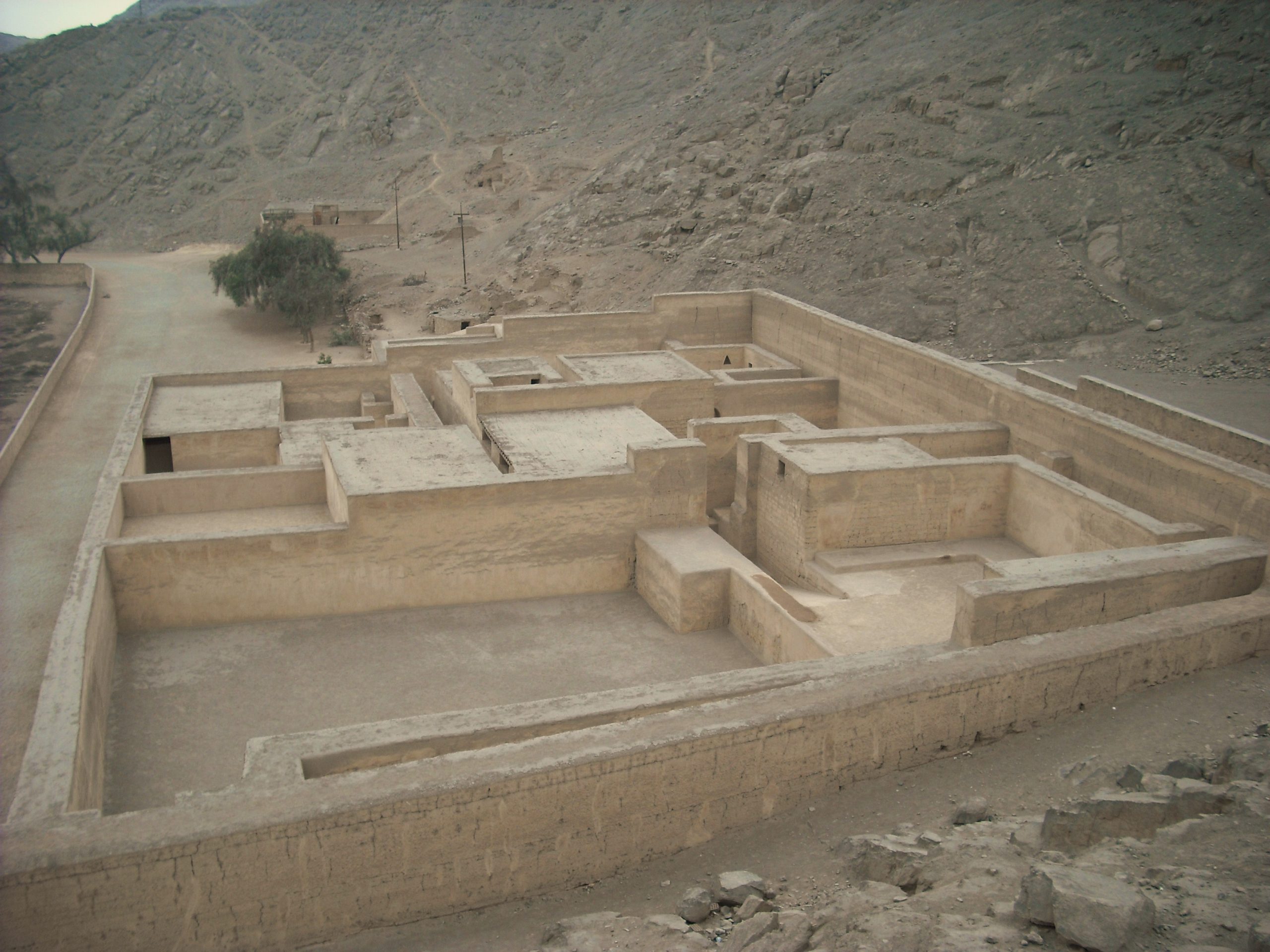
Puruchuco stands as a significant archaeological zone in Peru, embodying the administrative and religious essence of the Ychma-Inca period from the 12th to the 16th century AD. Located in the district of Ate, within the capital city of Lima, this site offers a unique glimpse into the confluence of two major pre-Columbian cultures.
Gingee Fort
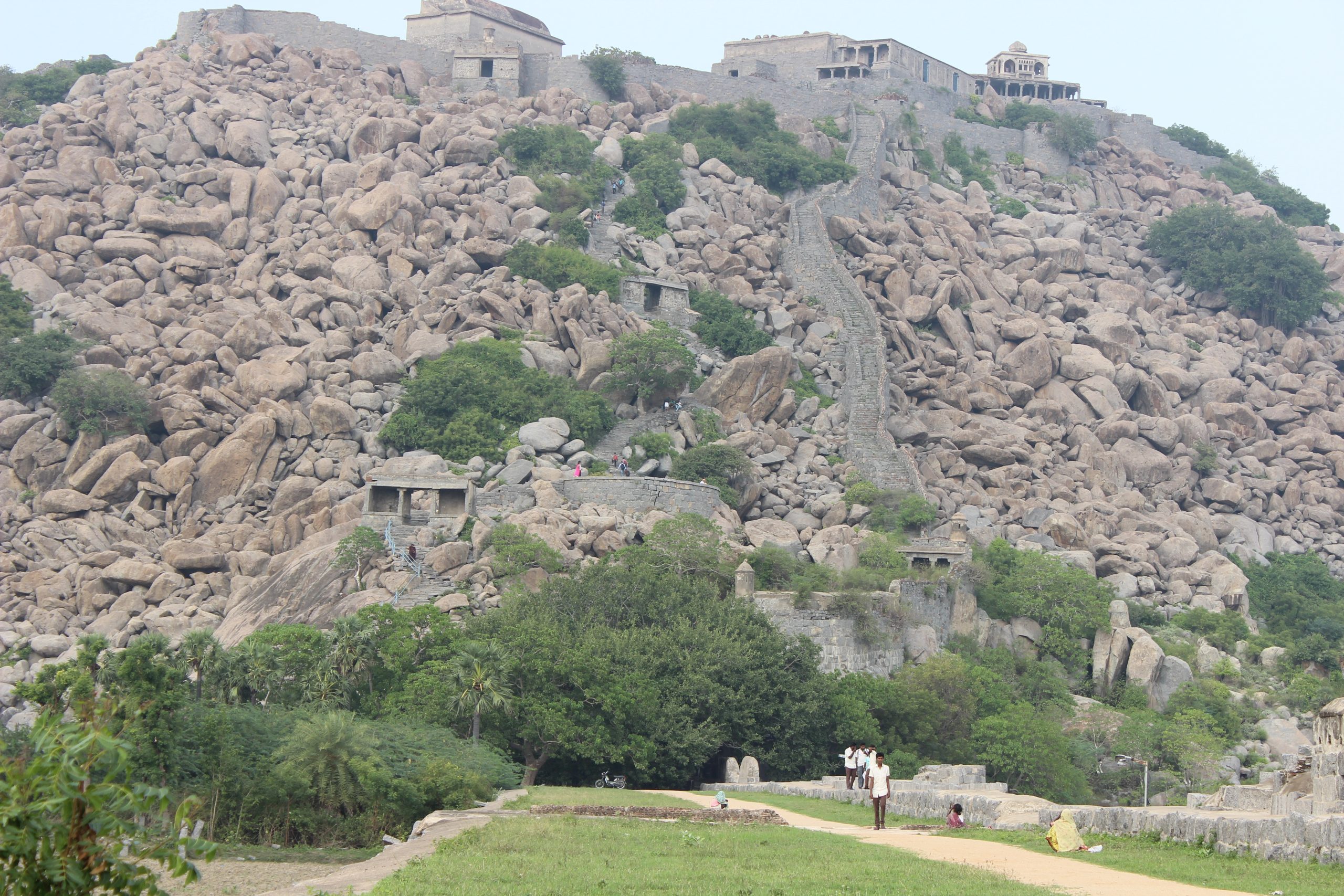
Gingee Fort, also known by various names such as Senji, Chenji, Chanchi, Jinji, or Senchi, stands as a testament to the architectural and military acumen of its erstwhile rulers. Located in the Villupuram District of Tamil Nadu, India, approximately 160 kilometres from Chennai, this fortification is a significant historical monument that has witnessed the ebb and flow of several dynasties and empires in South India.
Marcahuamachuco
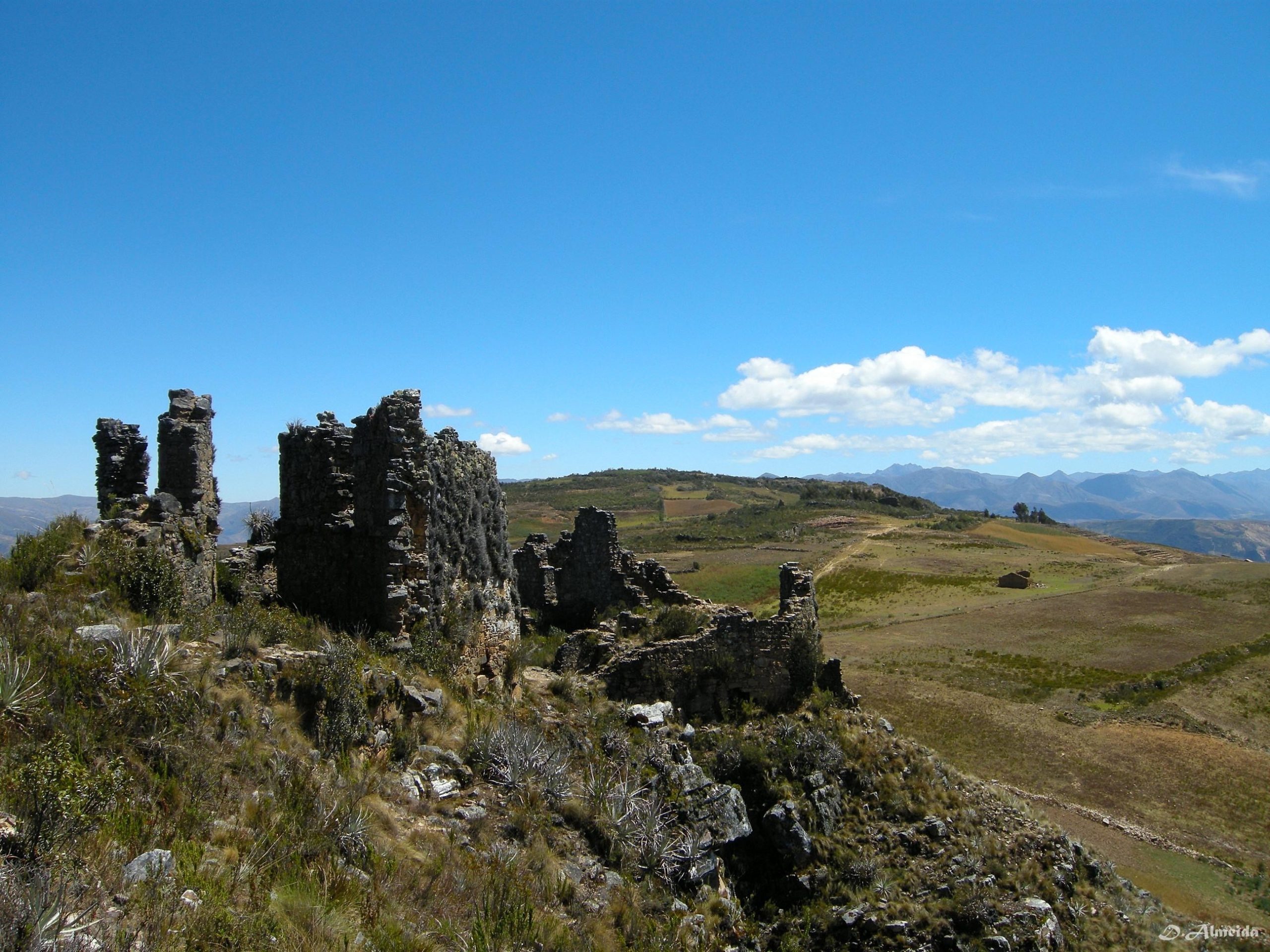
Marcahuamachuco represents a pre-Incan archaeological site of considerable importance located in the La Libertad Region of Peru. Despite its lesser-known status compared to other archaeological sites, it has been acknowledged as a significant cultural and historical landmark, often referred to as the “Machu Picchu of the North” and “The Jewel of La Libertad.”
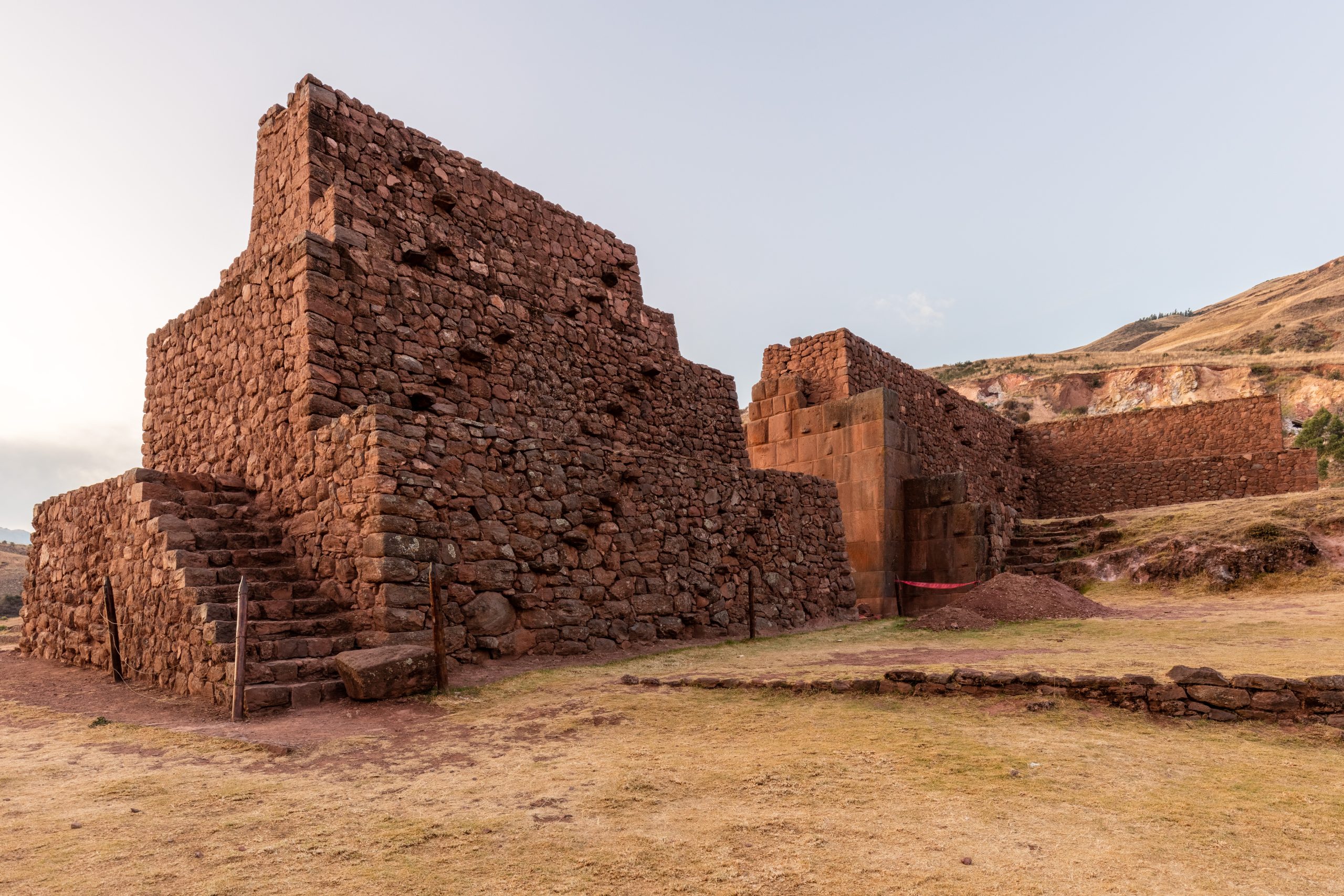
Rumiqolqa
Rumicolca, an archaeological site of significant historical importance, is located in the Cusco Region, Quispicanchi Province, Lucre District of Peru. Its proximity to other notable archaeological sites such as Chuqi Pukyu and Pikillaqta, and its situation east of Lake Huacarpay, underscores its strategic importance in ancient Peru. The name Rumicolca possibly derives from the Quechua words “rumi” meaning stone, and “qullqa” or “qulqa,” which translates to deposit or storehouse, suggesting its historical role in the region.
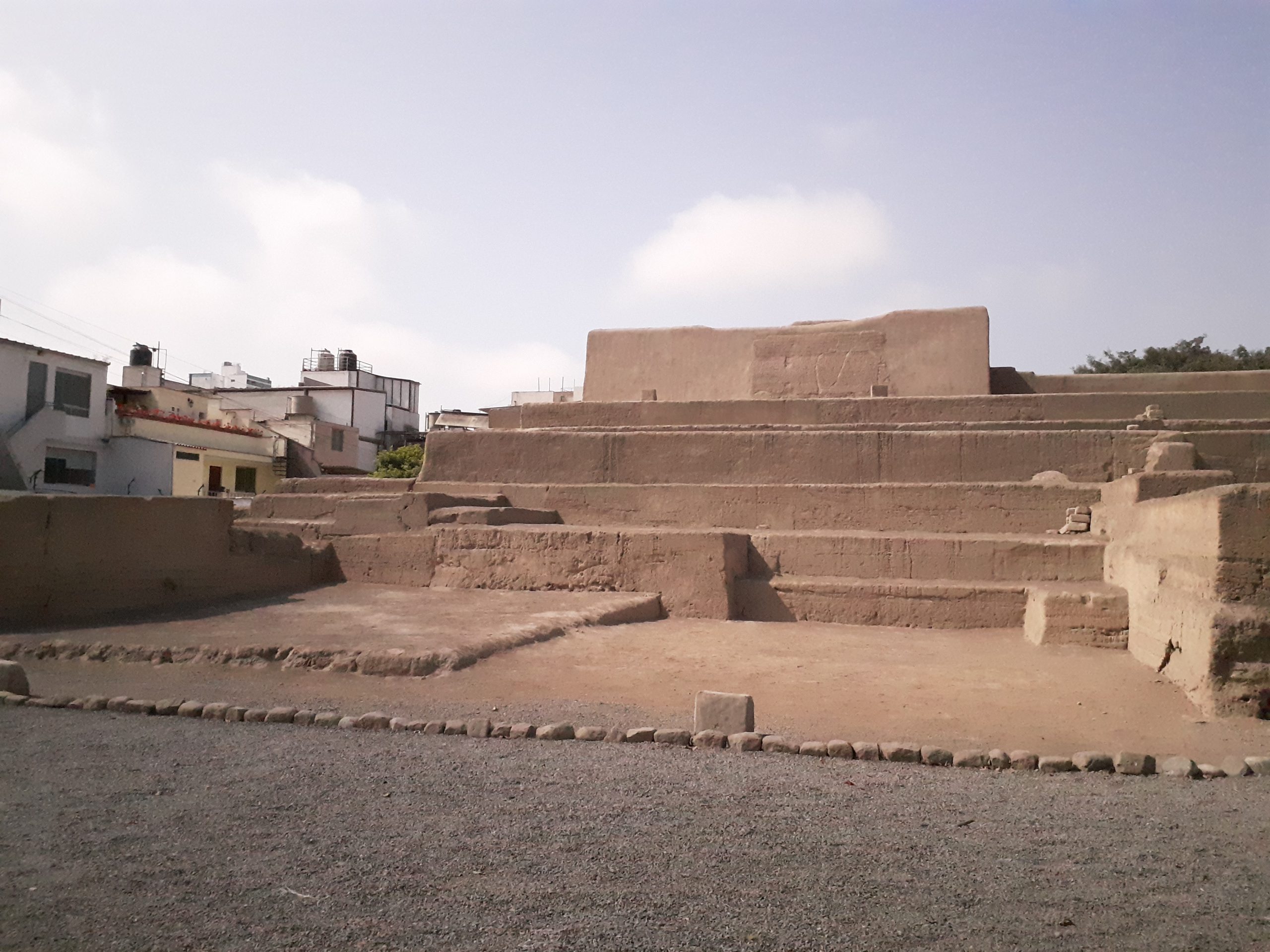
Huaca Santa Catalina
Huaca Santa Catalina, an archaeological site located in the district of La Victoria, Lima, Peru, stands as a testament to the rich cultural tapestry woven by the Ychsma and Inca civilizations. This site, positioned at coordinates 12°05’35” S and 77°01’29” W with an altitude of 138 meters above sea level, has been a focal point of historical and cultural significance, reflecting the intricate interactions between these two pre-Columbian societies.