
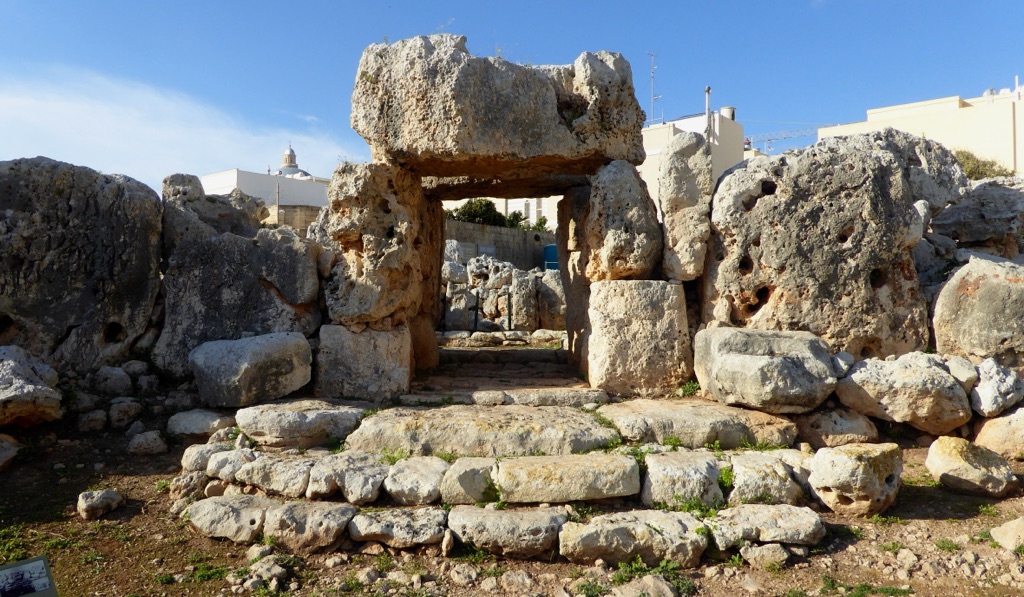
The Ta’ Ħaġrat temples, located in the village of Mġarr, Malta, stand as a testament to the architectural and cultural achievements of prehistoric societies. These temples are part of a group of megalithic structures that have been recognized by UNESCO as World Heritage Sites, underscoring their global importance as some of the world’s oldest religious sites.
Neural Pathways
Neural Pathways is a collective of seasoned experts and researchers with a profound passion for unraveling the enigmas of ancient history and artifacts. With a wealth of combined experience spanning decades, Neural Pathways has established itself as a leading voice in the realm of archaeological exploration and interpretation.
Our team of researchers and scholars provide unparalleled depth of knowledge in deciphering the intricate narratives embedded within ancient artifacts and deciphering the cultural nuances that shaped civilizations of the past. Through meticulous research, rigorous analysis, and a collaborative spirit, Neural Pathways has made and continues to make significant contributions to our understanding of the human past.
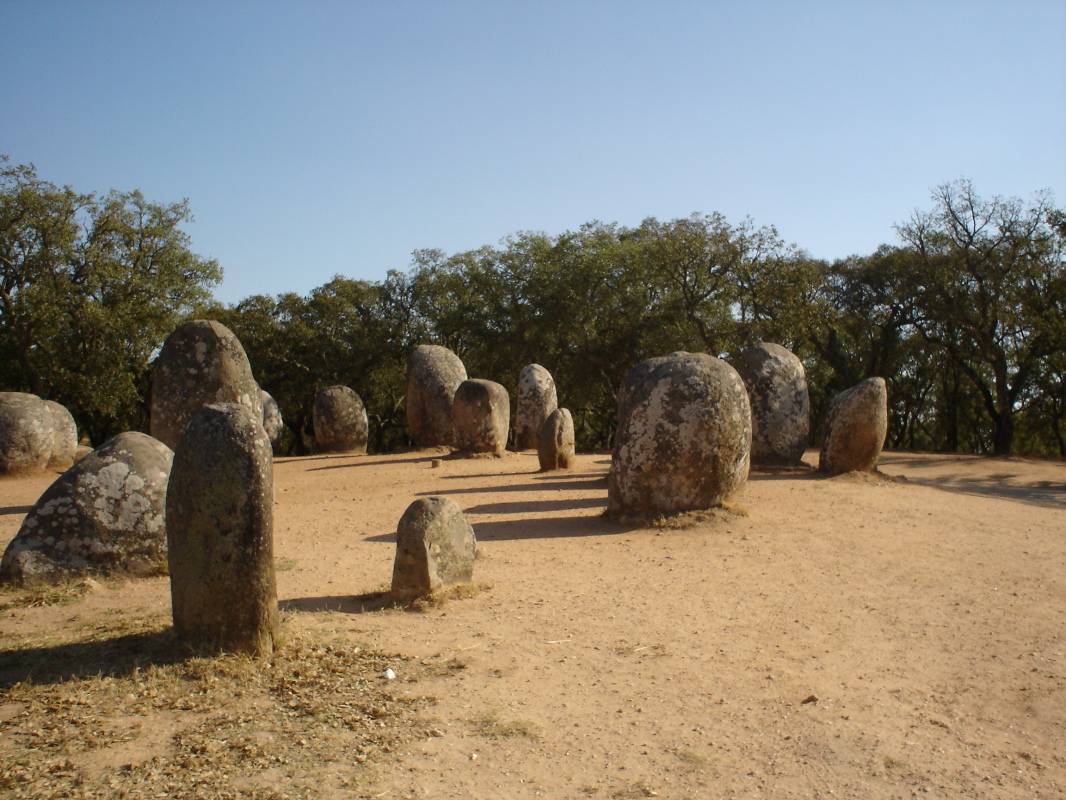
Almendres Cromlech
The Cromlech of the Almendres, situated in the Alentejo region of Portugal, stands as a significant testament to the megalithic architecture that flourished in the Iberian Peninsula during the Neolithic period. This archaeological site, located near the village of Nossa Senhora de Guadalupe, Évora, is recognized as the largest group of structured menhirs in the Iberian Peninsula and ranks among the largest in Europe. The site encompasses a complex of cromlechs and menhir stones, integral to the “megalithic universe of Évora,” and shares similarities with other cromlechs in the Évora District, such as Portela Mogos and the Vale Maria do Meio Cromlech.
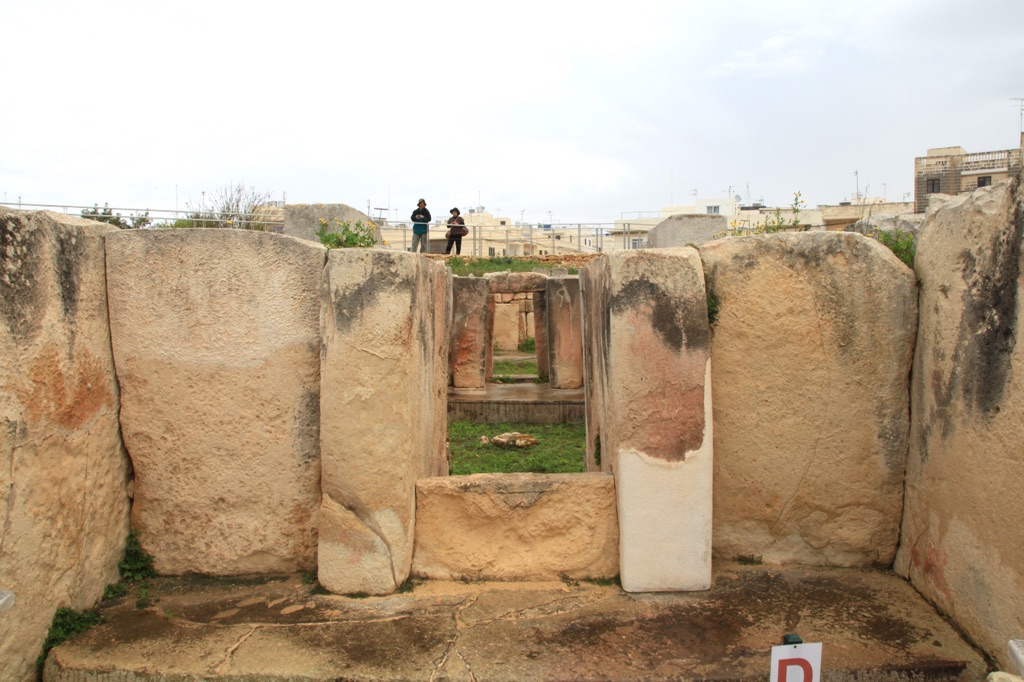
Tarxien Temples
The Tarxien Temples, located in Tarxien, Malta, represent a significant archaeological complex that dates back to approximately 3150 BC. These temples were recognized for their historical and cultural importance in 1992 when they were inscribed as a UNESCO World Heritage Site, alongside other Megalithic temples on the island.
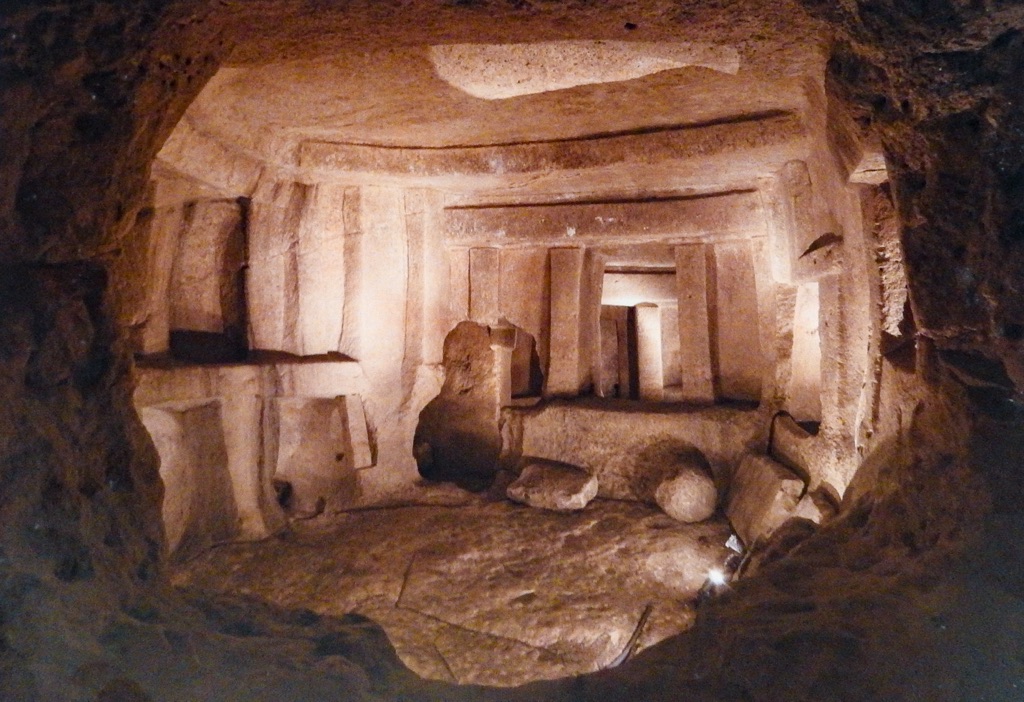
The Hypogeum of Ħal Saflieni
The Hypogeum of Ħal Saflieni, located in Paola, Malta, is a significant archaeological site dating back to the Saflieni phase (3300 – 3000 BC) of Maltese prehistory. This subterranean structure, often referred to simply as the Hypogeum, meaning “underground” in Greek, is believed to have served as both a sanctuary and a necropolis, housing the remains of over 7,000 individuals. It stands as a testament to the temple building culture of Malta, which also produced the Megalithic Temples and the Xagħra Stone Circle.
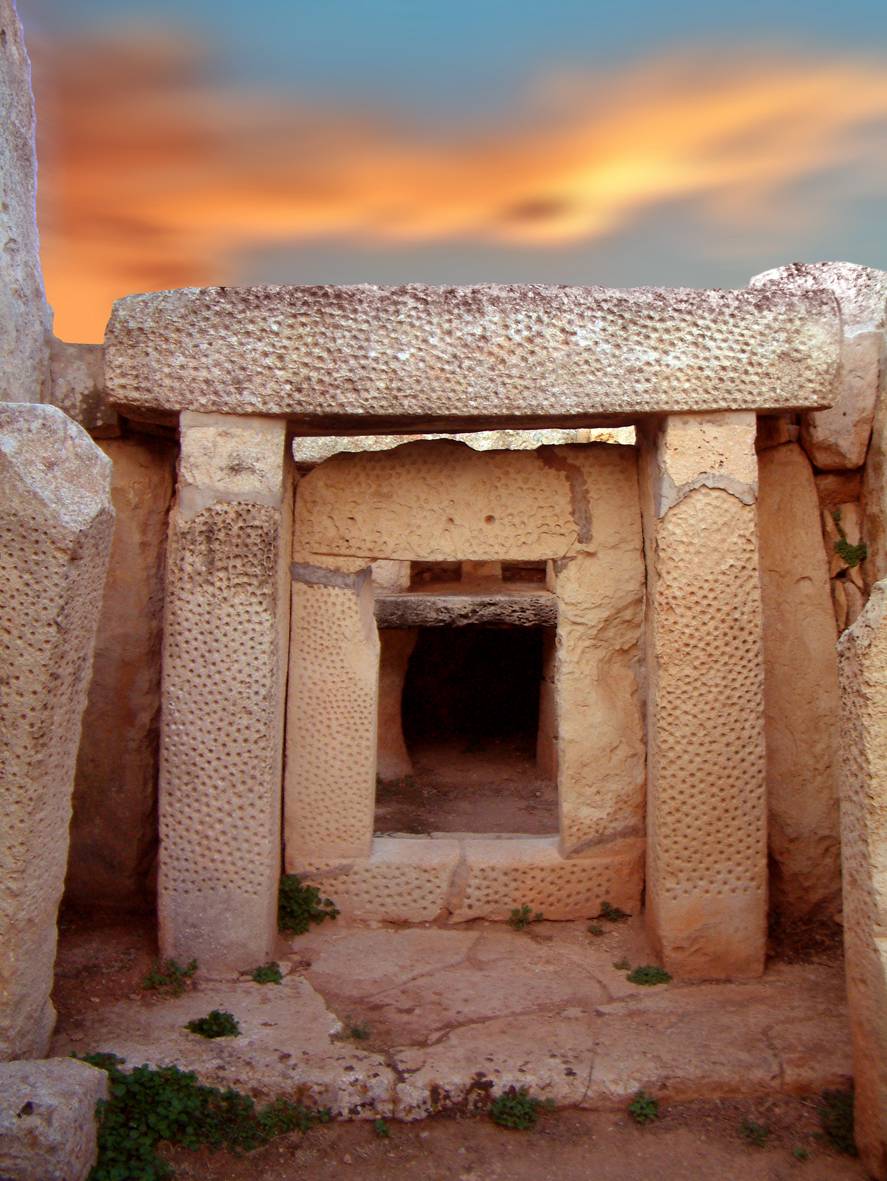
Mnajdra Temples
The Mnajdra temple complex, located on the southern coast of Malta, stands as a testament to the architectural ingenuity and spiritual significance of prehistoric societies. Situated approximately 497 meters from the Ħaġar Qim megalithic complex, Mnajdra offers a unique glimpse into the Neolithic period, dating back to the fourth millennium BC. These temples are recognized by UNESCO as part of the Megalithic Temples of Malta World Heritage Site, highlighting their importance as some of the most ancient religious sites on Earth.
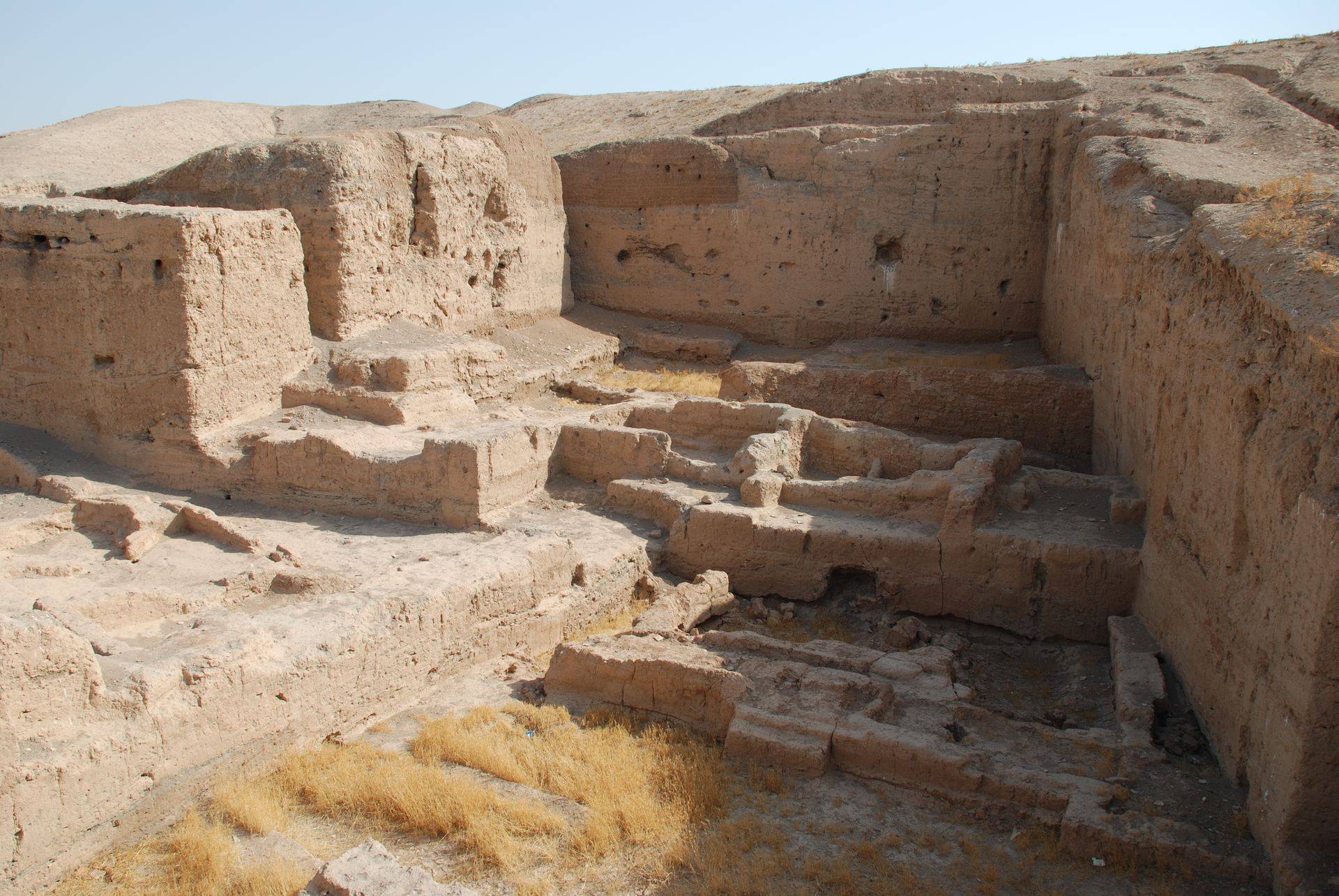
Tell Brak
Tell Brak, an ancient city located in the Upper Khabur region of Syria, near the modern village of Tell Brak, 50 kilometers north-east of Al-Hasaka city, Al-Hasakah Governorate, represents a significant archaeological site that provides insight into the ancient civilizations of Mesopotamia. The city, known by various names throughout its history, including Nagar and Nawar, has a complex history that spans several millennia, from its origins as a small settlement in the seventh millennium BC to its role as a major urban center and trade hub in Upper Mesopotamia.