Megalithic Structures
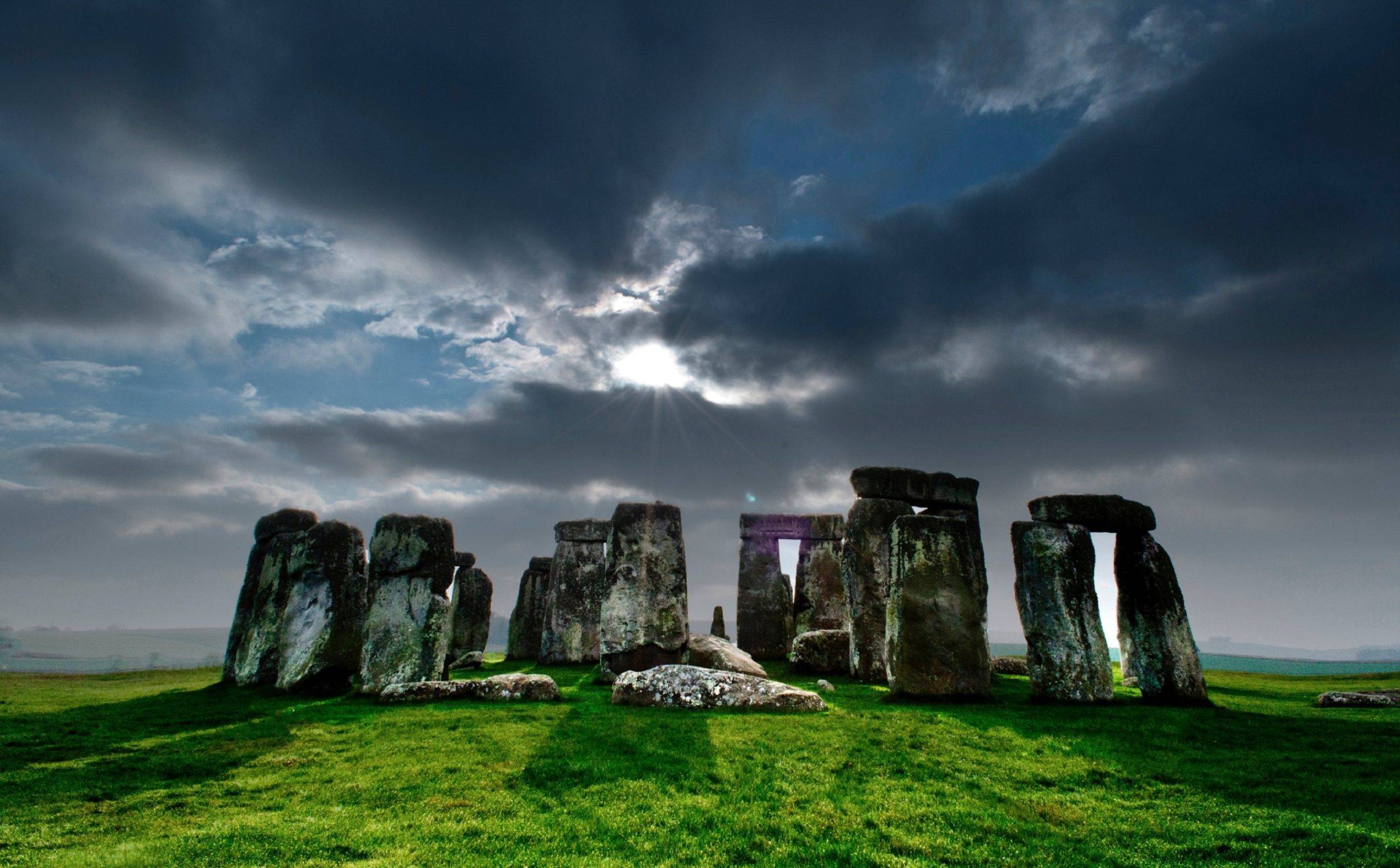
Megalithic structures, monumental in both size and historical significance, have captivated the human imagination for millennia. These ancient constructions, primarily built during the Neolithic to the early Bronze Age, around 4000 BC to 2500 BC, are found across various parts of the world, from the windswept plains of Europe to the rugged landscapes of Asia. The term “megalith” itself is derived from the Ancient Greek words ‘megas’, meaning great, and ‘lithos’, meaning stone, aptly describing the sheer size and weight of these structures.
The Purpose Behind Erecting Megaliths
The functions of megalithic structures have been a subject of extensive study and debate among historians and archaeologists. While the exact purposes vary across different cultures and geographical locations, several common uses have been identified. Many megaliths are believed to have served as burial sites, with dolmens and passage graves providing a final resting place for the deceased. This funerary aspect suggests a reverence for the dead and possibly beliefs in an afterlife. In addition to their role as burial sites, some megalithic structures are thought to have had astronomical significance. The precise alignment of stones with celestial events, such as the solstices and equinoxes, points to an advanced understanding of the movements of the sun, moon, and stars. Stonehenge, perhaps the most famous megalithic structure, exemplifies this astronomical alignment, with its stones positioned to mark the summer and winter solstices. 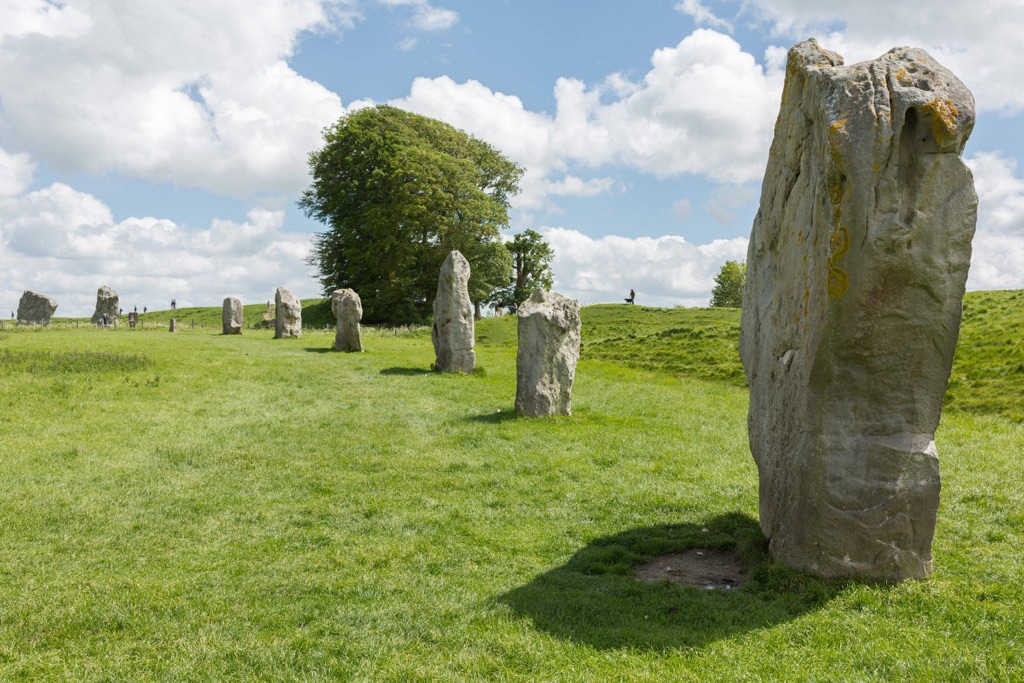
Architectural Techniques and Construction Challenges
The construction of megalithic structures is a testament to the ingenuity and resourcefulness of ancient societies. The transportation and erection of massive stones, some weighing several tons, would have required not only physical strength but also sophisticated engineering techniques. Theories on how these ancient peoples accomplished such feats include the use of wooden rollers, sledges, and lever systems. The construction of megaliths likely also demanded a high degree of social organization and communal effort, indicating a well-structured society with the capability to mobilize large groups for collective projects.
Megaliths as Symbols of Collective Identity
Beyond their functional and astronomical significance, megalithic structures may have served as powerful symbols of collective identity and social cohesion. The monumental effort required to construct these megaliths suggests that they were of great importance to the communities that built them. They could have acted as landmarks, territorial markers, or centers for social and religious gatherings, playing a central role in the cultural and spiritual life of the society.
Megalithic Sites around the world
-

Sculpture of Emperors Yan and Huang
The sculpture of Emperors Yan and Huang stands as a monumental tribute to two of China’s mythical emperors, Yan Di and Huang…
-
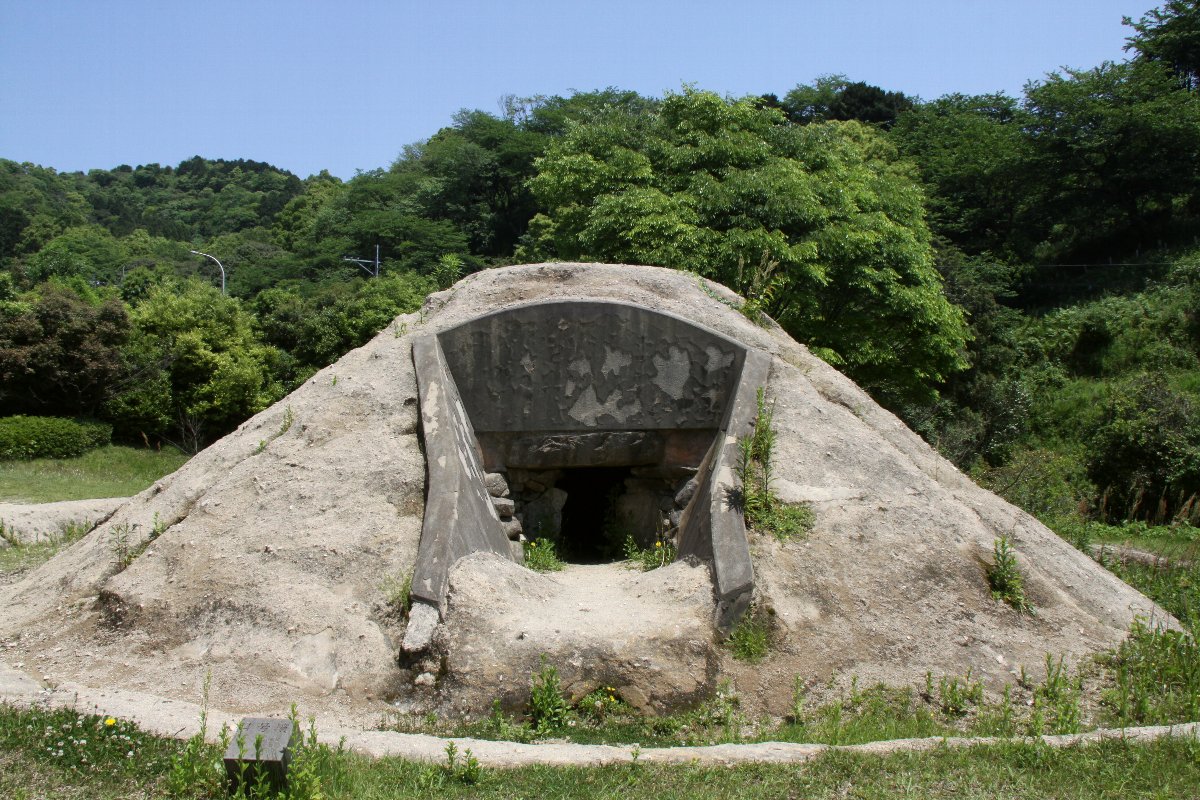
Kuboizumi Maruyama
The Kuboizumi Maruyama ruins, situated in Saga City, represent a significant archaeological site that offers invaluable insights into Japan’s ancient history. This…
-

The Yakushima Megalith
The Yakushima Megalith, located on the remote island of Yakushima in Japan, has been a subject of intrigue and speculation among historians,…
-
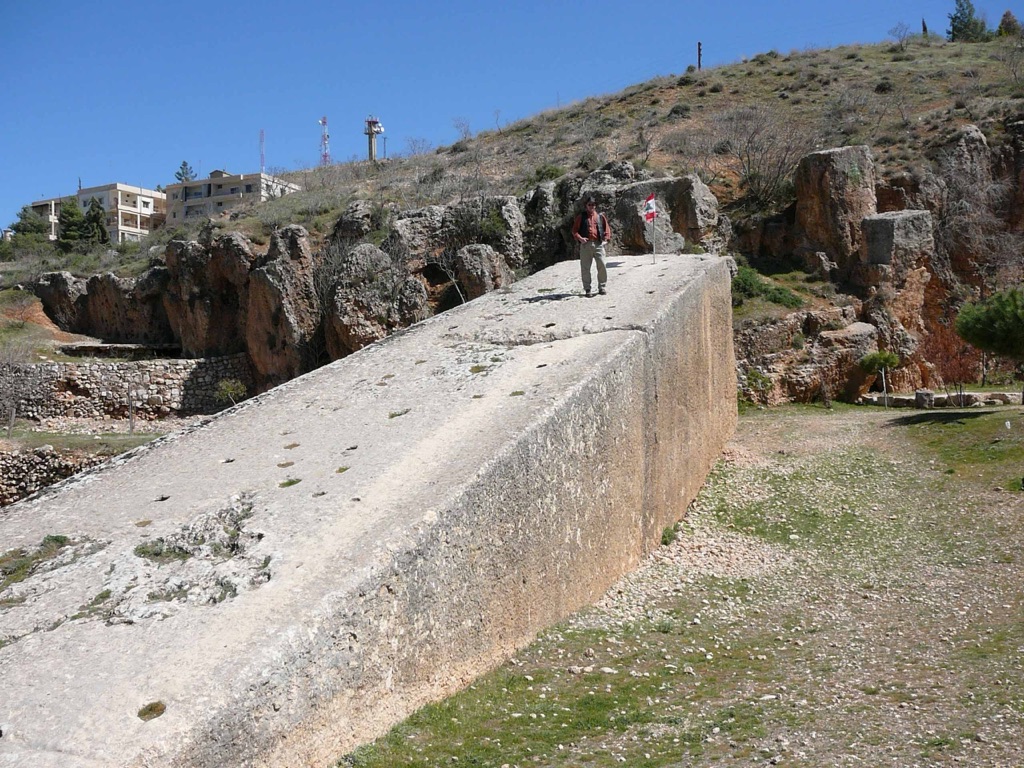
Megalith vs Monolith
In the study of ancient structures and archaeology, the terms “megalith” and “monolith” are often encountered. While they may sound similar, they…
-
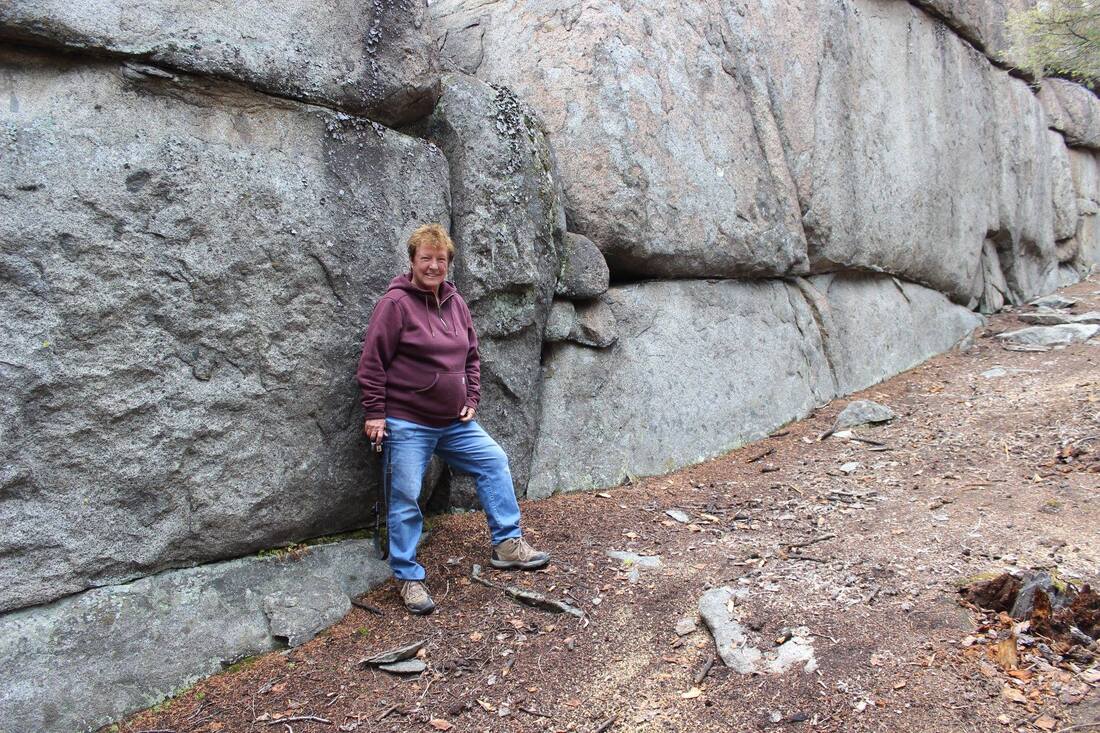
Montana Megaliths
The Montana Megaliths have been a subject of considerable debate among historians, archaeologists, and geologists. These structures, located in the state of…
-
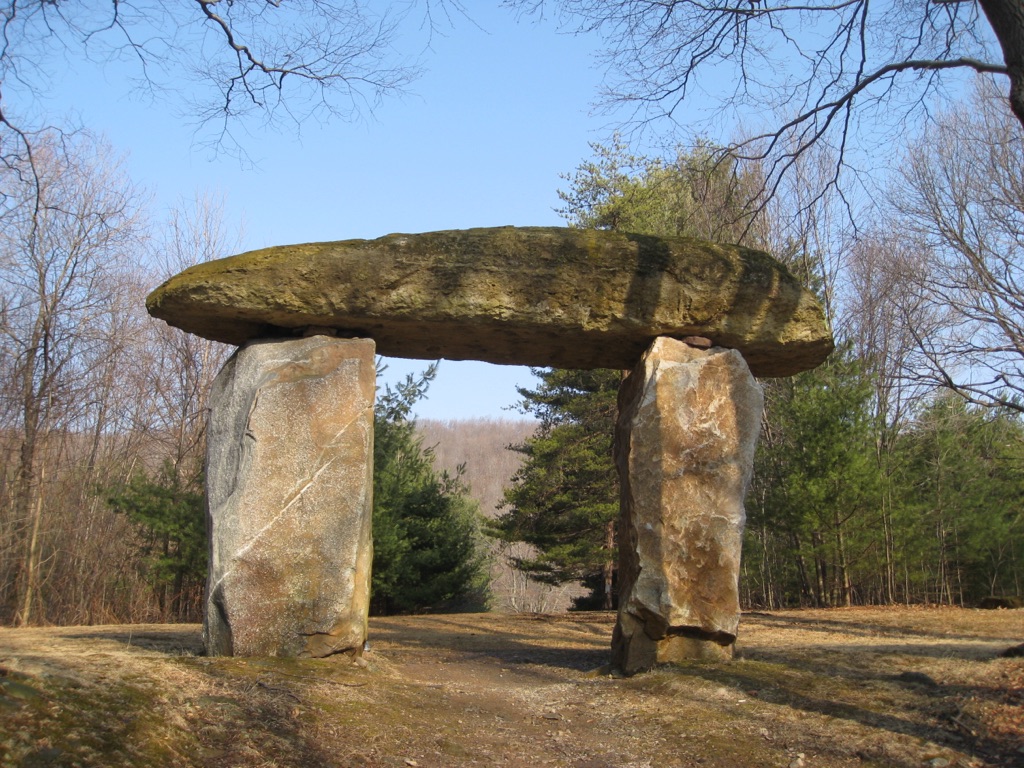
Columcille Megalith Park
Columcille Megalith Park, situated in the foothills of the Appalachian mountains in eastern Pennsylvania, stands as a remarkable embodiment of the intersection…