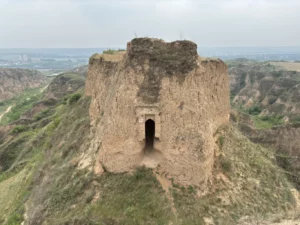
Discovering the Hejin City Fortress
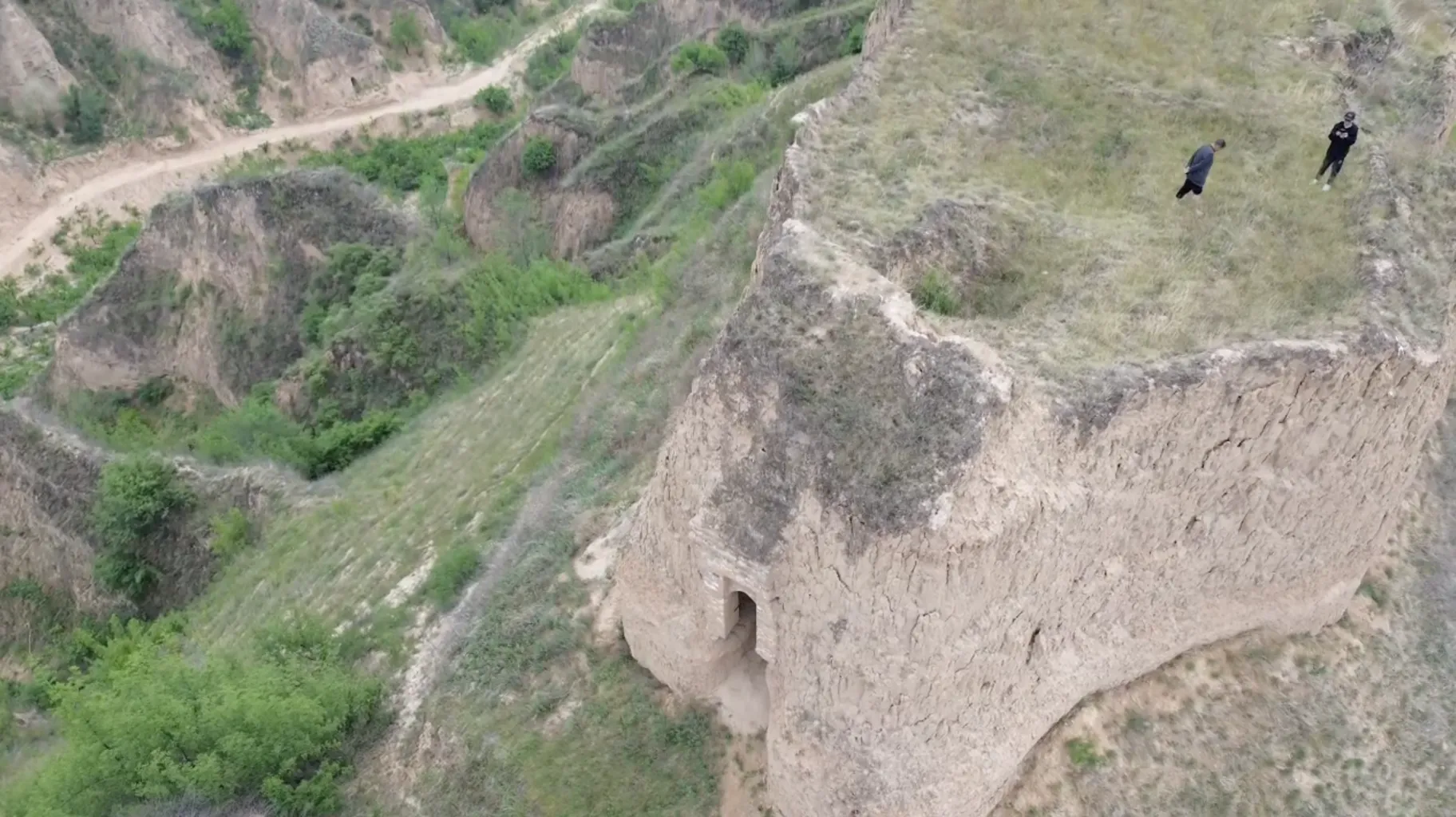
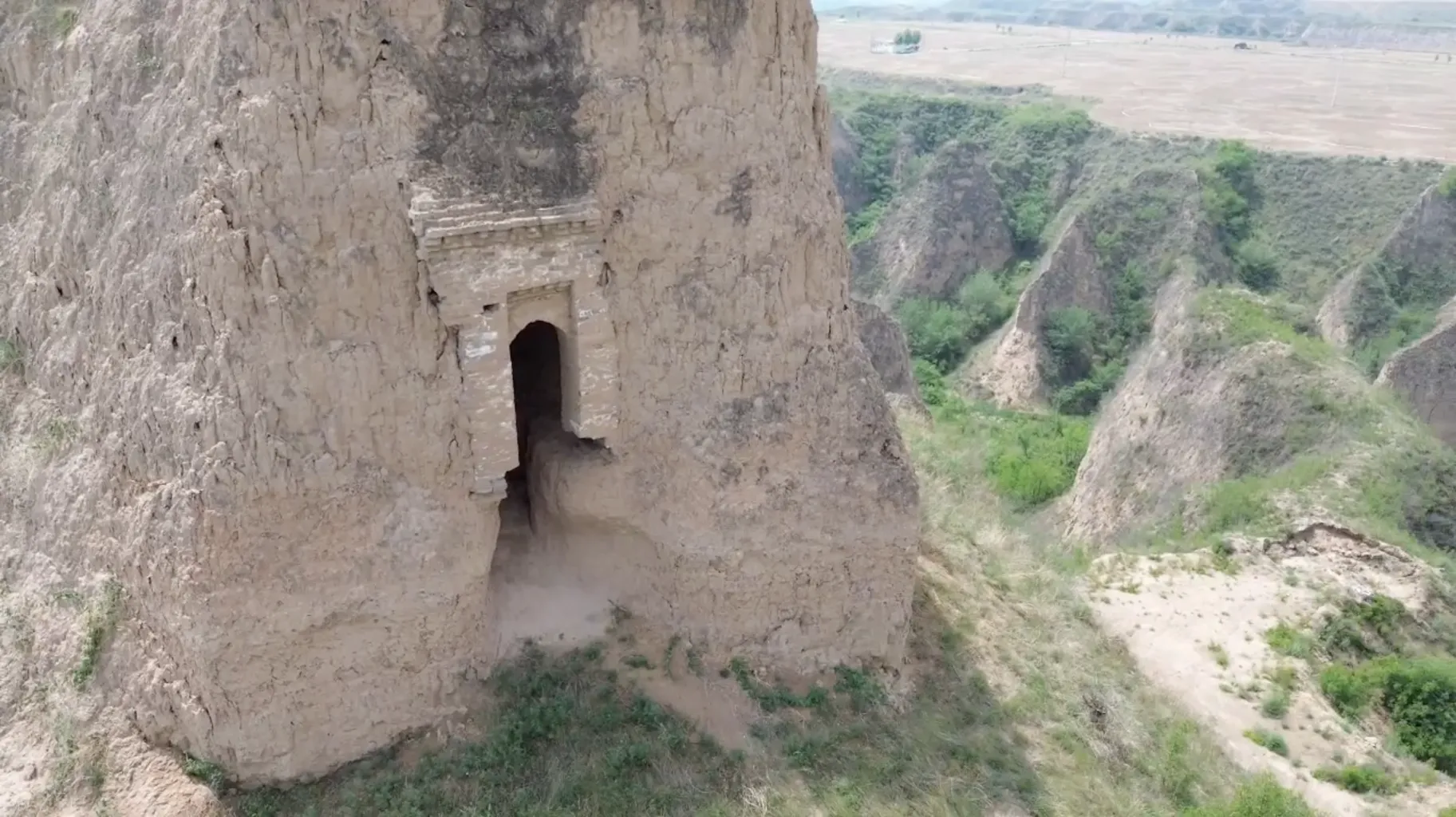
In November 2023, I stumbled upon an article on a Chinese news site about an ancient, mysterious site, which truly captured my imagination. This place, which seemed to be totally untouched by mainstream historians and archaeologists, featured what looked like a floating door on a flat-topped mountain. The image was surreal—a blend of natural and man-made elements that begged me to further explore. The reaction I got from this viral video I created, spurred me on even more to find out more about this mysterious place and so I decided to do something truly radical and hire somebody to go there!
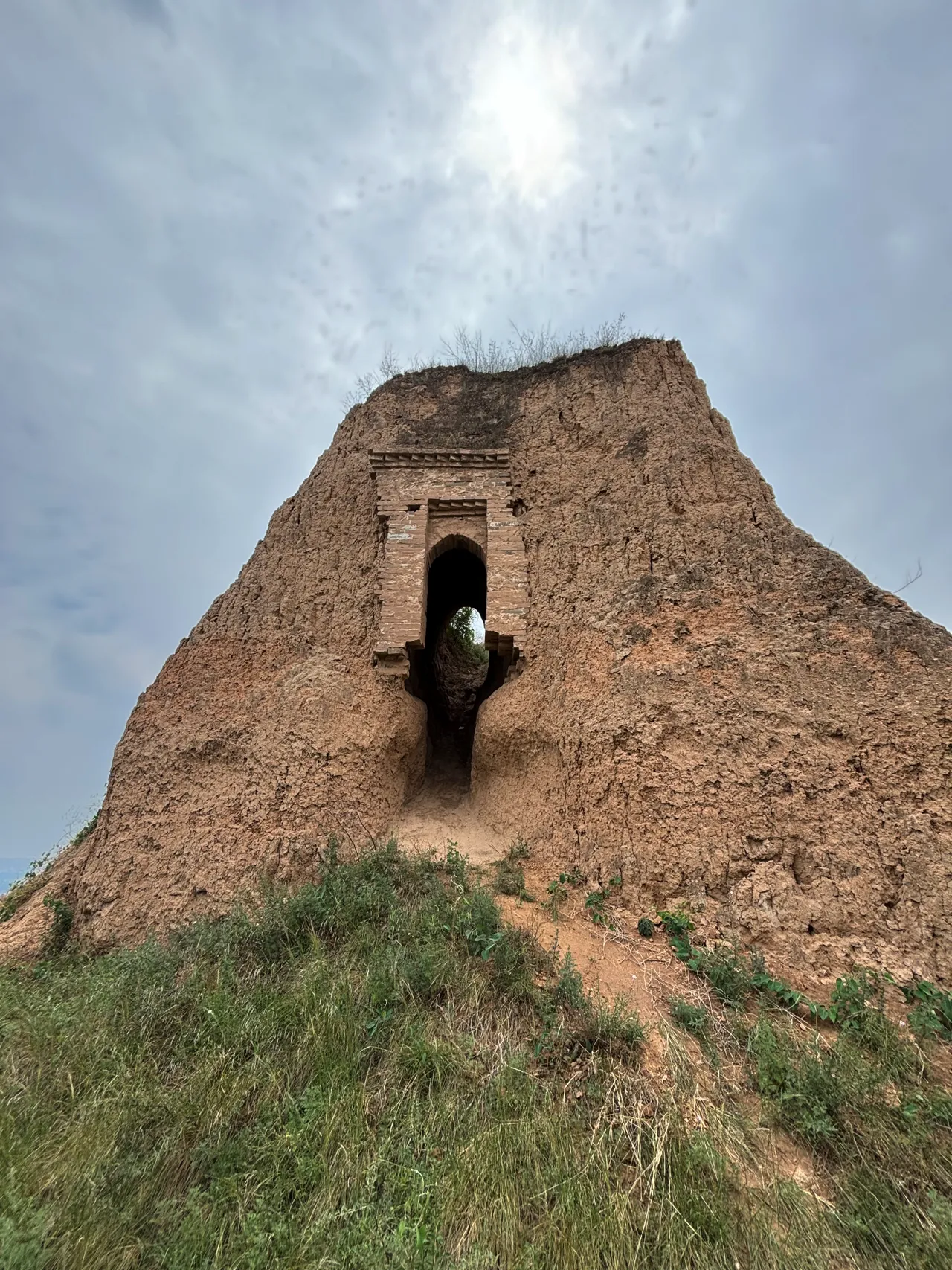
The Journey to Uncover its Ancient Secrets
This enigmatic site, which I later named the Hejin City Fortress, is nestled in Hejin City (河津 城市), Shanxi Province China (It’s coordinates are 35°34’48″N 110°47’18″E). It’s close to the yellow river and despite its apparent historical significance, it seemed to lack an official name (or at least one the recognised beyond it’s local population). While researching it, various names popped up like ‘Longmen Fortress’ and ‘Wiezhaung Village Castle’, but again the more I dug, the less conclusive the information was. It seemed like what little information was out there, was just confusing and inconsistent.
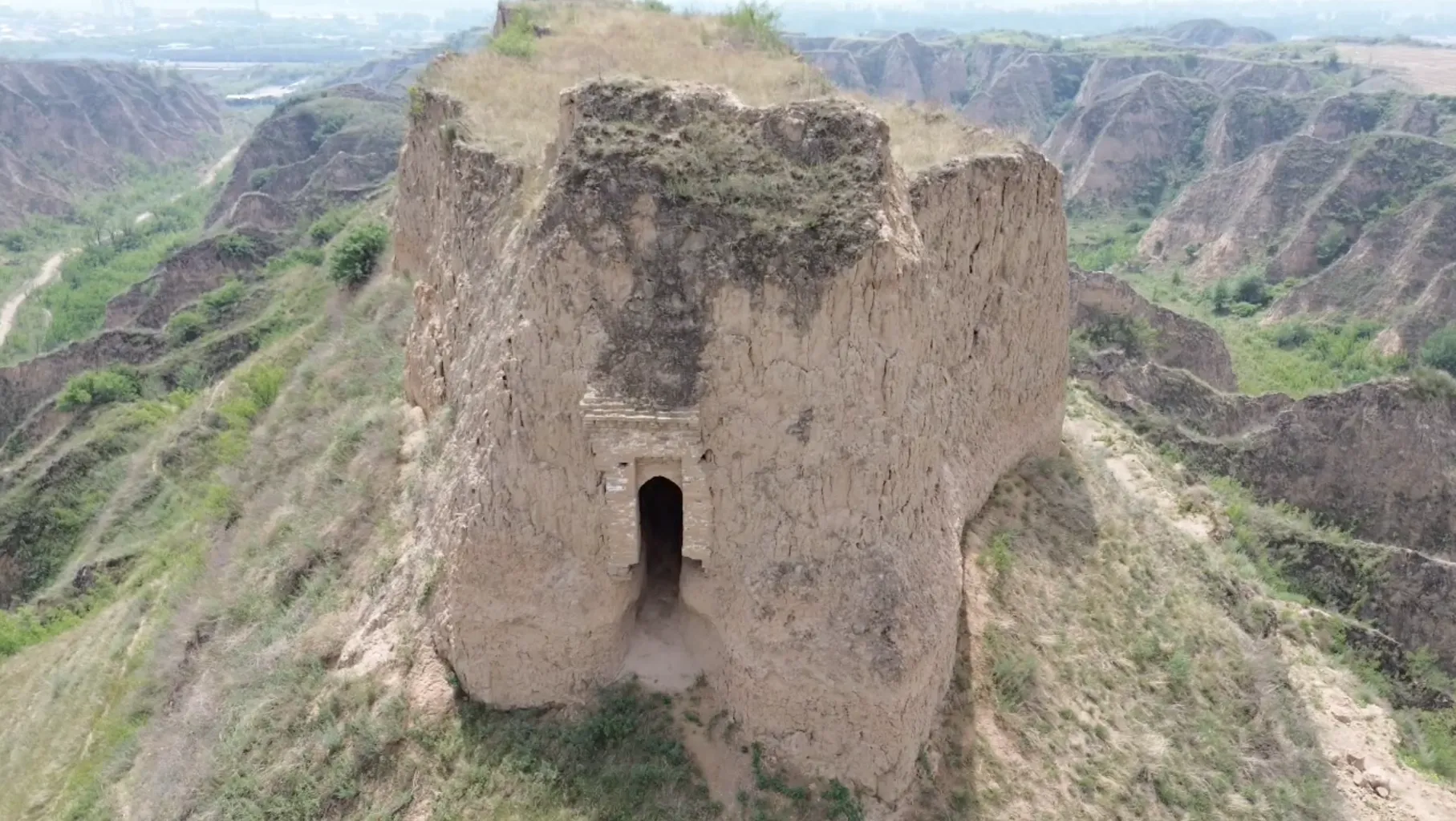
Hiring somebody to go to Hejin Ancient City
The Hejin City Fortress is a massive stone-walled stronghold standing on the east bank of the Yellow River in southern Shanxi province, China. Its origins are contested — some place its construction in the Eastern Han dynasty (25–220 CE), others in the Tang or Song periods between the 9th and 11th centuries CE — and almost no Chinese imperial chronicle records it by name, making it one of the most architecturally impressive yet historically silent fortifications in China.
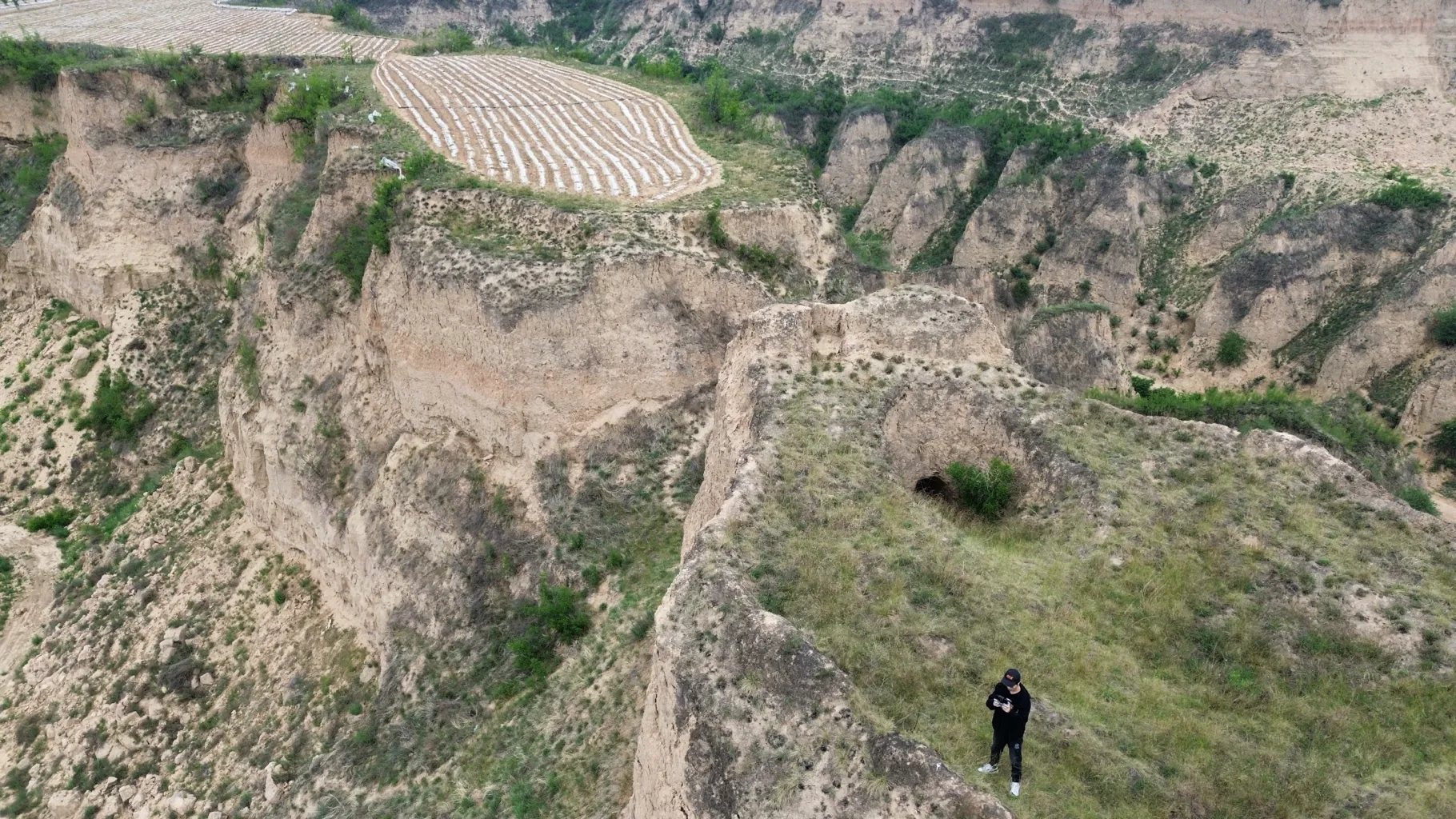
Challenges and Revelations at Hejin City
Jihao’s adventurous spirit led him to Hejin City, where he faced the challenges of difficult terrain and a collapsed loess slope due to recent rains at a crossing point. Despite these obstacles, a local man guided him to the fortress using an alternative route known only to him for a price of ¥50 Yuan. This local man was happy to talk about the fortress and shared that it served as a defense against Japanese bandits in ancient times. The singe entrance at the front was used as a choke point—a classic defensive tactic in military history and architecture.
Architectural Insights and Strategic Design
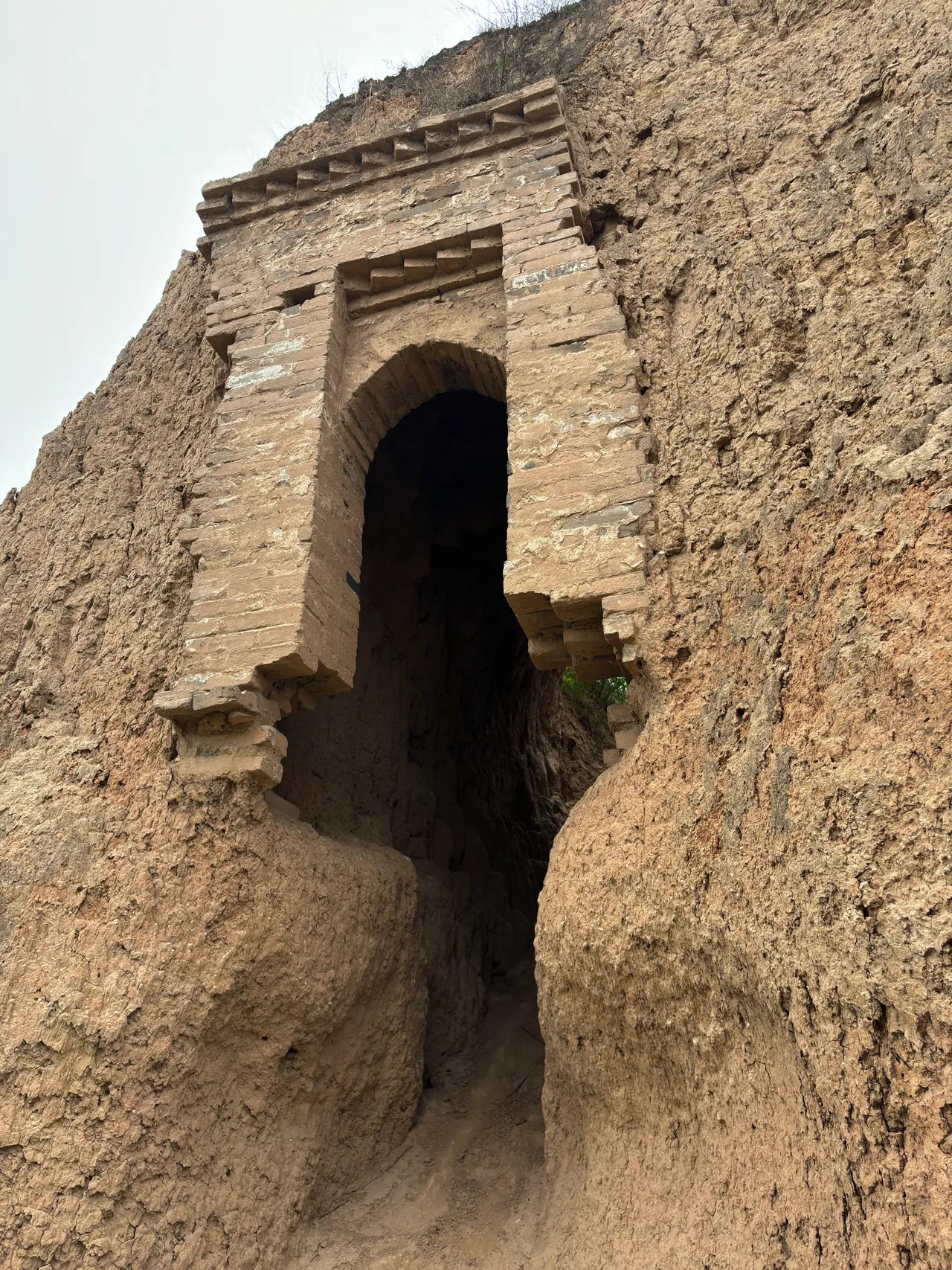
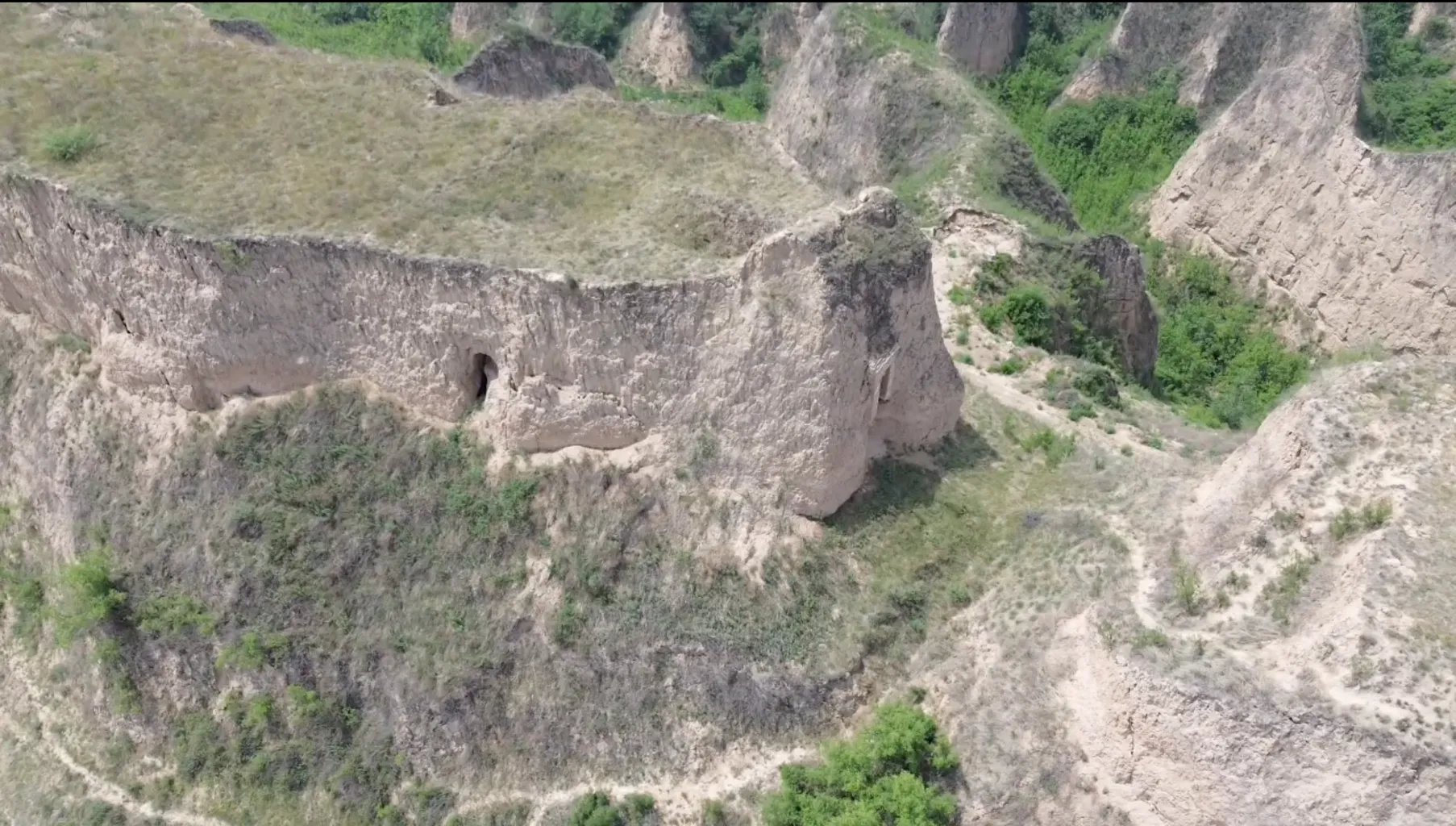
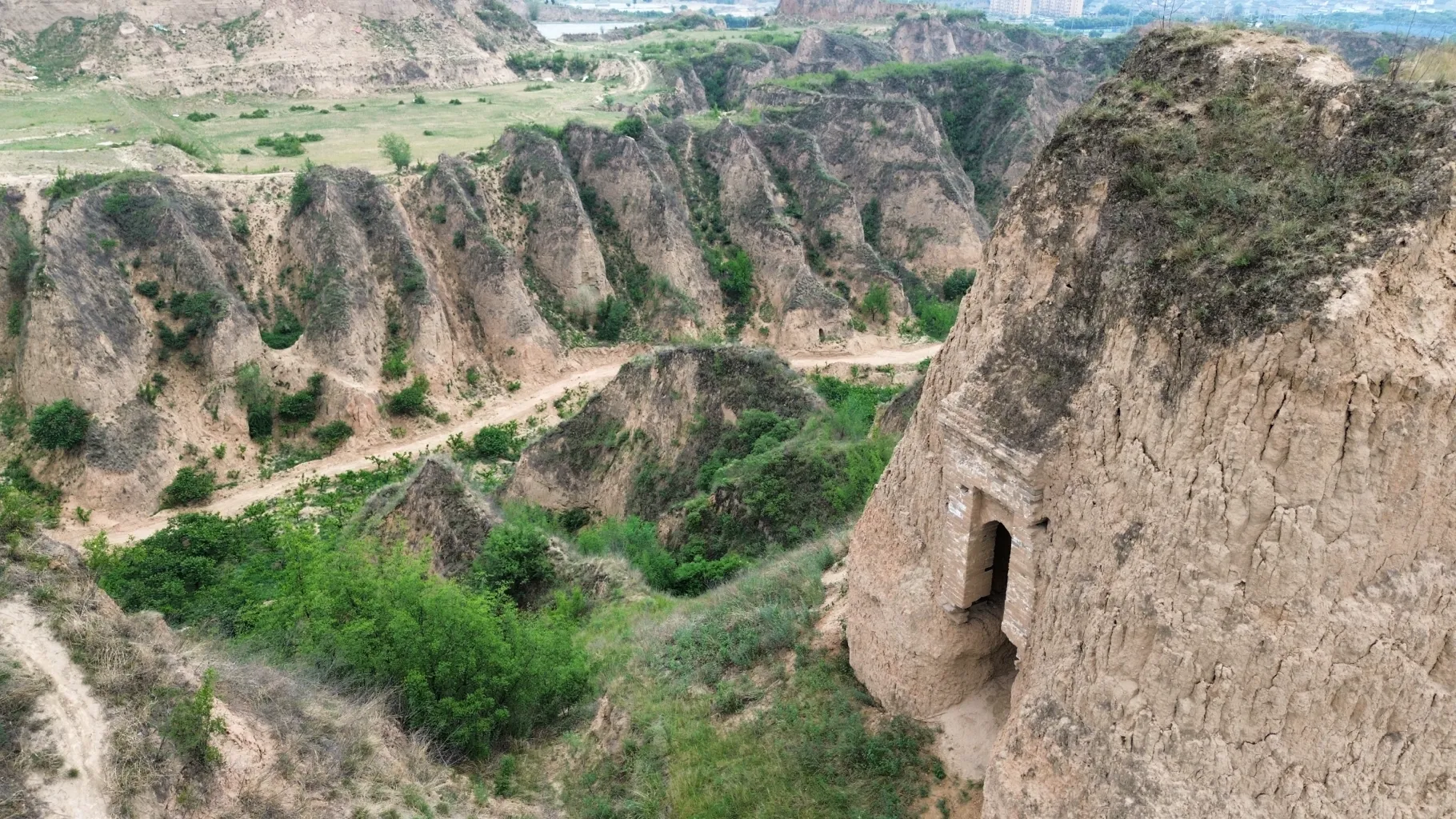
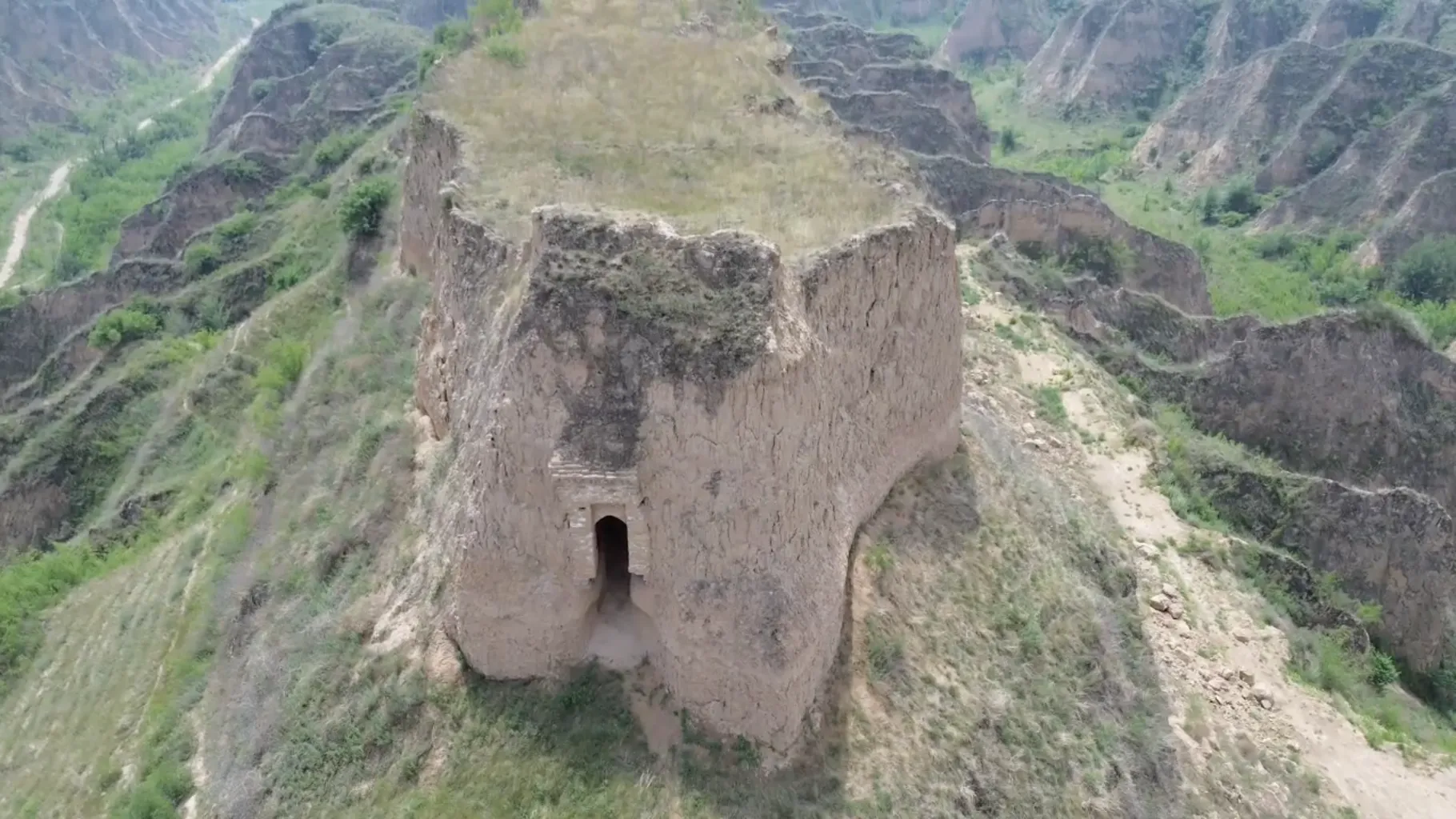
The Mysterious Ancient fortress’s design and location on a challenging landscape made it a formidable fortification from every angle with deep gorges on either side. Inside, the fortress was even more impressive. The steep climb to the single entrance and the potential secondary exit or entry point suggested sophisticated planning and knowledge of defensive architecture.
Despite its cryptic origins, the local man’s stories aligned with those from the original article I read, adding credibility to the oral histories surrounding the fortress. Despite the growing interest and additional online content, no formal archaeological study had been conducted, leaving many questions unanswered.
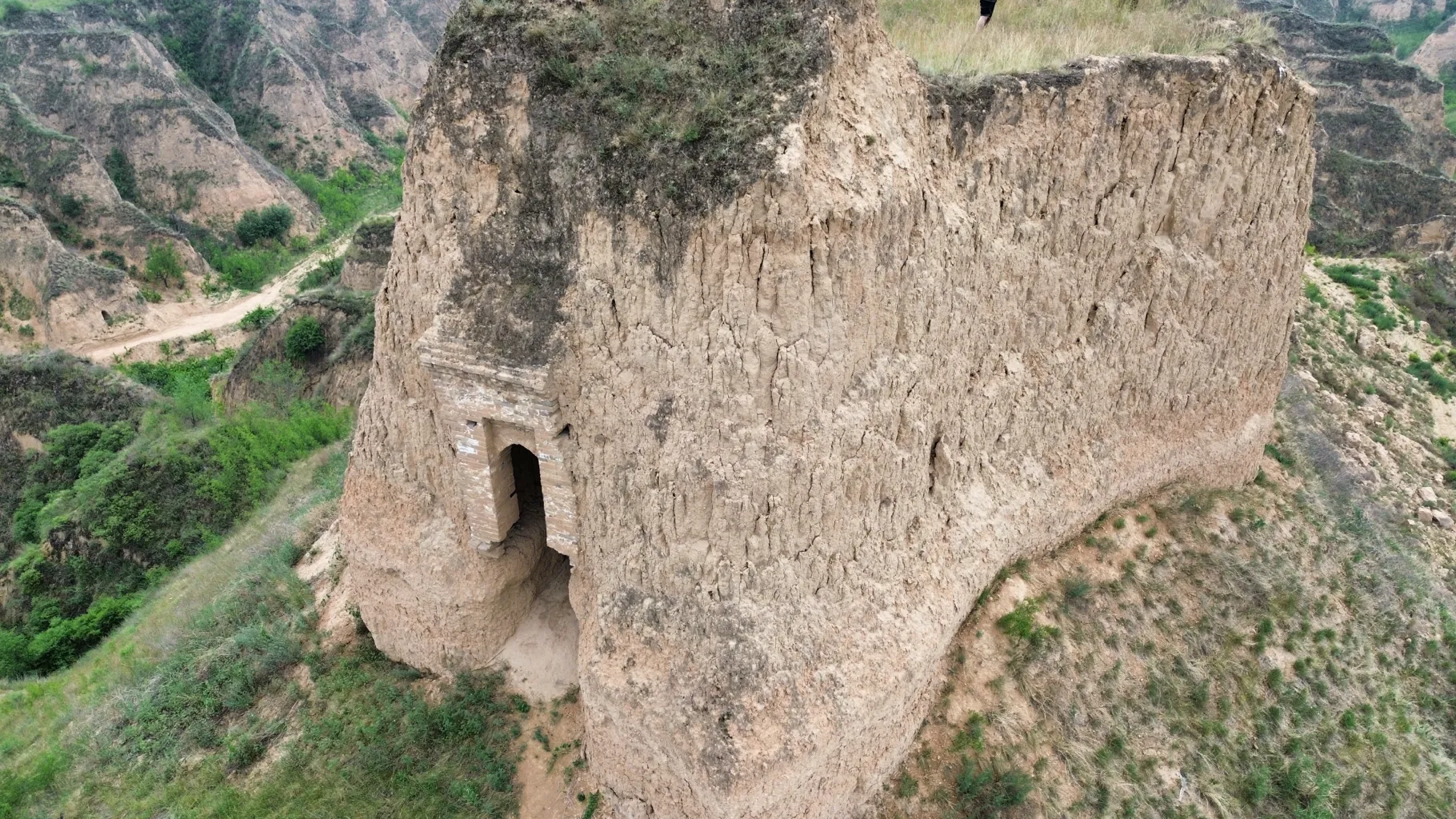
From Jihao’s visit and our ongoing research, we began piecing together the history and purpose of the Hejin City Fortress. The fortress’s strategic importance, its location and construction techniques suggested it was a significant military site, potentially dating back to medieval times, given the architectural similarities to other historical military structures in China.
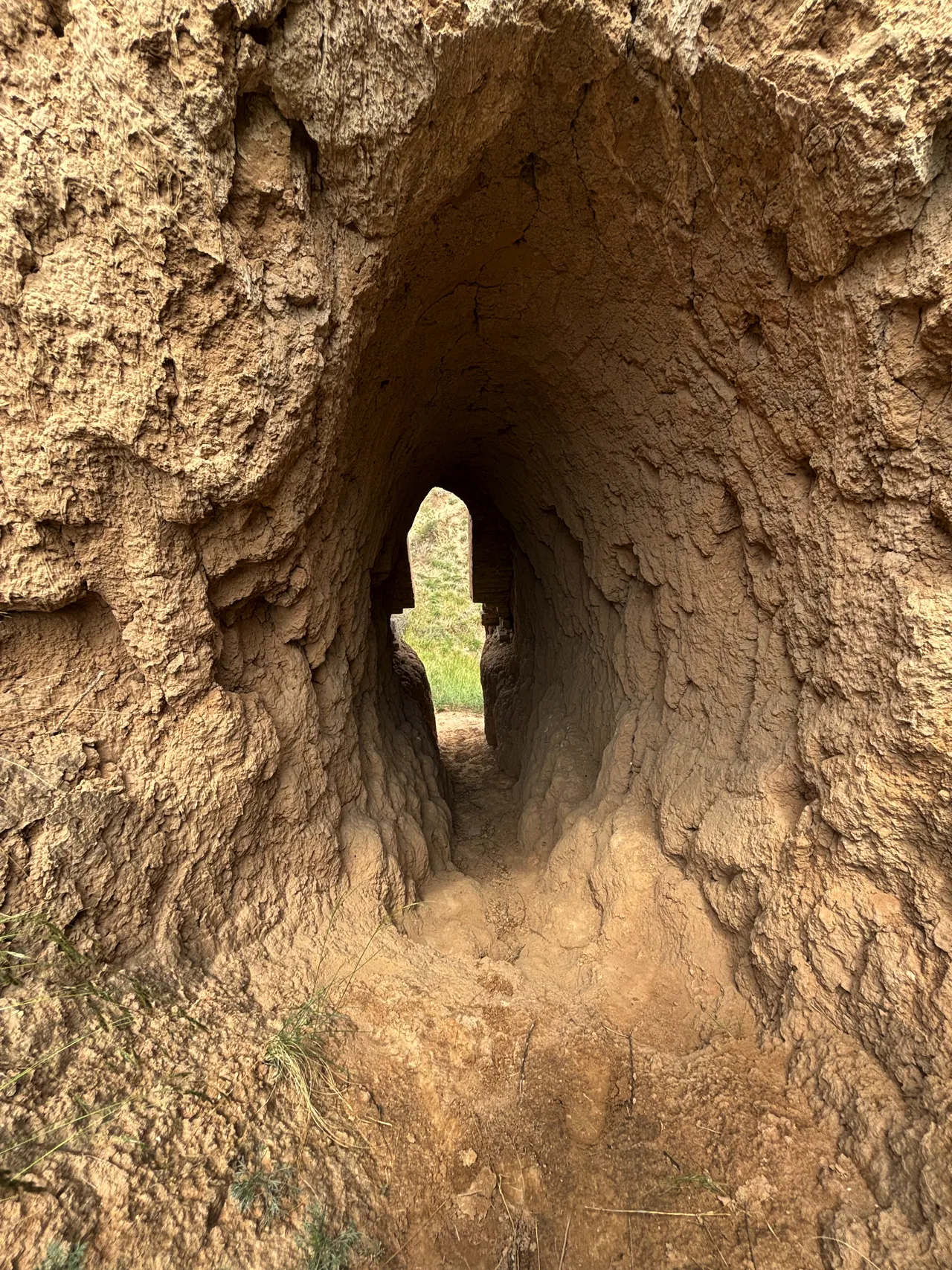
The use of bricks at the entrance could indicate a construction period around the Ming Dynasty-era, known for its use of grey bricks. However, the exact age of the fortress remains speculative without formal archaeological studies.
Historical Context and Local Legends
Local legends and historical contexts provided by the residents of Hejin City suggested that this remarkable historical site, may well have been used as a refuge during various conflicts, including potential raids by Japanese pirates historically referred to as “Wokou” and later during the Second Sino-Japanese War.
The fortress not only served as a military bastion but also as carved out shelters for the community. Cave dwellings within the structure could have housed locals and their livestock during sieges or attacks, a common practice in ancient fortifications.
The Unanswered Questions of Hejin City Fortress
Despite the lack of official recognition and academic research, the Hejin City Fortress stands as a testament to the ingenuity and resilience of its builders. Its strategic design, natural obstacles and the mysteries surrounding its history continue to intrigue and inspire those who, like myself, are passionate about uncovering the past.
Continuing the Quest for Knowledge
As I continue to explore and document these ancient sites, the true nature and history of the Hejin City Fortress remain open to interpretation and discovery. Whether it was a formidable fortress, a community haven, or something entirely different, its story is waiting to be told. The journey to uncover the secrets of Hejin City Fortress is just beginning, and I am committed to bringing its hidden history to light.
Find out more and get involved
If you can help, or would like to get involved in bringing more attention to this site and perhaps even study it, please email me.
You can watch the full video on my YouTube Channel here
Also you can find some of these images in a higher resolution, free to use with credit (please credit the brainchamber.com with a clickable link) on my Wikipedia Commons page here. If you would like to use drone footage or videos please email me.
Architecture and the Mystery of Dating
The fortress is built from massive stone walls — some sections exceeding 10 metres (33 feet) in height — wrapped around a defensible hilltop position on the east bank of the Yellow River. Its dating remains contested. Some sources push the founding back to the Eastern Han dynasty (25–220 CE), arguing for its role as a military outpost protecting the Wei Valley approach. More recent carbon dating of construction material places the surviving structure between the 9th and 11th centuries CE — pointing to the Tang (618–907 CE) or Song (960–1279 CE) dynasties. The discrepancy probably reflects a long history of occupation and reuse rather than a single founding date.
Why is the Hejin City Fortress so mysterious?
For a fortress this large, the silence of the imperial chronicles is striking. Almost no contemporary Chinese historian mentions it by name. The official histories of the Han, Tang and Song dynasties — usually meticulous about strategic strongholds — leave no record of it. This absence has made the fortress a regional curiosity rather than a national monument: a site whose physical presence is unmistakable but whose builders, garrison and purpose remain known only from the architecture itself.
Strategic Position on the Silk Road
Hejin sits at one of the narrowest crossings of the Yellow River in Shanxi province, a natural choke-point on the ancient overland trade routes that fed into the Silk Road system. A fortress here could control river traffic, monitor caravans heading west, and serve as a staging post for armies moving between the central plains and the steppe frontier. That strategic value alone is enough to explain the scale of the walls — whether they were built by Han generals or Tang princes.
Sources and Further Reading

Neural Pathways is a collective of seasoned experts and researchers with a profound passion for unraveling the enigmas of ancient history and artifacts. With a wealth of combined experience spanning decades, Neural Pathways has established itself as a leading voice in the realm of archaeological exploration and interpretation.