
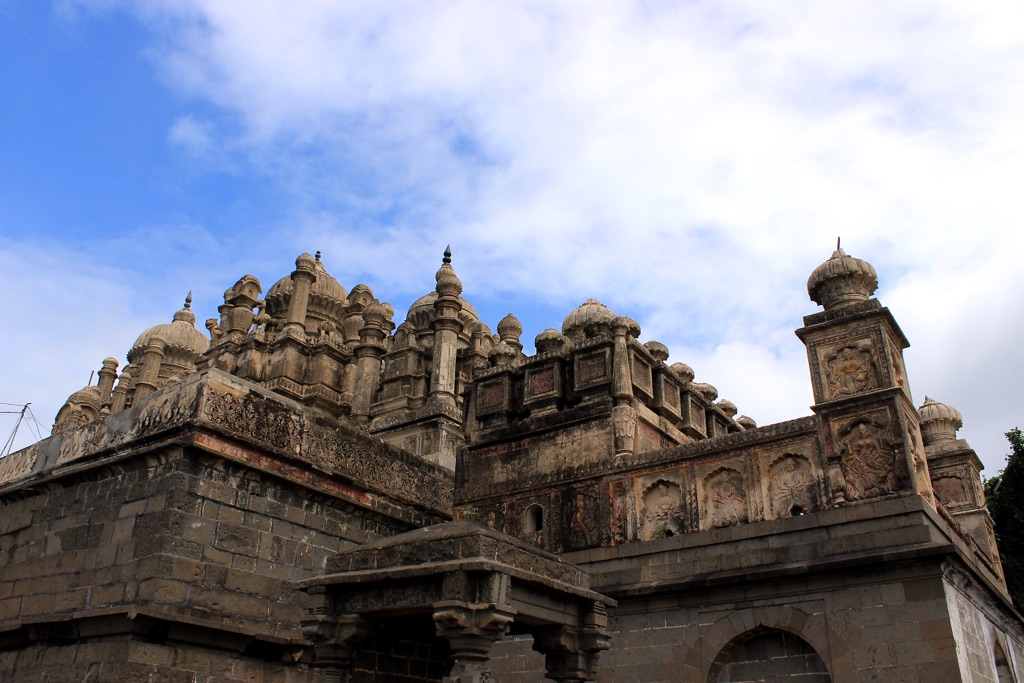
The Bhuleshwar Temple is a historic Hindu temple dedicated to Lord Shiva. It stands majestically on a hill in the Pune district of Maharashtra, India. Known for its exquisite carvings and unique architecture, the temple dates back to the 13th century. It is a fine example of the medieval period’s architectural prowess. The temple’s location provides a panoramic view of the surrounding countryside, which adds to its allure and mystique. Over the years, Bhuleshwar has attracted not only devotees but also history enthusiasts and art lovers.
Neural Pathways
Neural Pathways is a collective of seasoned experts and researchers with a profound passion for unraveling the enigmas of ancient history and artifacts. With a wealth of combined experience spanning decades, Neural Pathways has established itself as a leading voice in the realm of archaeological exploration and interpretation.
Our team of researchers and scholars provide unparalleled depth of knowledge in deciphering the intricate narratives embedded within ancient artifacts and deciphering the cultural nuances that shaped civilizations of the past. Through meticulous research, rigorous analysis, and a collaborative spirit, Neural Pathways has made and continues to make significant contributions to our understanding of the human past.
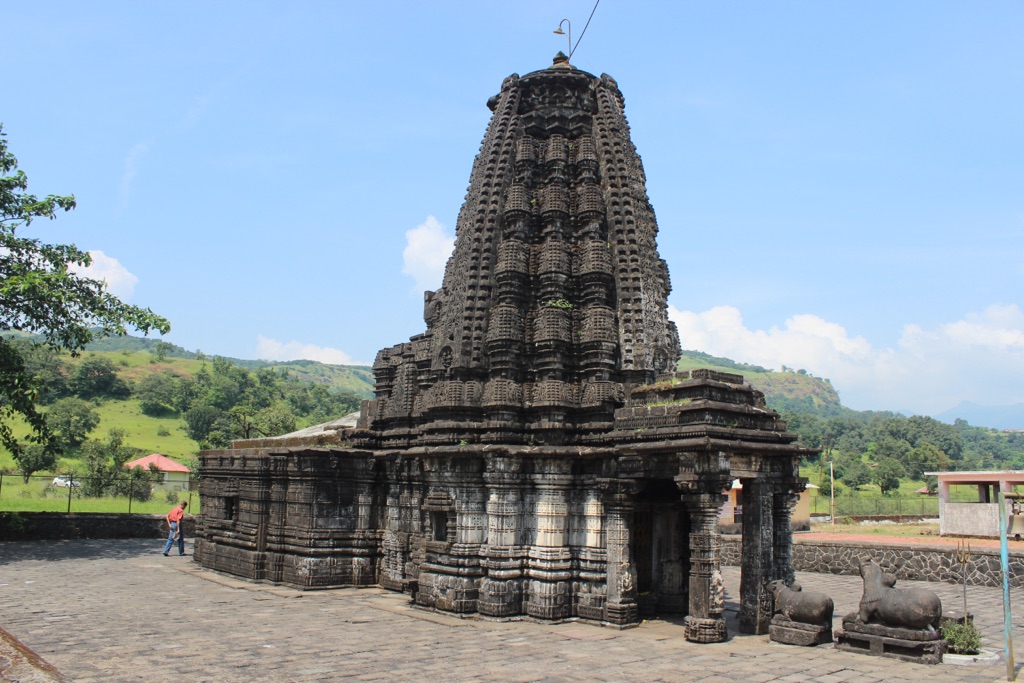
Amruteshwar Temple
The Amruteshwar Temple, carved from black stone, stands as a testament to the architectural prowess of ancient India. Nestled in the village of Ratanwadi, it is a prime example of the early Hemadpanti style, named after Hemadri, also known as Hemadpant, a minister during the Yadava Dynasty. This temple, dedicated to Lord Shiva, is over 1,200 years old and is known for its intricate carvings and elaborate design. It is part of the Kalsubai Harishchandragad wildlife sanctuary and sits at the base of the Ratangad fort. The temple is a popular destination for both pilgrims and trekkers, offering a blend of spiritual and natural beauty.
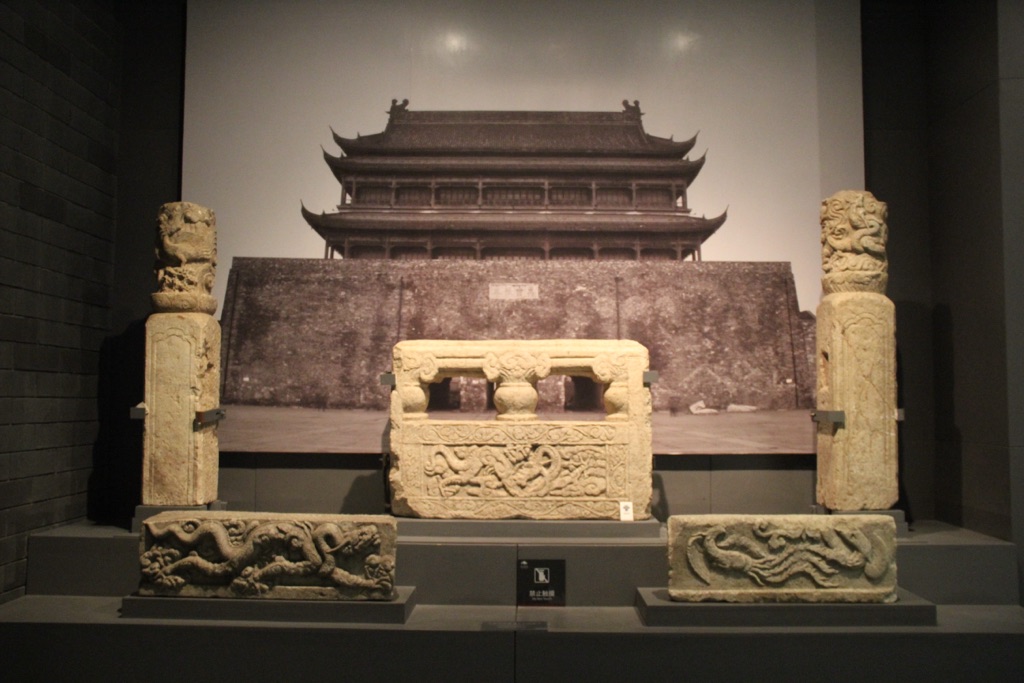
Zhongdu
Zhongdu, the capital of the Jurchen-led Jin dynasty in the 12th and 13th centuries, stood as a testament to the dynasty’s might and cultural achievements. Located in what is now Beijing, China, it was a city of grandeur and strategic importance. The Mongols, under Genghis Khan, razed Zhongdu in 1215 during their westward expansion. Its history is a rich tapestry of power struggles, cultural exchanges, and architectural innovation, reflecting the complex dynamics of the period.
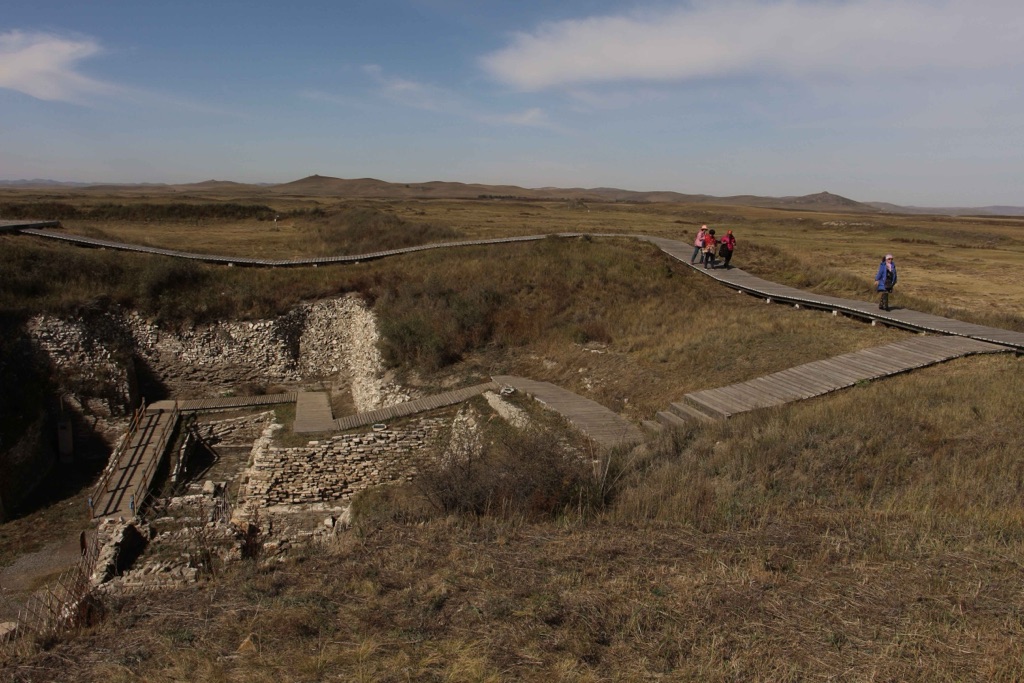
Shangdu (Xanadu)
Shangdu, also known as Xanadu, was the summer capital of Kublai Khan’s Yuan dynasty in China, before he decided to move his throne to the Jin Dynasty capital of Zhōngdū, now known as Beijing. Founded in 1256, it was a grand city famed for its opulence and magnificence, immortalized by Marco Polo and later by Samuel Taylor Coleridge in his poem “Kubla Khan.” The site is located in what is now Inner Mongolia, and it was here that Kublai Khan established a base for his conquest of China. Shangdu was designed by the Chinese architect Liu Bingzhong and served not only as a summer retreat but also as a symbol of the Yuan dynasty’s power. However, its glory was short-lived; the city fell into disuse and was eventually abandoned after the fall of the Yuan dynasty. Today, the ruins of Shangdu are recognized as a UNESCO World Heritage Site, offering a window into the past and the cultural exchanges between the nomadic Mongols and the Chinese civilization they ruled.
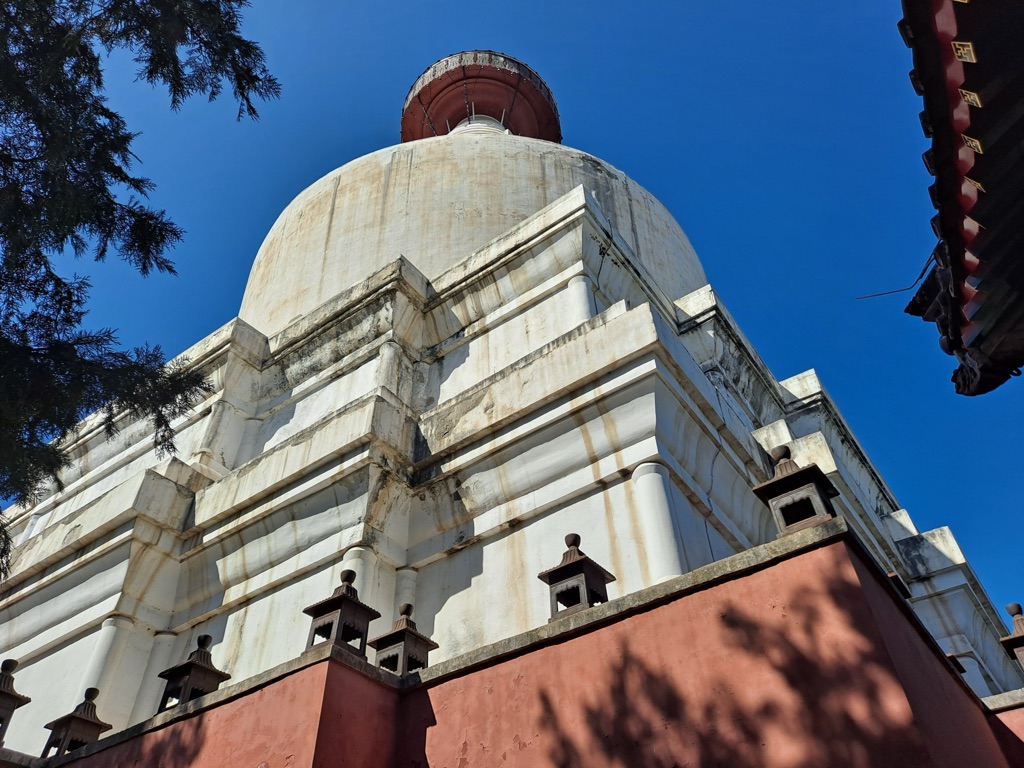
Miaoying Temple
The Miaoying Temple, also known as the White Stupa Temple, is a historical marvel located in Beijing, China. It’s renowned for its striking white stupa, which stands as a testament to the architectural prowess of the Yuan Dynasty. The temple has a rich history, having been built under the patronage of Kublai Khan, the founder of the Yuan Dynasty and the grandson of Genghis Khan. Over the centuries, it has been a site of Buddhist worship and cultural exchange, reflecting the diverse history of Beijing itself.
Honcopampa (Joncopampa)
Honcopampa is an archaeological site in the highlands of Peru. It’s nestled in the Andean mountains, offering a glimpse into the ancient Wari civilization. The site features a complex of ruins, including stone structures and tombs. Researchers believe it was a significant center during the Wari Empire’s peak, between 600 and 1000 AD. Honcopampa’s discovery and subsequent studies have provided valuable insights into the Wari’s social, political, and religious practices.