
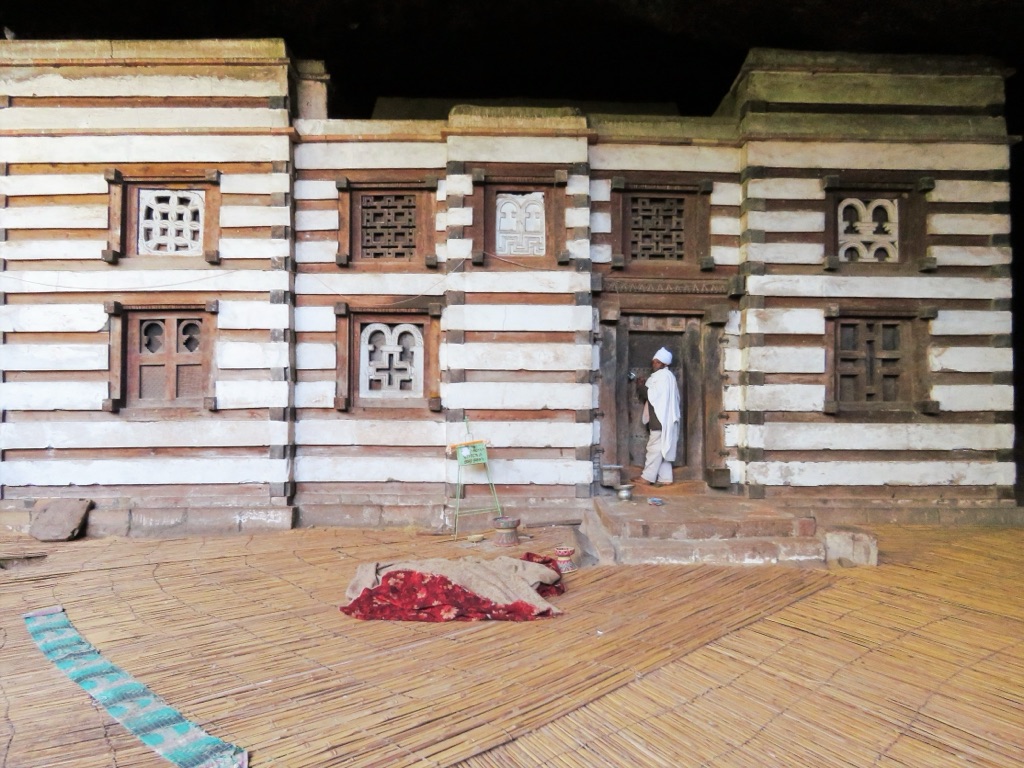
Yemrehanna Kristos is a remarkable church located in the northern part of Ethiopia, near the town of Lalibela. It predates the famous rock-hewn churches of Lalibela, having been built in the Aksumite fashion with layers of wood and granite. This architectural marvel is nestled within a cave and is known for its interior adorned with intricate woodwork and frescoes. The church is named after the Zagwe dynasty King Yemrehanna Kristos, who is believed to have commissioned it in the early 12th century. It remains an important pilgrimage site and a testament to Ethiopia’s rich historical and religious heritage.
Neural Pathways
Neural Pathways is a collective of seasoned experts and researchers with a profound passion for unraveling the enigmas of ancient history and artifacts. With a wealth of combined experience spanning decades, Neural Pathways has established itself as a leading voice in the realm of archaeological exploration and interpretation.
Our team of researchers and scholars provide unparalleled depth of knowledge in deciphering the intricate narratives embedded within ancient artifacts and deciphering the cultural nuances that shaped civilizations of the past. Through meticulous research, rigorous analysis, and a collaborative spirit, Neural Pathways has made and continues to make significant contributions to our understanding of the human past.
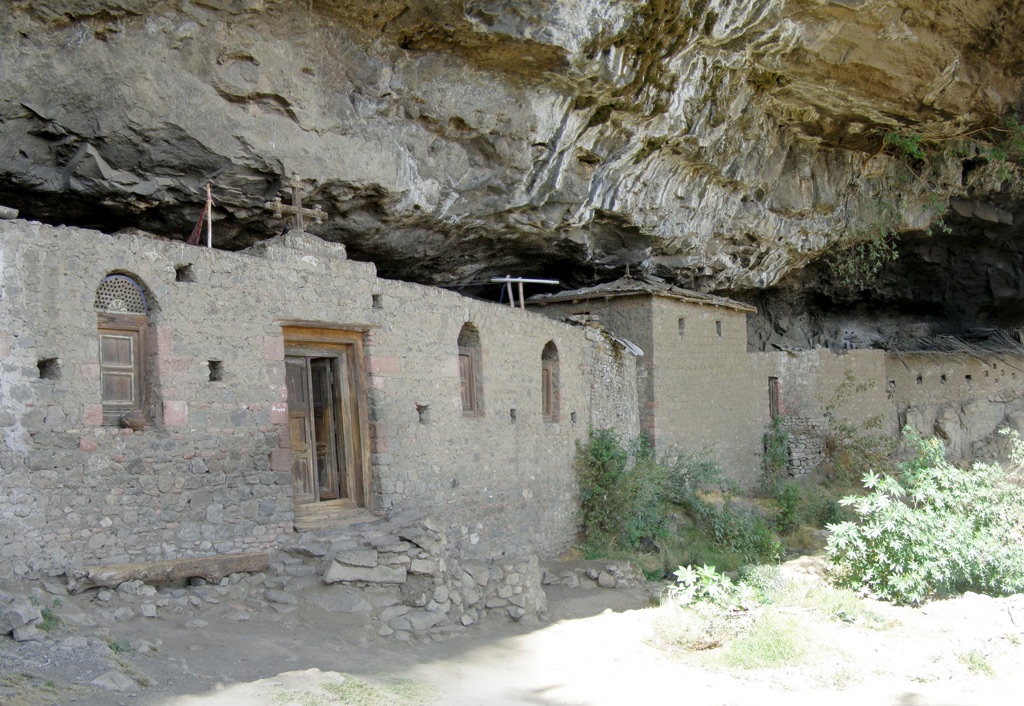
Na’akuto La’ab
Na’akuto La’ab is a monolithic church located in the northern part of Ethiopia. Carved from a living rock, it is a testament to the country’s rich religious history and architectural ingenuity. The church is associated with King Lalibela of the Zagwe dynasty, who is said to have commissioned its construction. Na’akuto La’ab stands as a significant pilgrimage site and a remarkable example of Ethiopia’s medieval period rock-hewn churches.
Caliphate City of Medina Azahara
The Caliphate City of Medina Azahara, a palatial city complex, stands as a testament to the grandeur of the Umayyad dynasty in al-Andalus. Built by Caliph Abd-ar-Rahman III in the 10th century, it served as a political and administrative center. Located near Cordoba, Spain, the ruins reflect the cultural zenith of the Caliphate of Cordoba. The city was short-lived, however, as it was sacked during a civil war and fell into ruin. Today, it is an archaeological site that offers invaluable insights into Islamic art, architecture, and civilization in medieval Spain.
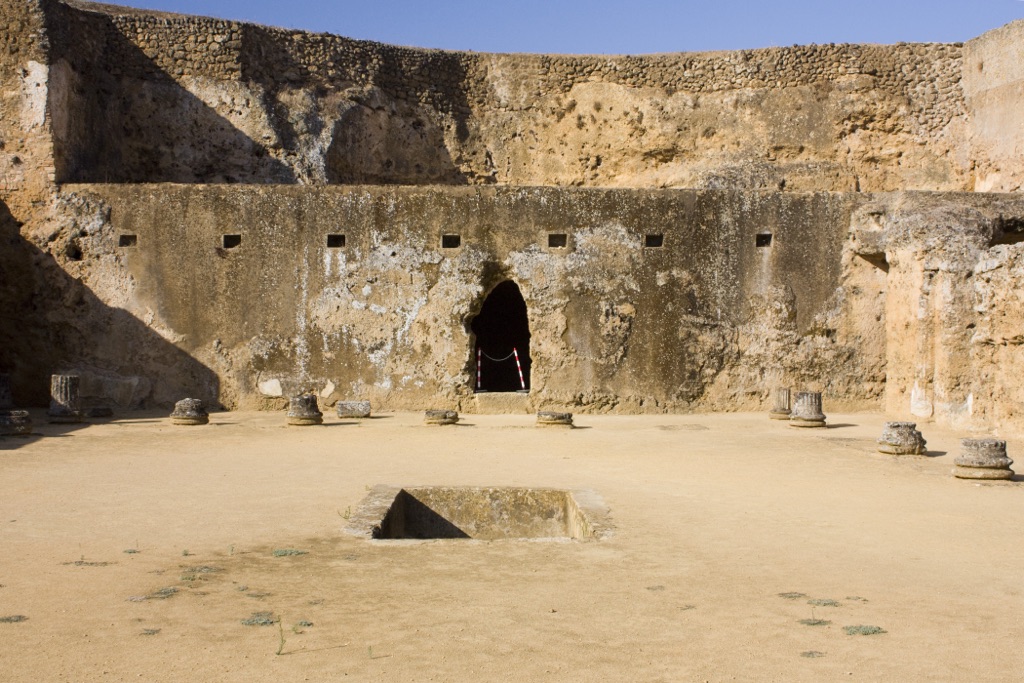
Necropolis of Carmona
The Necropolis of Carmona is a significant archaeological site located in Carmona, Spain. It serves as a window into ancient burial practices and social structures. This ancient cemetery, dating back to the Iron Age and Roman periods, is renowned for its elaborate tomb structures. The site provides invaluable insights into the rituals and beliefs of past civilizations that once thrived in the region.
Iskanwaya
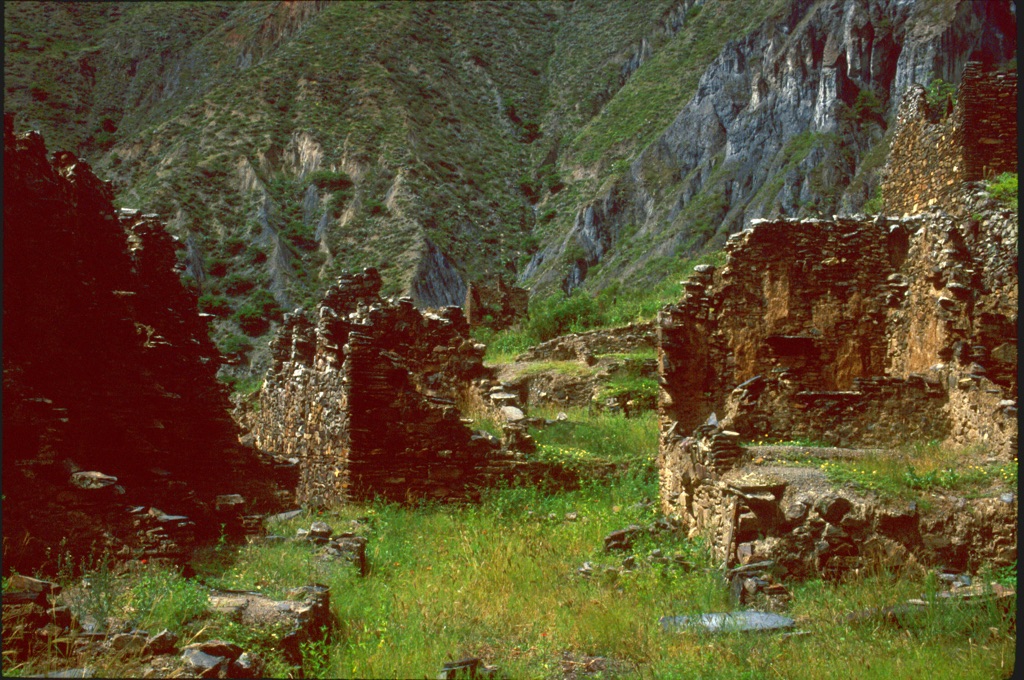
Iskanwaya, located in the La Paz Department of Bolivia, is an archaeological site atop a hill overlooking the Rio Muñecas valley. Dating to around 1500 AD, this ancient city is a key site of the Lupaqa culture near Lake Titicaca, with a comprehensive urban layout comprising residential domains, public zones, and ceremonial sectors.
Bandurria Peru
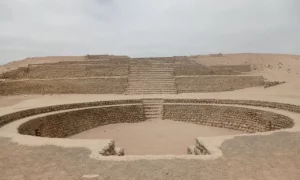
Bandurria, Peru, is an archaeological site on the central coast of Peru, dating to around 3000 BC, which is among the oldest in the Americas. The site consists of mounds and plazas, reflecting the sophisticated society of the time. Discovered in 1973 by Alejandro Chu, extensive excavations started in 2005, unveiling its ancient origins.
The inhabitants of the Huaura Valley, who were among the first to adopt a sedentary lifestyle, built Bandurria. Its architecture indicates its use as a ceremonial center. While the reason for its abandonment remains unclear, theories range from environmental changes to social conflicts.