
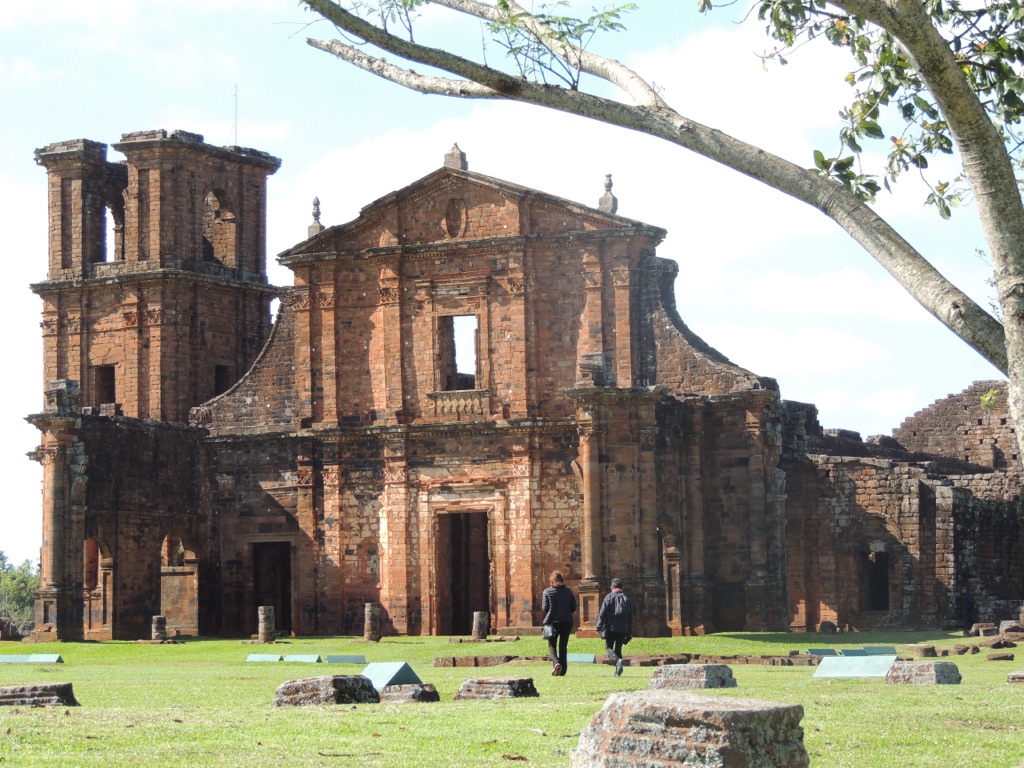
The Ruinas de San Miguel Arcángel are the remnants of a Jesuit mission complex in South America. Founded in the 17th century, it was part of a larger system of missions known as the Jesuit Reductions. These missions were established to convert local indigenous communities to Christianity and to protect them from enslavement. The ruins are located in the modern-day Brazilian state of Rio Grande do Sul, near the border with Argentina. They represent a unique blend of European and Guarani cultural elements, both in architecture and in the artifacts found at the site. The mission was abandoned in the 18th century after the Jesuits were expelled from Spanish territories. Today, the ruins are a UNESCO World Heritage Site, recognized for their historical and cultural significance.
Neural Pathways
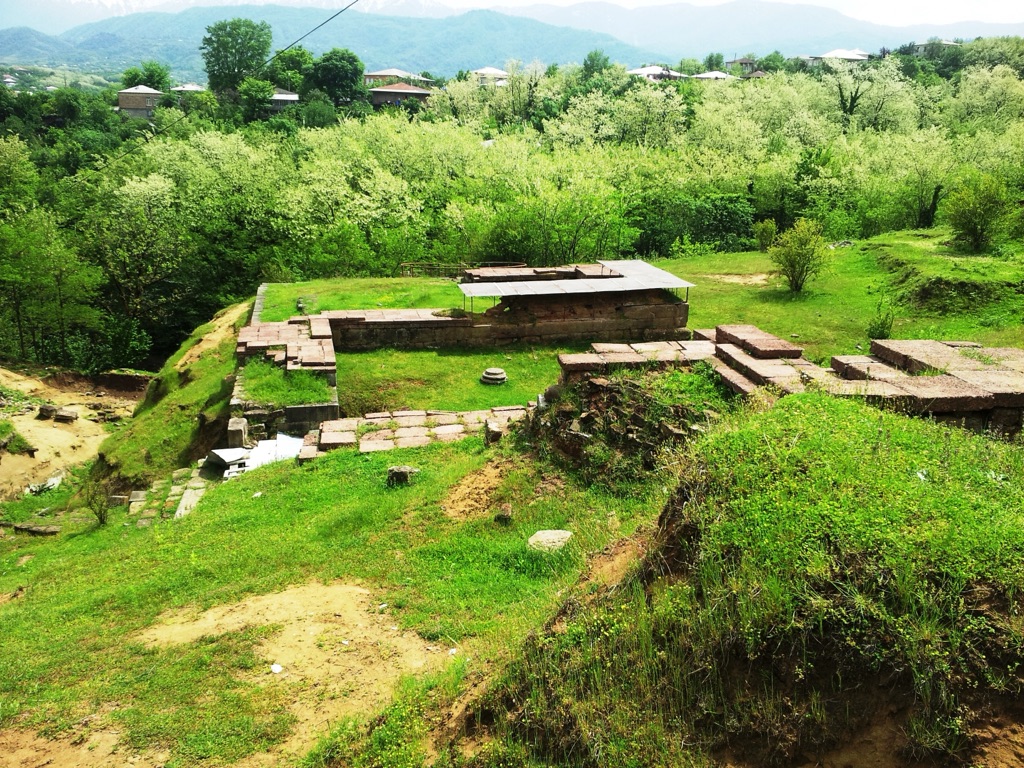
Ancient Vani
Ancient Vani, nestled in the rolling hills of western Georgia, stands as a testament to the rich cultural tapestry of the Colchian civilization. This archaeological site, dating back to the 8th century BC, was a thriving center of trade, culture, and religion. Its discovery has shed light on the mysterious Colchian kingdom, known from Greek mythology as the destination of Jason and the Argonauts in their quest for the Golden Fleece. The artifacts unearthed at Vani, including exquisite gold jewelry, bronze sculptures, and pottery, offer a glimpse into the life and artistry of an ancient people who once dominated the eastern shores of the Black Sea.
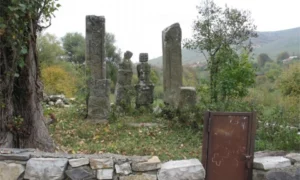
Gomareti stelae
Dating back to the pre-Christian era, the Gomareti Steles are among the most significant artifacts of Georgian culture. These stone stelae and crosses, discovered in the vicinity of Gomareti, hold immense value not only for the study of Georgian art history but also for understanding the early history of the Georgian Church. The steles serve as a vital source of historical knowledge, adorned with contemporary ornaments and bearing lapidary inscriptions that classify them as epigraphic monuments. The region of Kvemo Kartli, with Gomareti at its heart, is recognized as a principal center for the study of these ancient artifacts.
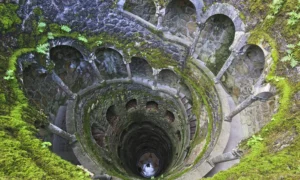
Initiation Wells of Quinta da Regaleira Portugal
The Initiation Wells of Quinta da Regaleira are a fascinating architectural and mystical feature located in Sintra, Portugal. These wells, resembling subterranean towers, are lined with stairs and were used for ceremonial purposes that included Tarot initiation rites. The property of Quinta da Regaleira is a decorative 20th-century residence that boasts a luxurious park featuring lakes, grottoes, wells, benches, fountains, and a vast array of exquisite constructions. The wells are connected by underground tunnels and include the ‘Initiation Well’ or ‘Inverted Tower,’ which plunges 27 meters into the earth. The beauty and enigmatic nature of these wells attract visitors from around the world, drawn to their symbolic features that hint at connections to the Knights Templar, the Masons, and alchemy.
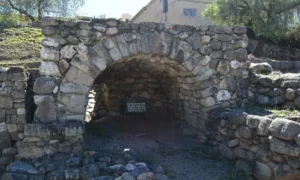
Complejo Arqueológico de Todos Santos
The Complejo Arqueológico de Todos Santos is a captivating historical site nestled in the highlands of Ecuador. This archaeological complex offers a window into the past, showcasing the ingenuity and culture of the indigenous people who once thrived in the region. The site includes a variety of structures, such as ancient temples, plazas, and burial sites, which provide invaluable insights into the social and ceremonial practices of its former inhabitants.
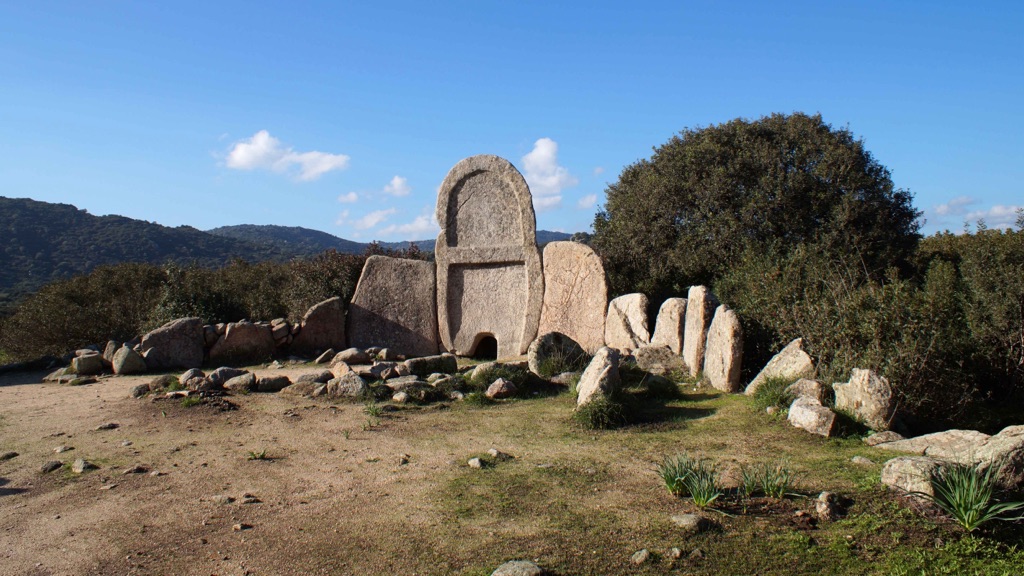
S’Ena e Thomes
S’Ena e Thomes is a significant archaeological site located in Sardinia, Italy. It is one of the largest and best-preserved nuragic tombs known as “giants’ graves.” These collective burial sites date back to the Bronze Age, created by the Nuragic civilization. The site stands as a testament to the island’s prehistoric inhabitants and their complex social structures, religious beliefs, and architectural skills.