
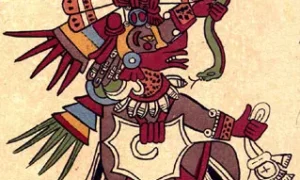
Quetzalcoatl, whose name translates to “Feathered Serpent” in Nahuatl, stands as one of the most significant deities in Mesoamerican cultures, particularly among the Aztecs and Toltecs. This deity embodies a complex blend of earthly and divine attributes, symbolizing the union of the heavens and the earth. Quetzalcoatl is not only a god of wind and air but also a creator deity who played a pivotal role in the creation and sustenance of mankind. His mythological narratives are rich and varied, reflecting his importance across different cultures in pre-Columbian Mesoamerica.
Neural Pathways
Neural Pathways is a collective of seasoned experts and researchers with a profound passion for unraveling the enigmas of ancient history and artifacts. With a wealth of combined experience spanning decades, Neural Pathways has established itself as a leading voice in the realm of archaeological exploration and interpretation.
Our team of researchers and scholars provide unparalleled depth of knowledge in deciphering the intricate narratives embedded within ancient artifacts and deciphering the cultural nuances that shaped civilizations of the past. Through meticulous research, rigorous analysis, and a collaborative spirit, Neural Pathways has made and continues to make significant contributions to our understanding of the human past.
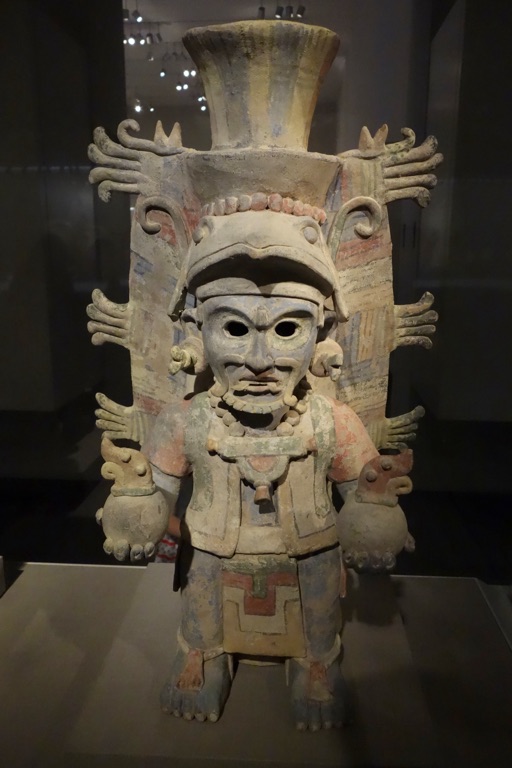
Huitzilopochtli – Aztec God
Huitzilopochtli, a central deity in Aztec mythology, stands as a god of the sun and war. His name, often translated as “Hummingbird of the South” or “Hummingbird on the Left,” reflects his significant attributes and the Aztec’s deep reverence for him. As a patron god of the Mexica (Aztec people), Huitzilopochtli’s influence permeated various aspects of Aztec culture, from warfare to religious practices.
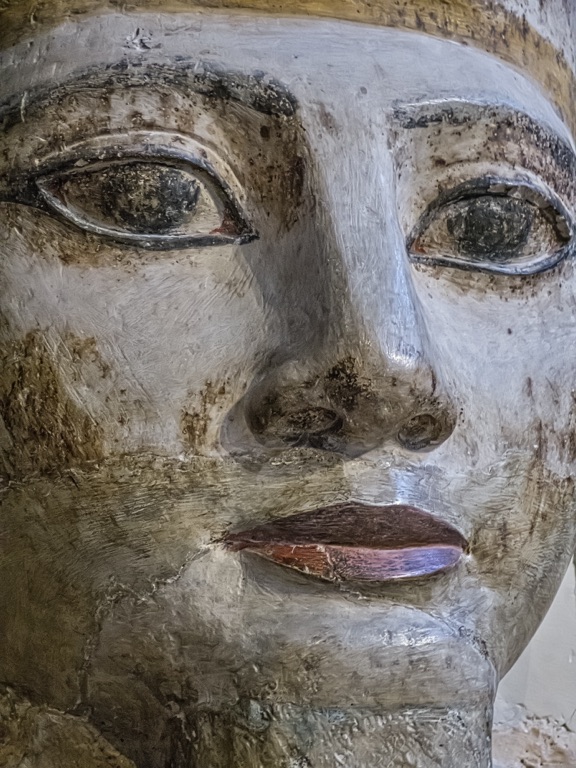
Ramses II – Egypts Most Powerful Pharaoh
Ramses II, also known as Ramesses the Great, was one of ancient Egypt’s most celebrated pharaohs, reigning for an impressive 66 years from 1279 to 1213 BCE. Born into the Nineteenth Dynasty, his rule is marked by significant military, architectural, and cultural achievements that have cemented his legacy as a paramount figure in Egyptian history.
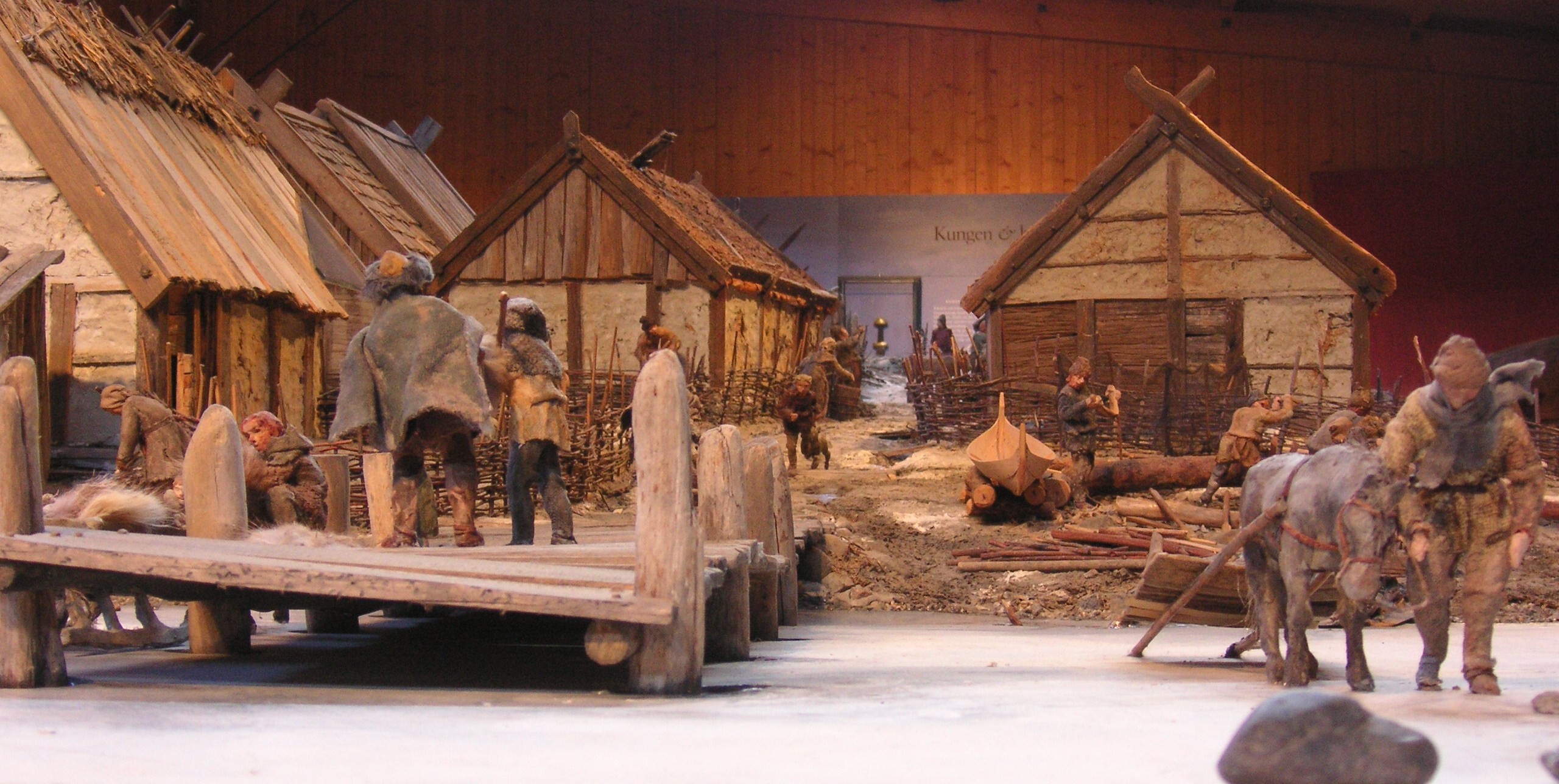
Birka Archaeological Site
The Birka Archaeological Site is a significant historical landmark located on the island of Björkö in Sweden. It is widely recognized as one of the earliest urban centers in Scandinavia, dating back to the Viking Age. Birka served as an important trading hub during the 8th to 10th centuries and has been a treasure trove for archaeologists seeking to understand Viking society. The site includes remains of the ancient town, fortifications, cemeteries, and a harbor. UNESCO designated Birka a World Heritage Site, acknowledging its value in shedding light on the Viking Age’s economic, social, and political aspects.
Kaupang
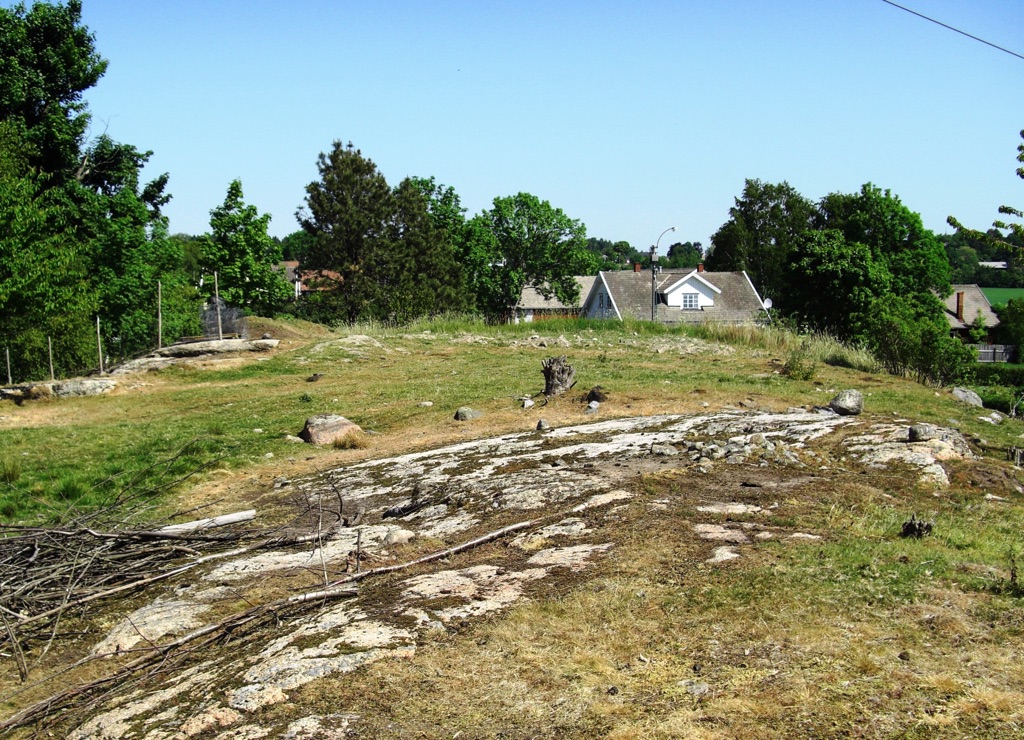
Kaupang was a bustling Viking Age trade center located in Skiringssal, which is now part of Larvik in Vestfold, Norway. Established around the late 8th century, it was one of the earliest urban sites in Scandinavia. Kaupang hosted a variety of activities including trade, craft production, and possibly administration. The site provides valuable insights into the Viking Age economy and social structures. Excavations have revealed artifacts from local and distant origins, suggesting extensive trade networks. Kaupang’s significance lies in its role as a precursor to later medieval cities in the region.
Hedeby
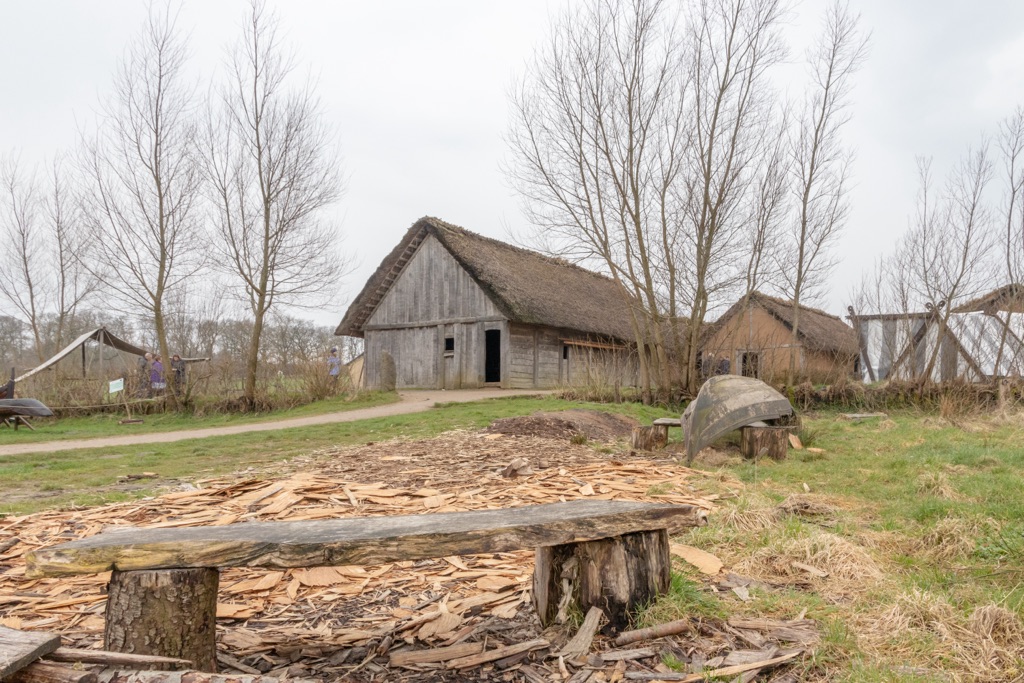
Hedeby was an important Viking Age trading settlement located in what is now northern Germany. It thrived from the 8th to the 11th century and was one of the largest Nordic cities during its peak. Hedeby’s strategic position at the base of the Jutland Peninsula and along important trade routes made it a bustling hub for commerce and interaction between Scandinavia, the Baltic, the North Sea, and beyond. The site includes remains of the town, fortifications, and a harbor, reflecting its historical significance. It was designated a UNESCO World Heritage site, highlighting its value for understanding the Viking Age.