
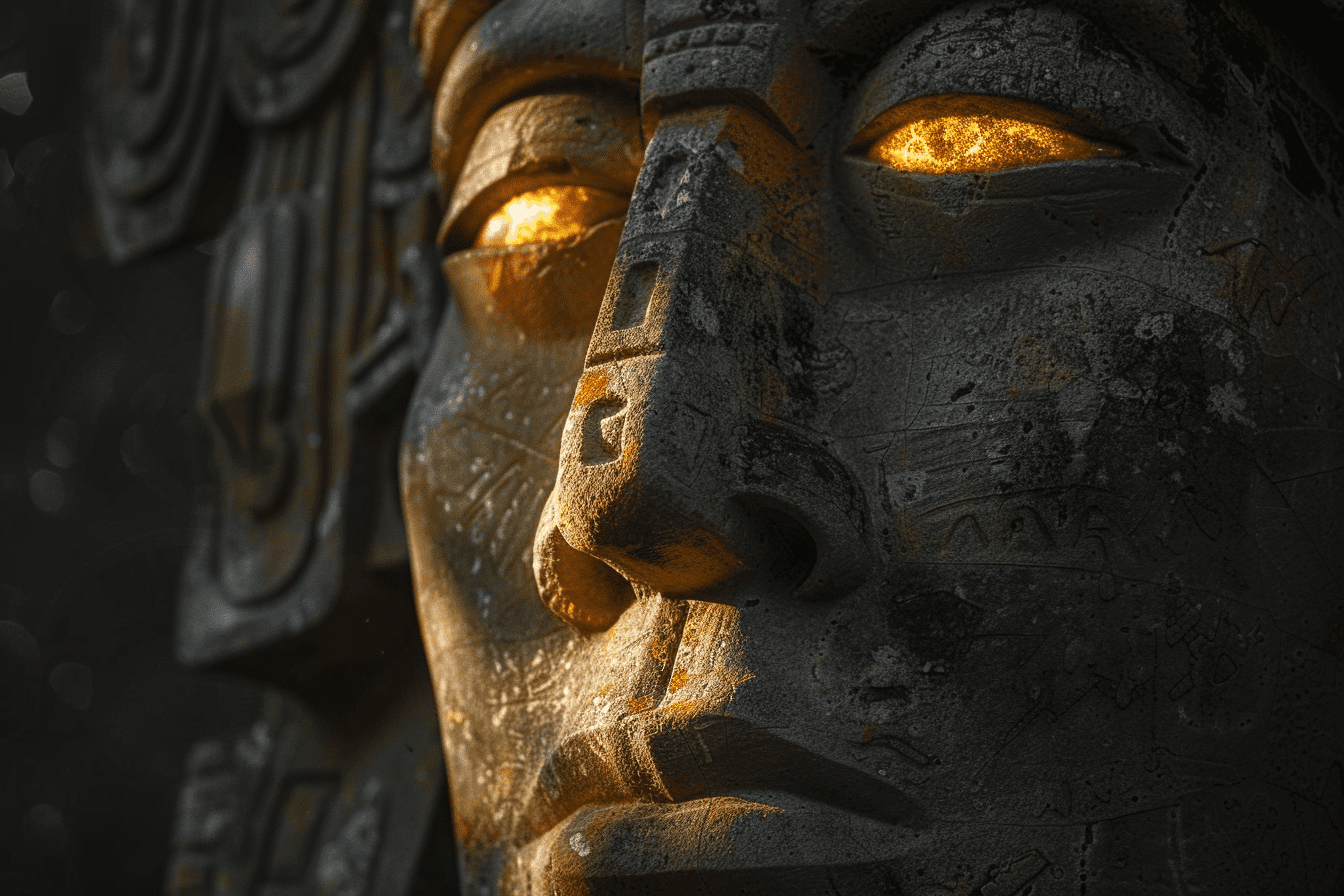
Inti, revered as the supreme solar deity in the Inca pantheon, holds a central place in the mythology and cosmology of the Inca civilization. As the sun god, Inti was not only worshiped as the source of warmth, light, and life but also regarded as the ancestor of the Incas, reinforcing the divine right of the Inca rulers, who were considered direct descendants of Inti. This connection between the deity and the ruling class underscored the sociopolitical structure of the Inca Empire, intertwining religion with governance.
Neural Pathways
Neural Pathways is a collective of seasoned experts and researchers with a profound passion for unraveling the enigmas of ancient history and artifacts. With a wealth of combined experience spanning decades, Neural Pathways has established itself as a leading voice in the realm of archaeological exploration and interpretation.
Our team of researchers and scholars provide unparalleled depth of knowledge in deciphering the intricate narratives embedded within ancient artifacts and deciphering the cultural nuances that shaped civilizations of the past. Through meticulous research, rigorous analysis, and a collaborative spirit, Neural Pathways has made and continues to make significant contributions to our understanding of the human past.
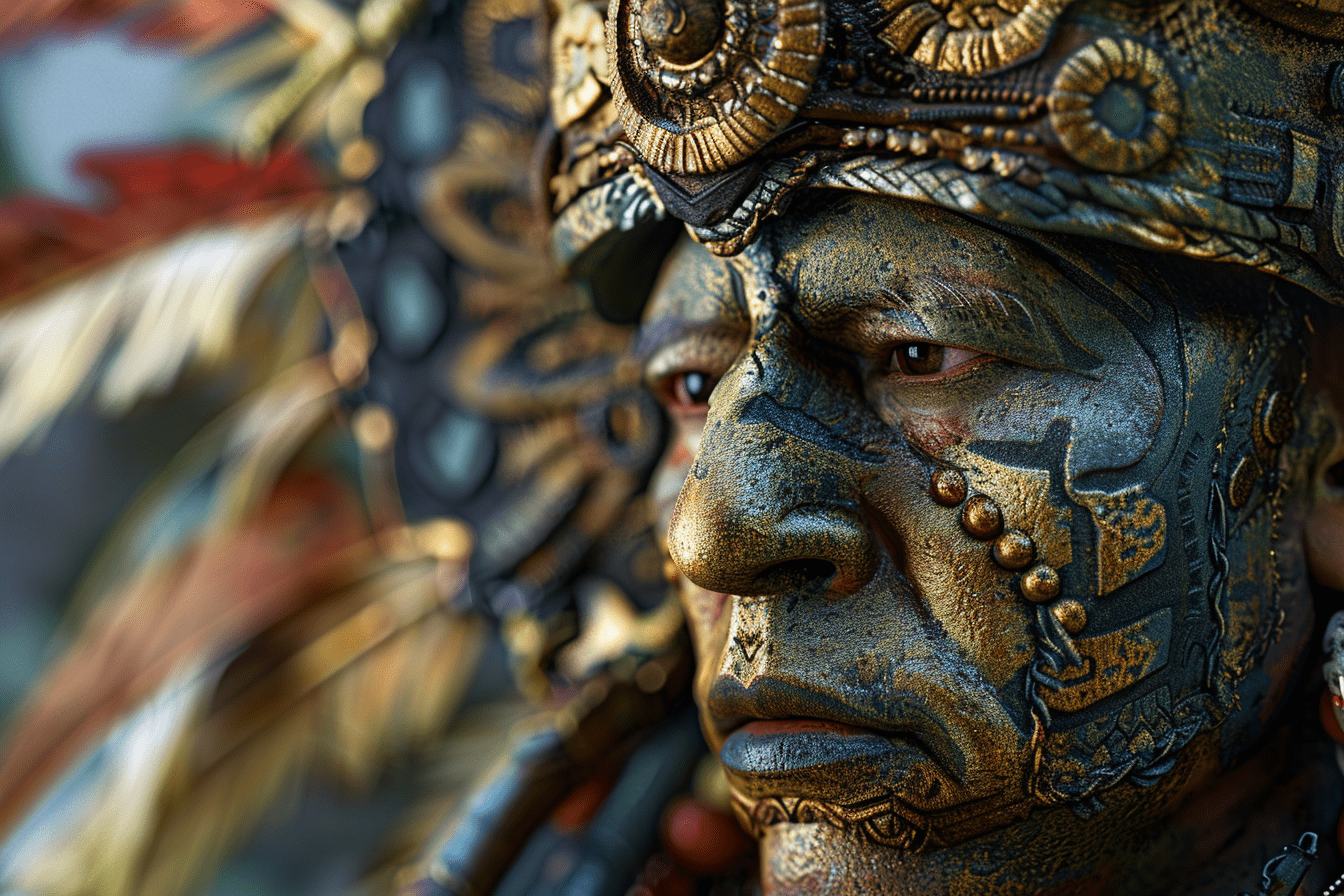
Viracocha: The Inca Creator God
Viracocha stands as a paramount figure in the pantheon of Inca mythology, revered as the supreme creator god. His influence spans the creation of the cosmos, the earth, and all living beings, marking him as a central deity in the Inca religious system. This deity’s narrative not only offers insight into the cosmological views of the Inca civilization but also reflects the broader Andean cultural traditions.
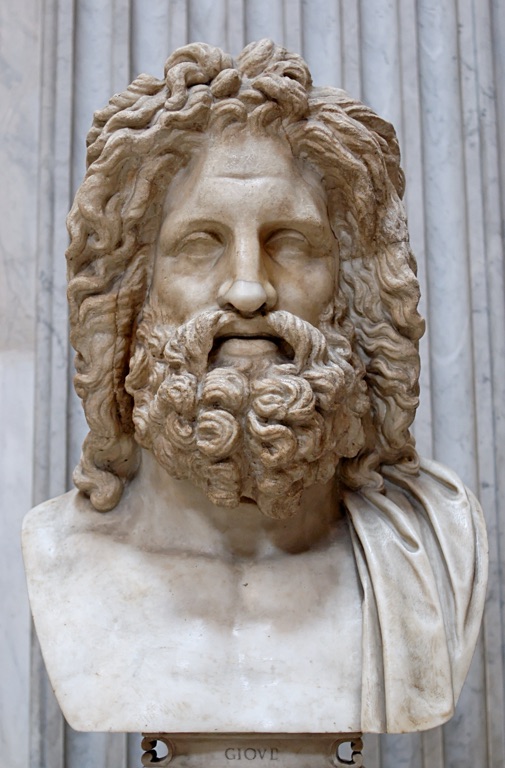
Zeus – The Greek God
Zeus stands as the paramount figure within Greek mythology, embodying the role of the sky and thunder god in ancient Greek religion. His origins are traced back to the earliest Greek myths, where he is depicted as the youngest son of the Titans Cronus and Rhea. According to myth, Zeus was saved from being swallowed by his father, Cronus, who had been foretold that one of his children would dethrone him. Rhea hid Zeus in a cave on Crete, where he was raised away from his voracious father. Upon reaching adulthood, Zeus challenged Cronus, leading to the Titan’s defeat and Zeus’s ascension as the king of the gods. His significance in Greek mythology cannot be overstated; he was considered the ruler of the heavens and the earth, a mediator of justice, and the enforcer of divine law.
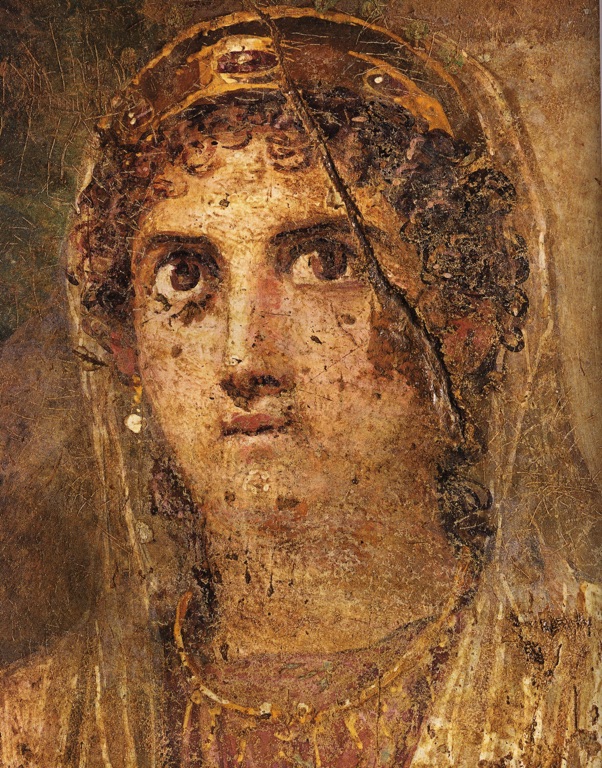
Hera – The Greek Goddess
Hera, the queen of the Olympian gods, stands as a central figure in Greek mythology. Known as the wife and sister of Zeus, Hera is a goddess of marriage and childbirth, embodying the ideals of matronly virtue and fidelity. Her influence extends beyond the domestic sphere, as she plays a significant role in the pantheon, often depicted as a majestic and solemn figure.
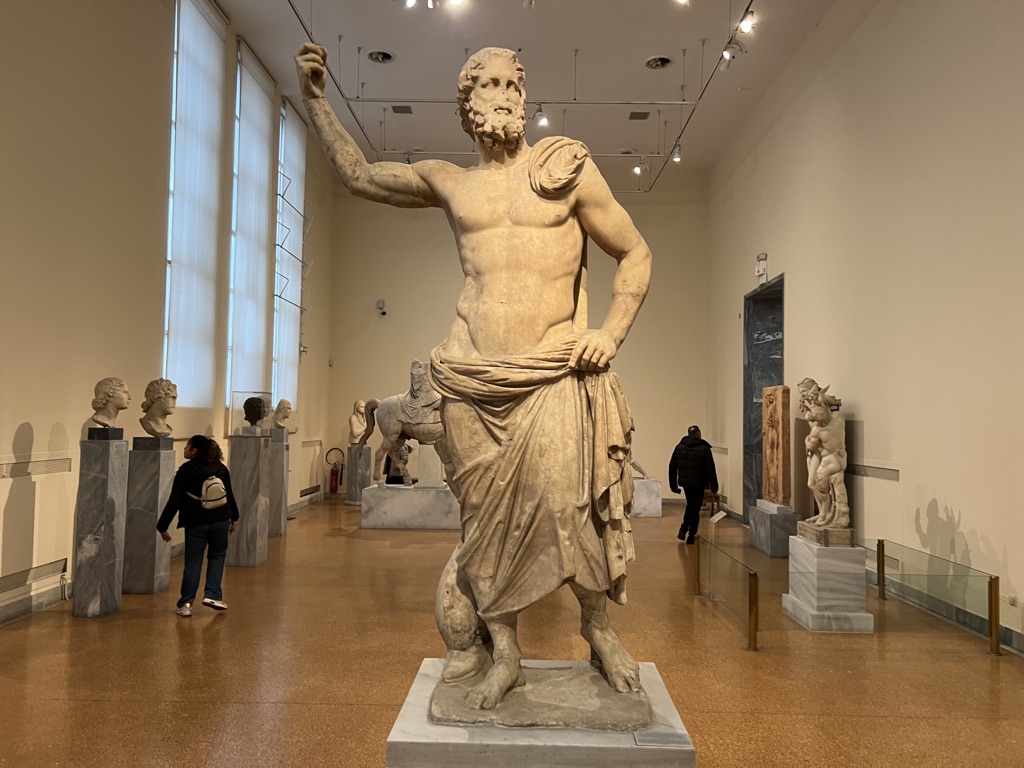
Poseidon – God of the Sea
Poseidon, one of the twelve Olympian deities in ancient Greek mythology, reigns as the god of the sea, storms, earthquakes, and horses. He is a son of the Titans Cronus and Rhea, making him a sibling to notable gods such as Zeus and Hades. Poseidon’s dominion over the sea and its creatures is well-documented, with his powers allowing him to calm or incite the waters and storms at will. His symbols, most notably the trident, horses, and the dolphin, encapsulate his connection to the sea and its creatures, as well as his ability to cause earthquakes, known as “earth-shakers.”
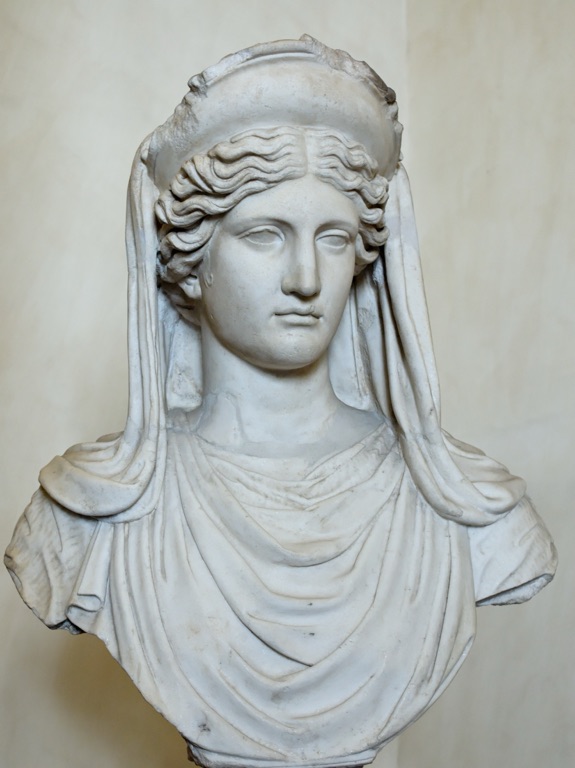
Demeter – The Goddess of Agriculture
Demeter, a central figure in ancient Greek mythology, is revered as the goddess of agriculture, harvest, fertility, and the sacred law. Her origins trace back to the pre-Olympian divine generation, making her one of the older deities within the Greek pantheon. Demeter’s significance in ancient Greek religion and culture cannot be overstated; she was a symbol of life’s sustenance and the cycle of life and death, embodying the earth’s fertility.