
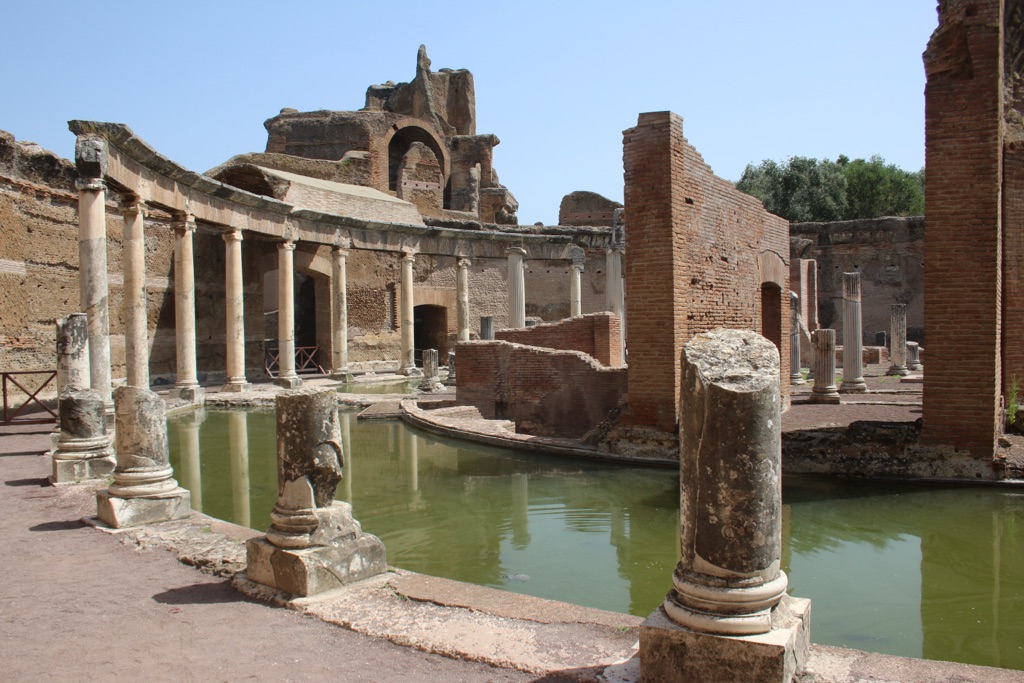
Hadrian’s Villa, also known as Villa Adriana, is a vast Roman archaeological complex located in Tivoli, Italy. Emperor Hadrian commissioned this grand countryside retreat in the 2nd century AD. The villa is a testament to the architectural grandeur of the Roman Empire and reflects Hadrian’s taste for architecture and culture. It combines elements from Egyptian, Greek, and Roman designs, showcasing an eclectic mix of architectural styles. The site includes over 30 buildings, covering an area of at least 120 hectares. Hadrian’s Villa was a place of rest, leisure, and governance, where the emperor could escape the bustle of Rome. Today, it stands as a UNESCO World Heritage site, offering insights into the life and times of one of Rome’s most enigmatic emperors.
Neural Pathways
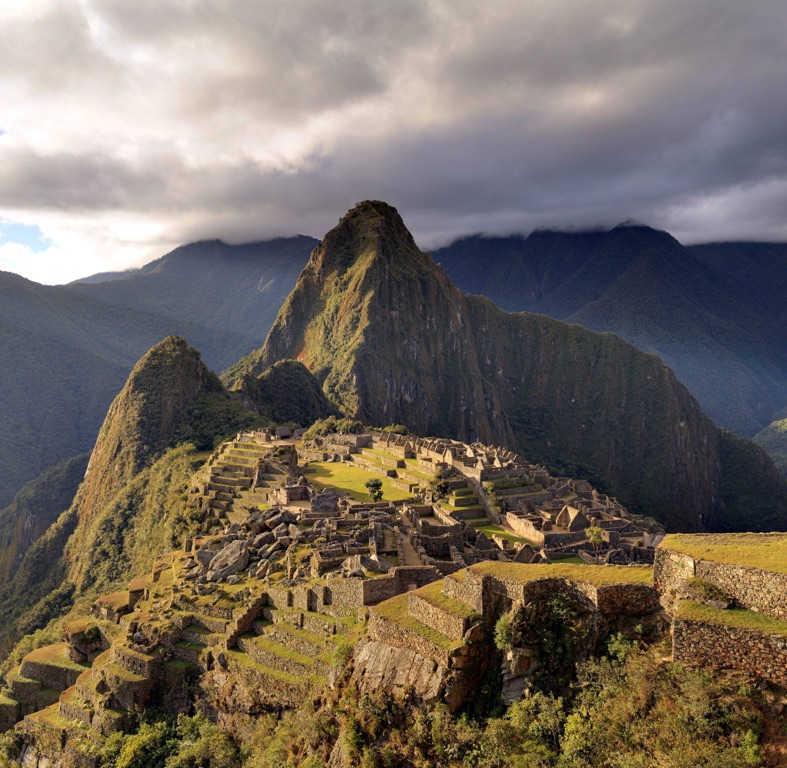
How Did Aztec Society Differ from Inca Society?
One of the primary differences between Aztec and Inca societies lies in their social structure and governance. The Aztec society was highly stratified, with a noble class, a class of commoners, and slaves. The emperor, who was considered semi-divine, wielded absolute power. In contrast, the Inca society was more collectivist, with the state controlling much of the land and resources. The Inca emperor, also seen as a god, ruled over a centralized government with a complex bureaucracy.
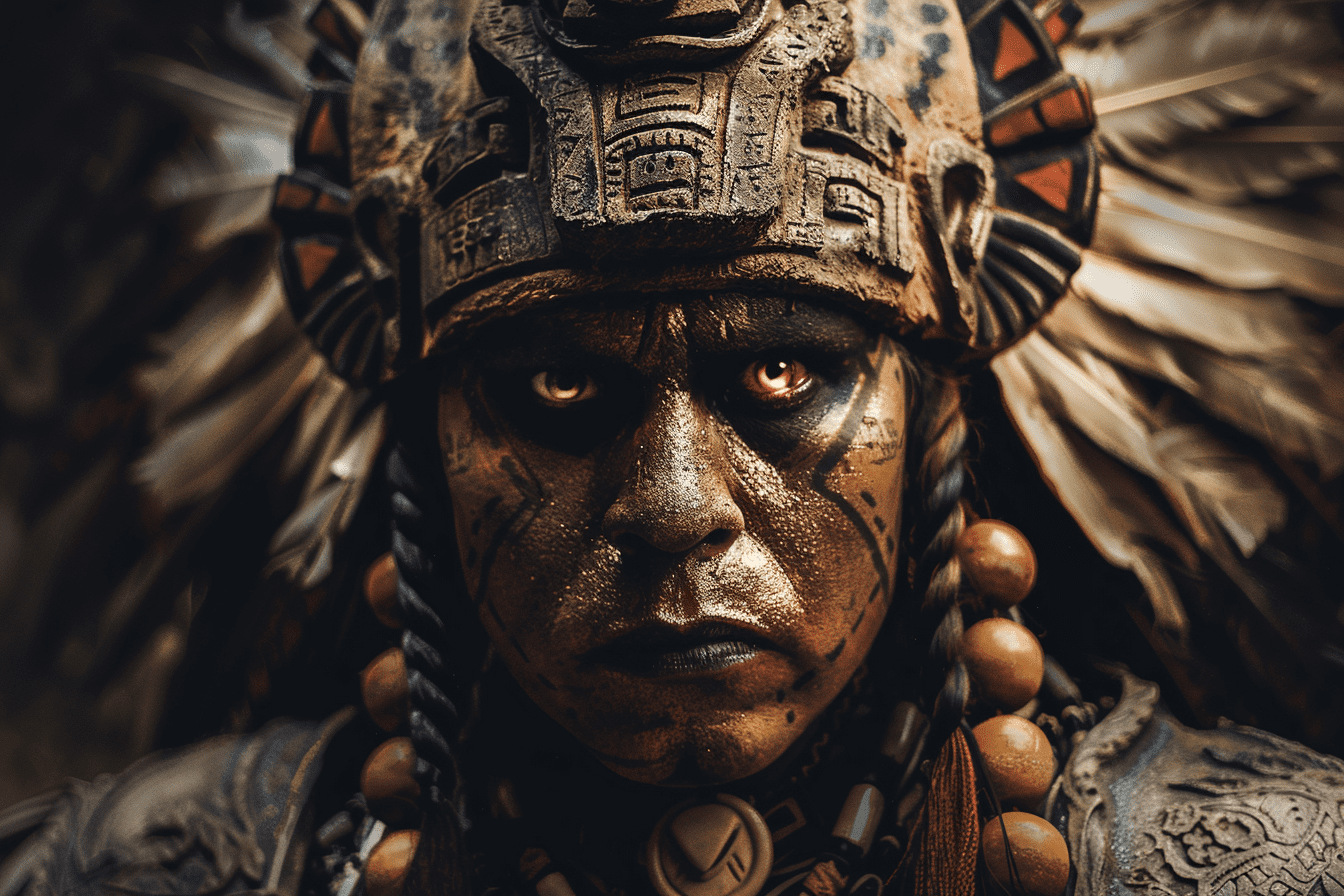
Supay: The Inca God of the Underworld
In the pantheon of Inca deities, Supay holds a distinctive place as the god of the underworld, also known as Uku Pacha. This realm was not only a place of the dead but also a domain of untapped resources and potential, embodying both fear and reverence in the Inca civilization. Supay’s role extended beyond the mere guardianship of the afterlife; he was also associated with minerals and the unseen forces within the earth, making him a complex figure within Inca mythology.
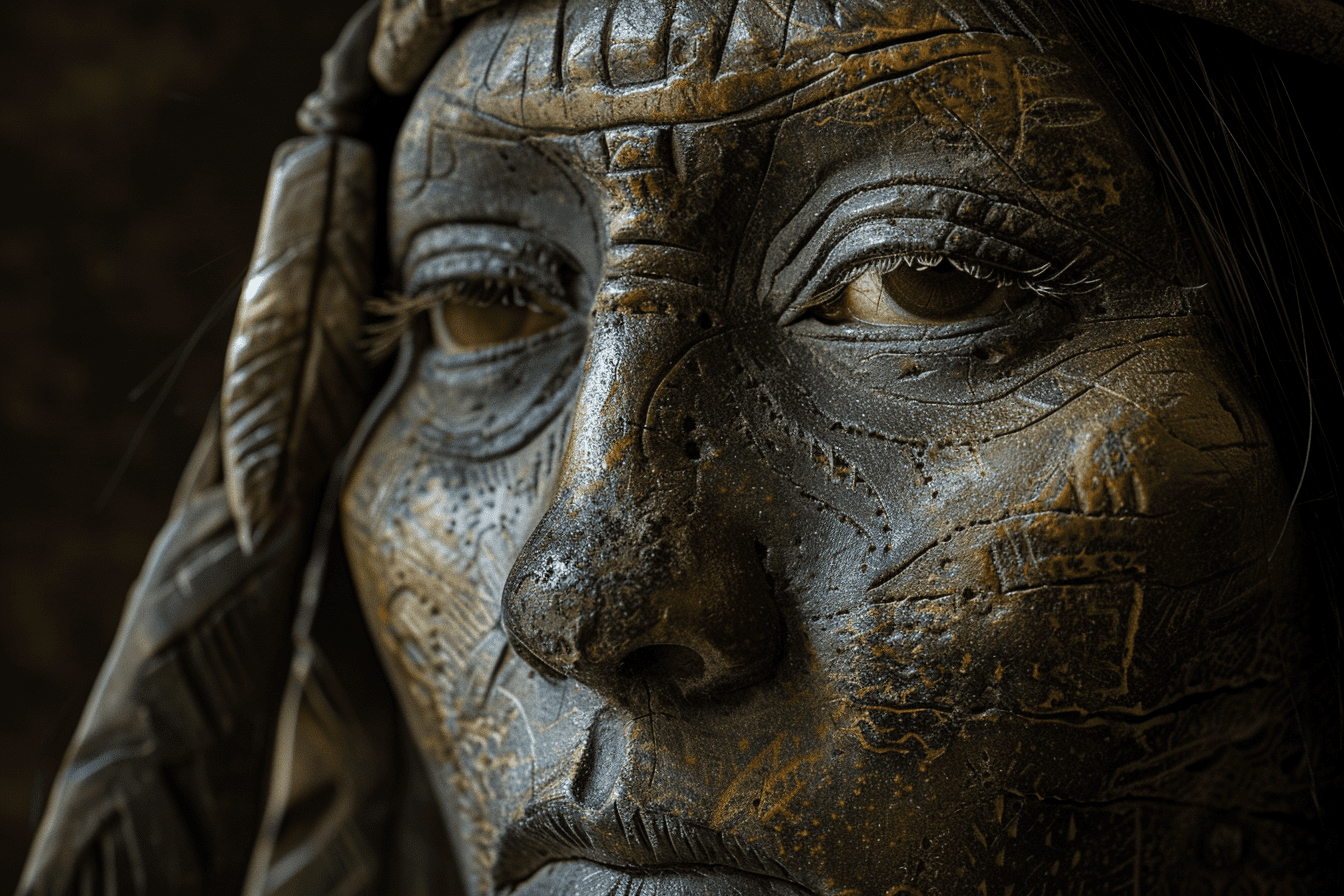
Mama Quilla: The Inca Moon Goddess
Mama Quilla, revered in the pantheon of Inca deities, holds a significant place as the Goddess of the Moon. She embodies the celestial embodiment of femininity, fertility, and time. As a pivotal figure in Inca mythology, Mama Quilla’s influence extends beyond the heavens, deeply intertwining with the daily lives and spiritual practices of the Inca civilization.
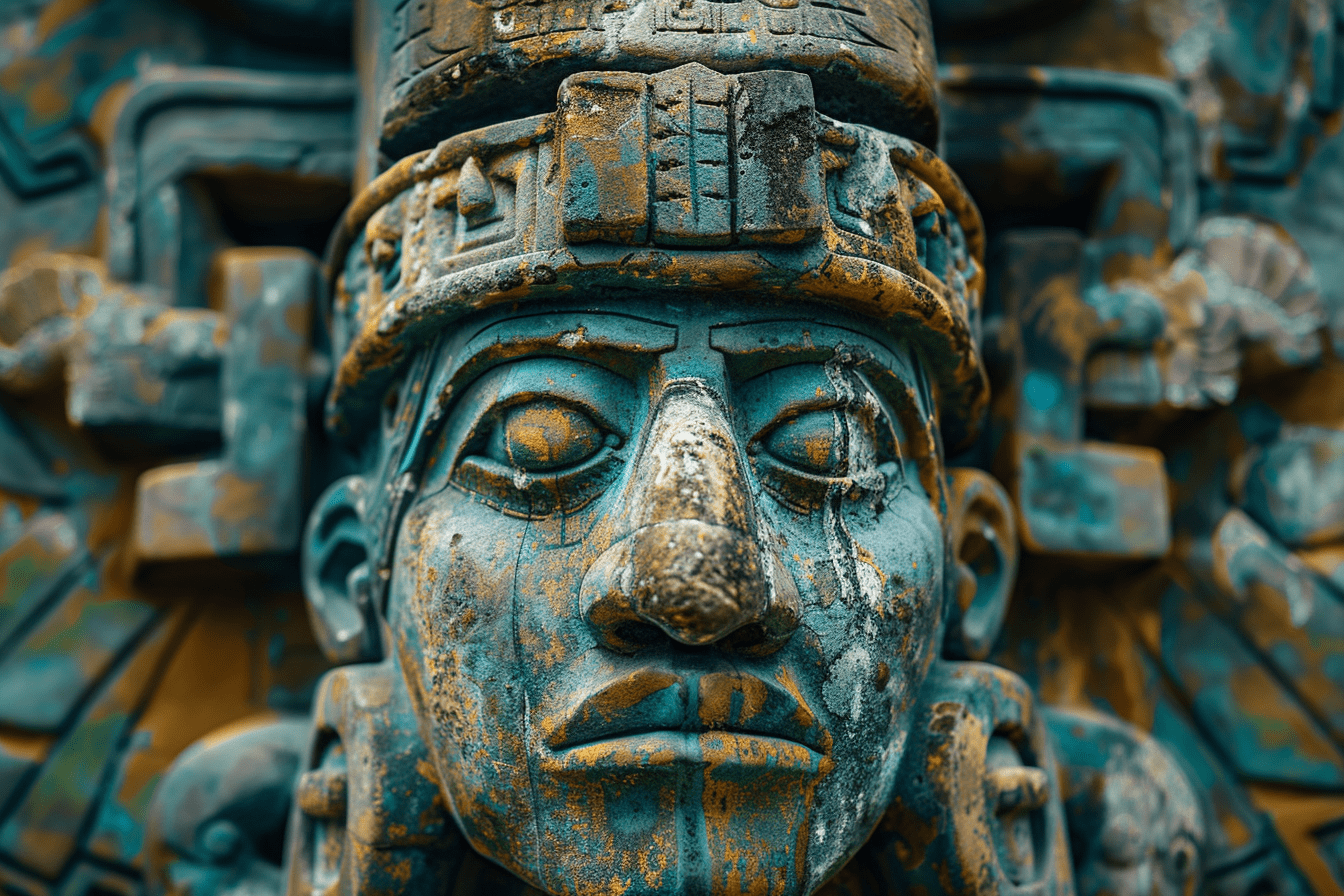
Illapa: The Inca God of Thunder
Illapa, revered in the pantheon of Inca deities, holds a significant place as the god of thunder, lightning, and rain. This deity, also known as Apu Illapu, Ilyap’a, or Illapa, was integral to the agricultural cycles and water management systems that were central to the Inca civilization, one of the most sophisticated societies in ancient South America. The Incas, with their capital in Cusco, worshipped a pantheon of gods, among which Illapa was particularly venerated for his control over the vital elements of weather, crucial for crop growth and water resources.
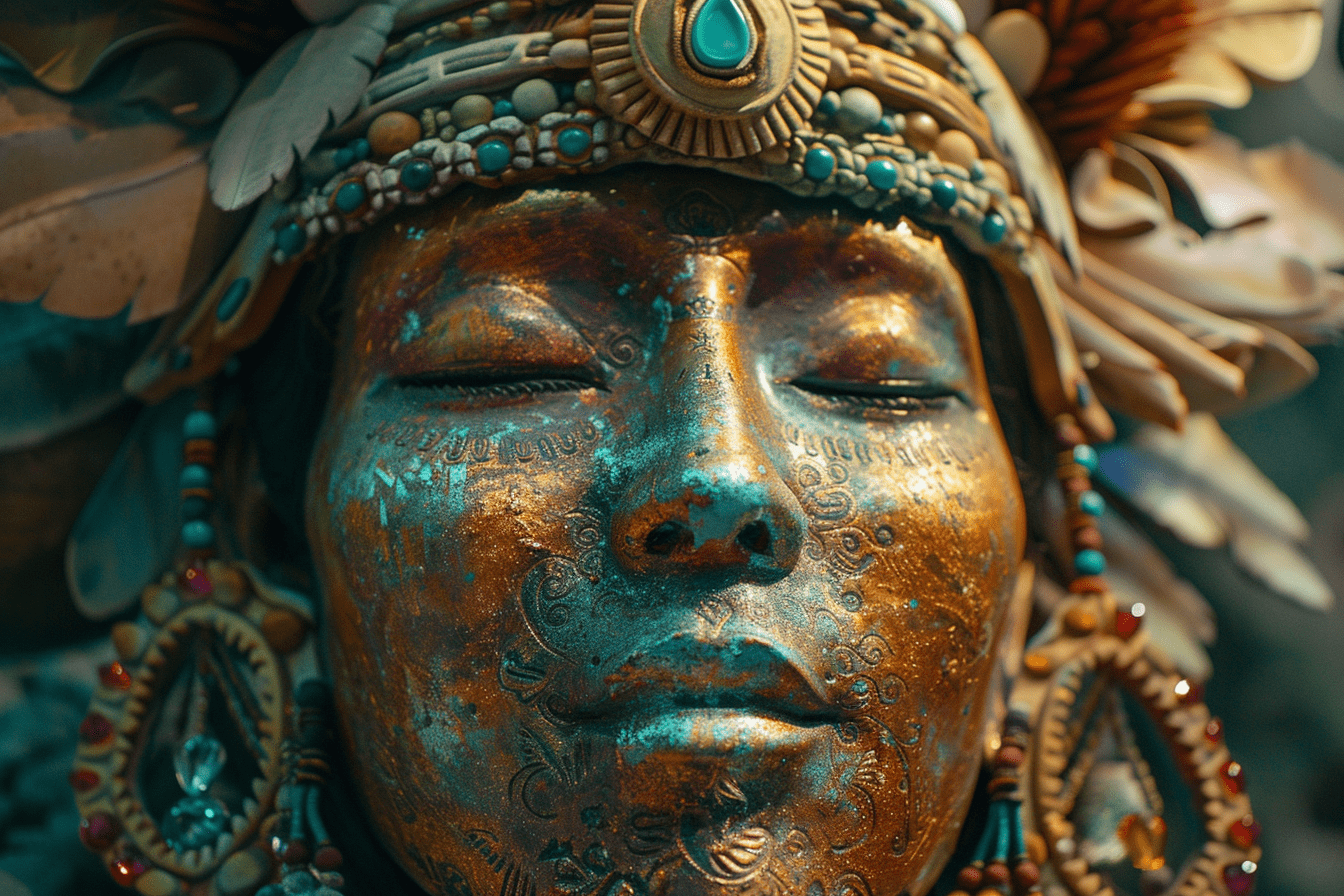
Pachamama: The Earth Mother Goddess
Pachamama, revered as the Earth Mother Goddess, holds a central place in the pantheon of Inca deities. Symbolizing fertility, agriculture, and the nurturing aspects of nature, Pachamama is a testament to the Inca civilization’s deep connection with the earth and its cycles. This goddess embodies the mountains, soil, and all elements that foster life, making her worship integral to the Inca’s agricultural practices and their understanding of the natural world.