
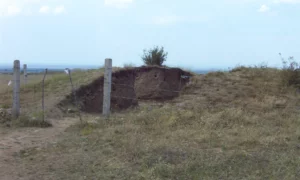
The Issyk Kurgan is a burial mound located in the Issyk Valley of Kazakhstan. Discovered in 1969, it dates back to the 4th or 3rd century BC. The site is famous for the ‘Golden Man,’ a noble buried with a wealth of gold artifacts. These findings provide insight into the Saka culture, part of the wider Scythian civilization. The kurgan’s elaborate gold treasures and advanced craftsmanship highlight the sophistication of the Saka people.
Neural Pathways
Neural Pathways is a collective of seasoned experts and researchers with a profound passion for unraveling the enigmas of ancient history and artifacts. With a wealth of combined experience spanning decades, Neural Pathways has established itself as a leading voice in the realm of archaeological exploration and interpretation.
Our team of researchers and scholars provide unparalleled depth of knowledge in deciphering the intricate narratives embedded within ancient artifacts and deciphering the cultural nuances that shaped civilizations of the past. Through meticulous research, rigorous analysis, and a collaborative spirit, Neural Pathways has made and continues to make significant contributions to our understanding of the human past.
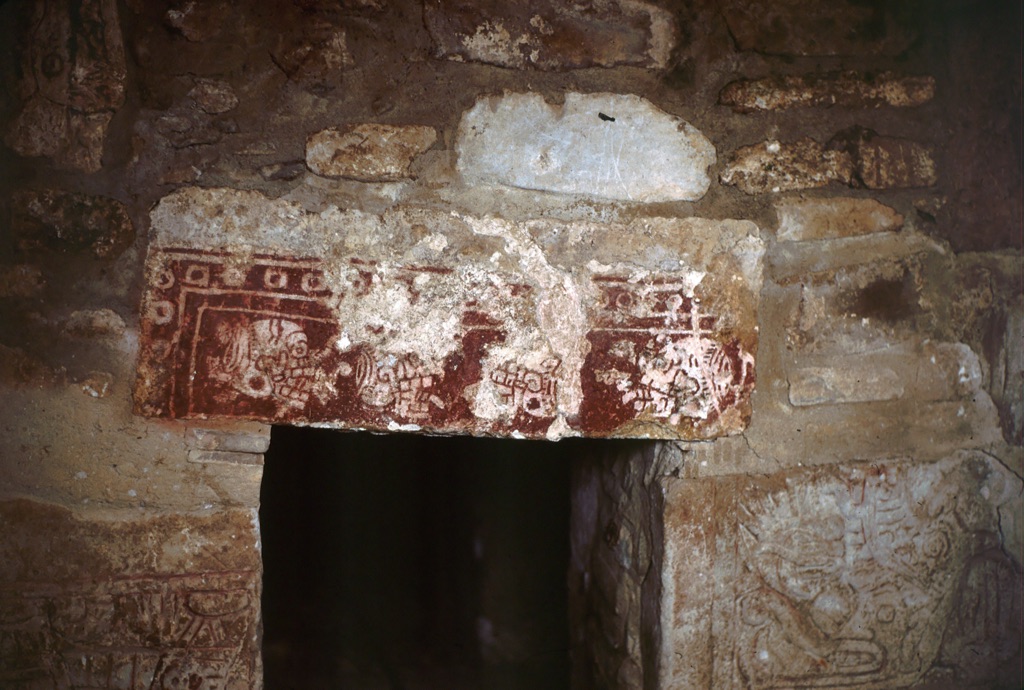
San Pablo Huitzo Zapotec Village
San Pablo Huitzo is a Zapotec village with a rich historical tapestry. Nestled in the Central Valleys of Oaxaca, Mexico, it stands as a testament to the Zapotec civilization’s ingenuity. The village is known for its archaeological significance and the remnants of structures that echo the past. It offers insights into the lives of the Zapotec people, their culture, and their contributions to Mesoamerican history.
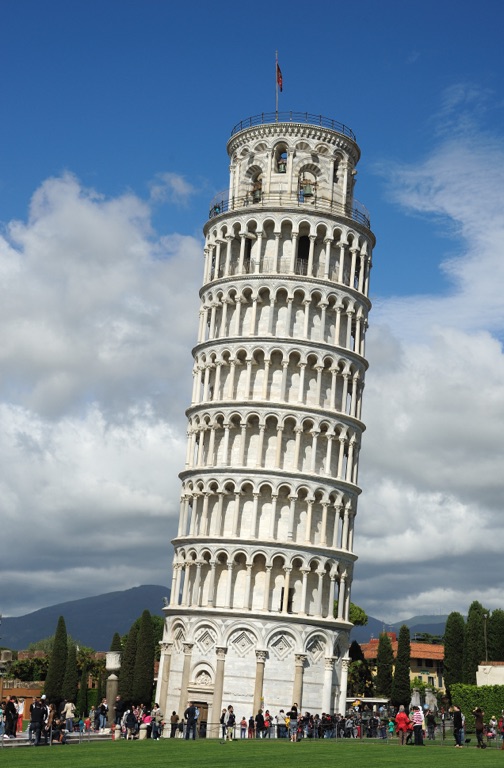
Leaning Tower of Pisa
The Leaning Tower of Pisa, known globally for its unintended tilt, is one of the most remarkable architectural structures from medieval Europe. Located in Pisa, Italy, it serves as the bell tower of the Cathedral of Santa Maria Assunta. This freestanding tower began to lean during construction due to soft ground which could not properly support the structure’s weight. Over the centuries, the tilt has become the defining feature of the tower, making it a popular tourist attraction and an icon of Italian culture.
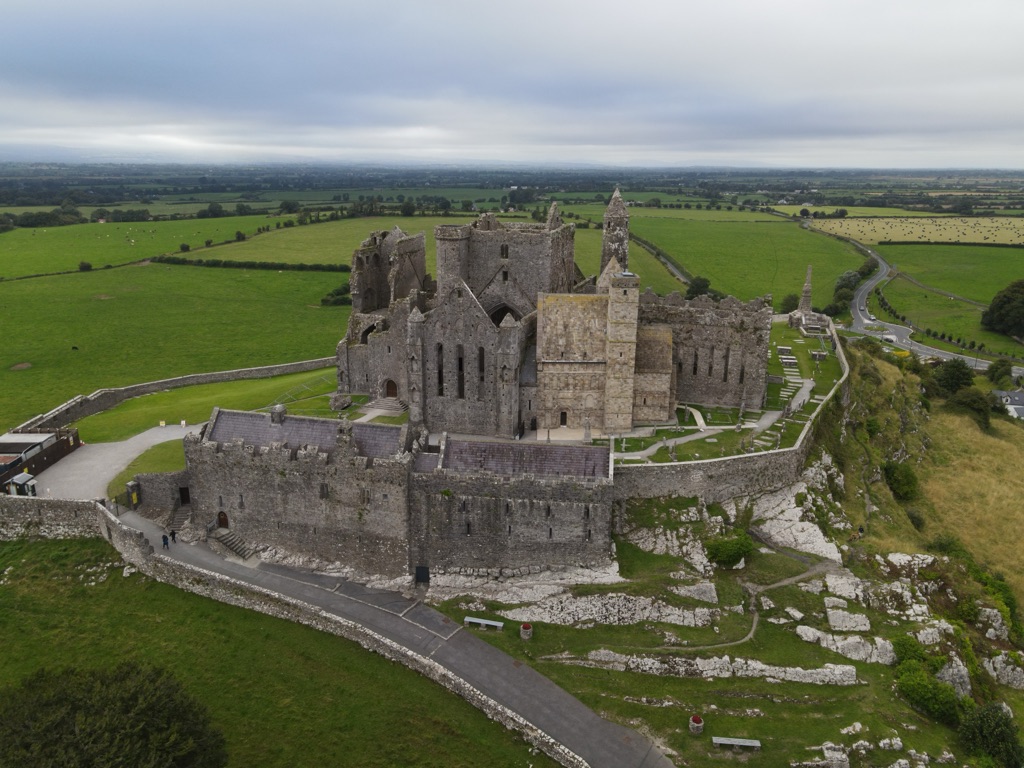
Rock of Cashel
The Rock of Cashel, also known as St. Patrick’s Rock, is a historic site in County Tipperary, Ireland. It’s a picturesque complex of medieval buildings set on an outcrop of limestone. The Rock of Cashel holds a collection of ecclesiastical remains, with its history deeply entwined with the mythology and politics of Ireland. It was once the seat of the Kings of Munster and is associated with converting the pagan Irish to Christianity. Today, it stands as a monument to Ireland’s complex and storied past, attracting visitors from around the world.
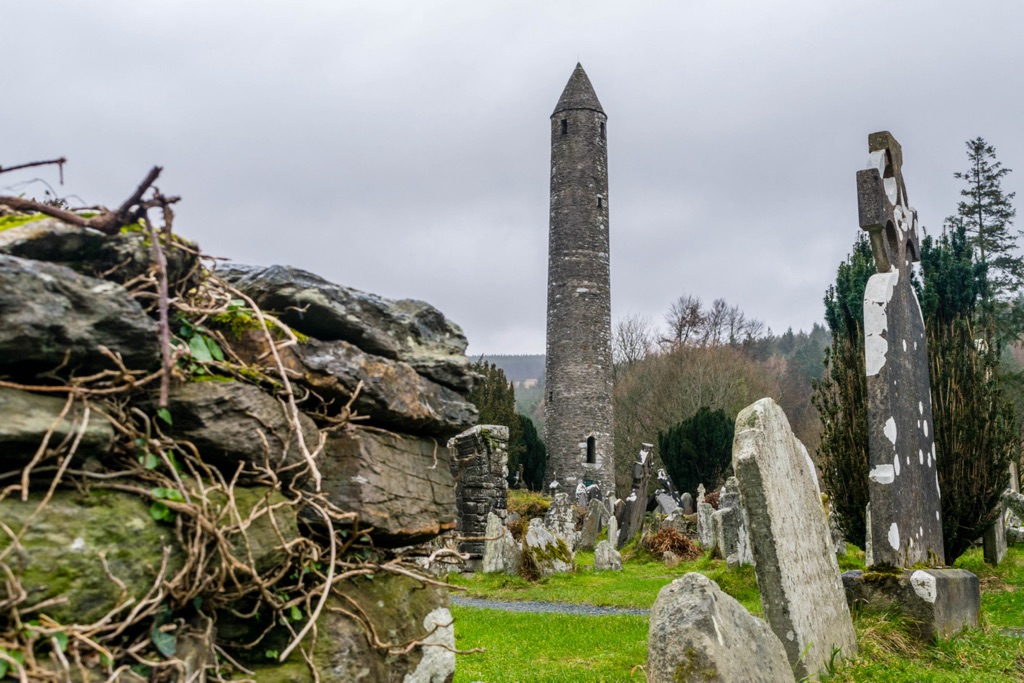
Glendalough
Nestled in the Wicklow Mountains of Ireland, Glendalough is a historic site renowned for its monastic settlement. Founded by St. Kevin in the 6th century, it flourished as a center for religious learning and pilgrimage. The site boasts impressive remains, including a round tower, stone churches, and decorated crosses. Glendalough, meaning “Valley of the Two Lakes,” offers a glimpse into early Christian Ireland and has been a focal point for visitors for centuries.
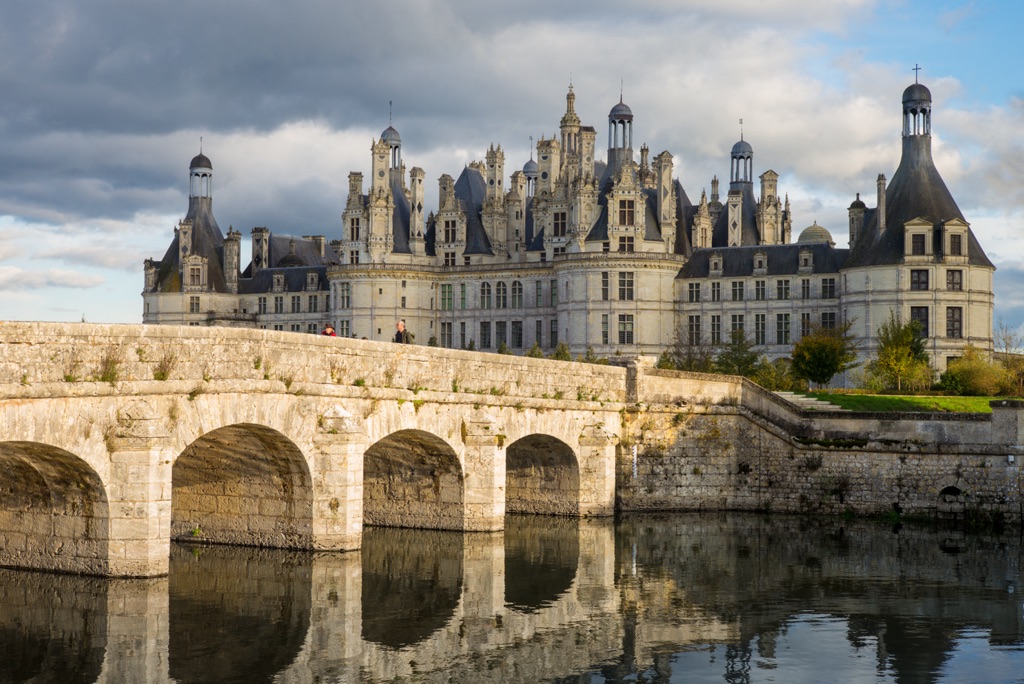
Château de Chambord
The Château de Chambord is one of the most recognizable châteaux in the world, located in the Loire Valley, France. It is a masterpiece of the French Renaissance, blending traditional French medieval forms with classical Italian structures. Commissioned by King Francis I in 1519, the château was intended to serve as a hunting lodge and a symbol of his power and influence. Despite its grand scale, Chambord was never fully completed. It boasts 440 rooms, 365 fireplaces, and a distinctive double helix staircase, often attributed to Leonardo da Vinci. The château has been a UNESCO World Heritage site since 1981 and continues to be a major tourist attraction, drawing visitors from around the globe.